
Single to Double Door Conversion Cost Guide
Does your entryway feel cramped and underwhelming? Many homeowners dream of replacing a standard single door with a grand double-door entrance, imagining a flood of natural light and a significant boost in curb appeal. However, the fear of unknown costs and complex structural work often keeps this dream on the back burner.
This project is more than just swapping out a door; it involves reframing a wall, which can seem daunting. This guide breaks down every aspect of the single to double door conversion cost, providing a clear path from planning to completion. We will demystify the process, revealing the critical factors that influence the final price and empowering you to make an informed investment in your home’s value and beauty.
You'll Learn About
The True Cost of a Grand Entrance: What to Expect in 2025
So, what is the real price of upgrading to a double door? On average, a single to double door conversion costs between $3,000 and $10,000. This wide range reflects the project’s complexity, which can vary dramatically from one home to another.
For a straightforward conversion on an interior, non-load-bearing wall, you might find yourself on the lower end of that spectrum. Conversely, an exterior conversion involving a load-bearing wall, new siding, and high-end doors could push the cost toward the higher end or even exceed it. This estimate includes materials, professional labor, and necessary structural modifications.
Decoding the Cost: A Detailed Price Breakdown
Understanding where your money goes is crucial for budgeting. The total cost is a sum of several parts, from the door itself to the skilled labor required for a safe and seamless installation. Below is a comprehensive table outlining the potential expenses you can anticipate for your project.
| Item/Service | Low-End Cost Estimate | High-End Cost Estimate | Key Influencing Factors |
|---|---|---|---|
| Double Door Unit (Pre-Hung) | $800 | $8,000+ | Material (Fiberglass, Steel, Wood), Glass Inserts, Brand, Customization |
| Labor (Demolition, Framing, Installation) | $1,000 | $4,500 | Load-bearing vs. non-load-bearing wall, interior vs. exterior, regional labor rates |
| Structural Engineer Consultation | $300 | $1,000 | Required for any work on load-bearing walls to ensure structural integrity |
| Building Permits | $100 | $500 | Varies by municipality; almost always required for structural changes |
| Drywall, Insulation & Finishing | $400 | $1,500 | Size of the area to be repaired, texture matching, level of finish |
| Exterior Finishes (Siding/Brickwork) | $500 | $2,500+ | Matching existing materials, complexity of the repair |
| Hardware (Locks, Handles) | $100 | $800 | Style, material, security features (e.g., smart locks) |
| Debris Removal & Cleanup | $100 | $400 | Project size, contractor fees |
Factors That Skyrocket Your Single to Double Door Conversion Cost
Several critical variables can dramatically impact your final invoice. Recognizing these ahead of time can help you budget effectively and avoid sticker shock. Understanding these elements is key to managing your project’s scope and expenses.
Structural vs. Non-Structural Walls: The Game Changer
This is the most significant factor influencing cost. If the wall is load-bearing, it supports the weight of the roof or floors above. Cutting into it without proper support can compromise your home’s structural integrity. This requires installing a new, wider header (a horizontal beam) to redistribute the load safely.
A non-load-bearing wall conversion is far simpler and cheaper, as it mainly involves reframing without needing major structural reinforcement. For any load-bearing wall modifications, hiring a structural engineer and a qualified contractor is non-negotiable. This ensures the job is done safely and up to code, protecting your investment and your family.
Door Materials and Styles
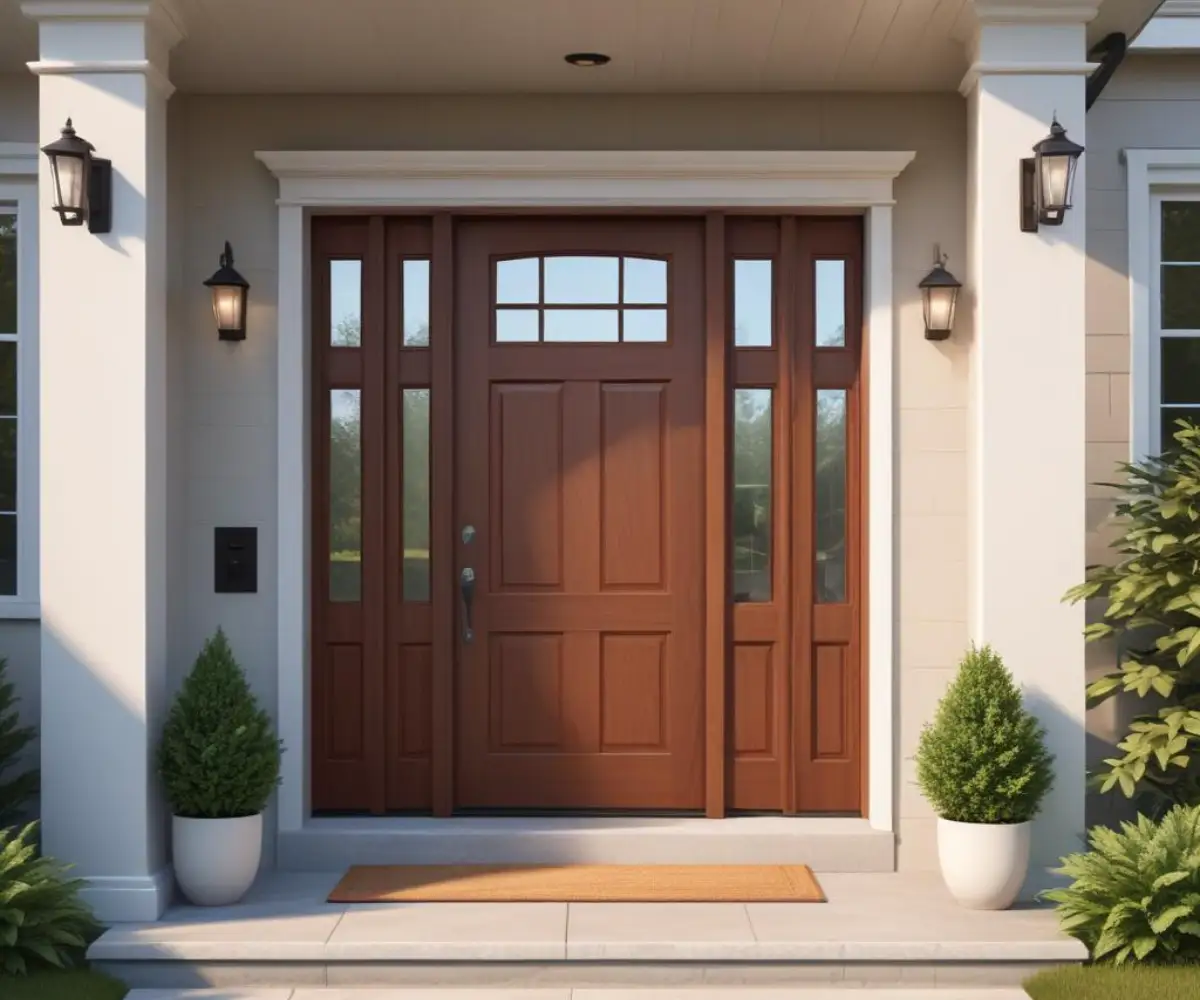
The double door unit itself is a major component of the cost. Material choice plays a huge role in both price and performance. Wood doors offer a classic, high-end look but come at a premium and require more maintenance. Fiberglass doors are a popular mid-range option, offering the look of wood with better durability and energy efficiency. Steel doors are often the most budget-friendly, providing excellent security, but can be prone to dents.
Styles like elegant French doors are a popular choice for this type of project. Learning how to make French doors out of regular doors can provide insight into their construction, but for a structural conversion, purchasing a pre-hung unit is the standard approach.
Exterior vs. Interior Conversion
Converting an exterior wall is a more complex and expensive undertaking than an interior one. An exterior door conversion requires meticulous weatherproofing, insulation, and flashing to prevent leaks and energy loss. You must also consider the exterior finishing, which involves cutting and repairing siding, stucco, or even brickwork to seamlessly blend the new opening with your home’s facade.
Interior conversions are simpler as they don’t involve these weather-related challenges. However, they still require careful framing, drywall work, and finishing to ensure a professional look that matches your interior decor.
The Conversion Process: A Step-by-Step Overview
Knowing the project’s flow can help you feel more in control. While your contractor will handle the heavy lifting, understanding the sequence of events is beneficial for any homeowner.
First, the process begins with a consultation to select your door and get detailed quotes. For load-bearing walls, a structural assessment is the critical next step, followed by securing necessary building permits. Demolition of the old door and a portion of the wall comes next, creating the rough opening for the new double doors.
The most crucial construction phase is framing the new opening and installing the appropriately sized header. After the new frame is secure, the pre-hung double door unit is installed, leveled, and sealed. The final stage involves all the finishing work: installing insulation, hanging and finishing drywall, adding interior trim, repairing exterior siding, and painting everything to match.
Hidden Costs and Unexpected Surprises to Watch For
Even with careful planning, unexpected issues can arise once the walls are opened up. One of the most common surprises is discovering electrical wiring, plumbing pipes, or HVAC ducts inside the wall section that needs to be removed. Rerouting these utilities requires hiring specialized tradespeople, such as an electrician or plumber, adding to the overall cost.
In older homes, there’s also the potential of encountering hazardous materials like asbestos or lead paint, which require professional abatement. Permit delays or unexpected findings during inspections can also impact your timeline and budget. A good contractor will discuss these possibilities with you upfront and a contingency fund of 10-15% is always a wise precaution.
Is a Single to Double Door Conversion a Good Investment?
Absolutely. From a financial perspective, enhancing your front entrance offers one of the highest returns on investment of any home improvement project. A grand double door entryway dramatically boosts curb appeal, which can significantly increase your home’s perceived and actual value.
Beyond the numbers, the functional benefits are immense. Double doors create a more welcoming and open feel, allow more natural light to enter your home, and make moving large furniture a breeze. This transformation can improve your daily quality of life, making it a worthwhile investment in both your property and your lifestyle. The impact is similar to larger-scale projects, like a full home remodel, which can completely redefine a living space, as seen in the cost of converting duplex to single family homes.
The “Header Sizing Secret” You Need to Know
When altering a load-bearing wall, the header is the most critical structural element, yet its proper sizing is often overlooked in basic guides. Simply using standard dimensional lumber might not be sufficient for wider spans or in regions with heavy snow loads. It’s crucial that a structural engineer calculates the specific load to determine the right material and size.
Modern engineered lumber, such as Laminated Veneer Lumber (LVL) or Glulam beams, offers superior strength and stability over traditional wood headers. They resist warping and can carry heavier loads over longer spans, ensuring your new opening remains secure for decades. Furthermore, using steel headers can create a “thermal bridge,” allowing heat to transfer easily. This can be mitigated with thermal breaks and proper insulation, a detail that showcases a contractor’s true expertise.
Saving Money on Your Door Conversion Project
While this is a significant investment, there are smart ways to manage costs without compromising on quality or safety. The first step is always to get at least three detailed quotes from reputable, licensed contractors. This allows you to compare not just the price, but the scope of work and materials included.
Opting for standard-sized double doors will be more affordable than custom dimensions. When it comes to materials, fiberglass can provide the elegant look of wood at a lower price point with the added benefits of low maintenance and high energy efficiency. Finally, while the structural work should be left to professionals, you can potentially save on labor costs by handling non-structural tasks like final painting or site cleanup yourself.
Conclusion: A Worthwhile Upgrade for a Grand Impression
Converting a single door to a double door is a transformative project that enhances both the beauty and functionality of your home. While the cost can range from $3,000 to over $10,000, this investment yields a high return through increased property value and curb appeal. The key to a successful project is understanding the critical factors, especially the structural implications of modifying a load-bearing wall.
By prioritizing professional expertise for structural work, choosing materials that balance your budget and aesthetic goals, and planning for potential hidden costs, you can confidently create the grand, welcoming entrance you’ve always envisioned. This upgrade is more than just a new door; it’s a statement about your home’s character and your commitment to quality.
