
Silgranit Sink Problems? Your Ultimate Guide to a Flawless Finish
Silgranit sinks have surged in popularity, celebrated for their durability, modern aesthetic, and promise of being scratch and stain-resistant. Composed of up to 80% natural granite, these composite sinks offer a beautiful matte finish that can elevate any kitchen. Yet, despite their robust reputation, many owners find themselves frustrated by unexpected maintenance challenges.
From a mysterious white haze that dulls a dark surface to stubborn stains that defy simple cleaning, the reality of ownership can sometimes fall short of expectations. This guide delves into the most common Silgranit sink problems, moving beyond simple cleaning tips to explain why these issues occur and providing a comprehensive plan to restore and maintain your sink’s original beauty.
You'll Learn About
Decoding the “Problem”: What Really Happens to Your Silgranit Sink?
Understanding the core issues is the first step toward an effective solution. Most problems with Silgranit sinks are not due to a fault in the material itself but rather a buildup of external substances on its incredibly hard surface. Knowing the difference is key to proper treatment and prevention.
The Dreaded White Haze: Hard Water vs. Soap Scum
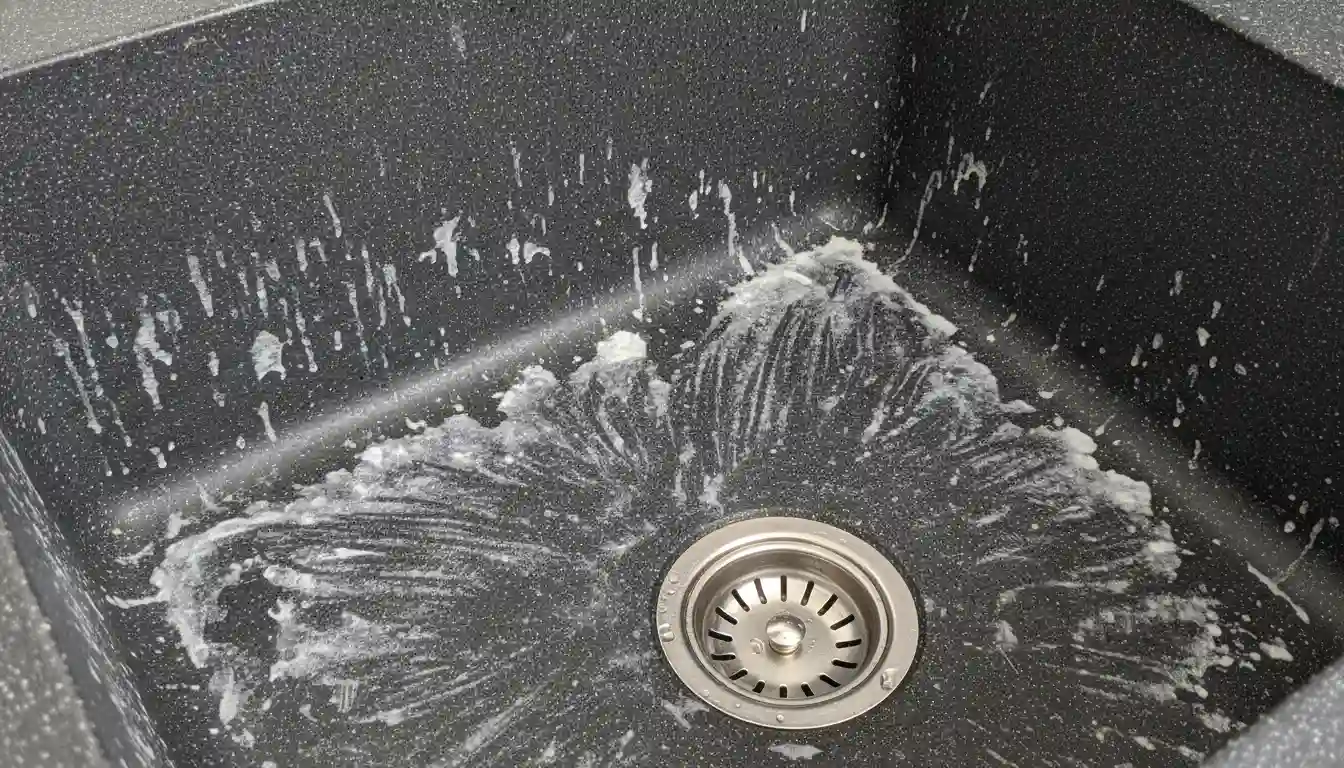
The most frequent complaint, especially with dark-colored sinks, is the development of a chalky, white film. This haze is almost always caused by mineral deposits from hard water. As water evaporates, it leaves behind calcium and magnesium, which accumulate over time, creating a dull, discolored layer.
This limescale buildup is porous and can absorb pigments from substances like coffee, tea, or wine, leading to further discoloration. It’s not the sink that’s stained; it’s the mineral layer sitting on top of the sink. Soap scum can also contribute, creating a sticky film that traps these mineral deposits.
Stubborn Stains That Won’t Budge
While Silgranit is non-porous and highly resistant to staining, prolonged contact with highly pigmented foods and liquids can lead to discoloration, especially if a layer of limescale is present. The material’s microscopic texture can hold onto particles if not cleaned promptly.
Think of it less as a deep-set stain and more as a concentrated surface deposit. The key is using the right method to lift these particles without damaging the sink’s surface. Aggressive scrubbing with the wrong tool can make the problem worse.
Scratches, Scuffs, and Metal Marks
One of Silgranit’s main selling points is its exceptional scratch resistance. It is harder than most metals used in cutlery, pots, and pans. Therefore, when you see a gray or black line on your sink, it’s rarely a true scratch.
What you are likely seeing is metal abrasion, where softer metal from a pot or knife has rubbed off onto the ultra-hard sink surface. These marks sit on top of the Silgranit and can be removed with the correct technique, a crucial distinction that prevents unnecessary worry about permanent damage.
Your Step-by-Step Silgranit Rescue Plan
Restoring your sink doesn’t require harsh chemicals or intensive labor. A methodical approach using household staples and proper techniques can eliminate common issues and bring back that showroom finish. Follow these steps to transform your sink from dull and stained to pristine.
The Daily Rinse: Your First Line of Defense
Prevention is the most powerful tool. The single best habit you can adopt is to rinse and wipe your sink dry after each use. A simple wipe-down with a microfiber cloth prevents mineral deposits from forming and stops food particles from settling.
This thirty-second task is the secret to minimizing the need for deep cleaning. It maintains the sink’s appearance and makes your weekly cleaning routine significantly easier and more effective.
Tackling the White Film for Good
To eliminate that stubborn white haze, you need a mild acid to dissolve the mineral deposits. White vinegar is an excellent and safe choice for this task. Fill a spray bottle with a 50/50 solution of white vinegar and water.
Spray the entire sink surface thoroughly and let it sit for at least 20-30 minutes. For tougher buildup, you can soak paper towels in the vinegar solution and lay them over the affected areas. Gently scrub with a non-abrasive sponge or soft cloth before rinsing completely and drying with a microfiber towel.
Erasing Stubborn Stains: A Targeted Approach
For tougher, pigmented stains, a paste of baking soda and water is a highly effective and gentle abrasive. Apply the paste directly to the stain, let it sit for 15-20 minutes, and then scrub in a circular motion with a soft sponge. The baking soda lifts the stain from the surface without scratching.
For truly persistent stains from things like berries or permanent marker, creating a paste with a product like Bar Keepers Friend can provide a bit more cleaning power. Always rinse thoroughly after any cleaning treatment. Understanding which solution works best for different types of stains is essential for efficient cleaning.
| Stain Type | Recommended Cleaning Agent | Application Method |
|---|---|---|
| Coffee, Tea, or Juice | Baking Soda Paste | Apply paste, let sit for 20 minutes, then scrub gently with a soft sponge. |
| Red Wine | 50/50 Water & White Vinegar Solution | Spray on the stain, let sit for 15 minutes, then wipe and rinse. |
| Oil or Grease | Mild Dish Soap | Apply soap directly, scrub with a soft brush or sponge, and rinse with hot water. |
| Metal Scuffs (from pots/pans) | Baking Soda or a Magic Eraser | Gently scrub the mark in a circular motion until the metal transfer is lifted. |
Restoring a Lustrous, Like-New Sheen
Once your sink is clean and completely dry, you can restore its deep, rich color and luster. Applying a small amount of food-grade mineral oil is a game-changer, especially for dark sinks. Pour a little oil onto a soft cloth and rub it across the entire surface.
Let the oil sit for about 20 minutes, then buff off any excess with a clean, dry cloth. This not only enhances the color but also helps repel water, preventing future spots and making daily cleaning easier. Repeat this process every few weeks to maintain the finish.
Advanced Silgranit Care: Myths vs. Reality
Proper long-term care involves knowing what to do and, just as importantly, what not to do. Dispelling common myths about cleaning and maintenance will protect your investment and keep your sink looking its best for years to come.
The Truth About Harsh Chemicals and Your Sink
A common mistake is reaching for aggressive cleaners like pure bleach, ammonia-based products, or abrasive powders. While Silgranit is tough, these chemicals can degrade the acrylic resin that binds the granite particles, leading to a dull or discolored surface over time.
Always opt for pH-neutral or mild acidic cleaners. When dealing with grout lines around your sink area, choosing the whitest grout can make the entire area look cleaner, but be careful not to let harsh grout cleaners sit on your sink’s surface. Gentle, targeted cleaning is always the superior approach.
Can You Really “Scratch” a Silgranit Sink?
As mentioned, true scratches are rare. If you have a mark that doesn’t come off with gentle scrubbing, it may be a deeper metal deposit. For these, a slightly more abrasive approach with a melamine foam sponge (like a Magic Eraser) can often lift the residue.
It’s crucial to differentiate between a real scratch and a surface mark. If you can feel an indentation with your fingernail, it might be a genuine scratch, but these are exceptionally uncommon with normal kitchen use.
Preventing Catastrophic Failure: Cracks and Chips
The biggest threat to a granite composite sink is not staining but thermal shock. This occurs when there’s a rapid and extreme change in temperature, such as pouring boiling pasta water into a sink filled with ice-cold water. This can cause the material to expand and contract unevenly, potentially leading to a hairline crack.
To avoid this, always run cool tap water when pouring boiling liquids into the sink. Similarly, avoid dropping extremely heavy cast-iron pans from a height. While durable, the material is not indestructible. These preventative habits are simple yet vital for the sink’s longevity, a topic often discussed in forums about home renovations, similar to conversations found on a bathroom remodel forum where material durability is a key concern.
Creating a Long-Term Maintenance Routine
Consistency is more important than intensity. A simple, repeatable routine will do more for your sink’s health than occasional, aggressive deep cleaning sessions. Make these practices a part of your kitchen cleanup workflow.
Weekly Deep Clean Checklist
Once a week, give your sink a more thorough cleaning. Start by clearing the sink and spraying it down with your 50/50 vinegar and water solution. Let this sit for about 15 minutes to dissolve any new mineral deposits.
Follow up with a gentle scrub using a soft sponge and a bit of mild dish soap to remove any remaining grime. Rinse completely and, most importantly, wipe it thoroughly dry with a microfiber cloth to prevent water spots.
The Secret Weapon: The Role of Conditioners
Beyond mineral oil, specialized granite composite sink conditioners can provide a longer-lasting protective layer. These products are formulated to enhance shine and create a hydrophobic surface that causes water to bead up and roll away, taking minerals and dirt with it.
Applying a conditioner once a month can significantly reduce the effort needed for daily and weekly cleaning. Just as you’d maintain outdoor tools like a gardenway tiller to ensure its longevity, conditioning your sink protects it from the elements it faces every day.
When to Call a Professional
Almost all common Silgranit sink problems are cosmetic and can be resolved with DIY methods. However, in the rare event of a deep chip or a crack, a professional repair may be necessary. Specialized epoxy kits can sometimes be used for minor chips, but cracks often require replacement.
Before attempting a significant repair, consult your sink’s warranty information. Improper repair attempts could void your warranty, so it’s always best to understand your options first.
From Problem-Prone to Pristine: Loving Your Silgranit Sink
A Silgranit sink is a beautiful and functional centerpiece for any kitchen, but its promise of low maintenance relies on the right knowledge. The “problems” many owners face are not failures of the material but rather predictable reactions to hard water, food pigments, and metal utensils.
By understanding the true cause of these issues—and by adopting a simple routine of rinsing, drying, and occasional deep cleaning—you can easily overcome these challenges. With the right care, your Silgranit sink will maintain its deep color and flawless finish, proving to be the durable and stunning investment you expected.
