
Sierra Pacific vs Marvin Windows: Which is the Right Investment?
Choosing replacement windows is one of the most significant investments for a homeowner. The decision is fraught with anxiety, balancing aesthetics, performance, and budget. When you narrow the field to premium brands like Sierra Pacific and Marvin, the choice becomes even more challenging, as both offer exceptional products. This often leads to analysis paralysis, leaving homeowners questioning every detail.
The core problem isn’t just about picking a window; it’s about making a long-term decision that affects your home’s comfort, energy bills, and resale value. How do you decipher the technical jargon? Which brand’s material science truly offers better durability for your specific climate? This guide will break down the complexities, moving beyond the marketing to compare Sierra Pacific and Marvin on the points that matter most.
You'll Learn About
Understanding the Core Differences: It’s More Than Just Glass
While both Sierra Pacific and Marvin are respected manufacturers in the premium window market, their philosophies and core technologies differ significantly. Understanding these distinctions is the first step toward making an informed choice for your home and garden project. These aren’t just windows; they are integral components of your home’s architectural identity and performance envelope.
Brand Philosophy and Market Position
Marvin has built a legacy on innovation and design flexibility. With over a century in business, they are often seen as an industry benchmark for quality and customization. Their product lines are tiered to serve different needs, from the all-fiberglass Essential collection to the highly customizable wood and clad-aluminum Signature collection.
Sierra Pacific’s unique advantage is its vertical integration. As a division of Sierra Pacific Industries, they own and manage their own forests, controlling the process from seed to the final window. This “Seed to Window” approach emphasizes sustainability and material quality, a compelling story for eco-conscious homeowners.
Material Science: What Are Your Windows Really Made Of?
The materials used in a window’s frame and sash are critical to its longevity, maintenance needs, and thermal performance. This is where Marvin and Sierra Pacific take different technological paths. Each approach offers distinct benefits tailored to different homeowner priorities.
Marvin is renowned for its proprietary Ultrex pultruded fiberglass, a material that is eight times stronger than vinyl and expands and contracts at nearly the same rate as glass, ensuring a stable and durable seal. Sierra Pacific, on the other hand, heavily features its patented H3 Fusion Technology, which integrates an extruded aluminum exterior, a vinyl core, and a solid wood interior for a hybrid approach to performance.
Feature-by-Feature Showdown: Sierra Pacific vs. Marvin
When selecting windows, the details matter. From construction and durability to energy performance and aesthetics, a direct comparison reveals where each brand excels. A thorough evaluation of these features will help you align a brand’s strengths with your home’s specific requirements.
Durability and Construction
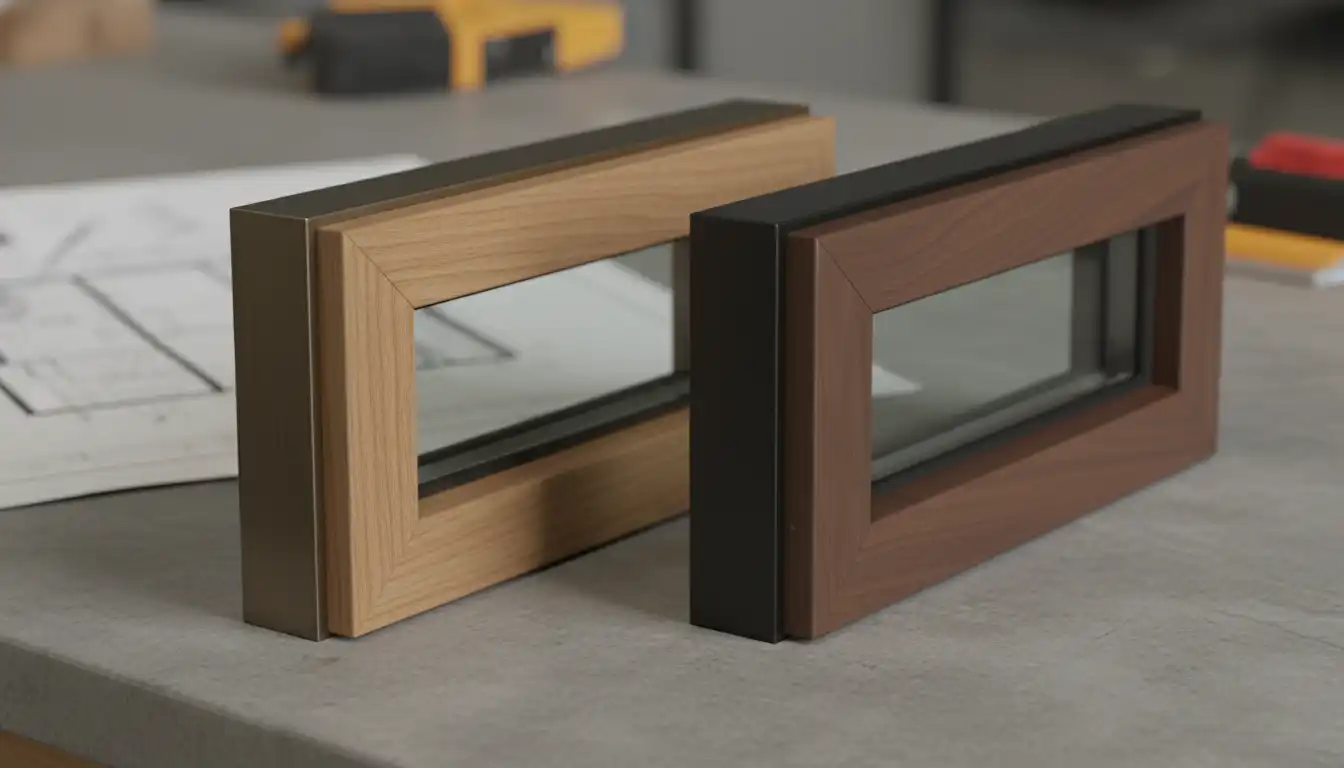
Both companies produce robust windows designed to last for decades. Marvin’s Ultrex fiberglass is exceptionally resistant to dents, scratches, and fading, making it a low-maintenance powerhouse. Their extruded aluminum cladding on the Signature and Elevate lines meets the rigorous AAMA 2605 standard for finish performance.
Sierra Pacific also uses heavy-duty extruded aluminum cladding, which is generally considered superior to the thinner roll-form aluminum used by some competitors. Their powder-coated finishes provide a thick, durable layer of color. Furthermore, their CoreGuard Plus™ wood treatment penetrates the wood, protecting it against rot and insects with an industry-leading warranty.
Energy Efficiency and Climate Performance
In today’s energy-conscious world, a window’s thermal performance is paramount. Both Marvin and Sierra Pacific are ENERGY STAR partners and offer a wide range of glazing options, including dual and triple-pane glass with various Low-E coatings and argon gas fill. These features help lower U-factor (heat loss) and Solar Heat Gain Coefficient (SHGC) to meet diverse climate needs.
A key, and often overlooked, factor in real-world performance is air infiltration. Well-engineered windows with tight seals prevent drafts, which can be a significant source of energy loss. Marvin’s Ultrex material, with its low thermal expansion, helps maintain these tight seals through extreme temperature fluctuations. Sierra Pacific’s multi-material H3 design also focuses on creating a robust weather seal to manage thermal changes effectively.
Aesthetic Options and Customization
Your windows are a defining architectural feature of your home. Marvin often takes the lead in customization, especially with its Signature collection, offering a vast array of wood species, interior and exterior finishes, hardware styles, and custom shapes and sizes. This flexibility makes it a favorite among architects and homeowners with unique design visions.
Sierra Pacific offers a very respectable range of options as well, with numerous exterior clad colors, multiple wood species like Ponderosa Pine and Douglas Fir, and a variety of hardware finishes. While perhaps not as boundless as Marvin’s top-tier offerings, their selection is more than sufficient for the vast majority of home styles, from traditional to contemporary.
Making upgrades to your home’s exterior often involves multiple projects. A window replacement can be a great time to address other elements, such as finally figuring out a solution for when your house doesn’t have a doorbell, enhancing both functionality and curb appeal at once.
At a Glance: Key Feature Comparison
To simplify the decision-making process, this table provides a high-level overview of how the two brands stack up across several critical categories. This allows for a quick assessment of which brand might better fit your immediate priorities.
| Feature | Sierra Pacific Windows | Marvin Windows |
|---|---|---|
| Primary Materials | Wood, Extruded Aluminum Clad, Vinyl, H3 Fusion (Wood/Vinyl/Aluminum) | Wood, Extruded Aluminum Clad, Ultrex Pultruded Fiberglass |
| Key Differentiator | “Seed to Window” vertical integration and sustainable forestry. | Proprietary Ultrex fiberglass material and extensive customization options. |
| Product Lines | Multiple lines including Aspen, Urban, and vinyl series. | Signature, Elevate, and Essential collections. |
| Exterior Finish | AAMA 2605 powder-coated aluminum in over 75 colors. | AAMA 2605 painted aluminum and durable Ultrex fiberglass finishes. |
| Energy Efficiency | High-performance Low-E glass options, ENERGY STAR certified. | Extensive Low-E glass options, ENERGY STAR certified across all climates. |
| Warranty | Strong warranty, including 30 years on AAMA 2605 finish and 20 years on wood components against rot. | Comprehensive warranty, typically 20 years on glass and 10 years on parts. |
| General Price Point | Often positioned as a strong value, potentially 15-20% less than Marvin’s premium lines. | Considered a premium-priced product, especially the Signature collection. |
The Financial Equation: Unpacking the True Cost
The sticker price of a window is only one part of its total cost. A smart homeowner considers the full financial picture, including upfront investment, potential energy savings, and the impact on the home’s long-term value. This holistic view ensures you’re not just buying a product, but making a sound financial investment.
Upfront Investment: Sticker Price vs. Reality
Generally, Marvin windows carry a premium price tag, reflecting their brand reputation, material technology, and customization depth. Their top-of-the-line Signature collection is one of the more expensive options on the market. The Elevate and Essential lines offer more accessible price points while still delivering Marvin quality.
Sierra Pacific is often seen as a high-value competitor in the premium space. For comparable wood-clad products, their prices can be significantly lower than Marvin’s premier lines, making them an attractive option for homeowners seeking top-tier features without the highest-end budget. Of course, final costs depend heavily on the specific product line, features, and local dealer pricing.
Long-Term Value and ROI
High-quality windows from either brand can deliver a substantial return on investment, typically recouping 60-70% of their cost at resale. New windows are a major selling point for potential buyers, signaling that a costly upgrade has already been handled. The enhanced curb appeal and improved energy efficiency further boost a home’s marketability.
Long-term value also comes from energy savings. By reducing heat transfer and eliminating drafts, high-performance windows can noticeably lower heating and cooling bills year after year. A poorly sealed window can lead to more than just high energy costs; drafts can sometimes create odd household issues, like noticing unexplained smells around the house as air moves through wall cavities.
Making the Right Choice for Your Home
The “better” window ultimately depends on your individual priorities, your home’s architectural style, and your regional climate. There is no single right answer, but there is a right answer for you. By carefully considering these factors, you can move from a state of confusion to one of confident decision-making.
Which Window is Best for Your Climate?
For homes in harsh climates with extreme temperature swings, Marvin’s Ultrex fiberglass is a compelling choice due to its dimensional stability. Because it expands and contracts very little, it helps maintain the integrity of the window’s seals over time. This is particularly valuable in regions with very hot summers and cold winters.
In coastal areas or regions with high humidity, Sierra Pacific’s CoreGuard Plus wood treatment provides excellent protection against moisture and rot. Their robust aluminum cladding is also well-suited to stand up to salt spray and intense sun, making them a durable option for challenging environments.
The Crucial Role of Installation
Even the most expensive, best-engineered window in the world will fail if installed improperly. A poor installation can lead to drafts, water leaks, and operational problems. Both Marvin and Sierra Pacific rely on networks of certified dealers and installers who are trained to fit their products correctly.
When vetting installers, ask about their certification, experience with the specific brand you’ve chosen, and their installation warranty. During a major renovation like a window replacement, the job site can become quite active. It’s wise to plan for protecting your property; some homeowners even undertake a drive-over cable protector DIY project to prevent damage to driveways and walkways from heavy equipment and contractor vehicles.
The Final Verdict: Sierra Pacific or Marvin?
After a detailed comparison, it’s clear that both Sierra Pacific and Marvin are excellent choices, but they cater to slightly different priorities. The final decision rests on what you value most in this significant home improvement project.
Choose Marvin if your top priorities are design flexibility, cutting-edge material technology, and brand reputation. If you have a unique architectural vision, need highly customized windows, or simply want the peace of mind that comes with a long-established industry leader, Marvin is likely the superior investment for you. Their Ultrex fiberglass material offers unmatched durability for those seeking a low-maintenance solution.
Choose Sierra Pacific if you are focused on sustainability, robust construction, and achieving a premium look at a more competitive price point. Their unique “Seed to Window” story is a powerful draw for the environmentally conscious, and their products offer fantastic performance and durability. For many homeowners, Sierra Pacific delivers 95% of the aesthetic and functional benefits of the most expensive brands at a more accessible cost, representing an outstanding overall value.
