
Side Hall Colonial Floor Plan: The #1 Layout Making a Comeback
The classic side hall colonial boasts timeless charm, but its traditional floor plan can feel dated and restrictive for modern lifestyles. Homeowners often grapple with a layout that feels compartmentalized, featuring a narrow entryway, a small kitchen isolated from living areas, and a formal living room that rarely gets used. This segmented design can hinder family interaction and make entertaining guests feel awkward and disjointed.
These challenges stem from a design philosophy of a bygone era, prioritizing formal separation over open, connected living. The result is often poor traffic flow, limited natural light, and a sense of being boxed in. If you find yourself navigating these frustrations, you’re not alone, but the solution isn’t to abandon this beloved architectural style. It’s time to rethink and reclaim the side hall colonial for the way we live today.
You'll Learn About
Unlocking the Potential: Why the Side Hall Colonial is Worth a Second Look
Before diving into modern solutions, it’s essential to appreciate the inherent strengths of the side hall colonial. This design, characterized by its asymmetrical facade with the main entrance to one side, offers a unique charm and practicality that center hall colonials lack. The off-center hallway creates distinct living zones, offering a degree of privacy that is often lost in completely open-concept homes.
The typical layout places the living room to one side of the hall and the dining room and kitchen to the other, with bedrooms located on the second floor. This separation of public and private spaces is a hallmark of the design. However, the very walls that create this separation are also the source of its modern-day challenges, leading to isolated rooms and a cramped feeling, especially in the high-traffic areas of the kitchen and entryway.
The Core Problem: A Floor Plan at Odds with Modern Living
The fundamental issue with the traditional side hall colonial floor plan is its incompatibility with the contemporary desire for open, light-filled spaces that encourage togetherness. Families no longer live in a series of separate, formal rooms. Today’s lifestyle demands a seamless flow between the kitchen, dining, and living areas, creating a central hub for daily activities and social gatherings.
Many homeowners find their side hall colonial works against them. The kitchen, often small and tucked away, becomes a bottleneck during meal prep. The formal dining room sits unused most of the year, and the narrow side hall itself can be an unwelcoming first impression. These limitations can make an otherwise beautiful and well-built house feel functionally obsolete.
The Modern Solution: Reimagining the Side Hall Colonial Floor Plan
The key to transforming a side hall colonial lies in strategic renovation and thoughtful reconfiguration. By removing specific walls and rethinking the purpose of each room, you can create an open, airy, and highly functional living space that respects the home’s original character while embracing modern design principles. The goal is to improve flow, increase natural light, and create a home that truly supports your lifestyle.
This process often involves combining the kitchen and dining room into a single, large eat-in kitchen or opening the wall between the kitchen and the living room. These changes can dramatically alter the feel of the entire first floor, creating the open-concept layout that so many homeowners crave. It’s about making the house work for you, not the other way around.
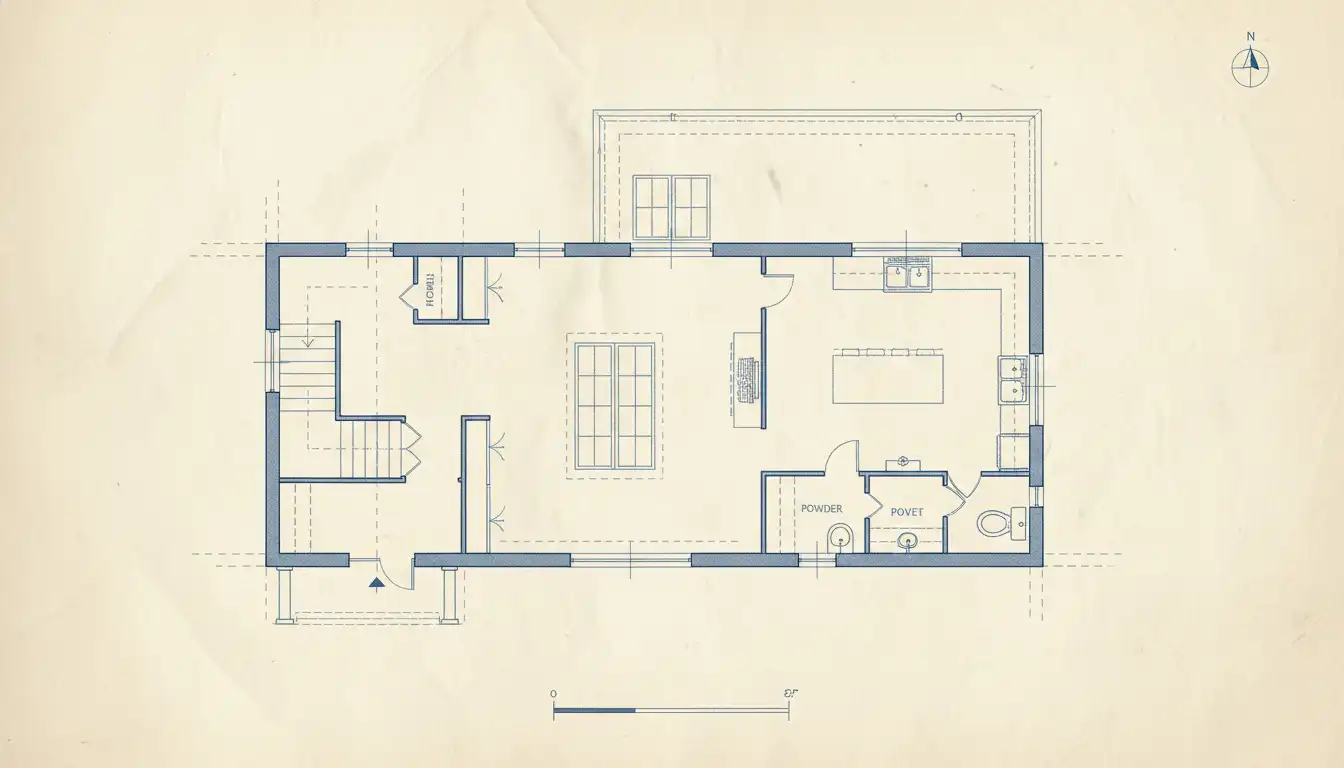
Creating an Open-Concept Kitchen and Dining Area
One of the most impactful renovations for a side hall colonial is removing the wall between the kitchen and the dining room. This single change can instantly create a spacious, light-filled area that becomes the heart of the home. This new, larger space can accommodate a generous kitchen island, providing extra counter space, storage, and a casual spot for family and guests to gather.
With the wall gone, the former dining area can be seamlessly integrated into the kitchen, creating a cohesive space for both cooking and eating. This layout is perfect for casual family meals and for entertaining, as the host is no longer isolated from the guests. To define the dining space within the larger room, consider using a distinct light fixture or an area rug.
Connecting the Kitchen to the Living Room
Another popular solution is to create a connection between the kitchen and the family or living room. Depending on structural limitations, this could involve completely removing the wall or creating a large cased opening. This approach maintains a slight sense of separation while still allowing for easy conversation and movement between the two most-used rooms in the house.
This connection transforms the dynamic of the main floor, creating a more inclusive and social environment. It allows parents to supervise children in the living room while preparing meals and makes it easier to host gatherings where guests can move freely between spaces. The choice between a full or partial opening depends on your preference for openness versus defined zones.
Beyond the Kitchen: Repurposing Formal Spaces
The traditional side hall colonial often includes a formal living room at the front of the house that sees little use. In an era of casual living, this space presents a prime opportunity for repurposing. Instead of letting it remain a pristine but empty room, consider transforming it into a space that better suits your family’s needs.
This could be a dedicated home office, a cozy library, a playroom for the kids, or even a ground-floor guest bedroom. By giving this room a clear and practical function, you can reclaim valuable square footage and enhance the overall livability of your home. Thoughtful design choices, like adding built-in shelving for a library or French doors for a home office, can make the new space feel both intentional and integrated.
The Evolving Role of Interior Doors
As you open up your floor plan, the style of your interior doors becomes even more important for defining the character of your home. They are no longer just functional barriers but key design elements that contribute to the overall aesthetic. When considering updates, many homeowners find themselves weighing options like 2 panel vs 6 panel doors to complement the colonial style while fitting a modernized interior.
Six-panel doors are a traditional choice that aligns perfectly with classic colonial architecture. However, in a newly opened and more transitional space, a simpler two-panel door can offer a cleaner, more updated look without straying too far from the home’s historical roots. The right door style can help bridge the gap between old and new.
Addressing Structural and Design Details
When undertaking a renovation of this scale, it’s crucial to consider the details that will ensure a successful and cohesive outcome. Removing walls often requires consulting with a structural engineer to determine which are load-bearing and what kind of support beams will be needed. This is not a step to be skipped, as the structural integrity of your home depends on it.
From a design perspective, consistency is key. Flooring should be uniform throughout the newly opened spaces to create a sense of continuity. Lighting should be layered, with a mix of recessed, pendant, and task lighting to properly illuminate the larger, multi-functional area. These details are what elevate a simple renovation into a truly transformative project.
Modernizing with Timeless Finishes
While the goal is to create a more modern floor plan, the finishes you choose should still honor the home’s colonial heritage. For the kitchen, consider cabinetry styles that offer a nod to tradition, such as Shaker-style doors. Pairing these with modern hardware and countertops can create a beautiful transitional look.
Similarly, for cabinetry and built-ins, exploring classic wood tones can add warmth and character. For instance, finishes like Spanish oak cabinets can provide a rich, timeless feel that complements both traditional and contemporary design elements. It’s about finding the right balance between honoring the past and embracing the present.
| Renovation Strategy | Primary Goal | Average Cost (Estimate) | Key Considerations |
|---|---|---|---|
| Remove Kitchen/Dining Wall | Create a large, open-concept kitchen and eating area. | $3,000 – $10,000+ | Structural engineer needed for load-bearing walls. Requires flooring and ceiling patches. |
| Create Opening to Living Room | Improve flow and connection between kitchen and family space. | $2,500 – $7,000 | Size of opening impacts cost. Beam installation may be necessary. |
| Repurpose Formal Living Room | Add functional space like a home office or playroom. | $1,500 – $8,000 | Consider adding French doors for privacy or built-ins for storage. |
| Widen Hallway Openings | Improve traffic flow and create a more gracious entry. | $1,000 – $4,000 | Can make a small hallway feel significantly larger and more open. |
Maximizing Light and Space
The compartmentalized nature of a side hall colonial can often make it feel dark. As you open up the floor plan, take the opportunity to maximize natural light. Consider enlarging existing windows or adding new ones, particularly on the rear wall of the house. A larger patio door or French doors leading to the backyard can flood the new open-concept space with light.
Don’t overlook the impact of architectural details. For example, if your home features dated elements like arched windows, you might wonder, “Are half moon windows outdated?” While they can be a charming feature, if they don’t fit your modernized aesthetic, there are ways to update or replace them to better suit the new interior design and improve light quality.
Final Thoughts: A Floor Plan Reborn
The side hall colonial floor plan, with its classic roots and inherent charm, does not have to be a relic of the past. By strategically removing walls, repurposing underused spaces, and updating finishes, you can transform this traditional layout into a modern masterpiece. The result is a home that honors its architectural heritage while providing the open, connected, and light-filled spaces that today’s families desire.
This thoughtful approach to renovation allows you to enjoy the best of both worlds: the timeless appeal of a colonial home and the functionality of a floor plan designed for contemporary living. It’s a project that not only enhances your daily life but also adds significant value to your property, proving that with the right vision, classic design can be reborn.
