
Shower Body Jets: Worth It? The Pros and Cons Exposed
The dream of a spa-like retreat in your own home often starts in the bathroom. Homeowners are constantly searching for ways to elevate their daily routines from mundane tasks to luxurious experiences. This desire has led to a surge in popularity for high-end fixtures that promise to transform a standard shower into a personal wellness center.
Among the most coveted of these upgrades are shower body jets. These small, powerful sprayers are designed to provide a full-body hydro-massage, seemingly bringing the pinnacle of spa treatment right into your home. But beyond the glossy brochures and showroom appeal lies a critical question: are they a worthwhile investment or an expensive feature that’s more trouble than it’s worth?
You'll Learn About
What Exactly Are Shower Body Jets?
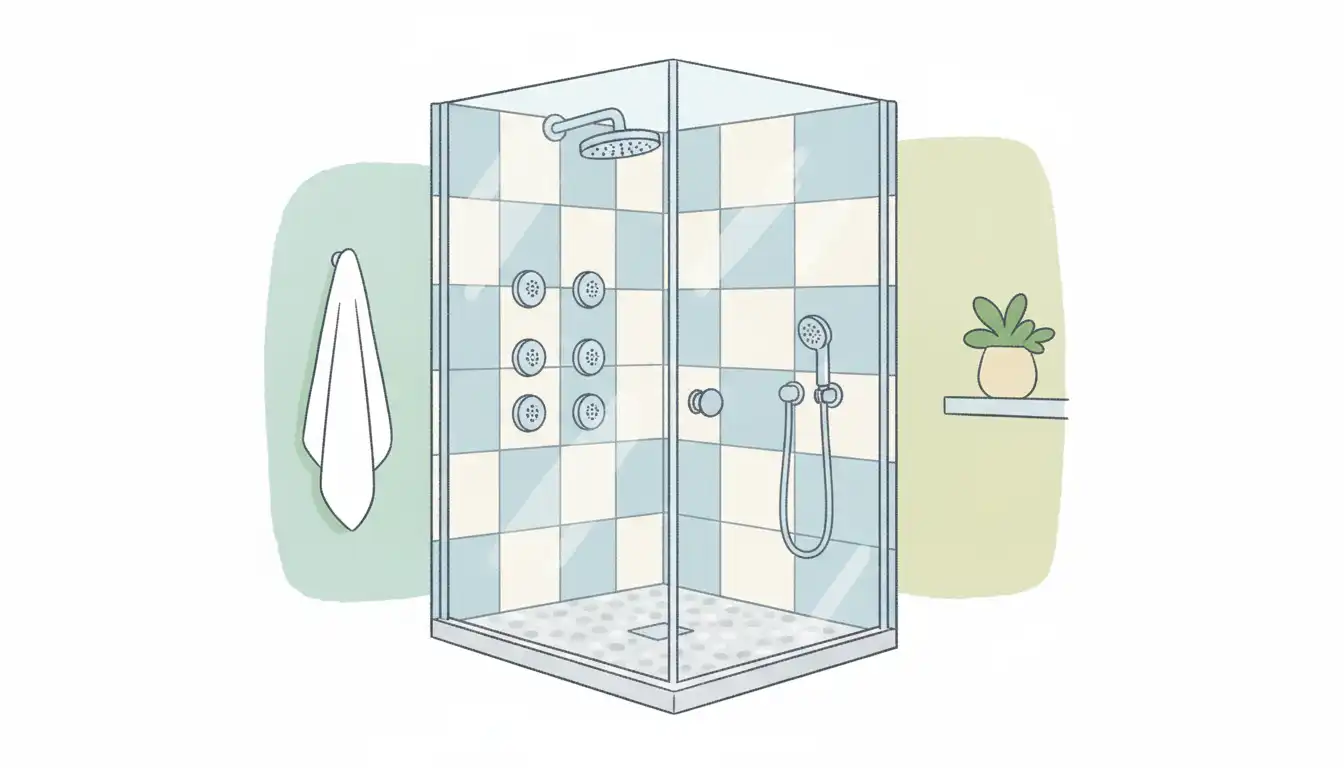
Shower body jets, also known as body sprays, are essentially small showerheads installed directly onto the shower walls. Unlike a traditional overhead shower that directs water downwards, body jets are positioned to spray water horizontally, targeting different areas of the body simultaneously. This creates an immersive, all-encompassing water experience designed for relaxation and therapeutic benefits.
These systems can range from a simple two-jet setup to elaborate configurations with six or more sprays. Many modern jets are adjustable, allowing users to pivot the nozzle and control the spray’s direction and even the pattern—from a gentle mist to a powerful, pulsating massage. They are a key component in turning a functional space into one of indulgence and escape.
The Pros: Why You Might Love Shower Body Jets
The allure of body jets is powerful, and for good reason. They offer a unique set of benefits that can significantly enhance your daily shower, turning it into something you genuinely look forward to.
Unmatched Spa-Like Luxury at Home
The primary advantage of shower body jets is the incredible, spa-like experience they provide. The targeted water streams act as a form of hydrotherapy, delivering a gentle massage that can help soothe sore muscles, relieve tension, and promote relaxation after a long day. This feature transforms a routine shower into a therapeutic session, making your bathroom a personal wellness retreat.
A True Full-Body Clean
With traditional showers, you constantly have to turn and adjust to rinse soap and shampoo from your body. Body jets solve this problem by providing comprehensive water coverage from multiple angles at once. This ensures a faster, more efficient, and more thorough rinse, leaving you feeling cleaner and more refreshed.
Highly Customizable Experience
Modern body jet systems offer a high degree of personalization. Users can often adjust the pressure, direction, and even the spray pattern of each jet. This allows different members of the household to tailor the shower to their specific preferences, whether they need a gentle spray for sensitive skin or a powerful massage for aching muscles.
Increased Home Value
A bathroom renovation is one of the most effective ways to increase your home’s value, and luxury features are a major selling point. A well-installed shower system with body jets is seen as a high-end upgrade that can make your property more attractive to potential buyers who are looking for modern, spa-like amenities.
The Cons: The Hidden Downsides of Body Jets
Despite their appeal, shower body jets are not without significant drawbacks. These potential problems are often overlooked in the excitement of a remodel but can lead to regret if not carefully considered beforehand.
Complex and Costly Installation
This is perhaps the biggest hurdle for most homeowners. Unlike a simple showerhead swap, installing body jets is a complex plumbing job that almost always requires a professional. The process involves opening up walls to run multiple new water lines, installing new valves, and ensuring everything is perfectly sealed and waterproofed. If you are wondering if plumbers handle this kind of installation, the answer is a definitive yes, and it’s not a DIY-friendly project.
Significant Water Consumption
A standard showerhead has a flow rate of around 2.5 gallons per minute (GPM). Each body jet can add another 1.0 to 2.5 GPM to that total. A system with four body jets plus a main showerhead could easily consume over 10 GPM. This drastic increase in water usage will lead to noticeably higher water and energy bills, as your water heater works overtime to keep up.
Water Pressure and Heater Woes
This is the most critical and often underestimated technical challenge. Most homes do not have the plumbing infrastructure to support a multi-jet shower system right out of the box. For body jets to work effectively, you need consistently high water pressure, typically between 40 and 60 PSI. If your home’s pressure is low, the jets will deliver a weak, unsatisfying spray. Furthermore, your existing water heater may not be able to supply enough hot water to run all the jets for more than a few minutes. Many installations require a new, larger water heater or a dedicated tankless heater to meet the demand.
Maintenance and Cleaning Headaches
More fixtures mean more places for problems to arise. Body jets, with their small nozzles, are particularly susceptible to clogging from hard water mineral deposits and limescale. This buildup can disrupt water flow and requires regular, meticulous cleaning to keep the system running optimally. Neglecting this maintenance can lead to poor performance and a shortened lifespan for the fixtures.
Pros vs. Cons at a Glance
To simplify the decision, here is a direct comparison of the key factors to consider.
| Feature | Pros | Cons |
|---|---|---|
| Experience | Spa-like hydrotherapy, muscle relaxation, and a luxurious feel. | Can be an underwhelming trickle if water pressure is insufficient. |
| Installation | Adds significant aesthetic and resale value to your home. | Complex, invasive, and expensive; requires professional plumbing. |
| Water Usage | Provides a quick and thorough full-body rinse. | Drastically increases water and energy consumption, leading to higher utility bills. |
| Plumbing Requirements | Modern systems offer customizable sprays and controls. | Requires high water pressure and often a water heater upgrade. |
| Maintenance | Creates a sleek, modern, and high-end bathroom aesthetic. | Prone to clogging from hard water; requires frequent cleaning. |
Key Considerations Before You Buy
If you’re still captivated by the idea of body jets, it’s crucial to move forward with a clear understanding of what’s required. Proper planning can be the difference between a dream shower and a daily frustration.
Assess Your Home’s Plumbing First
Do not skip this step. Before you even look at fixtures, you must evaluate your home’s plumbing system. Use a pressure gauge (available at any hardware store) to test your water pressure; you need a sustained 45-75 PSI for most systems to work well. You also need to assess your water heater. Calculate the total GPM of the entire desired system (showerhead + all jets) and ensure your water heater can supply that volume of hot water for a reasonable length of time.
Strategic Placement is Everything
The placement of your body jets is not just an aesthetic choice—it’s a functional one. For maximum therapeutic benefit, jets should be positioned to target major muscle groups like the shoulders, mid-back, and lower back. Consider the heights of all users in the household to ensure the jets are placed effectively for everyone. Many experts recommend installing them on the wall opposite the controls, allowing you to stand comfortably in the spray without being too close to the handles.
Choosing the Right Type of Jets
Body jets come in various types and styles. Some are embedded flush with the wall for a minimalist look, while others are wall-mounted. They can be made from brass, stainless steel, or plastic and come in finishes to match your other fixtures. Pay attention to the spray technology; some offer pulsating massage functions while others provide a more gentle, aerated stream. If you’re looking for a different kind of luxurious experience, you might also compare the feeling of body jets to that of a high-quality rain shower head versus a regular one.
Budgeting for the Full Project
The price of the jets themselves is only one part of the total cost. Your budget must account for the professional plumber’s labor, the cost of a new thermostatic valve (which is essential for maintaining water temperature with multiple outlets), potential new tiling, and possibly a new water heater or a booster pump to increase pressure. Underestimating these associated costs is a common mistake that can derail a bathroom renovation project.
The Verdict: Are Shower Body Jets Right for You?
Shower body jets can be a spectacular addition to a bathroom, offering a level of luxury and relaxation that few other fixtures can match. They provide genuine therapeutic benefits and can make your daily shower the best part of your day. However, this luxury comes with a significant set of demands.
Ultimately, shower body jets are worth it for homeowners who prioritize a daily spa experience, have the budget for a professional and potentially extensive installation, and whose home has the robust plumbing infrastructure to support it. For those on a tighter budget or in homes with older plumbing, the potential for high costs, disappointing performance, and ongoing maintenance may outweigh the benefits. Sometimes, undertaking a large-scale project like this makes the most sense during a complete remodel, such as when you might add a shower to an existing Jacuzzi tub and are already reconfiguring the plumbing.
Before you commit, do your research, get a thorough plumbing assessment, and weigh the pros and cons carefully. With the right preparation, body jets can be a fantastic investment in your home and your well-being. Without it, they can become a source of expensive disappointment.
