
Shiny Black Beetle with Red Spot on Back: Friend or Foe?
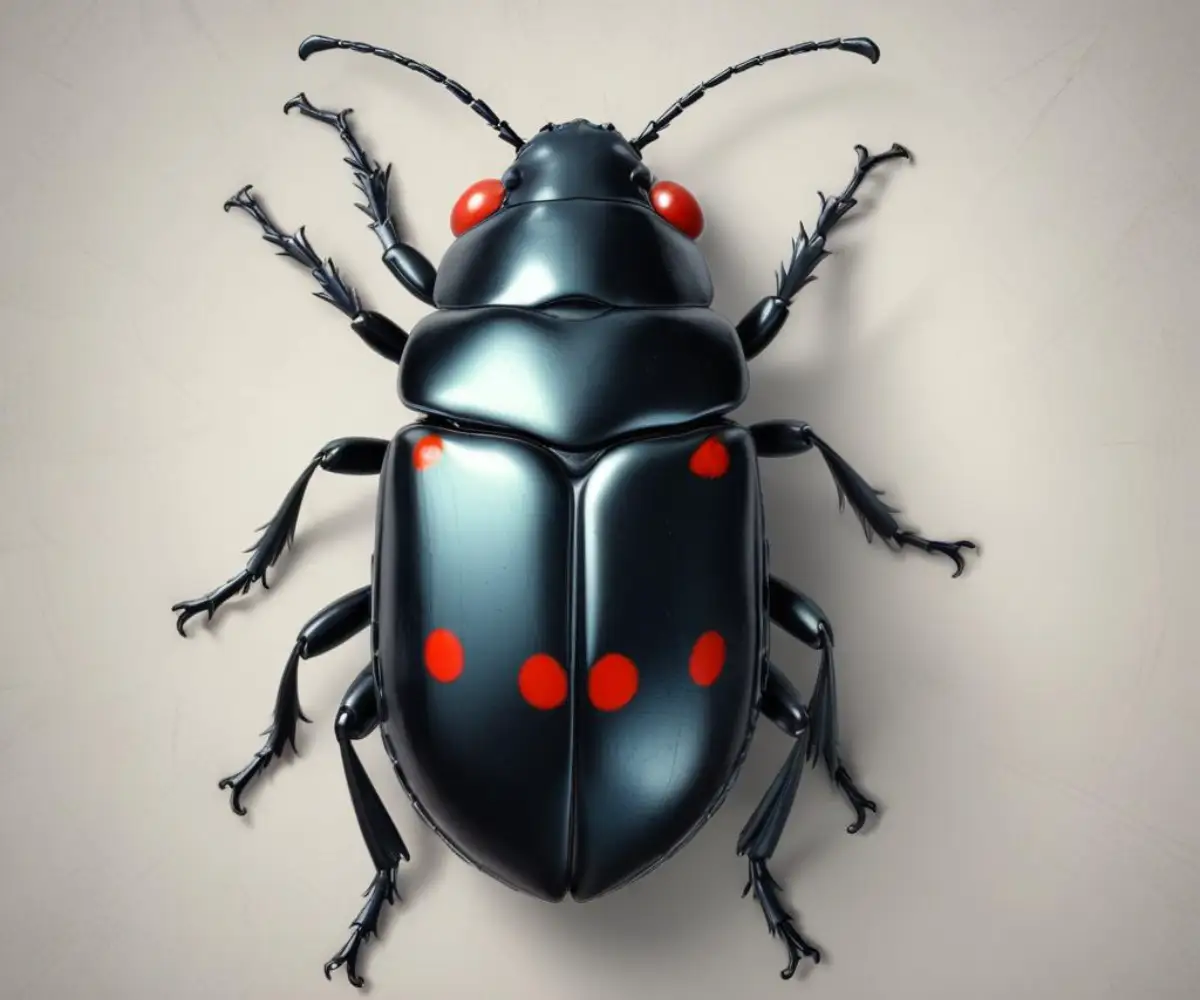
You spot it while tending to your prize-winning roses or examining your vegetable patch: a small, shiny black beetle with a distinct red spot on its back. The immediate question that springs to mind for any diligent gardener is, “Is this insect a friend or a foe?” Misidentification can lead to eliminating a beneficial predator or allowing a destructive pest to thrive.
Understanding the identity and role of this mystery beetle is crucial for maintaining a healthy garden ecosystem. This guide will walk you through identifying the most likely candidates, determining their impact on your garden, and providing actionable steps to either encourage their presence or manage their population responsibly.
You'll Learn About
Identifying the Mystery Beetle: Common Suspects
While many insects can fit the description of a “shiny black beetle with a red spot,” in most North American home and garden settings, you are likely encountering one of a few specific species. Correct identification is the first and most critical step in determining your course of action.
The Twice-Stabbed Lady Beetle: A Garden’s Best Friend
The most common and beneficial insect fitting this description is the Twice-Stabbed Lady Beetle (Chilocorus stigma). This small, dome-shaped beetle is entirely black, save for two prominent red spots on its wing covers (elytra). These powerful predators are a welcome sight in any garden. Their primary diet consists of destructive scale insects, which can cause significant damage to ornamental plants, fruit trees, and citrus.
These lady beetles possess strong mouthparts that can chew through the tough, armored coverings of scale insects. By controlling scale populations, they help prevent the yellowing of leaves, stunted growth, and the sooty mold that often accompanies scale infestations. Recognizing this beetle as an ally is paramount for any gardener aiming to use fewer pesticides.
Potential Pests: Differentiating from Stink Bug Nymphs
While less common, some insects that are detrimental to gardens can be mistaken for our beneficial beetle. Certain species of stink bugs, particularly in their nymphal (juvenile) stages, can be black with red or orange markings. For instance, the nymph of the Brown Marmorated Stink Bug has a different body shape—flatter and more shield-like—than the dome shape of a lady beetle.
The key difference is in their feeding habits. Stink bugs have piercing-sucking mouthparts and feed on plant juices, often damaging fruits and vegetables. If you suspect you have a stink bug nymph, observe its shape and behavior. They are generally considered pests, and their management requires a different approach than that for beneficial beetles.
Rare Lookalikes and Other Possibilities
Other insects, like certain leaf beetles or even the Boxelder Bug, might be described as black and red. However, these typically have different patterns, such as red lines instead of spots, and different body shapes. The Boxelder Bug, for instance, is more elongated and often congregates in large numbers on sunny walls. Taking a moment for careful observation will almost always lead you back to the likely identity: the highly beneficial Twice-Stabbed Lady Beetle.
Friend vs. Foe: A Comparative Look
To help you make a quick and accurate identification, here is a breakdown of the key differences between your garden’s potential friend and a common foe.
| Feature | Twice-Stabbed Lady Beetle (Friend) | Stink Bug Nymph (Foe) |
|---|---|---|
| Appearance | Dome-shaped, shiny black body with two distinct red spots. | Flatter, shield-shaped body, often with more complex red/orange and black patterns. |
| Diet | Predator: Feeds on scale insects, aphids, mites, and other soft-bodied pests. | Herbivore: Feeds on plant juices from leaves, stems, and fruit. |
| Garden Impact | Highly beneficial. Provides natural pest control. | Damaging. Causes stippling on leaves and blemishes on fruit. |
| Control Method | Attract and protect. No control is needed. | Manual removal or targeted use of insecticidal soaps. |
The Verdict: A Sign of a Healthy Ecosystem
In the vast majority of cases, finding a shiny black beetle with a red spot on its back is a positive sign. It indicates that your garden has a functioning ecosystem where natural predators are present to keep pest populations in check. This is the cornerstone of a sustainable gardening practice known as Integrated Pest Management (IPM).
IPM prioritizes natural and biological controls over chemical interventions. Beneficial insects like the Twice-Stabbed Lady Beetle form the foundation of this approach. Rather than reaching for a broad-spectrum pesticide that will kill both pests and beneficials, the goal is to create an environment where these helpful predators can thrive.
How to Attract and Protect Beneficial Beetles
Now that you’ve identified this beetle as a valuable garden ally, the next step is to encourage it and others like it to make your garden their permanent home. Creating a welcoming habitat is simpler than you might think and yields long-term benefits for the health and productivity of your plants.
Create a Diverse and Welcoming Habitat
A garden with a wide variety of plants is more resilient and attractive to beneficial insects. Many predatory insects, including lady beetles, consume pollen and nectar as adults to supplement their diet. Planting a mix of flowers and herbs will provide a consistent food source for them.
Consider adding plants with small, clustered flowers, which are particularly accessible to these beetles. Good choices include yarrow, dill, fennel, cilantro, and sweet alyssum. These plants not only support your beneficial insect population but can also add beauty and culinary value to your garden.
Provide a Reliable Water Source
Insects, like all living creatures, need water to survive, especially during hot, dry periods. Providing a shallow source of water can make your garden a much more attractive habitat. A simple birdbath with some stones or marbles placed in it can serve as a safe drinking spot for beetles and bees, allowing them to land without the risk of drowning.
Even a shallow dish filled with pebbles and water, refreshed regularly, can make a significant difference. Making your garden a one-stop shop for food, shelter, and water ensures that beneficial insects will not only visit but will also stay and reproduce.
Eliminate or Reduce Pesticide Use
The single most important step you can take to protect beneficial beetles is to avoid broad-spectrum pesticides. These chemical sprays are indiscriminate, killing helpful predators just as effectively as they kill pests. The loss of these natural enemies can lead to a rebound effect, where pest populations surge back even stronger than before, creating a cycle of dependency on chemical treatments.
When pest issues arise, always opt for the least toxic solution first. Often, a strong jet of water from the hose is enough to dislodge aphids, while larger pests can be picked off by hand. Ensuring your home’s exterior is well-maintained is another proactive step. Knowing how to reattach siding that blew off not only protects your house but also seals potential entry points for pests seeking shelter.
What If It’s a Pest? Managing Unwanted Insects
On the rare occasion that you have correctly identified a pest insect, a targeted and responsible management approach is key. The goal is to control the pest population without disrupting the broader ecosystem you are working to support.
Confirmation is Still Key
Before taking any action, be absolutely certain of your identification. If you are unsure, take a clear photo and consult with a local university extension service or an online gardening forum. Misidentifying a beneficial insect as a pest is a common and costly mistake.
Manual and Mechanical Removal
For small-scale infestations of pests like stink bugs or Japanese beetles, manual removal is often the most effective and eco-friendly option. Simply hand-pick the insects off your plants and drop them into a bucket of soapy water. This method is precise and has zero impact on non-target species.
For larger infestations, a handheld or shop vacuum can be used to quickly remove the pests from plant foliage. This is particularly effective for insects that congregate in groups.
Eco-Friendly Control Products
If a pest problem becomes too large to manage manually, consider using targeted, eco-friendly products. Insecticidal soaps and neem oil are excellent options. These products work on contact and must directly coat the insect to be effective, which significantly reduces their impact on beneficial insects that may be visiting the plant later.
Always apply these products in the early morning or late evening when beneficial insects are less active. Read and follow the label directions carefully to ensure they are used safely and effectively. Aesthetic choices in your garden can also contribute to pest management; painting structures a color like a white dove with Chantilly lace trim can make it easier to spot pests against a light background.
Beyond Identification: Understanding the Garden Food Web
Observing insects in your garden offers a window into a complex and fascinating ecological system. Moving beyond the simple “good bug vs. bad bug” mindset allows for a deeper appreciation of the roles different creatures play. Every insect, even a pest, is a food source for another organism.
Understanding the life cycles of these insects can also provide a strategic advantage. For instance, knowing when beetle grubs are most active in the soil can help you time treatments like beneficial nematodes for maximum effect. This seasonal timing, known as phenology, helps you work with nature’s rhythms rather than against them. Building a healthy garden involves more than just plants; it’s about curating a balanced and thriving ecosystem. Even your choice of home building materials can play a role; understanding the difference between Pella 150 and 250 windows, for instance, relates to how well your home is sealed from outdoor elements and potential pests.
Conclusion: Embrace Your Garden’s Guardian
The discovery of a shiny black beetle with a red spot on its back should be a moment of reassurance, not alarm. More often than not, you have found a Twice-Stabbed Lady Beetle, a tireless predator that provides free and continuous pest control. By recognizing this insect as a friend, you take a significant step toward becoming a more observant and ecologically-minded gardener.
Embrace the presence of this and other beneficial insects. Cultivate a diverse and pesticide-free environment to support them. In doing so, you will not only solve many common pest problems naturally but also create a more vibrant, resilient, and fascinating garden space.
