
Your Sherwin Williams Duration Paint Job Failing? Here’s Why
Sherwin Williams Duration is a premium paint line with a reputation for toughness and longevity. Homeowners and contractors often choose it for high-traffic areas and challenging environments, expecting a flawless, long-lasting finish. But what happens when this top-tier paint doesn’t perform as expected? You might be staring at a wall with streaks, bubbles, or poor coverage, wondering what went wrong.
The frustration is understandable, especially after investing time and money into a product known for its quality. The truth is, even the best paints can fail. This guide uncovers the hidden reasons behind common Sherwin Williams Duration paint problems and provides a clear, actionable plan to prevent and fix them for a perfect finish every time.
You'll Learn About
Uncovering Common Sherwin Williams Duration Paint Problems
While Duration is a high-performance paint, users sometimes report specific issues that can derail a project. Understanding these common complaints is the first step toward diagnosing the root cause. From frustrating application quirks to disappointing final finishes, these are the problems that can turn a simple paint job into a major headache.
Bubbling and Peeling: The Nightmare Scenario
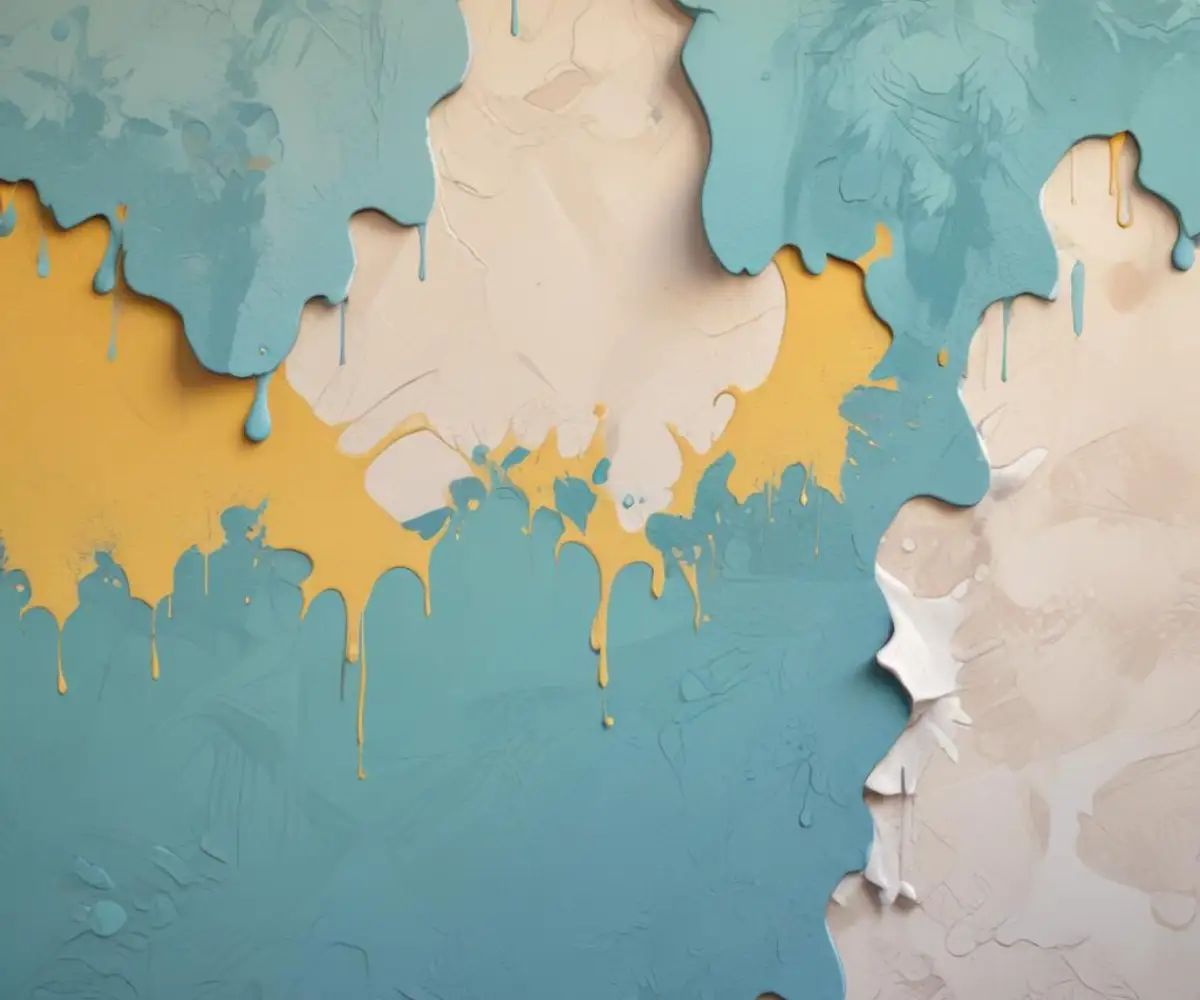
Perhaps the most alarming issue is when paint bubbles or peels away from the surface. This signifies a total loss of adhesion, where the paint film lifts because it never properly bonded to the wall or the layer beneath it. This problem often appears days or even weeks after the paint has dried, creating a visual disaster that requires significant rework.
Peeling can range from small flakes to large sheets of paint detaching from the wall. Bubbling is often a precursor, indicating trapped air or moisture pushing the paint away from the substrate. Both issues point to a fundamental failure in the painting process, which is almost always linked to preparation or environmental conditions.
Poor Coverage and Hide: When “Paint and Primer in One” Isn’t Enough
Duration is marketed as a “paint and primer in one,” leading many to believe it can cover any surface in a single coat. However, a frequent complaint is poor “hide,” or the paint’s inability to completely obscure the underlying color. This is especially common when painting a light color over a very dark one, often requiring three or more coats to achieve a solid, even finish.
This issue can be frustrating and costly, as it requires more paint and labor than anticipated. While Duration is a thick-bodied paint, its ability to cover in one or two coats depends heavily on the color contrast and the condition of the surface being painted. Assuming it will perform miracles over any background is a common path to disappointment.
Streaks, Flashing, and Lap Marks: The Quest for a Uniform Finish
Achieving a perfectly uniform sheen is the goal of any paint job, but streaks and lap marks can ruin the effect. “Flashing” occurs when the paint dries with an inconsistent sheen, making some spots look glossy and others dull. “Lap marks” are visible lines where you’ve overlapped a freshly painted area with one that has already started to dry.
These issues are particularly noticeable with darker colors and higher sheens like satin or semi-gloss. They often result from improper application techniques, such as not maintaining a “wet edge” or using the wrong type of roller. The thick consistency of Duration can make it dry quickly, increasing the risk of these uniformity problems if not applied correctly and efficiently.
The Real Culprits: Why Your Duration Paint Job Is Failing
While it’s easy to blame the paint in the can, most problems with Sherwin Williams Duration stem from external factors. The vast majority of paint failures are due to errors in preparation and application, not a defective product. Understanding these critical elements is the key to unlocking the high-performance finish Duration is designed to deliver.
Surface Preparation: The Foundation of Paint Adhesion
Think of surface preparation as the foundation of your paint job. If the foundation is weak, the entire structure will fail. Proper surface preparation is the single most important factor in preventing paint problems.
Surfaces must be completely clean, dry, and dull before painting. Any contaminants like dust, grease, soap residue, or moisture will prevent the paint from bonding correctly, leading directly to peeling and bubbling. This is why you should never skip the crucial step of thoroughly cleaning walls, typically with a TSP (trisodium phosphate) substitute, followed by a clean water rinse.
Application Errors: Technique Matters More Than You Think
Duration is a thicker, heavier-bodied paint, which can be less forgiving than thinner formulas. Its consistency requires specific application techniques to avoid common pitfalls. Using the wrong tools or methods can quickly lead to an unprofessional finish.
Over-brushing or over-rolling the paint, for example, can cause it to dry too quickly and create texture or streaks. It’s also vital to use a high-quality roller cover with the correct nap length for your surface—typically 3/8″ to 1/2″ for most interior walls. Applying the paint too thinly will result in poor coverage, while applying it too heavily can lead to sagging and an uneven texture.
Environmental Factors: The Invisible Saboteurs
Temperature and humidity play a critical role in how paint dries and cures. Painting in the wrong conditions can sabotage your project before the paint even touches the wall. Latex paints like Duration need specific conditions to form a durable, continuous film.
Avoid painting when the temperature is below 50°F (10°C) or if high humidity is expected. Cold temperatures prevent the paint polymers from coalescing properly, resulting in poor adhesion and durability. High humidity slows down the drying time, which can lead to problems like surfactant leaching, where brownish, oily streaks appear on the surface.
Your Action Plan: Preventing and Fixing Duration Paint Problems
Knowledge is power, and now that you understand the common causes of Duration paint problems, you can take control of your project. Whether you’re about to start painting or need to fix a job that’s gone wrong, this action plan provides the solutions you need for a flawless, professional-looking result.
The Proactive Approach: A Checklist for a Flawless Finish
Prevention is always the best strategy. Before you even open a can of Duration, follow this checklist to set your project up for success. Taking these steps meticulously will save you from the headache of future repairs.
- Clean and Prep Thoroughly: Wash walls with a TSP substitute to remove all grease and grime. Scrape any existing loose paint and sand glossy surfaces to create a dull profile for the new paint to grip.
- Prime When Necessary: While Duration is self-priming on previously painted surfaces, a dedicated primer is essential for new drywall, bare wood, glossy surfaces, or when making a drastic color change. This ensures proper adhesion and better coverage.
- Use Quality Tools: Invest in a high-quality synthetic brush (nylon/polyester) and a premium microfiber roller cover with the appropriate nap size. The right tools make a significant difference in the final appearance.
- Control Your Environment: Paint when the temperature is between 50°F and 85°F. Ensure good ventilation to help with drying but avoid drafts that can cause the paint to dry too quickly.
- Maintain a Wet Edge: Work in manageable sections, always rolling from an unpainted area into the wet edge of the section you just painted. This technique is crucial for preventing lap marks and achieving a seamless finish. For anyone tackling a unique surface like a brick wall, understanding how paint interacts with masonry is crucial; one misstep can cause lasting issues, much like the problems discussed here, but you can learn how to paint your brick retaining wall without making a costly mistake.
The Reactive Fix: A Troubleshooting Guide
If you’re already facing problems with a finished paint job, don’t panic. Most issues can be corrected, though it may require some patience and effort. The following table provides a quick guide to identifying and solving the most common Duration paint problems.
| Problem | Likely Cause | Solution |
|---|---|---|
| Bubbling/Peeling | Moisture or contamination under the paint film; poor surface prep. | Scrape and sand all loose paint until you reach a sound, stable surface. Clean the area, prime the bare spots, and allow it to dry completely before repainting. |
| Poor Coverage | High color contrast; not using a tinted primer; paint applied too thinly. | Apply another coat, ensuring you are loading the roller sufficiently. For drastic color changes, apply a coat of tinted primer before your finish coats. |
| Streaks/Lap Marks | Paint drying too fast; not maintaining a wet edge; inconsistent roller pressure. | Lightly sand the entire wall to smooth out the texture. Clean off the dust and apply one final, continuous coat, working quickly and maintaining a wet edge. |
| Surfactant Leaching | Painting in high humidity or cool temperatures; exposure to moisture before curing. | Gently wash the oily or brownish streaks with a soft cloth, soap, and water. The leaching should stop once the paint fully cures (which can take up to a month). |
Beyond the Basics: Advanced Insights into Paint Failure
Sometimes, paint problems are more complex than simple application errors. Understanding some of the science behind modern paint formulas can provide deeper insight into why things go wrong and how to make them right. These advanced concepts are what separate amateur results from a truly professional finish.
Understanding Surfactant Leaching in Humid Environments
Surfactants are soap-like ingredients in latex paint that are essential for color stability and application properties. Normally, they evaporate along with the water as the paint dries. However, if the paint is exposed to high humidity or moisture (like in a bathroom) before it has fully cured, these surfactants can be drawn to the surface, creating oily, brown, or sticky streaks.
This is not a paint defect but a reaction to environmental conditions. The good news is that it doesn’t harm the paint’s durability. The residue can be washed away with soap and water, though it may reappear a few times until the paint has completely cured, which can take several weeks. To avoid it, ensure proper ventilation and allow the paint to dry thoroughly before exposing it to moisture.
The Impact of Paint Thickness on Application
Duration’s thick formula is a double-edged sword. While it contributes to its durability and ability to fill in minor imperfections, it also makes it more challenging to apply smoothly than lower-quality, thinner paints. This thickness means it sets up faster, giving you less “open time” to work with it before it starts to dry.
This is why maintaining a wet edge and working quickly is so important. Trying to go back over a partially dry area will pull at the paint film, creating unsightly texture and lap marks. If you’re working in a very warm or dry environment, a paint extender (like Floetrol) can be added to slow the drying time and make the paint more manageable.
For those dealing with specific exterior projects, such as siding, understanding how to pair the right paint with the material is vital. For instance, finding a precise color match for pre-finished siding involves more than just picking a similar shade; it’s about finding a formula that adheres properly and endures the elements, a topic explored further in our guide to a James Hardie paint match with Sherwin Williams.
When to Call a Professional
There are times when a painting problem is beyond a simple DIY fix. If you’re dealing with widespread peeling that reveals extensive wall damage, or if you’ve tried to fix an issue multiple times without success, it may be time to call in a professional painter. An expert can properly diagnose complex issues, such as underlying moisture problems, and has the tools and experience to perform large-scale surface repairs.
Ultimately, Sherwin Williams Duration is a high-quality paint that, when applied correctly, delivers a beautiful and durable finish. The key to success lies not just in the can, but in the hands of the person applying it. By prioritizing meticulous preparation and using the proper techniques, you can avoid the common pitfalls and achieve the professional results your home deserves.
