
Shell Stone Pavers: The Unfiltered Truth Before You Buy
Choosing the right material for your patio, pool deck, or walkway is a monumental decision. You’re not just selecting a surface; you’re crafting the foundation of your outdoor oasis. Many homeowners find themselves paralyzed by choice, weighing the pros and cons of concrete, brick, and travertine, all while searching for something uniquely beautiful and enduringly practical.
The core problem is a lack of clear, honest information. You want a material that is stunning, safe for your family, durable against the elements, and within a reasonable budget. Shell stone pavers, with their fossilized shells and coastal charm, often emerge as a contender, but genuine, in-depth reviews are hard to come by, leaving you to wonder if they are a sound investment or a potential headache.
You'll Learn About
What Exactly Are Shell Stone Pavers?
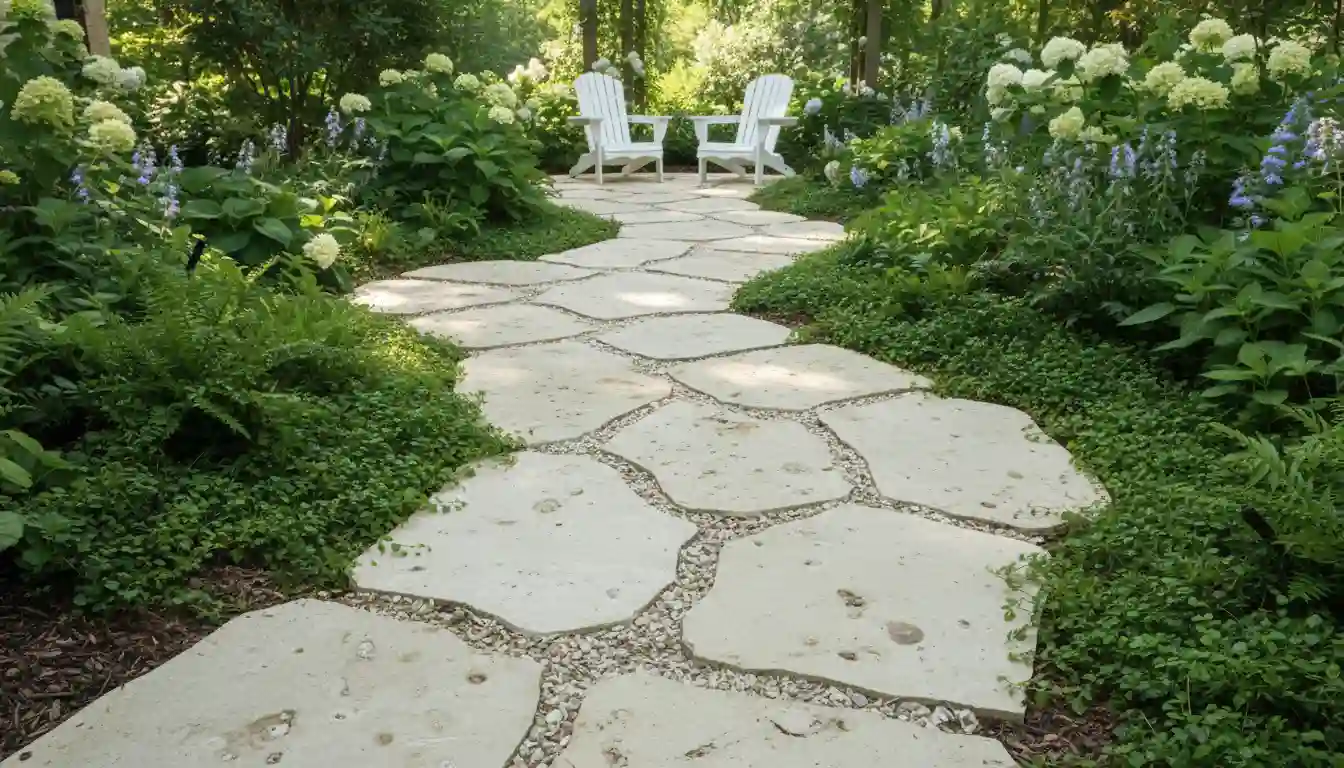
Shell stone, sometimes called shellstone or coral stone, is a type of natural limestone or sedimentary rock. Its defining characteristic is the visible presence of fossilized shells, marine life, and coral fragments embedded within the stone. This natural composition gives each paver a distinct, one-of-a-kind pattern and texture.
Formed over millennia as layers of marine sediment were compressed, these pavers bring a tangible piece of geological history to your backyard. They are most commonly used for pool decks, patios, walkways, and other outdoor living areas where both beauty and performance are priorities. The unique aesthetic makes them especially popular for creating a coastal or rustic ambiance.
The Undeniable Appeal: Pros of Shell Stone Pavers
The growing popularity of shell stone isn’t without reason. Homeowners are drawn to a specific set of benefits that set this material apart from more conventional options. These advantages address some of the most common pain points associated with outdoor surfaces.
One of the most celebrated qualities of shell stone is its ability to remain cool to the touch, even under the intense summer sun. Unlike dark pavers or concrete that can become scorching hot, shell stone’s light color and porous nature allow it to absorb less heat. This makes it an excellent and comfortable choice for pool surrounds and patios where bare feet are common.
Safety is another significant advantage. The naturally textured and porous surface of shell stone provides excellent slip resistance, even when wet. This is a critical feature for any area around a pool or in climates with frequent rain, reducing the risk of accidents and providing peace of mind for families with children or elderly members.
Aesthetically, shell stone is in a class of its own. The intricate patterns of shells and fossils create a visually captivating surface that is both elegant and organic. Its neutral color palette, typically featuring shades of white, cream, and beige, complements a wide range of architectural styles and landscaping designs. This unique beauty adds a touch of sophistication that manufactured pavers cannot replicate.
The Harsh Reality: Cons and Common Complaints
Despite its beauty and benefits, shell stone is not without its drawbacks. The very properties that make it appealing can also lead to challenges if not properly managed. Understanding these potential issues is crucial before committing to an installation.
The biggest concern with shell stone is its high porosity. This natural characteristic means it can easily absorb liquids, making it susceptible to staining from spills like oil, grease, or acidic substances if not cleaned promptly. This porosity also means it requires regular sealing to protect against moisture penetration and deterioration over time.
While durable against weathering, shell stone is a softer natural stone compared to granite. This can make it more prone to chipping or cracking if heavy, hard objects are dropped on it. Some users have reported brittleness, especially at the corners of the pavers, which can be a concern in high-traffic areas or driveways.
Cost can also be a significant factor. Shell stone pavers are often more expensive than concrete or brick options. The final price can range significantly based on quality, thickness, and shipping costs, especially since the material is often sourced from specific coastal regions. Proper installation also requires expertise, adding to the overall investment.
Shell Stone in the Real World: A Head-to-Head Comparison
To make an informed decision, it’s helpful to see how shell stone stacks up against other popular paving materials. Each option has its own unique profile of cost, durability, and maintenance requirements.
Choosing the right paver depends entirely on your priorities, climate, and budget. While one homeowner might prioritize the low initial cost of concrete, another may value the natural, cool surface of shell stone for their dream pool deck.
| Feature | Shell Stone Pavers | Travertine Pavers | Concrete Pavers | Brick Pavers |
|---|---|---|---|---|
| Aesthetics | Unique fossils, coastal look | Classic, earthy, pitted texture | Highly customizable color/shape | Traditional, classic look |
| Heat Retention | Stays cool underfoot | Generally stays cool | Can get very hot | Absorbs and retains heat |
| Durability | Good, but can be brittle | Very durable, handles freeze-thaw | Strong, but can crack | Extremely durable, long-lasting |
| Maintenance | Requires regular sealing | Requires sealing, porous | Can require sealing, low maintenance | Low maintenance, can get weeds in joints |
| Cost (Material) | Moderate to High | Moderate to High | Low to Moderate | Moderate |
| Slip Resistance | Excellent, naturally textured | Good, especially tumbled finish | Varies, can be slippery | Good grip |
Installation: The Foundation of Longevity
A successful shell stone paver project is critically dependent on proper installation. Flaws in the installation process are the root cause of many common paver problems, such as sinking, shifting, and poor drainage. This is not a project where cutting corners is advisable.
The process begins with a robust, well-compacted base. An installer must excavate the area to the proper depth and build up a base of crushed stone that is graded and compacted in layers. An unstable base is the primary reason pavers sink or become uneven over time, creating trip hazards and drainage issues.
Some installers warn that shell stone’s porosity can lead to staining from the soil or base material below. To prevent this, a protective liner may be recommended between the base and the pavers. Be wary of any installer who dismisses these concerns, as it could lead to discoloration down the road. Proper jointing with polymeric sand is also key to preventing weed growth and keeping the pavers locked in place.
The Unspoken Truth About Sealing and Maintenance
Here is a critical piece of advice often overlooked: not all sealers are created equal. While sealing is universally recommended for shell stone, the type of sealer you choose dramatically impacts the stone’s performance and appearance. Many articles give generic advice, but the distinction between a penetrating sealer and a topical sealer is vital.
A penetrating (or impregnating) sealer is the superior choice for shell stone. This type of sealer absorbs deep into the stone’s pores, creating a protective barrier from within without altering the natural surface texture or appearance. It allows the stone to “breathe,” which is crucial for releasing moisture and preventing issues in freeze-thaw cycles. This maintains the stone’s natural slip resistance and cool-to-the-touch quality.
Conversely, a topical or film-forming sealer creates a plastic-like layer on the surface. While it may offer a “wet look,” it can trap moisture, make the surface more slippery, and peel or yellow over time. Using the wrong type of sealer is a common mistake that can compromise the best features of shell stone. Always opt for a high-quality, water-based, penetrating sealer designed for porous natural stone.
Keeping Your Investment Beautiful: Cleaning and Care
Proper maintenance is essential to preserve the beauty and integrity of your shell stone pavers for years to come. A consistent, gentle cleaning routine is far more effective than infrequent, aggressive scrubbing.
For routine cleaning, simply sweep the pavers regularly to remove loose dirt, leaves, and debris. This prevents organic matter from sitting on the surface and causing stains. A monthly rinse with a garden hose can wash away fine dust and grime.
For deeper cleaning, use a pH-neutral stone cleaner. Avoid acidic or harsh chemical cleaners, including vinegar, as they can etch and damage the stone’s surface permanently. A soft-bristle brush and a mild detergent solution are all that’s needed for most spots. For tough oil stains, blot the area immediately and apply a poultice or specialized oil-absorbent powder designed for natural stone.
Reapplying a penetrating sealer every 2-3 years, or as needed based on traffic and weather exposure, is the most important maintenance step. This will protect the stone from stains and moisture, ensuring it remains a stunning feature of your home. Creating the perfect backyard retreat, perhaps one large enough for an 8 ft round hot tub, means protecting all the surfaces that contribute to the overall aesthetic.
Is Shell Stone the Right Choice For Your Home?
Ultimately, the decision to use shell stone pavers comes down to a balance of priorities. This material offers a unique, high-end aesthetic with tangible benefits like a cool surface and excellent slip resistance, making it a premier choice for pool decks and patios in warmer climates.
However, it demands a commitment to proper maintenance, primarily through regular sealing with the correct type of product. It also requires a higher initial investment in both materials and professional installation. If you are prepared for the upkeep and your budget allows, shell stone pavers can provide a durable and breathtakingly beautiful foundation for your outdoor living space that will be enjoyed for decades.
Conclusion
Ultimately, the right choice depends on balancing your local climate with your personal lifestyle. While concrete offers versatility and brick provides traditional charm, travertine remains the gold standard for those seeking a “cool-to-the-touch” surface that handles moisture with ease.
By considering how each material ages and interacts with heat, you can select a foundation that enhances your home’s value without creating a maintenance burden. Whether you prioritize the rustic texture of tumbled stone or the sleek lines of modern pavers, choosing with longevity in mind ensures your outdoor oasis remains a sanctuary for years to come.
