
Shattered Sliding Glass Door? Your Emergency Action Plan Is Here
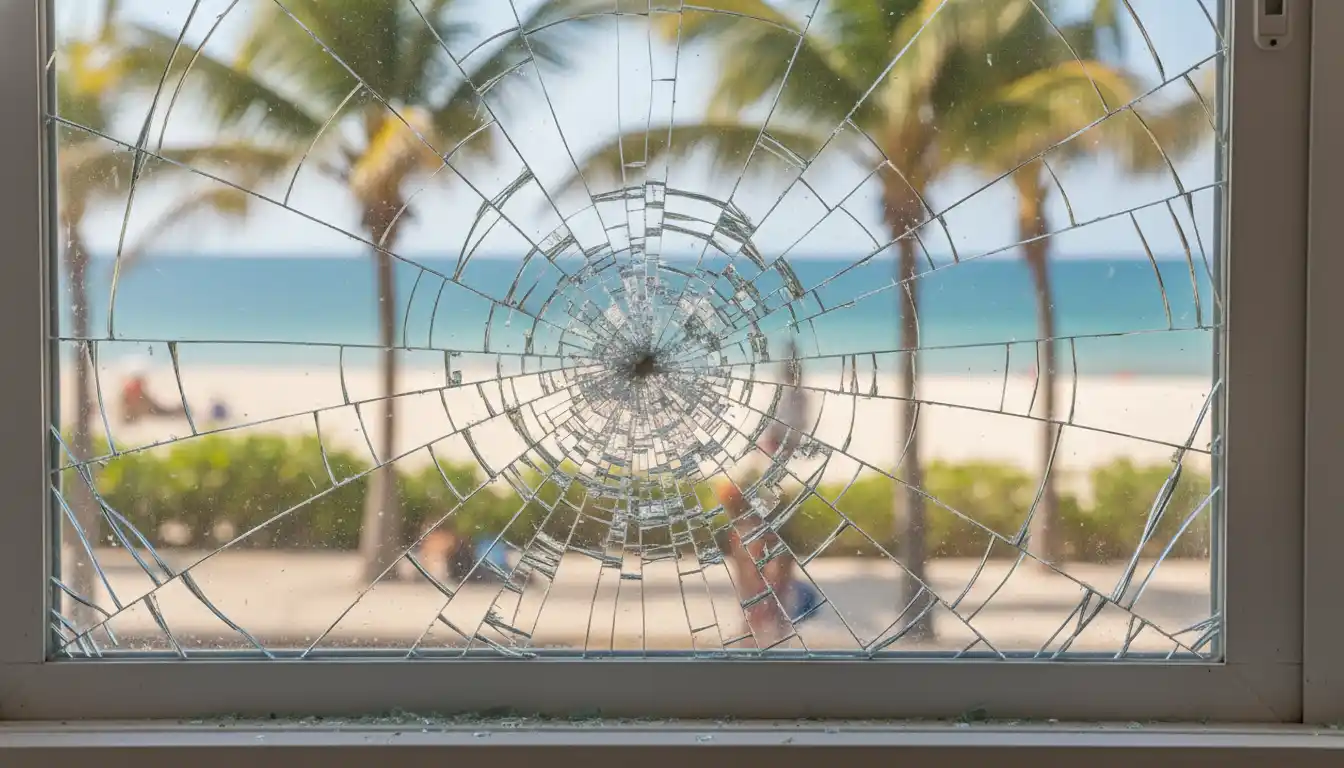
The sudden, explosive sound of a sliding glass door shattering is enough to rattle any homeowner. In an instant, a source of natural light and a view to the outdoors becomes a gaping hole, a security threat, and a field of dangerous glass shards.
This unexpected event creates immediate stress and a flood of questions. What should you do first? How do you safely clean up the mess and secure your home? This guide provides a calm, step-by-step plan to navigate the crisis, from the first moment of shock to the final decision on repair or replacement.
You'll Learn About
Decoding the Disaster: Why Sliding Glass Doors Suddenly Shatter
Many homeowners are baffled when a glass door breaks seemingly without cause. While a direct impact is a common culprit, there are several less obvious reasons for this alarming event. Understanding these causes can help prevent future incidents.
The Phenomenon of Spontaneous Breakage
One of the most surprising causes is spontaneous breakage due to nickel sulfide (NiS) inclusions. These microscopic particles can become trapped in the glass during the manufacturing process. Over time, as the glass is exposed to temperature changes, the NiS particle can expand, creating immense internal stress that causes the glass to explode.
This explains why a door might shatter on a hot day or a cold night with no one even near it. It is a known, albeit rare, flaw in tempered glass, the safety glass used in most patio doors.
Impact and Environmental Stress
The more conventional cause is, of course, a direct impact. A stray baseball, a rock flung from a lawnmower, or even a large bird can easily provide the force needed to shatter the pane. The damage isn’t always immediate; a small impact can create a tiny, invisible flaw that compromises the glass’s integrity.
This hidden damage can then lead to failure weeks or months later. The stress from simply opening or closing the door can be the final straw for an already weakened pane.
Flaws from Installation and Framing
A sliding glass door that is not perfectly installed is a door under constant stress. If the frame is warped, twisted, or not square, it can exert uneven pressure on the glass panel. The daily vibrations from use, combined with the house settling over time, can concentrate this stress on a single point.
Eventually, this pressure exceeds the glass’s tolerance, leading to a complete shatter. This is why professional installation is not just a recommendation but a critical factor in the door’s longevity and safety.
Thermal Fractures and Edge Damage
Extreme and rapid temperature swings can also be to blame. If one part of the glass heats up or cools down much faster than another—such as from a cold sprinkler hitting a sun-baked door—it can cause a thermal fracture. This is especially true if the glass has any pre-existing imperfections.
Furthermore, the edges of a glass panel are its most vulnerable point. A small chip or crack along the edge, perhaps sustained during shipping or installation, can become a catastrophic failure point under normal environmental or operational stress.
First Response: Your Immediate Safety Checklist
When the glass breaks, your first priority is to ensure the safety of everyone in the household. Acting quickly and methodically can prevent injuries and secure your home from the elements and potential intruders.
Immediately clear the area, moving children and pets to a separate, closed-off room. The tiny cubes of shattered tempered glass can be incredibly sharp and can scatter over a wide area.
Gear Up for Safety
Before you approach the broken door, you must protect yourself. Wear heavy-duty work gloves, not cloth or latex ones, to protect your hands from sharp edges. Put on sturdy, closed-toe shoes or boots to prevent glass from cutting your feet.
Safety glasses are also essential to protect your eyes from flying or falling shards, especially while you are working to clear the frame. Do not attempt to handle broken glass without this basic protective equipment.
The Art of Safe Glass Removal
With your protective gear on, you can begin to address the remaining glass. If large sections are still hanging in the frame, gently tap them from the inside out with a broom handle or a hammer to dislodge them. Stand to the side as you do this to avoid the falling pieces.
Your goal is to clear the frame of any loose or precarious shards that could fall unexpectedly. Be deliberate and careful with every movement.
How to Clean Tempered Glass Safely
Tempered glass shatters into thousands of small, cube-like pieces. Start by sweeping the largest pieces into a dustpan with a stiff-bristled broom. Dispose of this glass in a sturdy cardboard box or a dedicated bucket, not a regular trash bag that it could easily rip.
Next, use a vacuum cleaner with a hose attachment to meticulously go over the entire area, including carpets, furniture, and window tracks. Finally, to pick up the almost invisible slivers and dust, wipe the hard surfaces with a damp paper towel. The moisture will help the tiny particles cling to the paper.
Securing the Opening: A Temporary Fix
With the area safe and clean, you need to cover the opening. The most secure temporary solution is a piece of plywood cut to fit snugly inside the door frame. You can screw it directly into the frame for maximum security.
If you don’t have plywood, you can use heavy-duty plastic sheeting or a thick tarp. Stretch it across the opening and secure it tightly on all four sides using heavy-duty duct tape or staples. While not as secure as wood, it will keep out rain, wind, and pests until a professional arrives.
The Big Decision: Should You Repair or Replace the Door?
Once your home is secure, your next decision is whether to have the single glass panel replaced (a process called reglazing) or to replace the entire door unit. Several factors, including the door’s age, condition, and your long-term goals, will influence this choice.
Take this as an opportunity to evaluate your home’s needs. A shattered door, while stressful, can be a catalyst for a significant upgrade in efficiency and security.
When Reglazing Makes Sense
Opting to replace only the glass is a viable option if the door frame is in excellent condition. If the frame is relatively new, structurally sound, and free of warping or damage, reglazing can be a more cost-effective solution.
This is often a good choice for newer homes where the existing door already meets modern energy efficiency standards. A professional can install a new insulated glass unit (IGU) into your existing frame, restoring the door’s function and appearance.
Why a Full Replacement Might Be the Better Investment
If your sliding door is old, difficult to operate, or single-paned, a full replacement is almost always the smarter long-term investment. Older doors often have failing seals, poor insulation, and worn-out rollers that make them inefficient and frustrating to use.
A brand-new door unit offers superior energy efficiency, advanced security features like multi-point locking systems, and improved aesthetics. Just as you might consider a full upgrade when thinking about a glass block window replacement for better views, a shattered door is an opportunity to enhance your home’s function and style.
Choosing Your New Glass: A Comparison of Modern Options
If you decide on replacement, you’ll find that glass technology has advanced significantly. Choosing the right type of glass can enhance your home’s comfort, safety, and energy bills. This table breaks down the most common options available for sliding glass doors.
| Glass Type | Key Feature | Best For | Considerations |
|---|---|---|---|
| Standard Tempered | Shatters into small, relatively harmless cubes. | Basic safety and meeting building codes. | Offers no added security or insulation beyond the basics. |
| Laminated Glass | Holds together when shattered due to a vinyl interlayer. | High-security needs, noise reduction, and UV protection. | Higher cost but provides significant safety benefits. |
| Low-E Coated Glass | Reflects infrared light, keeping heat in during winter and out during summer. | Improving energy efficiency and reducing utility bills in any climate. | A standard feature in most high-quality modern doors. |
| Impact-Resistant Glass | A combination of tempered and laminated glass designed to withstand severe storms. | Hurricane-prone regions and areas with extreme weather. | The most expensive option, but required by code in many coastal areas. |
The Professional Replacement Journey: From Quote to Installation
Hiring a qualified professional is non-negotiable for a sliding glass door replacement. This is not a typical DIY project. The weight of the glass, the need for a perfect seal, and the importance of proper alignment demand expert handling.
Finding and Vetting a Glass Professional
Start by searching for local glass companies or door and window specialists. Look for businesses with a long history in your community and a wealth of positive online reviews. Always verify that they are licensed and insured before allowing them to work on your home.
Get at least three different quotes to compare costs and services. Be wary of any quote that is significantly lower than the others, as it may indicate subpar materials or inexperienced labor.
The Installation Process Unveiled
Once you’ve chosen a contractor, they will begin by taking precise measurements of the door opening. They will then order your custom door unit, which can take several weeks to arrive. During this time, your temporary solution will need to remain in place.
On installation day, the crew will carefully remove the old door frame and any remaining debris. They will then clean and prepare the opening, ensuring it is level and structurally sound before setting the new door in place. Proper sealing and insulation around the frame are the final, critical steps. This meticulous work ensures there are no drafts or water leaks. Proper sealing is crucial to prevent drafts and water intrusion, a principle that applies to many areas of the home, from your patio door to learning how to seal garage floor edges.
Proactive Protection: How to Prevent Future Glass Disasters
While you can’t prevent every accident, you can take steps to minimize the risk of another shattered door. A little bit of proactive care can save you from repeating this stressful experience.
The Power of Protective Film
One of the most effective preventative measures is the application of a professional-grade safety and security film. This clear film is applied to the interior surface of the glass and serves two purposes. It helps hold the glass together if it does shatter, preventing the dangerous spray of shards.
Additionally, it makes the glass significantly more resistant to breaking from impacts in the first place. Some films also offer UV protection and can reduce solar heat gain, adding an extra layer of efficiency.
Landscaping and Regular Maintenance
Simple awareness of your door’s surroundings can go a long way. Keep a clear zone of at least a few feet around the door, free of loose rocks, heavy planters, or metal furniture that could be blown into the glass during a storm.
Periodically inspect the glass, especially around the edges, for any small chips or cracks. Also, check the door’s operation. If it becomes difficult to slide, the rollers may be worn or the track may be dirty, causing you to use excessive force that stresses the entire unit.
Beyond the Broken Glass: Assessing Collateral Damage
The damage from a shattered door isn’t always confined to the door itself. The force of the event and the spray of glass can cause nicks, dents, and scratches to surrounding surfaces, which you should inspect once the immediate crisis is over.
Check your flooring—hardwood, laminate, and vinyl are all susceptible to scratching from the sharp glass particles during the break or the cleanup. You may also find small nicks in the drywall or damage to the door trim that will need cosmetic repairs.
Pay close attention to the paint on the walls near the door. You might notice minor nicks in the drywall. If you find your wall paint scratches off with a fingernail, it could indicate a larger issue with the paint or primer that the incident has highlighted, which may need to be addressed during your repairs.
A shattered sliding glass door is a jarring experience, but it doesn’t have to be a catastrophe. By following a clear safety protocol, securing your home, and making an informed decision about your replacement options, you can turn a moment of crisis into a valuable home improvement. Stay calm, prioritize safety, and use this as your chance to install a door that is safer, more efficient, and more beautiful than the one before.
