Servant Floor Call Button: From Relic to Smart Home Star
That curious button on the floor of your historic home isn’t just a quirky feature; it’s a whisper from the past. Many homeowners with a passion for period details find themselves pondering the purpose and potential of these enigmatic floor call buttons. Often discovered during renovations, these small, unassuming discs are remnants of a bygone era of household communication.
The primary challenge lies in understanding what to do with them. Are they merely decorative, a non-functional piece of history to be preserved? Or can they be revived, repurposed, and integrated into the modern smart home? This article delves into the fascinating world of the servant floor call button, offering solutions for restoration, creative reuse, and even modern-day replication.
You'll Learn About
Uncovering the History of the Servant Call System
Before diving into restoration or reinvention, it’s essential to appreciate the history behind these unique fixtures. Servant call systems, also known as annunciator systems, became popular in the late 19th and early 20th centuries, particularly in affluent households. These systems allowed homeowners to summon staff discreetly and efficiently.
The floor button, typically located in the dining room under the table, was a key component of this system. A simple press of the foot would send an electrical signal to a call box in the servants’ quarters, often the kitchen or pantry. This box would indicate which room required service, eliminating the need for shouting or handbells.
The Problem with Neglected Call Buttons
Over the decades, as household dynamics changed, these systems fell into disuse. Many have been painted over, disconnected, or damaged during subsequent renovations. The once-gleaming brass or mother-of-pearl buttons are often found tarnished, stuck, or completely non-functional.
Homeowners are often faced with a dilemma: ignore this piece of history, remove it entirely, or embark on a restoration journey. For those who appreciate the unique character of their homes, the latter two options can feel like erasing a part of its story. Fortunately, there are numerous ways to breathe new life into these fascinating artifacts.
Restoring Your Antique Servant Floor Call Button
For the purist, restoring a servant floor call button to its original glory is a rewarding project. This process not only preserves a piece of history but can also add a unique, functional element to your home. Careful restoration is key to maintaining the button’s antique value and aesthetic.
The first step is a thorough but gentle cleaning. Years of dirt, wax, and paint can obscure the button’s original beauty. Depending on the material, which can range from brass and bronze to wood and porcelain, different cleaning methods will be required. A simple solution of warm water and mild dish soap is often a good starting point.
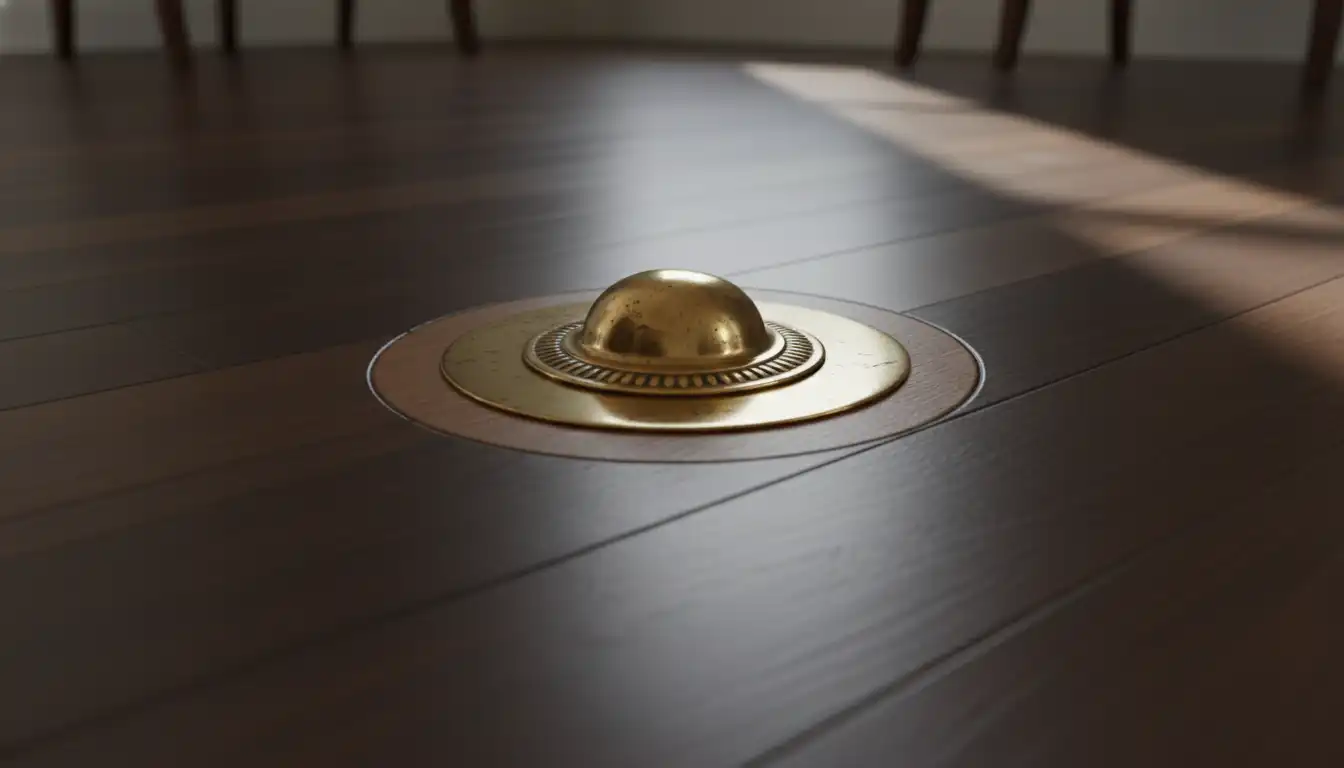
For more stubborn grime or tarnish on metal buttons, a paste made from baking soda and water can be effective. Apply the paste with a soft cloth and gently buff the surface. Avoid harsh abrasives or chemical cleaners that can damage the delicate patina of antique hardware. If the button has been painted over, a careful application of a gentle paint stripper may be necessary. Always test any cleaning or stripping agent on a small, inconspicuous area first.
Rewiring for Modern Use
Once the button is cleaned, the next step is to make it functional. This will likely involve some basic electrical work. If the original wiring is still intact, it may be possible to reconnect it to a simple bell or chime. However, in most cases, the old wiring will need to be replaced. For those with a burgeoning interest in smart home technology, this presents an exciting opportunity for integration, which will be explored later.
When dealing with any electrical components, especially in older homes, safety is paramount. If you are not comfortable with electrical work, it is always best to consult a qualified electrician. They can help you safely wire your call button to a new bell or even integrate it into your existing doorbell system.
Creative Repurposing for the Modern Home
If a full restoration isn’t feasible or desired, there are many creative ways to repurpose a servant floor call button. These ideas allow you to preserve the historical element while giving it a new, practical function in your home. Repurposing antique hardware adds a unique and personal touch to your decor.
One popular idea is to connect the button to a modern wireless doorbell system. This allows you to maintain the antique aesthetic of the button while enjoying the convenience of a modern chime. There are many wireless doorbell kits available that can be easily adapted for this purpose. This is a great way to add a bit of whimsy to your home; imagine summoning your family to dinner with a press of a historic floor button!
Beyond the Dinner Bell: Innovative Uses
The possibilities for repurposing don’t end with a simple chime. With a little creativity, your servant floor call button can be integrated into your smart home system. Imagine using it to control lighting, music, or even activate a specific smart home scene. This fusion of old and new technology can be a real conversation starter.
For example, the button could be wired to a smart switch or relay. A press of the button could dim the lights for a movie night, play your favorite dinner playlist, or even send a notification to your phone. This approach not only preserves the historical artifact but also enhances its utility in a contemporary setting. Exploring how to handle a buying a house with stone foundation can present similar opportunities to blend old-world charm with modern stability.
Modern Alternatives and Replicas
For those who love the idea of a floor call button but don’t have an original in their home, there are modern alternatives and high-quality replicas available. These can be a great way to add a touch of vintage charm to a newer home or to a room where an original button is missing. Modern replicas can offer the same aesthetic appeal with the added benefit of new, reliable technology.
Many companies specialize in reproduction hardware and offer a wide range of styles to match any decor. From ornate Victorian designs to simpler Arts and Crafts styles, you can find a button that perfectly complements your home. These replicas are often designed for easy installation and can be wired to a standard doorbell or integrated into a smart home system just like an original.
Choosing the Right Style for Your Home
When selecting a replica, consider the architectural style of your home and the period you wish to evoke. A polished brass button might be perfect for a grand Victorian dining room, while a more understated bronze or nickel finish could be better suited to a Craftsman-style home. The placement of the button is also important; while traditionally found in the dining room, a floor call button could also be a unique addition to a home office, library, or even a primary bedroom.
For those interested in the durability and strength of modern fixtures, understanding concepts like how strong are tapcon screws can provide valuable insight into securing new installations within your home’s existing structure.
| Project Idea | Description | Difficulty Level | Required Tools/Materials |
|---|---|---|---|
| Full Restoration | Cleaning, polishing, and rewiring the original button to a bell or chime. | Moderate | Soft cloths, baking soda, mild soap, wire stripper, new wiring, bell/chime. |
| Wireless Doorbell Conversion | Connecting the antique button to a modern wireless doorbell transmitter. | Easy | Wireless doorbell kit, small screwdrivers, soldering iron (optional). |
| Smart Home Integration | Wiring the button to a smart switch or relay to control lights, music, etc. | Advanced | Smart switch/relay, basic electrical knowledge, smart home hub. |
| Install a Replica Button | Installing a new, reproduction floor call button. | Easy to Moderate | Drill, screwdrivers, wiring, bell/chime or smart home components. |
Integrating Vintage Charm into Modern Living
The servant floor call button is more than just a piece of hardware; it’s a tangible link to the past. Whether you choose to restore an original, repurpose it for modern use, or install a high-quality replica, incorporating this unique feature into your home is a wonderful way to add character and charm. Embracing historical details can create a home that is both timeless and uniquely personal.
By understanding the history and potential of these fascinating artifacts, you can make an informed decision about how to best incorporate them into your home and garden design. Just as one might carefully consider the maintenance of a specialized tool like the hs55 honda snowblower, giving thought to the preservation and function of historical home elements ensures they remain valuable for years to come.
Ultimately, the decision of what to do with a servant floor call button is a personal one. By exploring the options for restoration, repurposing, and replication, you can find a solution that not only honors the history of your home but also enhances your modern lifestyle. These small buttons, once a symbol of a different era, can be transformed into a functional and stylish element of your contemporary home.
Conclusion
These hidden relics are more than just curiosities; they are a tangible link to the social etiquette of the early 20th century. By preserving these floor call buttons, you aren’t just saving a piece of hardware—you’re honoring the intricate history of domestic service and architectural evolution.
Whether you choose to leave them as silent witnesses to the past or rewire them for a modern, whimsical purpose, these buttons remain a charming testament to an era of seamless elegance. They serve as a powerful reminder that even the smallest, most unassuming detail in a historic home carries a legacy worth protecting.