
Selling Curtains Profitably: The Secret Isn’t the Fabric
You have the skill. You can create beautiful curtains that could transform any room. Yet, turning that passion into a profitable business feels like drawing closed a heavy drape on your dreams.
The market seems flooded with generic, mass-produced options, making it nearly impossible to stand out. Many aspiring home decor entrepreneurs face this frustrating problem: how to successfully start selling curtains without getting lost in the noise.
This challenge often stems from focusing solely on the product itself—the fabric, the pattern, the stitching. While quality is crucial, the real barrier is a failure to connect with the deeper needs of a homeowner. The secret isn’t just selling a window covering; it’s about selling a feeling, a solution, and an aesthetic transformation.
You'll Learn About
The Hidden Language of Window Treatments
Curtains do more than block light; they manipulate emotion and perception within a space. The color, texture, and style of a curtain can make a room feel larger, cozier, more formal, or more relaxed. This psychological impact is one of the most powerful, yet overlooked, aspects of selling home textiles.
Most sellers list features: “100% cotton,” “blackout lining,” “pinch pleat.” Successful sellers frame these features as solutions to emotional desires. Understanding this distinction is the first step to elevating your business. Instead of selling a product, you begin to offer a curated experience for the home.
Finding Your Niche Beyond the Obvious
Trying to appeal to everyone is a common mistake that dilutes your brand’s power. Instead of offering “curtains for all,” focus on a specific problem or lifestyle. A narrow niche allows you to become the go-to expert for a particular type of customer.
Consider targeting homeowners with specific needs. This could include families with young children needing durable, light-blocking curtains for nurseries, or owners of older homes seeking thermal drapes to improve energy efficiency, a perfect companion when considering replacing 1970s windows. By identifying a specific pain point, your marketing becomes targeted and far more effective.
The Art of Digital Staging and Photography
In the world of online sales, your product photos are your storefront. Poor photography can make even the most luxurious fabric look cheap. Investing in high-quality imagery is non-negotiable.
Don’t just hang your curtains against a blank wall. Stage them in a well-lit, beautifully decorated room that reflects your target audience’s aspirations. Capture close-up shots that highlight the fabric’s texture and the quality of the stitching. Use natural light whenever possible to avoid harsh shadows and present the colors accurately.
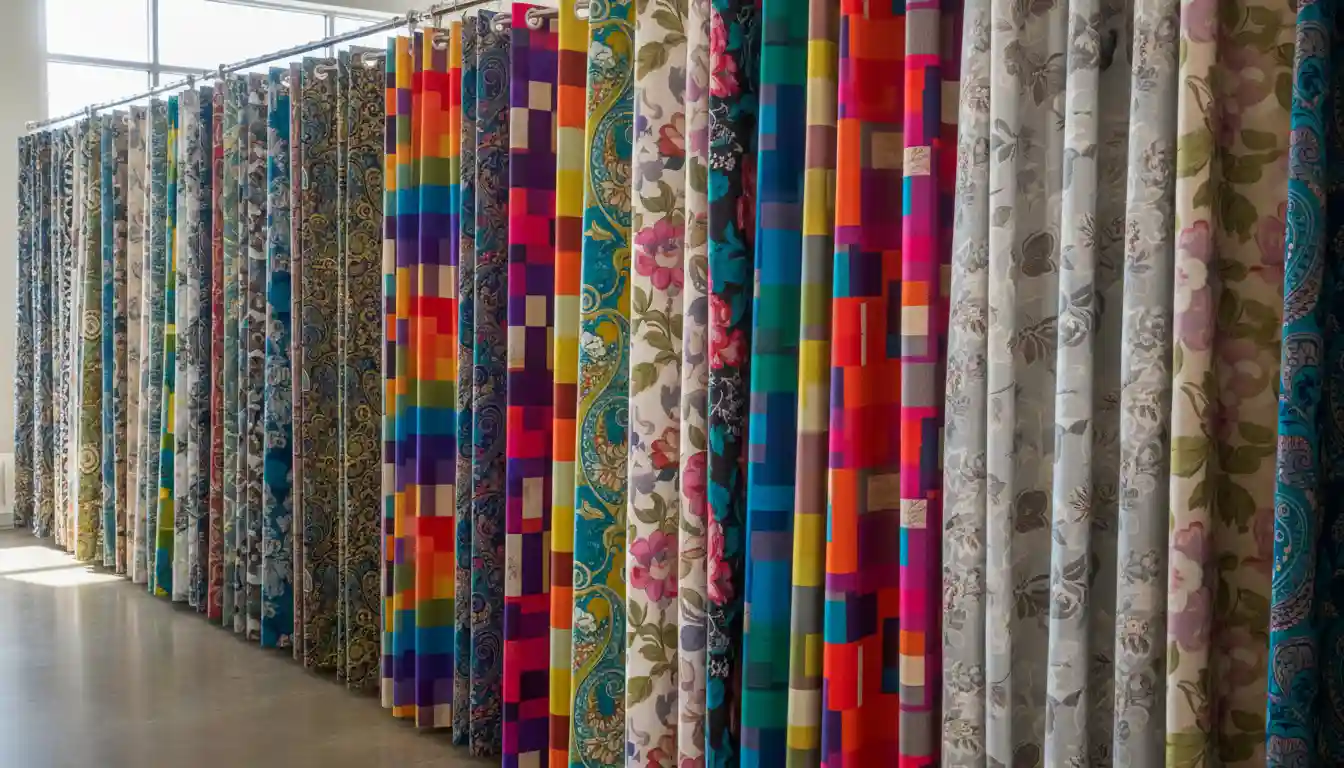
Your Blueprint for a Thriving Curtain Business
Moving from a hobbyist to a professional seller requires a strategic plan. This involves selecting the right sales channels, pricing your products intelligently, and crafting descriptions that resonate with buyers on an emotional level.
Choosing Your Online Selling Platform
Where you sell your curtains significantly impacts your visibility and profitability. Each platform caters to a different type of customer and requires a unique approach. Making an informed choice from the start can save you immense time and frustration.
It’s crucial to weigh the fees, audience demographics, and level of creative control each platform offers. This decision will shape your marketing efforts and brand identity. Consider where your ideal customer spends their time online.
| Platform | Best For | Potential Downsides |
|---|---|---|
| Etsy | Crafters and artisans targeting buyers who value unique, handmade items. | High competition; fees can add up; marketplace focus can overshadow individual brand identity. |
| Shopify | Building a standalone brand with full control over design, marketing, and customer experience. | Requires you to drive your own traffic; monthly subscription fees. |
| Amazon Handmade | Leveraging Amazon’s massive customer base and fulfillment network. | Strict application process; higher commission fees; less brand control. |
| Social Media (Instagram/Facebook Shops) | Visually-driven brands with a strong social media presence and community. | Can be difficult to manage inventory and sales without third-party integrations. |
Pricing: The Balance of Cost and Perceived Value
One of the biggest hurdles for new sellers is pricing. Underpricing devalues your skill and craftsmanship, while overpricing can deter potential buyers. Your price must reflect the true cost of materials, your labor, and the unique value you offer.
Create a detailed cost sheet for each product. This should include fabric, lining, thread, hardware, packaging, and shipping costs. Most importantly, assign a fair hourly wage for your labor—from consultation and sewing to photography and marketing. Healthy profit margins, often between 55-65% for custom work, are essential for sustainable growth.
Writing Product Descriptions That Truly Sell
Your product description is your virtual salesperson. It must go beyond simple specs and tell a story. Use sensory language to help customers imagine the fabric’s feel and how the curtains will transform their space.
Instead of “Beige linen curtains,” try “Effortlessly chic, our airy Belgian linen curtains filter sunlight to cast a warm, inviting glow, creating a serene sanctuary in your living room.” Connect the features to benefits. For example, a blackout lining isn’t just a feature; it’s the key to “uninterrupted sleep and lazy Sunday mornings.”
Advanced Strategies to Dominate the Market
Once you’ve mastered the fundamentals, it’s time to implement advanced strategies that differentiate you from the competition. These tactics focus on creating a holistic customer experience and building a memorable brand that fosters loyalty.
The Power of Pairing and Upselling
Don’t just sell curtains; sell a complete window solution. Offer guidance on pairing curtains with the right hardware, such as rods and tie-backs. This not only enhances the final look but also presents an opportunity for upselling.
Consider how your curtains complement other elements in a room. For instance, you could suggest how certain curtain colors or textures work with different flooring types, which can be a great way to provide value for customers exploring options like those in these Nexxacore flooring reviews. This positions you as a knowledgeable home decor advisor, not just a product seller.
Leveraging the Psychology of Fabric and Color
Deepen your expertise by understanding the psychology behind fabric choices. Velvet, for example, conveys luxury and coziness, making it ideal for formal living rooms or master bedrooms. Lightweight linen suggests a relaxed, airy, and casual atmosphere.
Colors also have a powerful psychological impact. Blues can create a sense of calm, while yellows can evoke happiness and energy. Educate your customers on these principles through blog posts or product descriptions, helping them make more confident decisions and see you as a trusted expert. This expertise can help a customer choose curtains that harmonize with larger furniture pieces, a common challenge discussed in many Enola sectional reviews.
Building a Brand That Resonates
Ultimately, long-term success comes from building a brand, not just selling a product. Your brand is the story, the values, and the experience you offer. It’s what makes a customer choose you over a cheaper, faster alternative.
Define your brand’s personality. Are you modern and minimalist, or classic and opulent? This identity should be consistent across your website, social media, and packaging. A strong brand builds an emotional connection with customers, turning them into repeat buyers and enthusiastic advocates.
Avoiding the Most Common Selling Mistakes
Even with the best strategy, certain operational mistakes can derail your business. Being aware of these common pitfalls is the first step toward avoiding them and ensuring a smooth, professional customer experience.
The Measurement and Customization Minefield
Incorrect measurements are a primary cause of returns and customer dissatisfaction in the custom curtain business. You must provide clear, simple, step-by-step measuring guides for your customers. Use diagrams and videos to illustrate exactly where and how to measure.
Create a final specification sheet that customers must approve before you begin production. This document should recap all details: final dimensions, fabric choice, heading style, and lining. This simple step can prevent costly remakes and protect you from disputes.
Conquering Shipping and Packaging
Shipping large, bulky items like curtains can be challenging. Improper packaging can lead to wrinkles, damage, and an unprofessional presentation upon arrival. Your packaging is the final touchpoint of the customer experience, so make it count.
Invest in sturdy boxes and consider rolling, rather than folding, the curtains to minimize creasing. Include a care card with instructions for hanging and cleaning. Clear and fair shipping policies are also crucial; be transparent about costs and delivery times to manage customer expectations effectively.
Transforming Your Passion into a Profession
Selling curtains successfully is about more than just sewing. It requires a deep understanding of your customer, a strategic approach to marketing, and a commitment to building a brand that stands for quality and expertise.
By moving beyond the fabric and focusing on the problems you solve and the feelings you create, you can carve out a profitable niche in the competitive home decor market. Stop just selling curtains, and start selling the beautiful, comfortable, and stylish home your customers have always dreamed of.
