
Seed Starter Mat vs Straw: The Ultimate Showdown for a Lush Lawn
Starting a new lawn or garden bed from seed is a promise of future beauty. Yet, this promise is fragile, facing threats from birds, harsh sun, and soil erosion.
The core problem for every gardener is protecting those vulnerable seeds to ensure they germinate and thrive. Two popular solutions dominate the landscape: the modern seed starter mat and traditional straw.
Choosing the wrong one can lead to wasted time, money, and a patchy, disappointing result. This guide breaks down the critical differences, ensuring you make the best choice for your specific project.
You'll Learn About
What Exactly is a Seed Starter Mat?
A seed starter mat is an innovative, all-in-one solution for growing grass or other plants. It typically consists of a biodegradable fabric, like coconut coir or paper pulp, with seeds and fertilizer embedded directly into it.
You simply roll it out onto prepared soil, water it, and the mat holds everything in place. The fabric helps retain moisture, protects seeds from being washed away or eaten, and then slowly decomposes into the soil over time.
The Advantages of Using a Seed Starter Mat
The primary benefit is convenience and control. The seeds are pre-spaced, which in theory leads to even growth without dense clumps or bare spots.
These mats are exceptional for erosion control. On hillsides or sloped areas where water runoff is a problem, a seed starter mat acts like a protective blanket, holding soil and seeds firmly in place.
Furthermore, the mat material itself acts as a weed barrier. It blocks sunlight from reaching dormant weed seeds in the soil below, giving your desired seedlings a head start without competition.
The Disadvantages and Limitations
The most significant drawback is cost. Seed starter mats are considerably more expensive than straw, making them less practical for very large areas.
While the all-in-one design is convenient, it offers less flexibility. You are locked into the seed type and fertilizer mix included in the mat, which may not be perfectly suited for your specific soil chemistry or climate.
Finally, if not watered consistently, the mat can sometimes dry out and create a hard crust. This barrier can ironically prevent water from reaching the soil and inhibit root development.
The Tried-and-True Method: Using Straw for Seed Protection
Straw is the dry, stalky remnant of cereal crops like wheat, oats, or barley after the grain has been harvested. For centuries, it has been the go-to material for mulching and protecting new seeds.
Unlike hay, which is dried grass and full of seeds, straw should be mostly seed-free. This is a critical distinction that many beginner gardeners overlook, often leading to a yard full of unwanted wheat or oat grass.
The Enduring Benefits of Straw Mulch
The number one advantage of straw is its low cost and availability. A single bale of straw can cover a substantial area, making it the undeniable champion for large-scale projects or gardeners on a tight budget.
Straw is an excellent insulator. It creates a protective microclimate over the soil, keeping it cooler in the hot sun and warmer during cool nights, which aids in consistent germination.
As straw decomposes, it adds valuable organic matter to the soil. This improves soil structure, aeration, and water retention long after your seeds have sprouted, contributing to overall soil health.
The Potential Pitfalls of Using Straw
The biggest risk with straw is the introduction of unwanted weed or crop seeds. Even high-quality straw can contain a few stray seeds that will compete with your new grass.
Applying straw correctly is also a skill. If you spread it too thickly, it will smother the new seedlings, blocking sunlight and preventing growth. It needs to be a light, airy layer where you can still see about 50% of the soil underneath.
Straw is also very lightweight. In windy areas, it can easily blow away, leaving your seeds exposed and creating a mess in your yard and your neighbor’s.
Visual Comparison: Mat vs. Straw in Action
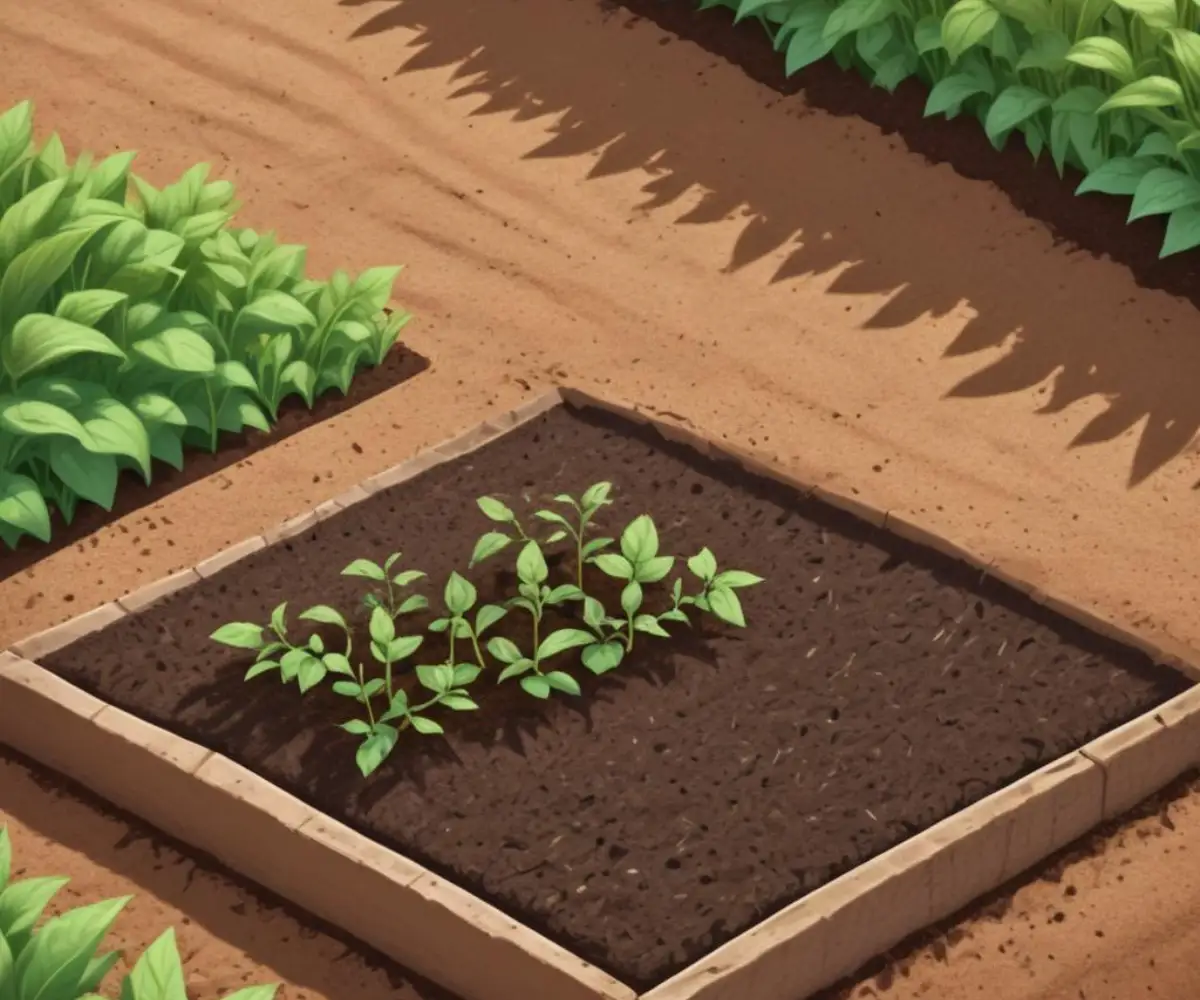
Understanding the visual difference in application is key. One is a uniform, neat blanket, while the other is a looser, more organic covering.
Below is a direct comparison to help illustrate how each method looks when applied to a garden bed. This visual can help you decide on the aesthetic you prefer for your project.
Feature-by-Feature Breakdown: Seed Starter Mat vs. Straw
Choosing between these two options requires a clear look at their strengths and weaknesses across several key factors. The right choice for a small, sloped patch repair will be different from the best choice for a sprawling new lawn.
This table provides a head-to-head comparison to simplify your decision-making process. Evaluate each factor based on the specific needs of your landscaping project.
| Feature | Seed Starter Mat | Straw |
|---|---|---|
| Cost | High per square foot. Best for smaller areas or patches. | Very low. Ideal for large areas and budget projects. |
| Ease of Use | Extremely easy. Just unroll, position, and water. | Requires manual spreading. Skill needed to apply correctly. |
| Weed Control | Excellent. The fabric acts as a physical barrier against weeds. | Poor to fair. Risk of introducing weed or crop seeds. |
| Moisture Retention | Very good. The mat holds moisture directly against the soil. | Excellent. Creates a humid microclimate that retains moisture well. |
| Erosion Control | Superior. Physically holds soil and seeds in place on slopes. | Fair. Can help reduce impact erosion but will wash out in heavy rain. |
| Decomposition | Decomposes completely, adding minimal organic matter. | Breaks down into rich organic matter, improving soil health. |
| Aesthetics | Neat and uniform appearance during germination. | Can look messy or uneven, especially in windy conditions. |
| Best For | Slopes, patch repairs, small designer garden beds. | Large new lawns, vegetable gardens, covering extensive areas. |
Making the Right Choice: Key Deciding Factors
With the core differences understood, the final decision comes down to your specific situation. Prioritize what matters most for your project’s success.
Do not base your choice on hearsay or what a neighbor did. Your soil, budget, and time commitment are unique.
Factor 1: Your Budget and Project Scale
This is the most straightforward factor. For a small patch of lawn or a specific garden feature, the higher cost of a seed starter mat is often justified by its convenience and effectiveness.
If you are seeding an entire yard or a large field, straw is almost always the more economical choice. The cost savings can be substantial, allowing you to invest in better quality seed or soil amendments. This economic consideration is vital in any home project; it’s similar to understanding the true value behind things like the fluctuating **garlic prices at farmers markets** before you buy.
Factor 2: Your Landscape’s Terrain
If your property has any significant slopes, hills, or areas prone to water runoff, a seed starter mat is the superior option. Its ability to grip the soil and prevent washout is unmatched.
On flat, stable ground, this advantage diminishes, and straw becomes a much more competitive option. Straw can handle gentle rainfall on flat land without issue.
Factor 3: The Hidden Pest Problem
One aspect rarely discussed is how these materials can affect pest populations. A thick, moist layer of straw can create an ideal habitat for slugs and snails, which love to feed on tender new seedlings.
Should you find your new sprouts being decimated by these pests, you’ll need an effective solution. Understanding your options by consulting a guide like our **Sluggo vs Sluggo Plus** comparison can be crucial for saving your lawn.
Seed starter mats, being thinner and more integrated with the ground, generally provide less cover for these common garden pests.
Factor 4: Long-Term Soil Health
Think beyond just germination. What happens to your soil a year from now? This is where straw has a distinct long-term advantage.
As straw breaks down, it becomes food for beneficial microbes and earthworms, enriching the soil with organic carbon. This process improves the soil’s tilth, making it healthier for future growth. Seed mats are designed to disappear, contributing very little to the soil’s future fertility.
Mastering the Application: Pro Tips for Success
Whichever material you choose, proper application is non-negotiable. The best product in the world will fail if used incorrectly. Proper tools and techniques are everything.
Just as you need the right approach when a **wrench won’t grip** a stubborn bolt, you need the right technique to lay a foundation for your seeds.
How to Install a Seed Starter Mat
First, prepare the soil thoroughly. Rake the area to loosen the top inch of soil, removing any rocks, weeds, or debris. This ensures good seed-to-soil contact.
Unroll the mat over the prepared area, being careful not to stretch it. Cut it to size with utility scissors. If using multiple pieces, overlap the edges by at least an inch to prevent gaps.
Water the mat thoroughly and gently until it is completely saturated and dark in color. It must remain consistently moist for the first few weeks to trigger germination and prevent the mat from hardening.
How to Spread Straw Correctly
The goal is a light, even covering, not a thick blanket. Grab a chunk of straw from the bale, shake it vigorously to loosen it, and let it fall gently over the seeded area.
You should still be able to see about half of the soil through the straw layer. This allows sunlight and air to reach the seedlings while still providing protection and moisture retention.
After spreading, lightly water the straw to help it settle and prevent it from blowing away. This also starts the process of moisture retention for the seeds below.
Common Mistakes and How to Avoid Them
Simple errors can undermine your entire project. Being aware of these common pitfalls can make the difference between a lush lawn and a failed experiment.
These mistakes are often made with the best intentions but lead to poor results.
Mistake 1: Using Hay Instead of Straw
This is the cardinal sin of seeding. Hay is livestock feed and is full of grass and weed seeds. Using it as mulch is an invitation for a lawn dominated by undesirable plants.
Always ensure you are buying certified weed-free straw. Ask the supplier directly if you are unsure. It’s a question worth asking.
Mistake 2: Applying Straw Too Thickly
More is not better. A heavy layer of straw will block sunlight, trap too much moisture leading to rot, and physically prevent seedlings from pushing through.
Remember the golden rule: light and fluffy. If you can’t see the soil, you’ve used too much.
Mistake 3: Neglecting Soil Preparation
You cannot simply throw a seed mat or straw on top of hard, compacted ground and expect good results. The seeds need a loose, receptive soil bed to establish roots.
Failure to rake and prepare the soil is a primary cause of germination failure for both methods. This step is foundational to your success.
The Final Verdict: Which is Truly Better?
After a thorough comparison, it’s clear that there is no single “best” answer. The superior choice is entirely dependent on the context of your project.
The seed starter mat is a specialized tool, perfect for challenging situations like slopes, small high-value areas, and gardeners who prioritize convenience above all else. Its all-in-one, weed-free nature is its greatest strength.
Straw is the reliable workhorse. For large areas, budget-conscious projects, and improving long-term soil health, its cost-effectiveness and organic benefits are unbeatable. It requires more skill to apply correctly but rewards you with a healthy, thriving ecosystem.
Evaluate your terrain, budget, project size, and time. By weighing the factors outlined in this guide, you can confidently select the right material to protect your seeds and cultivate the lush, vibrant lawn or garden you envision.
