
Savannah Rose Houzz Secrets: Unlock a Flawless Garden
Scrolling through Houzz can feel like a dream. Perfectly manicured gardens overflow with lush, romantic roses that seem almost too good to be true. Many homeowners and aspiring gardeners face the frustrating reality that achieving this look is harder than it appears. Common rose varieties are often plagued by disease, require constant chemical treatments, and demand a level of expertise that feels out of reach.
The core problem isn’t a lack of effort, but a lack of the right plant. You need a rose that not only embodies the beauty seen in design inspirations but also possesses the resilience to thrive in a real-world garden without constant fuss. This is where the Savannah rose emerges as a horticultural hero, a variety celebrated for its blend of classic beauty and modern fortitude.
This comprehensive guide will illuminate why the Savannah rose is the key to creating that “Houzz-worthy” garden you’ve been dreaming of. We will delve into every aspect of its care, from planting and feeding to sophisticated design integration. Prepare to transform your garden from a source of frustration into a showcase of effortless elegance.
You'll Learn About
Why the Savannah Rose Dominates Design Inspiration
The Savannah rose isn’t just another pretty flower; it’s a meticulously bred marvel that solves many of the problems that plague typical hybrid tea roses. Its popularity on design platforms like Houzz is no accident. It’s a direct result of its stunning aesthetics combined with robust, real-world performance.
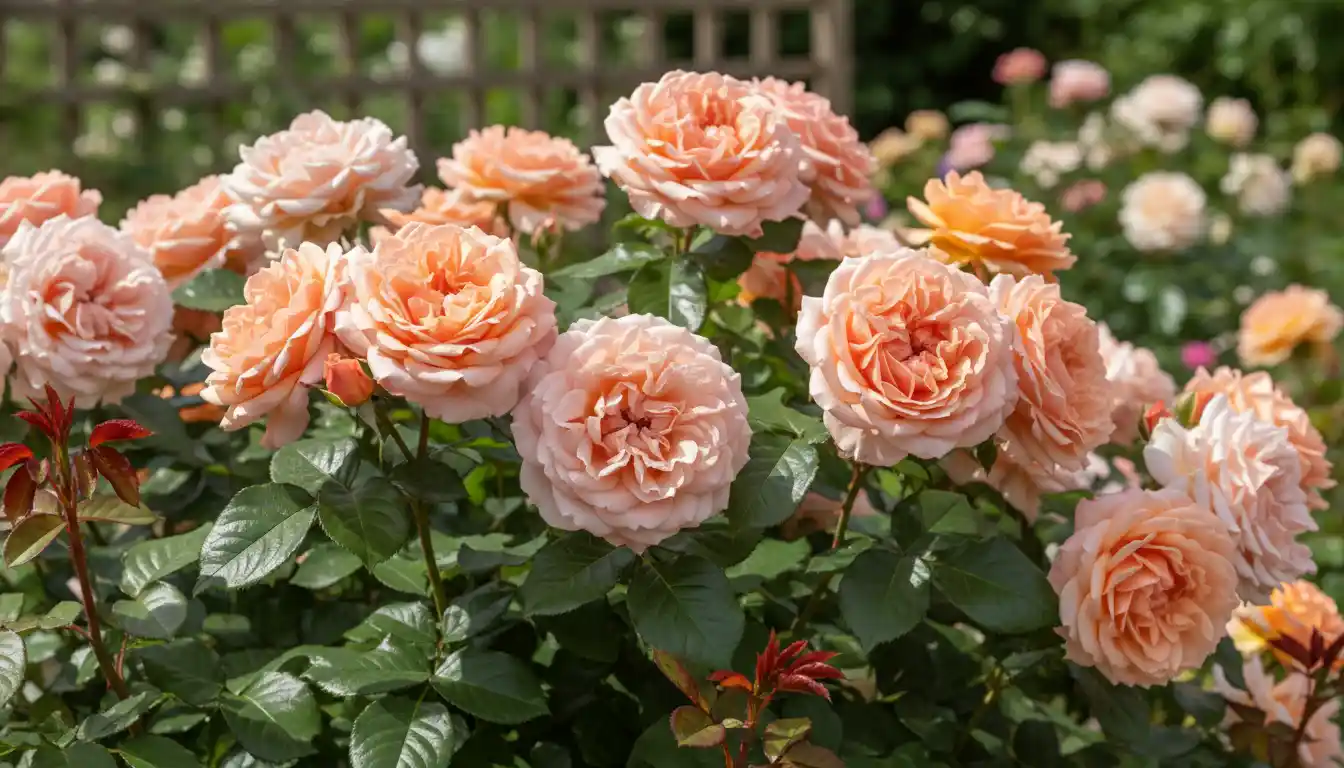
At first glance, its blooms are captivating. Each flower is packed with petals, often numbering over 100, creating a very full, cupped, old-fashioned appearance. The color is a complex and enchanting blend of salmon, apricot, and pink that shifts with the light and temperature, adding dynamic beauty to any garden setting.
Beyond its visual appeal, the Savannah rose boasts an extraordinary fragrance. The scent is strong and fruity, a powerful perfume that can grace a patio or an indoor vase. Most importantly, it is renowned for its exceptional disease resistance, particularly against black spot and mildew, two of the most common fungal issues that frustrate rose growers. This resilience, coupled with its notable heat tolerance, makes it a reliable choice for a wide range of climates.
The Foundation of Success: Planting Your Savannah Rose
Proper planting is the single most important step in ensuring a long and healthy life for your rose. Getting this right prevents a host of future problems and sets the stage for vigorous growth and prolific blooming. A few extra minutes of preparation here will pay dividends for years to come.
Choosing the Perfect Location
The location of your rose bush dictates its access to essential resources. Savannah roses require a minimum of six hours of direct sunlight per day to produce the energy needed for their abundant flowers. Morning sun is particularly beneficial as it helps to quickly dry any dew from the leaves, which is a primary defense against fungal diseases.
Equally important is air circulation. Avoid planting your rose in a crowded spot where air becomes stagnant. Good airflow helps keep the foliage dry and further reduces the risk of diseases like powdery mildew. Also, ensure the soil is well-drained; roses loathe “wet feet” and will not thrive in soil that remains waterlogged.
Soil Preparation: The Unsung Hero
Roses are heavy feeders and their performance is directly tied to the quality of the soil. Most garden soils can be dramatically improved with simple amendments. The goal is to create a rich, loamy soil that holds moisture without becoming soggy.
Before planting, dig a hole that is roughly twice as wide and just as deep as the root ball. Mix the excavated soil with a generous amount of organic matter, such as compost, aged manure, or leaf mold. This not only adds vital nutrients but also improves the soil’s structure and drainage, creating an ideal environment for the roots to establish and flourish.
Step-by-Step Planting Guide
With your location selected and soil amended, you’re ready to plant. If you have a bare-root rose, soak the roots in a bucket of water for a few hours before planting. For container-grown roses, gently remove the plant from its pot and loosen any circling roots.
Create a small mound of the amended soil in the center of the planting hole. Place the rose on top of the mound, spreading its roots down the sides. The position of the graft union—the swollen knob at the base of the stems—is crucial. In colder climates (Zone 6 and below), it should be planted about two inches below the soil level for winter protection. In warmer climates, it should sit just at or slightly above ground level.
Backfill the hole with the amended soil, gently firming it down to eliminate air pockets. Water the newly planted rose thoroughly to settle the soil around the roots. Finally, apply a two- to three-inch layer of organic mulch, such as shredded bark, around the base of the plant, keeping it a few inches away from the main canes. This will help conserve moisture, suppress weeds, and regulate soil temperature.
Mastering Savannah Rose Care for Non-Stop Blooms
Once your Savannah rose is established, a consistent care routine will ensure it remains healthy and produces a continuous display of stunning flowers. This variety is forgiving, but a little dedicated attention will elevate its performance from good to spectacular. The key is to provide consistent water, targeted nutrition, and strategic pruning.
Watering Wisdom: Deep and Infrequent
Proper watering is critical for rose health. The best practice is to water deeply and less frequently, rather than giving the plant a shallow sprinkle every day. Deep watering encourages the rose to develop a strong, extensive root system that is more resilient to drought and heat.
Aim to provide about one to two inches of water per week, depending on your climate and soil type. The best way to check if your rose needs water is to feel the soil two to three inches below the surface. If it’s dry, it’s time to water. Always apply water directly to the base of the plant, avoiding the foliage to help prevent disease.
The Art of Fertilizing
To support its vigorous growth and prolific blooming, the Savannah rose benefits from regular feeding throughout the growing season. Begin fertilizing in the early spring when new growth is about six inches long. A balanced granular fertilizer specifically formulated for roses is an excellent choice.
Continue to fertilize every four to six weeks, following the product’s instructions. Stop feeding about six to eight weeks before your average first frost date. This allows the plant to harden off its new growth in preparation for winter dormancy. Supplementing with organic matter like compost or alfalfa meal can also provide a slow release of valuable nutrients.
Pruning for Health and Beauty
Pruning is essential for maintaining the shape of your rose bush, promoting new growth, and encouraging more flowers. The main pruning should be done in late winter or early spring, just as the leaf buds begin to swell. Start by removing any dead, damaged, or crossing canes.
Next, prune the remaining healthy canes back by about one-third to one-half their length, making your cuts at a 45-degree angle about a quarter-inch above an outward-facing bud. This encourages the new growth to grow outwards, creating an open, vase-like shape that improves air circulation. Throughout the blooming season, practice “deadheading” by removing spent flowers. This not only keeps the plant looking tidy but also redirects the plant’s energy into producing more blooms.
Designing Your Houzz-Worthy Garden with Savannah Roses
The true magic of the Savannah rose lies in its versatility. Its classic form and captivating color make it a perfect fit for a variety of garden styles, from formal parterres to informal cottage gardens. Thinking like a designer can help you integrate this stunning rose into your landscape for maximum impact.
Companion Planting: A Harmonious Ecosystem
Surrounding your Savannah rose with complementary plants can elevate your garden design and create a healthier ecosystem. Companion plants can help deter pests, attract beneficial insects, and provide a beautiful contrast in texture and form.
Perennials with blue or purple flowers, such as lavender, catmint (Nepeta), and salvia, create a stunning color contrast with the peachy-pink blooms of the Savannah rose. Their spiky flower forms also provide a lovely textural difference. Low-growing annuals like sweet alyssum can form a fragrant carpet at the base of the rose, hiding its “bare legs” and suppressing weeds.
Garden Styles that Showcase the Savannah Rose
The Savannah rose is not limited to a traditional rose garden. In a cottage garden, its romantic blooms blend seamlessly with a mix of perennials and self-sowing annuals. Planted in a group of three or five, it can create a breathtaking focal point in a mixed border, providing color and fragrance all season long.
For a more formal design, consider planting Savannah roses in a grid pattern, perhaps edged with a clipped boxwood hedge. Their upright growth habit makes them well-suited for this structured approach. The key is to see the rose not just as a specimen but as a versatile design element that can unify a planting scheme.
Beyond the Garden Bed: Containers and Hedges
The compact and upright nature of the Savannah rose, typically reaching about three to four feet in height, makes it an excellent candidate for container gardening. This allows you to enjoy its beauty on a patio, balcony, or deck. Ensure the container is large enough (at least 15 gallons) and has excellent drainage.
When planted in a row, Savannah roses can form a stunning, fragrant, and informal hedge. This can be a beautiful way to define a property line or enclose a garden space. When planning such features near structures, consider all aspects of the design. For instance, if placing a hedge near a new outbuilding, forethought about utilities is wise; understanding the cost to run plumbing to a shed beforehand can prevent costly landscape revisions later.
| Season | Task | Key Considerations |
|---|---|---|
| Late Winter / Early Spring | Major Pruning & Fertilizing | Prune when bud eyes swell. Remove dead/crossing canes. Apply first dose of rose fertilizer as new growth appears. |
| Spring / Summer | Watering, Feeding & Deadheading | Water deeply 1-2 times per week. Fertilize every 4-6 weeks. Remove spent blooms to encourage reblooming. |
| Early Fall | Final Feeding & Cleanup | Apply last fertilizer dose 6-8 weeks before first frost. Clean up fallen leaves to prevent disease overwintering. |
| Late Fall / Winter | Winter Protection | After first hard frost, add extra mulch around the base, especially in colder zones. Stop pruning to avoid tender new growth. |
Troubleshooting Common Savannah Rose Issues
While the Savannah rose is exceptionally disease-resistant, no plant is entirely immune to problems. Being able to identify and address potential issues quickly will keep your rose healthy and beautiful. Fortunately, the most common problems are easily managed with good cultural practices.
Aphids are small, sap-sucking insects that may occasionally appear on new growth and flower buds. Often, a strong spray of water from a hose is enough to dislodge them. For more persistent infestations, insecticidal soap is an effective, low-impact solution. Spider mites, which thrive in hot, dry conditions, can be managed by ensuring the plant is well-watered and occasionally spraying the undersides of the leaves with water.
Although resistant, watch for signs of black spot or powdery mildew during periods of high humidity. Ensure good air circulation through proper pruning and spacing. Should any diseased leaves appear, remove and dispose of them promptly. A well-cared-for plant with a strong root system is its own best defense against pests and diseases.
Unlocking Peak Performance: Advanced Nutrient Management
To truly elevate your Savannah rose from beautiful to breathtaking, a deeper understanding of its nutritional needs is required. While balanced fertilizers provide the essential macronutrients (Nitrogen, Phosphorus, Potassium), it’s the strategic application of micronutrients that can unlock superior bloom quality, color vibrancy, and fragrance intensity.
Magnesium is crucial for chlorophyll production, which powers photosynthesis and gives the leaves their deep, glossy green color. A simple way to provide this is with Epsom salts (magnesium sulfate). A tablespoon dissolved in a gallon of water, applied to the base of the plant once in spring and once in mid-summer, can enhance foliage health. Healthy foliage directly translates to more energy for producing high-quality flowers.
Potassium and calcium play a vital role in the formation and structure of the numerous petals on the Savannah rose. These nutrients contribute to strong cell walls, which helps the blooms hold their shape and prevents “balling” in wet weather. Fertilizers with higher potassium (the ‘K’ in N-P-K) and supplements like gypsum (calcium sulfate) can be beneficial. Proper insulation of nearby structures can also play a role in the microclimate; for example, knowing if R11 insulation is good for a garage can help maintain more stable temperatures for adjacent garden areas, reducing stress on plants.
Your Questions Answered: Savannah Rose FAQ
Many gardeners have specific questions when considering a new rose variety. Here are answers to some of the most common queries about the Savannah rose, helping you plant with confidence.
Is the Savannah rose a climbing rose?
No, the Savannah rose is a hybrid tea rose that grows in an upright, bushy shrub form. It typically reaches a manageable height and spread of about 3-4 feet, making it unsuitable for training as a climber but perfect as a specimen shrub or for hedging.
How fragrant is the Savannah rose?
It is known for its strong and delightful fragrance. The scent is often described as a powerful fruity or citrusy perfume, making it an excellent choice for planting near patios, windows, or for use as a cut flower to bring its aroma indoors.
Does the Savannah rose bloom all season?
Yes, it is a repeat bloomer. Like most modern hybrid tea roses, it flowers in cycles from late spring or early summer until the first hard frost. Deadheading the spent blooms regularly will encourage the plant to produce new flowers more quickly, ensuring a continuous display of color.
Is this rose suitable for beginners?
Absolutely. Thanks to its exceptional disease resistance and tolerance for heat, the Savannah rose is considered one of the more low-maintenance hybrid tea roses. Its forgiving nature makes it an excellent choice for novice gardeners who want the beauty of a classic rose without the typical intensive care regimen.
Conclusion: Your Dream Garden is Within Reach
The journey to a stunning, Houzz-inspired garden does not need to be a frustrating battle against disease and disappointment. The solution lies in choosing smarter, more resilient plants that offer both beauty and brawn. The Savannah rose is the embodiment of this solution—a flower with the romantic allure of an heirloom and the robust health of a modern marvel.
Its profusion of fragrant, peachy-pink blooms, its glossy, disease-resistant foliage, and its forgiving nature make it an ideal choice for gardeners of all skill levels. By following the fundamental principles of proper planting, consistent care, and thoughtful design, you can cultivate a garden that not only survives but thrives, producing season after season of breathtaking beauty.
Embrace the elegance and resilience of the Savannah rose. With this exceptional variety as the centerpiece of your garden, that picture-perfect landscape you’ve been admiring is not just a dream—it’s an achievable reality.
