
Sandblasting Tiles: Unlock a Stunning, Non-Slip Finish
That beautiful tile patio, poolside deck, or bathroom floor has lost its charm. Over time, it’s become dangerously slippery when wet, covered in stubborn stains, or simply looks dated. You’ve tried pressure washing and harsh chemicals with disappointing results, leaving you frustrated with a surface that is both an eyesore and a safety hazard.
This common problem plagues homeowners who want to restore the beauty and safety of their tiled surfaces without the massive expense of a full replacement. Fortunately, a powerful and transformative technique known as sandblasting offers a remarkable solution. It can rejuvenate old tiles, create stunning custom designs, and, most importantly, provide a safe, non-slip texture.
You'll Learn About
What Exactly is Sandblasting for Tiles?
Sandblasting, or abrasive blasting, is a process that propels a stream of abrasive particles at a surface under high pressure. This technique effectively strips away contaminants, removes old coatings, or etches a new texture onto the material. Though the name implies sand, modern methods use a variety of media chosen specifically for the surface being treated.
Unlike chemical stripping, which can be hazardous and leave residue, sandblasting is a mechanical process that scours the surface clean. It’s far more aggressive and effective than power washing for removing deep-set grime, paint, and stubborn mineral deposits like calcium. The result is a uniformly clean and textured surface, prepared for sealing or ready for immediate use.
The Transformation: Key Benefits of Sandblasting Your Tiles
Addressing common homeowner problems is where sandblasting truly shines. It offers direct, effective solutions for issues that other cleaning methods can’t resolve, turning problematic surfaces into functional and beautiful features of your home.
Create a Safe, Non-Slip Surface
The Problem: Polished ceramic, porcelain, or natural stone tiles become incredibly slippery when wet. This poses a significant safety risk around pools, on outdoor patios, and in bathrooms, especially for children and the elderly.
The Solution: Sandblasting etches the tile’s surface, creating a fine, gritty texture that dramatically increases grip and slip resistance. This is one of the most practical and popular applications for tile sandblasting, turning hazardous areas into safe zones.
Restore and Revive Old, Grimy Tiles
The Problem: Outdoor tiles are constantly exposed to dirt, algae, mold, and stains that penetrate the surface over years. Indoor tiles in high-traffic areas can become permanently discolored and dull.
The Solution: The abrasive force of sandblasting removes the topmost layer of the tile, taking with it years of accumulated grime and discoloration. This process can restore tiles to a like-new condition, revealing the fresh material underneath.
Achieve Unique Custom Designs and Finishes
The Problem: Your tiles are functional but plain and lack personality. You want a unique aesthetic that reflects your style without undertaking a complete renovation.
The Solution: Sandblasting allows for incredible artistic freedom. Using stencils, intricate patterns, borders, or even custom images can be etched onto the surface of the tile. This turns a boring floor or wall into a bespoke piece of art.
Choosing Your Weapon: Abrasive Media for Different Tile Types
The success of a tile sandblasting project depends entirely on selecting the right abrasive media. Using an aggressive grit on a soft tile can cause irreparable damage. This is why professional assessment is crucial.
The choice of abrasive and the pressure (measured in PSI) must be perfectly calibrated to the tile’s hardness and the desired outcome. This precision is key to achieving a beautiful finish without chipping, cracking, or destroying the tile.
| Tile Type | Recommended Abrasive Media | Typical Pressure Range (PSI) | Expected Outcome & Notes |
|---|---|---|---|
| Porcelain | Glass Beads, Aluminum Oxide (Fine) | 60-90 PSI | Creates a fine, matte texture. Porcelain is very durable, but high pressure can still damage the glaze. |
| Ceramic | Glass Beads, Walnut Shells, Baking Soda | 40-70 PSI | Requires a gentle approach. Ideal for cleaning or light etching; aggressive media will destroy the softer surface. |
| Natural Stone (Granite, Travertine) | Aluminum Oxide, Crushed Glass, Garnet | 80-120 PSI | Can handle more aggressive media for deep cleaning or creating a rough, non-slip finish. |
| Slate | Glass Beads, Fine Crushed Glass | 50-80 PSI | Blasting can enhance the natural layers and texture of slate. Care must be taken not to cause flaking. |
| Pool Tiles (Ceramic/Porcelain) | Glass Beads, Kieserite (Mineral Salt) | 40-80 PSI | Excellent for removing stubborn calcium buildup without damaging the delicate tile glaze. |
The DIY vs. Pro Debate: Can You Sandblast Tiles Yourself?
While DIY sandblasting kits are available, tackling a tile project yourself is fraught with risk. The equipment required—including a powerful air compressor, a blast gun, and appropriate abrasive media—is specialized and expensive. More importantly, the potential for costly mistakes is extremely high.
The primary concerns with DIY tile sandblasting include severe health risks from inhaling airborne particles (especially silica dust, which causes silicosis), and the high probability of permanently damaging your tiles. Without experience, it is very easy to apply too much pressure or use the wrong media, resulting in cracked or unevenly etched tiles. For these reasons, hiring a professional service is strongly recommended.
A Step-by-Step Guide to Professional Tile Sandblasting
Understanding the professional process helps you know what to expect and ensures you hire a qualified expert. A reputable service will follow a meticulous procedure to protect your property and deliver a flawless result.
Step 1: Assessment and Media Selection
A professional will first identify your tile material and discuss your desired finish. They will then select the appropriate abrasive media and determine the optimal pressure setting for the job.
Step 2: Area Preparation and Containment
This is a critical step. The work area will be sealed off with heavy-duty tarps or plastic sheeting to contain the abrasive media and dust. All surrounding surfaces, including walls, furniture, and landscaping, are carefully protected.
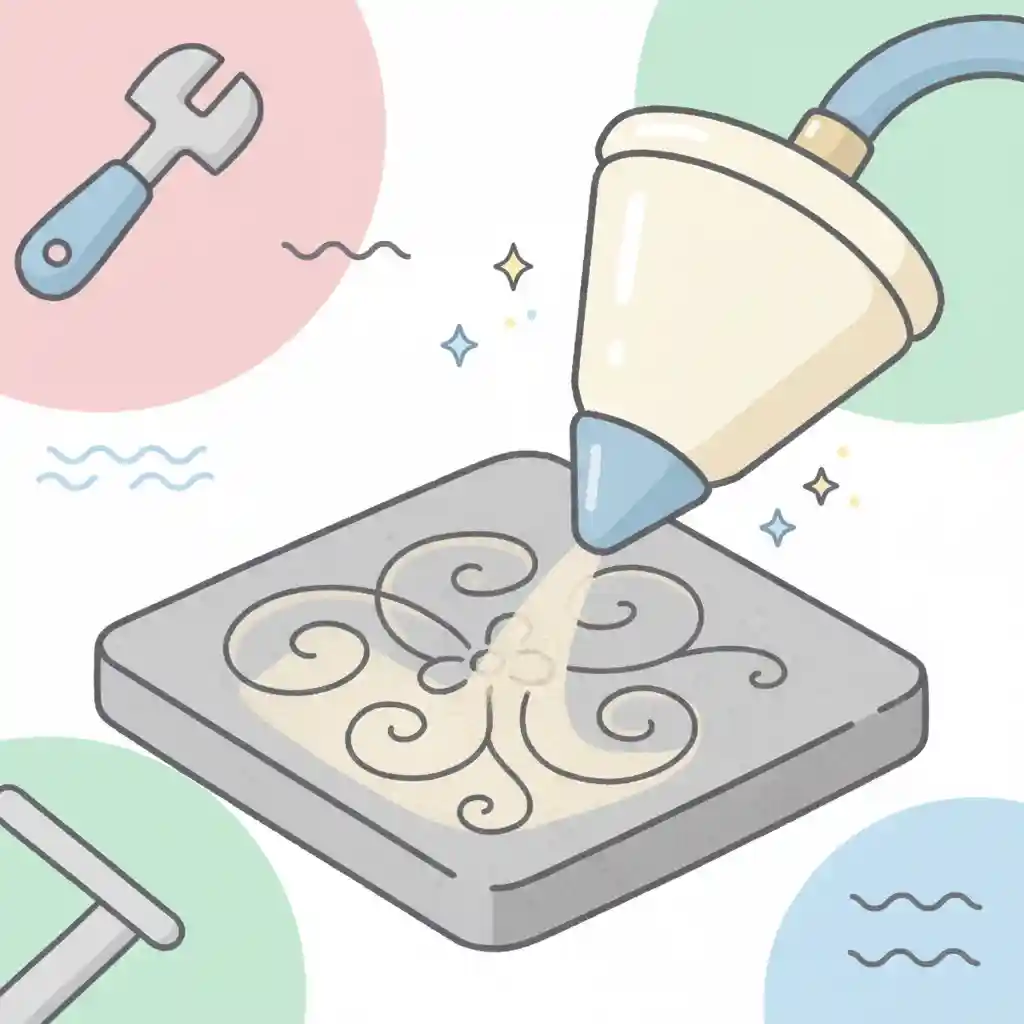
Step 3: The Blasting Process
Wearing full protective gear, the technician will systematically blast the tile surface. They use consistent, sweeping motions to ensure a uniform finish, carefully working across the entire area to avoid blotches or uneven texturing.
Step 4: Thorough Cleanup
After the blasting is complete, a comprehensive cleanup is performed. This involves using industrial vacuums to collect all spent abrasive media and dust, leaving your space clean and tidy.
Step 5: Sealing the Surface
This final step is non-negotiable. Sandblasting opens the pores of the tile, making it susceptible to staining. A high-quality penetrating sealer is applied to protect the newly textured surface, making it resistant to dirt, oil, and water.
Beyond the Obvious: Creative Applications for Sandblasted Tiles
While safety and restoration are primary benefits, sandblasting opens up a world of creative possibilities that go far beyond simple surface texturing. This technique allows for a level of personalization that can elevate any home and garden project.
Consider etching custom house numbers directly onto the tiles of your front entryway for a permanent, high-end look. For a large patio, sandblasting can be used to create elegant, intricate borders or even a central medallion design. On glass tiles, it can produce a beautiful frosted effect, perfect for creating privacy in bathrooms without blocking light.
Avoiding Disaster: Critical Mistakes and How to Prevent Them
Knowledge is the best defense against a botched project. Whether you hire a professional or brave the DIY route, being aware of common pitfalls is essential for achieving the desired outcome.
Using the Wrong Pressure: Too much force can shatter a tile. It’s a common mistake when encountering a tough spot; the instinct is to increase pressure, much like when you can’t drill through a wall and just push harder, which is often the wrong approach.
Poor Preparation: Sandblasting creates a massive amount of dust. If the area isn’t properly contained, this dust will settle on everything. The mess can be similar to the fine powder you see when drywall is crumbling when drilling, but on a much larger scale.
Skipping the Sealer: An unsealed sandblasted tile is a magnet for dirt, grease, and grime. Forgetting to seal the surface after blasting is one of the biggest mistakes, as it leaves the porous tile completely unprotected.
The Cost Factor: Budgeting for Your Tile Transformation
Professional sandblasting for tiles is typically priced by the square foot, with costs generally ranging from $1.50 to $3.50. The final price depends on factors like the type of tile, the complexity of the job, the chosen abrasive, and the amount of preparation required.
While there is an upfront investment, it is often significantly more affordable than the cost of completely removing and replacing the old tiles. When considering high-end home improvements, it’s wise to view the cost in terms of value and longevity. Much like wondering why is Kohler Purist so expensive, the answer lies in the quality, durability, and superior finish you receive for your investment.
Frequently Asked Questions (FAQ)
Can you sandblast delicate ceramic tiles?
Yes, but it must be done with extreme care. A professional will use a very soft abrasive, like walnut shells or baking soda, at a very low pressure to gently clean or etch the surface without shattering the tile.
Will sandblasting remove the grout between tiles?
It can. The abrasive stream can erode old or soft grout. This is often a desired effect if you plan on regrouting, as it helps clean out the grout lines in preparation for new material.
How long does a professional tile sandblasting project take?
The timeline depends on the size and complexity of the area. However, a standard-sized patio, pool deck, or bathroom can typically be completed in a single day, including preparation and cleanup.
Conclusion: Is Sandblasting the Right Choice for Your Tiles?
Sandblasting is a uniquely powerful and versatile solution for transforming tiled surfaces. It addresses critical issues of safety by creating non-slip textures, restores the beauty of old and stained tiles, and offers endless possibilities for custom designs.
While it is a complex process that demands professional expertise to avoid costly damage, the results are often spectacular. If you are facing the challenge of slippery, dull, or outdated tiles, sandblasting is an exceptional method to rejuvenate your space, adding lasting value, safety, and beauty to your home.
