
Russian Sage Not Blooming? 7 Culprits Robbing Your Garden of Color
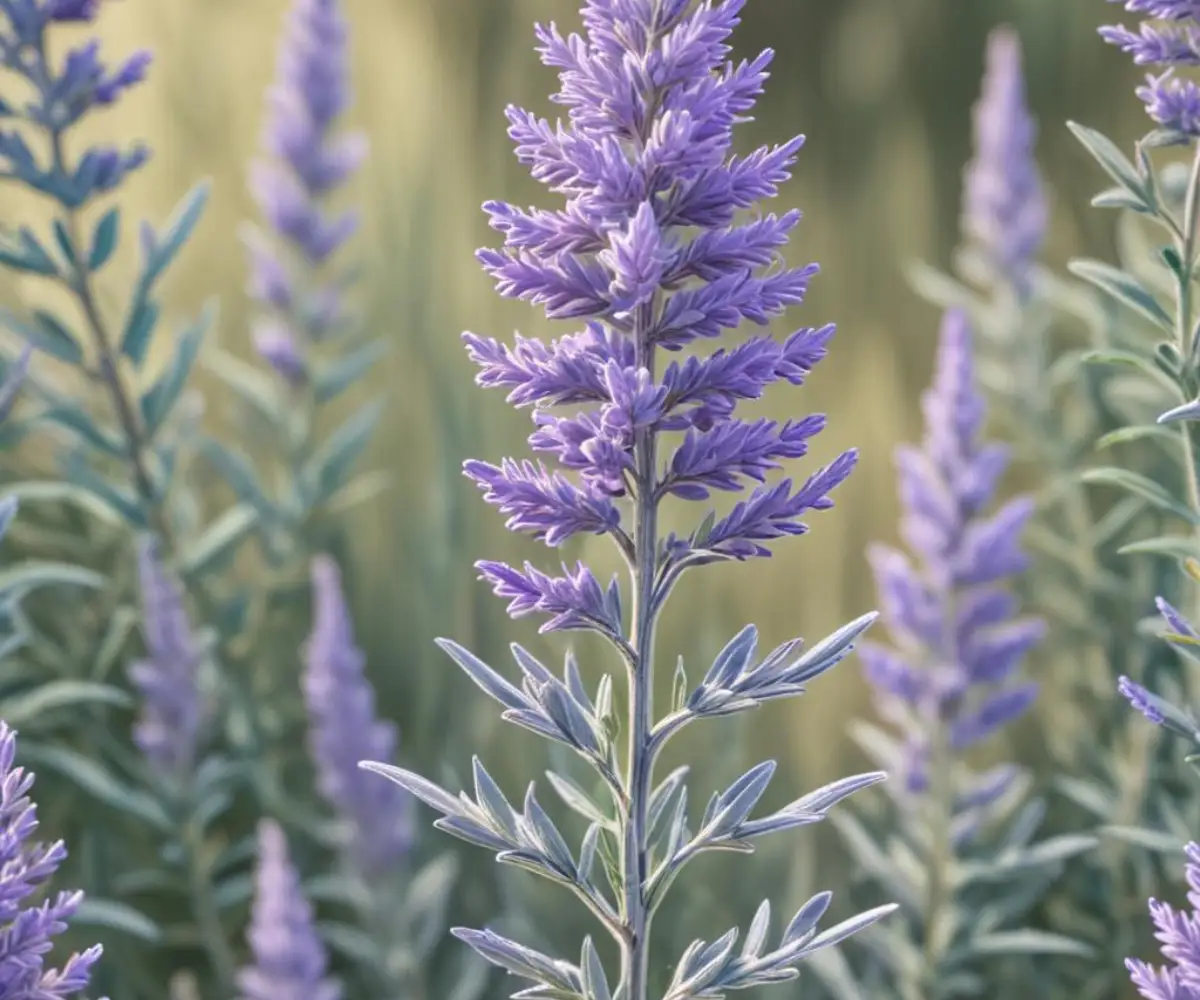
It is a frustrating sight for any gardener: a Russian sage plant that produces lush, silvery-green foliage but stubbornly refuses to bloom. Those iconic, hazy spires of lavender-blue flowers are the main attraction, and their absence can turn a prized perennial into a source of disappointment. If you’re staring at a flowerless bush, you are not alone; it’s a common issue with identifiable causes and clear solutions.
This guide will diagnose the seven most common culprits behind a non-blooming Russian sage. We will explore each issue in detail and provide a clear, actionable plan to encourage a spectacular floral display in your garden.
You'll Learn About
The Anatomy of a Bloom: Understanding Your Russian Sage’s Needs
Before diving into the problems, it’s crucial to understand what Russian sage (Salvia yangii) truly craves. Native to the arid landscapes of Central Asia, this plant is genetically programmed to thrive in conditions that many other perennials would find challenging. Its fundamental needs are simple: full sun, lean soil, and excellent drainage.
This plant is a testament to the “less is more” philosophy of gardening. It flourishes with a degree of neglect that would spell doom for fussier plants. Understanding this core principle is the first step toward diagnosing why yours isn’t performing as expected.
The Primary Suspects: Why Your Russian Sage Refuses to Flower
When your Russian sage is all leaves and no flowers, it is sending a clear signal that one of its fundamental needs is not being met. Let’s break down the most likely reasons, from the obvious to the overlooked.
Culprit #1: The Shadow Dweller – Insufficient Sunlight
This is the number one reason for a Russian sage failing to bloom. These plants are true sun-worshippers and require a minimum of six to eight hours of direct, unfiltered sunlight each day to produce flowers. Less sun will result in a plant that prioritizes leafy growth over blooming.
A plant starved for light often becomes “leggy,” with long, stretched-out stems that may flop over. If you suspect a lack of sun is the issue, the only effective solution is to carefully transplant it to the sunniest, most open spot in your garden.
Culprit #2: Drowning in Kindness – Overwatering & Poor Drainage
Russian sage is exceptionally drought-tolerant once established and detests “wet feet.” Overwatering or planting in dense, heavy soil that retains moisture is a fast track to problems, including the complete absence of blooms. Soggy conditions lead to root rot, which impairs the plant’s ability to absorb nutrients and triggers survival mode, halting flower production.
The soil should be allowed to dry out completely between waterings. If you have heavy clay soil, amending it with sand or fine gravel is essential to improve drainage and create the arid conditions this plant loves.
Culprit #3: The Nitrogen Trap – Too Much Rich Food
Gardeners are often conditioned to believe that rich soil and regular fertilizer are keys to success, but for Russian sage, this is a critical mistake. Rich soil or the application of high-nitrogen fertilizers will produce a beautiful, lush, green plant with virtually no flowers. Nitrogen promotes foliage growth at the expense of blooms.
This plant thrives in lean, even poor, soil. Stop all fertilizing. If your garden soil is naturally rich, you can amend the area with sand or grit to reduce its fertility and improve drainage, better mimicking its native habitat.
Culprit #4: A Bad Haircut – Improper Pruning
Pruning is essential for Russian sage, but the timing and method are critical. Russian sage blooms on new wood, meaning the flowers form on the growth produced in the current season. The most common mistake is pruning at the wrong time of year or not at all.
The correct method is to cut the entire plant back hard in late winter or early spring, just as the new growth begins to emerge. Trim the woody stems down to about 6 to 8 inches from the ground. This stimulates vigorous new growth that will be covered in flowers come mid-summer.
Culprit #5: Environmental Shock & Stress
Plants, like people, can be stressed by sudden changes. A recently transplanted Russian sage may forgo blooming for a season as it dedicates all its energy to establishing a new root system. Extreme weather, such as a late frost after new growth has started or a period of unusual heat, can also shock the plant and delay or prevent flowering.
Patience is key in these situations. Provide consistent care, ensure its core needs are met, and allow the plant time to recover and acclimate. Trying to force it with fertilizer or excess water will only compound the stress.
Culprit #6: The Vigor Void – Plant Age and Overcrowding
A very young Russian sage may simply need a year or two to mature before it has the energy reserves to produce a robust floral display. Conversely, a very old plant can become woody and congested at its center, leading to diminished vigor and fewer blooms.
If you have an older, overgrown plant, a “hard reset” pruning in early spring can rejuvenate it. Poor air circulation from overcrowding by neighboring plants can also stress Russian sage and invite fungal issues, so ensure it has adequate space.
Culprit #7: The Unseen Enemy – Soil Compaction
One of the most overlooked causes of a non-blooming perennial is soil compaction. If your Russian sage is planted near a walkway or in an area with frequent foot traffic, the surrounding soil can become hard and compressed. This physically restricts root growth and limits the uptake of water and essential micronutrients.
This hidden stressor forces the plant into a survival state where flowering is a low priority. Carefully aerating the soil around the plant’s base with a garden fork or applying a layer of organic mulch can encourage earthworm activity, which naturally alleviates compaction over time.
Your Action Plan: A Step-by-Step Guide to Force a Flower Show
Now that you have identified the potential culprits, it is time to take action. Use the following table as a quick diagnostic tool to match the symptoms in your garden with the most likely cause and its corresponding solution.
| Symptom | Most Likely Cause | Solution |
|---|---|---|
| Leggy, sprawling growth with few or no flowers. | Insufficient Sunlight | Transplant to a location with 6-8+ hours of direct sun. |
| Yellowing leaves, mushy base, lack of vigor. | Overwatering / Poor Drainage | Reduce watering frequency and amend heavy soil with sand or grit. |
| Extremely lush, green foliage but no blooms. | Excess Nitrogen / Rich Soil | Stop all fertilizing immediately. Amend soil to make it leaner. |
| Old, woody growth with flowers only at the tips. | Improper Pruning | Prune back hard to 6-8 inches in late winter or early spring. |
| Healthy appearance but simply no signs of buds. | Plant Age / Environmental Stress | Be patient. Ensure basic needs are met and allow time to mature or recover. |
| Stunted growth, plant seems to be struggling. | Soil Compaction | Gently aerate soil around the plant and ensure it has adequate space. |
By systematically addressing these issues, you can correct the environmental imbalances that are holding your plant back. Russian sage is remarkably resilient and often responds quickly once its preferred conditions are restored.
Advanced Techniques for Stubborn Plants
If you have addressed the common issues and your Russian sage still refuses to cooperate, a few advanced strategies can help encourage even the most reluctant plant to bloom.
The “Hard Reset” Pruning Method
For an old, woody, and underperforming plant, a more aggressive pruning approach can work wonders. In early spring, instead of cutting back to 6 inches, you can prune the plant down to just a few inches from the base. This forces the plant to generate entirely new, vigorous growth from the crown, which will be much more productive in flowering.
Soil Amendment Secrets
If you are battling heavy clay soil, surface amendments may not be enough. When transplanting or planting a new Russian sage, go the extra mile by digging a larger hole and amending the backfill soil with a significant amount of pea gravel and coarse sand. This creates a pocket of perfect drainage that will help the plant thrive for years to come.
The Power of Patience and Observation
Sometimes the best tool a gardener has is patience. A plant may simply need a full season to bounce back from stress or establish itself in a new location. Continue to observe your plant, ensuring its basic cultural needs are met. Understanding the core needs of perennials is a cornerstone of successful gardening. For a deeper dive, exploring proven secrets for various Gardenweb perennials can provide a broader context for plant care.
Frequently Asked Questions (FAQ)
Should I deadhead Russian sage to get more blooms?
Unlike many other perennials, deadheading Russian sage is not necessary to encourage reblooming. The plant produces a long-lasting display on its new growth, and removing spent flowers will not significantly impact the overall bloom time, though it can tidy up the plant’s appearance late in the season.
Can I grow Russian sage in a container?
Yes, Russian sage can be grown in containers, but it requires a large pot to accommodate its root system and absolutely impeccable drainage. Use a gritty, well-draining potting mix designed for succulents or cacti and be extremely careful not to overwater, as containers can become waterlogged easily.
What is the best time to plant or move a Russian sage?
The best times to plant or transplant Russian sage are in the spring or early fall. These milder seasons allow the plant to establish its roots without the stress of extreme summer heat or winter cold, giving it the best possible start for a future full of flowers.
From Frustration to Floral Display
A Russian sage that won’t bloom is almost always a result of a simple mismatch between the plant’s needs and its environment. This tough, low-maintenance perennial is not asking for more care—it is usually asking for less. By providing the trinity of full sun, excellent drainage, and lean soil, you align with the plant’s natural tendencies.
Combine these foundational elements with a proper pruning strategy, and you will transform your leafy underperformer into the spectacular, pollinator-attracting centerpiece it was meant to be. With these adjustments, you can look forward to a long season of beautiful, hazy lavender-blue blooms for years to come.
