
Rubio Monocoat Problems? The #1 Mistake That Ruins Wood Floors
Rubio Monocoat has surged in popularity for its promise of a beautiful, natural, and eco-friendly wood finish in a single coat. It’s the go-to choice for designers and homeowners who crave that matte, close-to-the-wood feel that traditional polyurethanes can’t replicate.
But behind the stunning Instagram photos lies a hidden reality: a growing number of users report frustrating and unsightly problems. From mysterious water stains to disappointing durability, what seems like a miracle product can quickly become a homeowner’s headache.
This guide dives deep into the most common Rubio Monocoat problems. More importantly, it reveals the single biggest application mistake that causes most of these issues and provides a clear, actionable plan to fix them and maintain your floors perfectly.
You'll Learn About
What Is Rubio Monocoat and Why Is It So Popular?
Before tackling the problems, it’s essential to understand what makes this product unique. Unlike polyurethane coatings that form a plastic film on top of the wood, Rubio Monocoat is a hardwax oil that works through a process of molecular bonding.
This means it forms a chemical bond with the topmost wood fibers themselves, creating a protective layer without a noticeable film. This method is the key to both its biggest strengths and its most misunderstood weaknesses.
The Allure of a Single-Coat, Natural Finish
The primary appeal is aesthetic and practical. The finish penetrates the wood, enhancing the natural grain and texture for a raw, organic look that feels incredible underfoot. Because it bonds with available wood fibers, any excess oil simply won’t adhere, which is the basis for its “single coat” technology.
Furthermore, it contains 0% Volatile Organic Compounds (VOCs), making it a safe, plant-based choice for families and the environmentally conscious. This lack of harsh solvents means a much healthier indoor air quality during and after application.
The Unspoken Truth: Common Rubio Monocoat Problems Revealed
Despite its benefits, the internet is filled with forums and threads detailing frustrating issues. These problems almost always stem from a misunderstanding of how the product works, either during application or long-term maintenance.
The Nightmare of Water Stains and Dark Spots
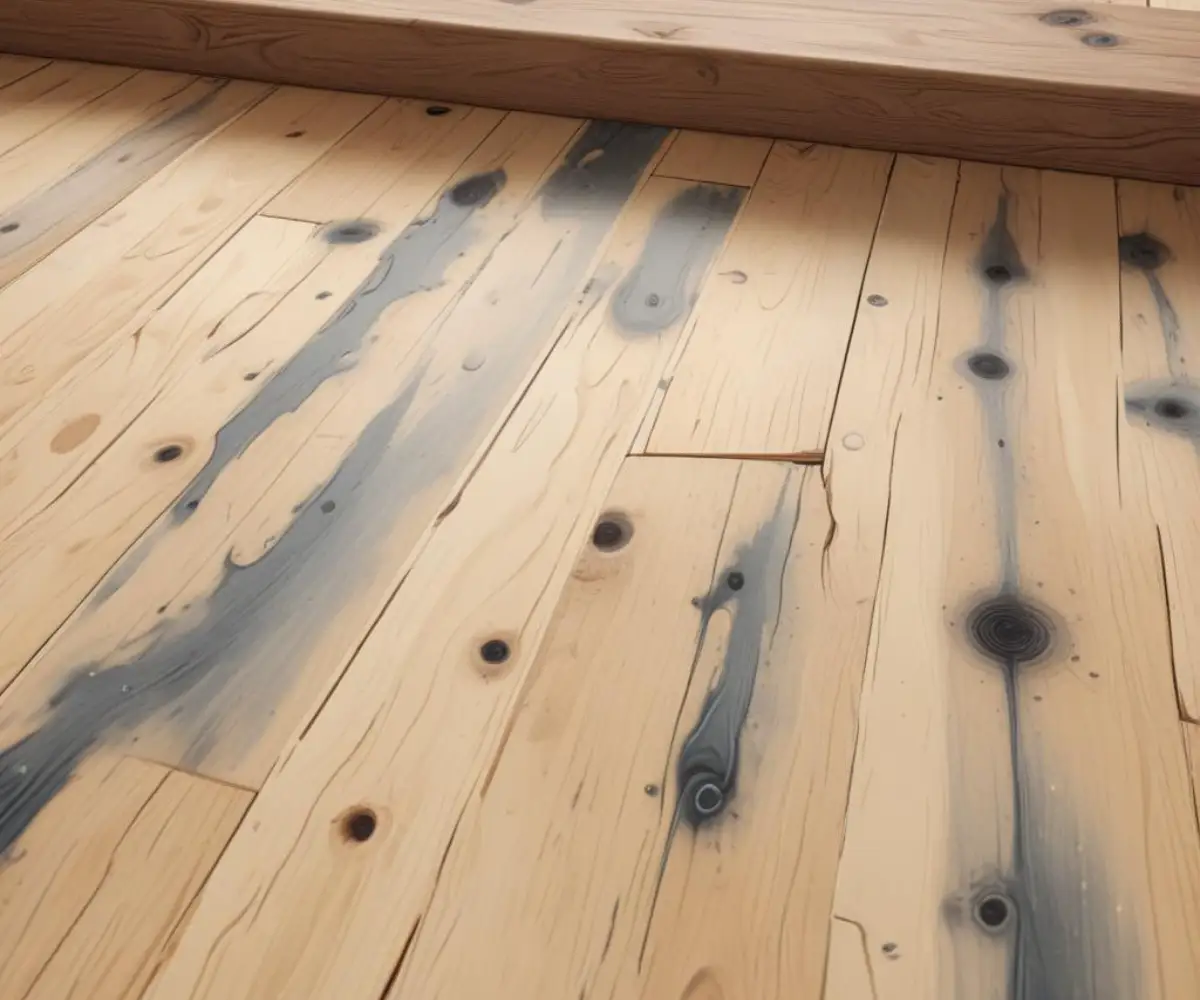
By far the most prevalent complaint is the appearance of dark spots from water and other spills. A simple puddle from a pet’s water bowl or a wet glass left on the floor can create a dark, almost black, ring that seems impossible to remove.
This happens because the hardwax oil finish, while water-resistant, is not waterproof like polyurethane. When water penetrates the finish, it reacts with tannins, which are natural extracts within the wood, causing a chemical stain. This is especially common in woods high in tannins, like oak.
Application Errors: The Biggest Source of Failure
Many reported “product failures” are actually application failures. An uneven sheen, blotchy patches, and visible lap marks are common signs that the application process was flawed. The finish is deceptively simple, leading many to overlook critical steps.
The number one cause is improper surface preparation. The wood must be sanded to the correct grit and be perfectly clean of any dust. Any imperfections left on the wood will be highlighted, not hidden, by the oil.
Durability and Scratching: Is It Tough Enough?
Users often question the finish’s durability, reporting scratches from pets’ nails or furniture. While Rubio Monocoat offers good protection against everyday wear, it does not have the hard, sacrificial layer of a polyurethane finish. It is a finish that is *in* the wood, not *on* the wood.
This means it can be more susceptible to surface-level scratches. However, the trade-off is the incredible ability to perform spot repairs, something nearly impossible with a traditional film-forming finish.
The #1 Mistake Everyone Makes (And How to Avoid It)
The single most critical mistake that leads to the majority of Rubio Monocoat problems is failing to completely and thoroughly remove the excess oil. After applying the oil and letting it react for a few minutes, every last bit of excess *must* be wiped and buffed off the surface.
When even a microscopic layer of unbonded oil is left behind, it creates a sticky, weak surface. This tacky residue never fully cures. It attracts dust and dirt, shows footprints, and is the primary culprit behind water spotting, as the water mixes with the uncured oil to create a gummy mess.
The Perfect Buff-Off: A Zero-Residue Method
Achieving a perfect finish hinges on this final step. After letting the oil sit for 3-5 minutes, begin removing the excess with clean, lint-free cloths. The goal is to continue wiping with fresh cloths until your final cloth comes away completely clean, with no oil residue whatsoever.
For floors, using a floor buffer with a white pad is non-negotiable for achieving a uniform, professional result. The process is not about rubbing the oil in; it’s about making sure only the bonded oil remains, leaving the surface feeling dry to the touch immediately after.
Your Step-by-Step Guide to Fixing Rubio Monocoat Problems
The good news is that most Rubio Monocoat issues are correctable without having to refinish the entire floor. The ability to perform localized, invisible repairs is one of the product’s greatest strengths.
How to Repair Water Stains and Black Spots
For those dark, tannin-related water stains, do not panic and do not reach for a sander first. Rubio Monocoat has a specific product designed to reverse this chemical reaction: Tannin Remover.
First, clean the affected area with Rubio Monocoat Surface Soap to remove any surface grime. Then, spray the Tannin Remover on the spot, let it sit, and watch as the black stain magically disappears. After it’s dry, you simply re-apply a tiny amount of the original Oil Plus 2C to the spot to restore the protection.
Fixing Scratches and Scuffs Like a Pro
Fixing a scratch is remarkably simple. First, clean the damaged area thoroughly. If it’s a light scuff, a vigorous cleaning might be enough. For a deeper scratch, you may need to lightly sand *only the scratch itself* with a fine-grit paper (220 grit or higher).
After sanding, clean away all dust and apply a small dab of Oil Plus 2C with a cloth, working it into the scratch. Let it react for a few minutes, then meticulously buff off all the excess from the surrounding area. The new oil will bond only to the wood fibers you exposed, seamlessly blending with the existing finish.
Correcting an Uneven or Blotchy Finish
If you’re dealing with a larger area of blotchiness from leaving too much oil on the surface, the fix is more involved. You can try a deep clean using Rubio Monocoat Universal Soap, which can sometimes even out minor inconsistencies.
However, for significant application errors, the only true solution is to sand the affected area back to raw wood and start over. This underscores the importance of getting the application, specifically the buffing-off process, right the first time. The visual effect of your floor, whether you have a complex layout like in some herringbone tile problems or a simple plank design, depends entirely on a flawless finish.
Proactive Care: The Secret to a Lasting Rubio Monocoat Finish
The key to long-term success with this finish is a complete shift in mindset from how you would care for a polyurethane floor. You are no longer cleaning a layer of plastic; you are nourishing the wood itself. Proper maintenance is not optional—it is essential.
This means avoiding the wrong cleaning products at all costs. Water alone is not sufficient and can slowly wear down the protective finish. Common household cleaners like vinegar, Murphy Oil Soap, or anything with harsh chemicals will strip the oil and leave your floor vulnerable.
The Right Cleaning & Maintenance Routine
You must use a compatible, pH-neutral soap. The manufacturer’s own Rubio Monocoat Soap is designed to clean the surface without removing the protective oil. In fact, it contains small quantities of oil to nourish the finish with every wash.
Over time, high-traffic areas will begin to look dry or dull. This is a sign that the finish needs to be refreshed. Applying a coat of Rubio Monocoat Renew or Universal Maintenance Oil every 1-3 years will restore the satin sheen and water-resistance, effectively making your floor’s protection new again.
| Maintenance Type | Frequency | Product Used | Purpose |
|---|---|---|---|
| Routine Cleaning | Weekly / Bi-Weekly | Rubio Monocoat Surface Soap | Removes dirt and grime without stripping the oil finish. |
| Deep Cleaning | As Needed | Rubio Monocoat Universal Soap | For more stubborn dirt or preparing the surface for maintenance. |
| Periodic Refresh | Every 1-3 Years | Rubio Monocoat Renew / Universal Maintenance Oil | Nourishes the wood, restores satin luster, and boosts protection. |
| Spot Repair | As Needed | Original Oil Plus 2C | Permanently fixes scratches, scuffs, and other localized damage. |
Is Rubio Monocoat Right for Your Home?
Ultimately, choosing this finish requires an honest assessment of your lifestyle and expectations. The visual appeal is undeniable, and the eco-friendly, repairable nature is a massive advantage over traditional coatings. It’s a key element in creating a cohesive design, much like choosing the right curtains with wood blinds to complement your natural floors.
Who It’s Perfect For
This finish is ideal for the meticulous homeowner who appreciates the beauty of natural wood and is willing to follow the specific maintenance routine. It’s a fantastic choice for those who want to avoid harsh chemicals and value the ability to perform easy, permanent spot repairs for the life of the floor.
Who Should Think Twice
If you are looking for a low-maintenance, “mop-and-go” surface that can withstand puddles of water and heavy abuse with minimal upkeep, you may be better served by a high-quality polyurethane. Homes with multiple pets, very young children, and a high-traffic, chaotic environment may find the required diligence for a hardwax oil finish to be challenging.
In some cases, a homeowner might consider unique design choices, like a carpet inlay in a wood floor, to minimize wear in certain areas. But for the wood that remains exposed, understanding the finish is paramount. Rubio Monocoat isn’t just a product; it’s a system that, when understood and respected, delivers one of the most beautiful and sustainable wood finishes available today.
