
Roof Deck on Pitched Roof: Unlock Hidden Space or Invite Disaster?
For homeowners with a pitched roof, the dream of a rooftop deck often seems like an architectural fantasy. The sloped surfaces that efficiently shed rain and snow appear to be the biggest obstacle to creating a usable, flat outdoor living area. This challenge leads many to dismiss the idea, leaving square footage with the best views in the house completely unused.
The core problem isn’t just the slope; it’s a complex puzzle of structural engineering, waterproofing, and safety. Simply building a platform isn’t an option. Without professional planning, an improperly constructed roof deck can lead to catastrophic leaks, structural failure, and significant damage to your home.
You'll Learn About
Why a Pitched Roof Deck is the Ultimate Home Upgrade
Transforming an unused roof into a functional deck is more than just adding a feature; it’s about fundamentally changing how you experience your home. A rooftop deck unlocks the highest point of your property, offering unparalleled views and a private escape from the world below. It creates a valuable new area for relaxation, gardening, or entertaining guests under the open sky.
Beyond the lifestyle benefits, a professionally executed roof deck is a significant investment that can dramatically increase your home’s market value. It’s a unique and luxurious amenity that makes a property stand out. This architectural statement piece turns a conventional roofline into a stunning and functional outdoor oasis.
The Elephant in the Room: Is Building on a Sloped Roof Even Possible?
The short answer is a resounding yes, but with major caveats. Building a roof deck on a pitched roof is a highly specialized construction project that is absolutely not suitable for a DIY approach. The project’s success hinges on overcoming three critical hurdles: creating a level surface, ensuring absolute watertightness, and guaranteeing the existing structure can handle the new loads.
Each of these challenges requires the expertise of architects, structural engineers, and experienced builders who specialize in rooftop construction. They work together to design a system that is both safe and durable, turning a complex structural problem into a beautiful and lasting home addition. Failure to address any of these elements properly can have severe consequences for your home’s integrity.
Critical Structural Hurdles You Absolutely Cannot Ignore
Venturing into a roof deck project without a deep understanding of the structural implications is a recipe for disaster. Your home’s roof was designed to support its own weight, roofing materials, and environmental loads like snow. It was not designed to support the constant weight of a deck, furniture, and people.
Overcoming this fundamental challenge involves a professional and meticulous approach to design and engineering. Every connection, every beam, and every waterproofing layer must be flawlessly executed to ensure the safety and longevity of both the deck and your home.
The Art of Leveling: Creating a Flat Surface on a Slope
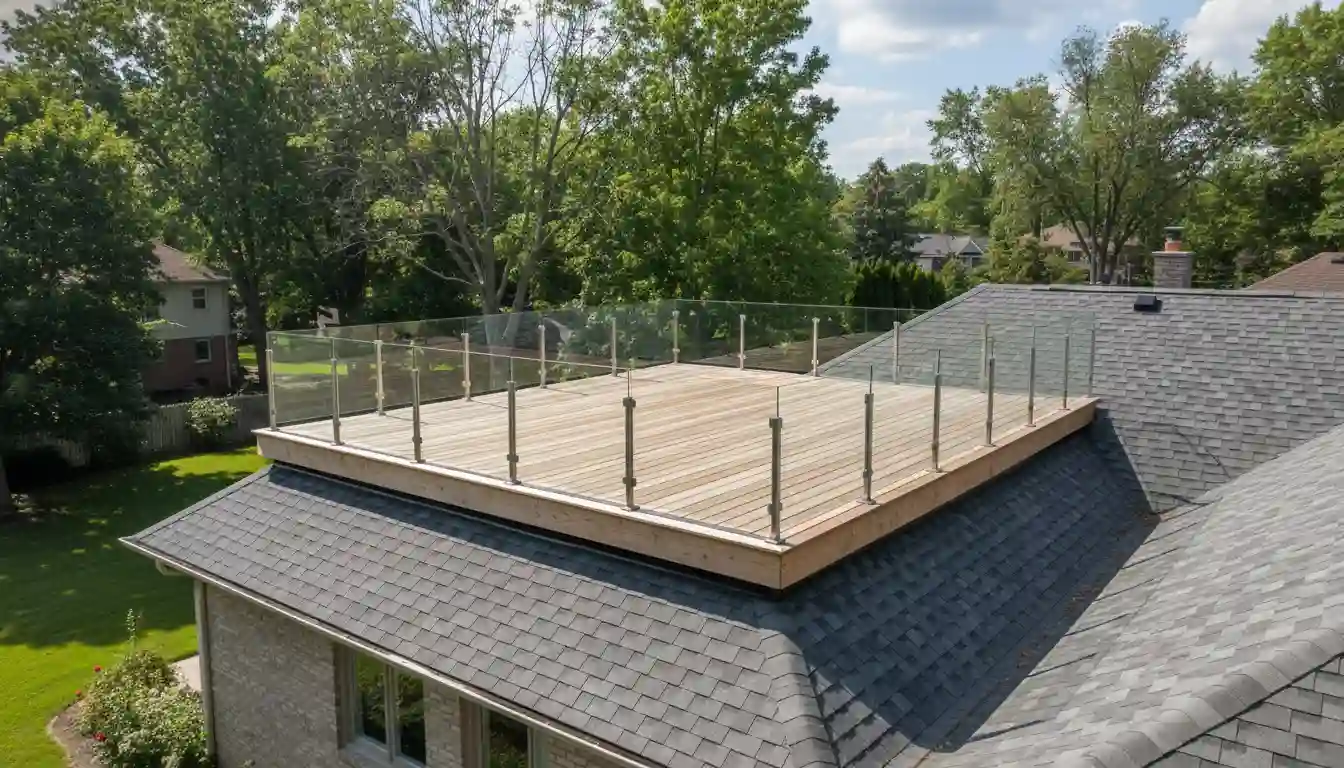
The most obvious challenge is converting the roof’s angle into a perfectly level deck. This is typically achieved using a sleeper system or a pedestal deck system. A sleeper system involves building a secondary wood frame that sits on top of the roof, with vertical supports cut to varying heights to create a flat plane for the deck boards.
Alternatively, adjustable pedestal systems offer a modern solution. These supports can be individually tuned to precise heights, allowing them to compensate for the roof’s slope and create a perfectly level surface. Both methods require careful planning to ensure weight is distributed evenly without creating damaging pressure points on the roof structure below.
Waterproofing: The Make-or-Break Detail for Your Home’s Safety
This is the single most critical aspect of the entire project. Any penetration of the roof’s existing waterproof membrane—from screws, bolts, or support posts—creates a potential entry point for water. A single leak can lead to rotted roof sheathing, damaged rafters, ruined insulation, and severe interior water damage.
Proper waterproofing involves installing a robust, multi-layered system. Often, this means a commercial-grade, fully adhered membrane (like EPDM or TPO roofing) installed beneath the deck’s support structure. Every penetration must be meticulously flashed and sealed by a professional roofer to create a completely monolithic, waterproof barrier protecting your home.
Load Bearing 101: Can Your Roof Handle the Weight?
Before any work begins, a licensed structural engineer must perform a thorough assessment of your existing roof structure. They will calculate the “dead loads” (the weight of the deck materials) and the “live loads” (the weight of people, furniture, and snow) to determine if the roof’s rafters and the home’s load-bearing walls can support the new addition.
In almost all cases, the existing roof framing will require significant reinforcement. This could involve strengthening existing rafters, adding new beams, or transferring the load down to the foundation through newly installed posts. Skipping this step is not an option and could lead to structural collapse.
Design & Material Choices for a Lasting Rooftop Oasis
Once the structural and waterproofing challenges are solved, you can focus on the aesthetics and functionality of your new space. The materials you choose will impact not only the look of your deck but also its weight, durability, and long-term maintenance requirements. It’s essential to select materials rated for full exposure to the elements.
Decking Materials: Beyond Basic Wood
While traditional wood is an option, its weight and maintenance needs can be a drawback for a rooftop application. Modern composite and PVC decking materials offer a lightweight, durable, and low-maintenance alternative. They are resistant to rot, insects, and fading, making them an excellent choice for a hard-to-reach area like a roof.
Porcelain pavers installed on a pedestal system are another popular high-end option. They are extremely durable, fire-resistant, and offer a sleek, modern aesthetic. The choice of material will directly influence the required structural support, so this decision should be made early in the planning process in consultation with your engineer.
| Material | Average Cost (per sq. ft.) | Maintenance Level | Lifespan | Key Advantage |
|---|---|---|---|---|
| Pressure-Treated Wood | $25 – $40 | High | 10-15 years | Lowest upfront cost |
| Cedar/Redwood | $35 – $55 | Medium | 15-20 years | Natural beauty and rot resistance |
| Composite Decking | $45 – $70 | Low | 25-30 years | Durable and low-maintenance |
| PVC Decking | $50 – $75 | Very Low | 30+ years | Lightweight and highly weather-resistant |
| Porcelain Pavers | $60 – $85 | Very Low | 50+ years | Exceptional durability and modern look |
Railing Systems: Safety Meets Style
A railing is a non-negotiable safety requirement for any rooftop deck and must comply with local building codes, which typically mandate a specific height (often 36 to 42 inches). However, safety doesn’t mean you have to sacrifice the view. Modern railing systems can enhance the design of your space.
Glass panel railings offer an unobstructed view and a clean, contemporary look. Cable railings provide a minimalist and industrial feel while preserving sightlines. For a more traditional aesthetic, wood or composite railings can be designed to match your decking and home’s exterior.
The Planning & Permitting Maze: Navigating the Red Tape
Building a roof deck is a major construction project that requires official approval. You will need to obtain a building permit from your local municipality before any work can begin. This process is in place to ensure the project is designed safely and complies with all local zoning and building codes.
To get a permit, you will need to submit a full set of architectural plans and structural engineering reports. These documents must detail every aspect of the project, from the reinforced framing to the waterproofing details. Navigating this process underscores the importance of hiring a professional team who understands the legal requirements and can ensure your project is approved without delays.
Unspoken Realities: What Most Guides Won’t Tell You
While many resources focus on the basic construction, they often overlook critical details that can make or break the project’s long-term success and usability. These are the elements that separate a functional deck from a truly exceptional and hassle-free rooftop living space.
The Hidden Costs of Access
How will you actually get to your new rooftop deck? This is a crucial question that is often an afterthought. Creating safe and convenient access can be a significant part of the budget and design. Options range from a simple roof hatch to a full-fledged “doghouse” structure containing a staircase and a door, which provides weather-protected, easy access.
Another option is an exterior spiral staircase, which saves interior space but may be less convenient in poor weather. The choice of access will impact the roof structure, waterproofing, and overall cost, and should be a primary consideration in the initial design phase.
Drainage is More Than Just Waterproofing
A waterproof membrane is essential, but effective water management goes further. The deck surface itself must be designed to handle rainwater. The lessons learned from ensuring proper water runoff on simpler structures, like the need to add a pitch to a flat pergola, are even more critical here.
A well-designed system will incorporate a slight slope on the deck surface and may include features like scuppers or integrated drains that channel water away from the structure. This prevents pooling water on the deck, which can become a slip hazard and place undue stress on the waterproofing system below over time.
Long-Term Maintenance & Inspection
A rooftop deck is not a “set it and forget it” addition. It requires regular inspection and maintenance to ensure its safety and longevity. At least once a year, you should have the waterproofing membrane, flashings, and structural connections professionally inspected, especially after major weather events.
This is particularly important in regions prone to extreme weather, as the forces exerted on a rooftop structure can be immense, similar to the stresses that cause post-hurricane damage. Regular checks for loose railings, raised decking boards, and clogged drains will prevent small issues from becoming major, costly problems. Even a very steep roof, like a 14/12 roof pitch, is designed to shed elements, and your deck must be maintained to do the same.
Is a Pitched Roof Deck Right for You?
A roof deck on a pitched roof is a high-stakes, high-reward project. It offers an incredible opportunity to add a unique and valuable living space to your home. However, it is a complex and expensive undertaking that demands rigorous planning and professional execution from start to finish.
If you are considering this ambitious upgrade, the first step is always to consult with a qualified architect and a structural engineer. With the right team and a clear understanding of the challenges involved, you can successfully transform your sloped roof into the stunning rooftop oasis you’ve always imagined.
