
Roller Shades Without a Cassette? The Unfiltered Minimalist Look
You’ve settled on roller shades for their clean lines and simple operation. But now you’re faced with a crucial design choice: to add a cassette or not. Many homeowners feel that without a top treatment, their blinds look unfinished, leaving an unsightly gap and an exposed roller mechanism that detracts from their carefully curated decor.
This feeling of incompleteness is a common problem. The exposed hardware can clash with a minimalist aesthetic, creating visual clutter where you crave simplicity. Is there a way to embrace the raw, mechanical look of a roller shade without it appearing cheap or incomplete? The answer is a resounding yes.
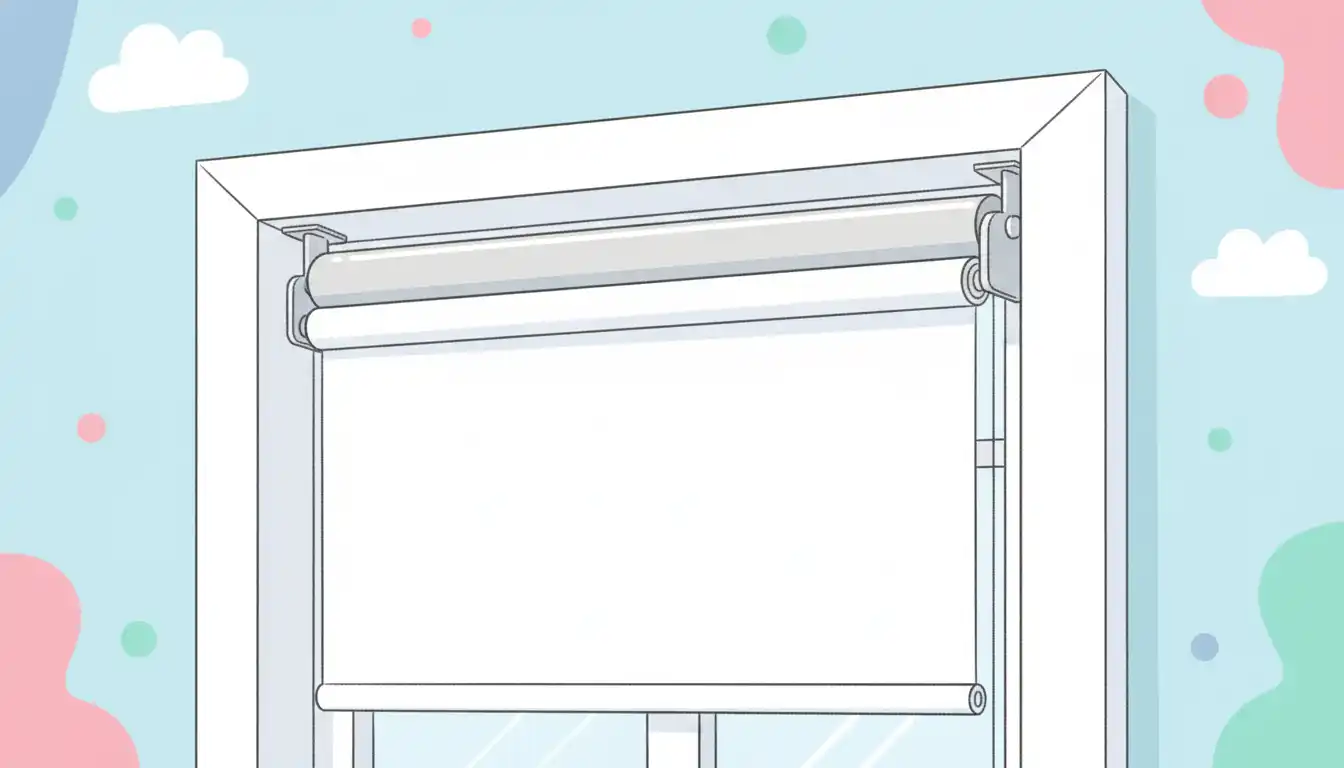
Opting for roller shades without a cassette, also known as an open roll or exposed roll, is a deliberate design choice that champions a minimalist, modern, and even industrial aesthetic. This guide will explore how to make this look intentional, stylish, and perfectly suited to your home, transforming a potential design flaw into a sophisticated statement.
You'll Learn About
Why Choose the Exposed Roll? Unpacking the Minimalist Appeal
The decision to forgo a cassette isn’t about cutting corners; it’s about embracing a specific style. In modern, minimalist, and industrial interiors, the raw, functional elements of a home are often celebrated. An exposed roller shade fits seamlessly into this philosophy, highlighting the simple mechanics of the window treatment rather than hiding them.
This approach offers a clean, uncluttered look at the window. Without a bulky cassette, the shade appears lighter and less obtrusive, allowing more natural light to filter in and preserving a clear view. It’s a choice that speaks to confidence in design, where every element, even the functional hardware, contributes to the overall aesthetic.
The Problem with Unfinished Hardware
The primary hesitation for many is that the exposed roller and brackets can look stark or industrial. If not executed thoughtfully, it can indeed feel like a missing piece. The brackets, the chain or cord, and the roll of fabric itself are all on display, and their appearance matters more than ever.
The key is to select hardware that complements your existing finishes. Many manufacturers now offer brackets in a variety of finishes, from classic white and black to modern metallics like brushed nickel, matte black, or even bronze. Coordinating the bracket finish with your window trim, faucet, or lighting fixtures creates a cohesive and intentional look.
Making It Work: How to Style Roller Shades Without a Cassette
Successfully integrating cassette-free roller shades into your decor is all about the details. From the fabric choice to the installation method, every decision plays a role in achieving a polished, high-end look. It’s a style that celebrates simplicity, but that doesn’t mean it’s without nuance.
Consider the color and texture of the shade fabric itself. A high-quality, textured fabric can add warmth and depth, balancing the cool, mechanical nature of the exposed hardware. Think about how the shade will interact with the other elements in the room to create a harmonious and inviting space.
Embrace High-Quality Materials
When the mechanics are on display, their quality is paramount. Opt for shades with a sturdy aluminum roller tube and well-crafted brackets. A flimsy-looking mechanism will detract from the intentionality of the design. Many reputable brands offer robust and aesthetically pleasing hardware as a standard feature.
The fabric choice is equally critical. A premium, heavy-weight fabric will hang beautifully and roll evenly, contributing to a clean, crisp appearance. Consider materials with interesting textures, such as linen weaves or subtle patterns, to add visual interest without overwhelming the minimalist aesthetic.
Coordinate Hardware Finishes
As mentioned, the finish of the brackets and chain is a key detail. Matching these elements to other metallic finishes in the room creates a sense of unity. For example, if your kitchen has matte black fixtures, choosing matte black hardware for your roller shades ties the whole look together. This small detail elevates the window treatment from a purely functional item to a considered design element.
This coordination extends beyond just metallics. White brackets can blend seamlessly with white window trim, creating a clean, almost invisible look. Conversely, a contrasting color can turn the hardware into a deliberate accent, framing the window and adding a graphic element to the room.
The “Reverse Roll” Trick
One of the most effective ways to achieve a clean look with an exposed roller shade is to opt for a “reverse roll.” In a standard roll, the fabric hangs off the back of the roller, closest to the window glass. This leaves the roller tube itself visible from the room.
With a reverse roll, the fabric comes off the front of the roller, concealing the tube from view. This creates a smoother, more finished appearance, almost like a self-made valance. It’s a simple change that makes a significant difference in how the shade presents itself, pushing the fabric forward and away from the window for a clean, flat surface.
The Great Debate: Cassette vs. No Cassette
To help you make an informed decision, it’s useful to directly compare the two options. Both have their place in home design, and the right choice depends entirely on your personal style and functional needs. There’s no single “correct” answer, only what works best for your space.
Understanding the distinct advantages and disadvantages of each style will clarify which path aligns with your vision. It’s a balance between aesthetics, functionality, and budget, and weighing these factors will lead you to the perfect solution for your windows.
A Detailed Comparison
Let’s break down the key differences in a clear, easy-to-reference format. This will help you visualize how each option would function and look in your home, making the decision process much more straightforward.
| Feature | Roller Shades Without Cassette (Exposed Roll) | Roller Shades With Cassette |
|---|---|---|
| Aesthetic | Minimalist, modern, industrial, raw | Finished, traditional, polished, clean |
| Hardware | Visible brackets and roller tube | Hardware is completely concealed |
| Light Control | Allows for a slight light gap at the top | Offers better light blockage at the top |
| Maintenance | Exposed roll can gather dust more easily | Cassette protects the fabric roll from dust |
| Cost | Generally more budget-friendly | Typically a more expensive option |
| Best For | Spaces where a clean, uncluttered look is prioritized | Bedrooms, media rooms, or any space needing maximum light control |
Installation and Practical Considerations
The installation process for a cassette-free roller shade is straightforward, but precision is key. Because the brackets are visible, ensuring they are perfectly level is crucial not only for the shade’s operation but also for its appearance. Crooked brackets will be immediately obvious and will undermine the sleek, intentional look you’re aiming for.
When measuring for your shades, decide whether you want an inside mount or an outside mount. An inside mount fits within the window frame, offering a very clean, built-in look. However, it will result in small light gaps on the sides. An outside mount covers the entire window frame, providing better light blockage and privacy.
Common Issues and Solutions
One potential issue with exposed roll shades is the fabric “telescoping,” or drifting to one side as it rolls up. This can cause the edges to fray over time. This is almost always a result of the shade not being perfectly level. Using a level during installation is the best way to prevent this.
If you notice telescoping after installation, you can make a small adjustment. Lower the shade completely and place a small piece of masking tape on the roller tube on the opposite side of the drift. This tiny bit of added thickness will help the fabric track back to the center as it rolls up.
Beyond the Cassette: Other Top Treatment Options
If you’re still on the fence, it’s worth knowing that a cassette isn’t the only way to cover the top of a roller shade. A valance or a fascia offers a different kind of finished look. A valance is typically a fabric-covered top treatment that provides a softer appearance. For a more in-depth comparison, exploring whether roller shades with or without a valance are right for you can provide additional clarity.
A fascia is a sleek, metal cover that only hides the front of the roller, leaving the top and bottom exposed. This can be a good compromise, offering a clean, modern look that is less bulky than a full cassette. It provides a finished face while maintaining a minimalist profile.
When a Top Treatment is Non-Negotiable
In some situations, a top treatment is highly recommended. For blackout shades in a bedroom or media room, a cassette with side channels is the best way to achieve maximum darkness by blocking light from seeping in around the edges. The cassette helps seal the top, while the channels close the gaps on the sides.
For those interested in high-quality window treatments, reading through Graber Blinds reviews can offer insights into the various options and features available, including their cassette and valance systems. Ultimately, the decision comes down to balancing your aesthetic preferences with your practical needs for light control and privacy.
Embracing the Unfiltered Look
Choosing roller shades without a cassette is a bold design move that can pay off beautifully. It’s a testament to the idea that functional elements can be beautiful in their own right. By selecting high-quality hardware, coordinating finishes, and considering the roll direction, you can create a window treatment that is both stylish and purposeful.
This minimalist approach allows the architecture of your windows and the quality of the shade fabric to take center stage. It’s a look that is honest, uncluttered, and effortlessly modern. So, before you decide to hide your hardware, consider letting it shine. You might find that the unfiltered look is the perfect finishing touch your space was missing.
Final word
The decision to include a cassette with roller shades ultimately boils down to balancing aesthetic refinement with design intent. While the exposed hardware can feel visually jarring and “unfinished” in a formal or highly curated space, it can also be embraced as part of a deliberate industrial or minimalist look when the hardware is high-quality and the installation is precise. By moving past the notion that all exposed mechanisms are inherently incomplete, homeowners can make an informed choice: either use the cassette for a clean, sleek integration into the architecture or leverage the exposed roller as a purposeful, functional detail that contributes to the room’s overall aesthetic narrative.
