
Rohl Stainless Steel Sink Reviews: The Unvarnished Truth for 2026
Embarking on a kitchen remodel is a journey filled with critical decisions. Among the most pivotal is the choice of a kitchen sink, an undisputed workhorse of the home. It’s a component you’ll use multiple times a day, every day, for years to come.
This leads many homeowners to consider premium brands like Rohl, synonymous with luxury and quality. But with a high-end price tag comes high-end expectations. The central problem homeowners face is deciphering whether a Rohl stainless steel sink is a genuinely superior investment or if its luxury status inflates its practical value.
Will it resist the daily onslaught of pots, pans, and cutlery, or will you be left with a network of scratches and dents that betray its cost? This guide dives deep into Rohl stainless steel sink reviews to uncover the truth, separating marketing promises from real-world performance.
You'll Learn About
The Rohl Promise: Deconstructing the Luxury Appeal
Before dissecting its performance, it’s essential to understand what Rohl claims to offer. The brand positions itself not merely as a manufacturer but as a purveyor of kitchen artistry. This reputation is built on specific, tangible features that aim to justify the premium cost and set their sinks apart from mass-market alternatives.
Understanding these foundational elements is the first step in evaluating whether the sink’s performance aligns with its price. The core of the Rohl promise lies in superior materials and meticulous construction.
Beyond the Brand Name: What Defines Rohl’s Quality?
The foundation of any great stainless steel sink is the steel itself. Rohl typically uses 16-gauge or 18-gauge stainless steel. For context, a lower gauge number indicates thicker steel, which provides greater resistance to denting and bowing under the weight of heavy cookware. Many standard sinks use thinner 20 or 22-gauge steel, making Rohl’s choice a significant upgrade in durability.
Furthermore, the composition of the steel is critical. Rohl sinks are crafted from high-grade Type 304 stainless steel, featuring an 18/10 chromium-to-nickel ratio. This specific blend is renowned for its exceptional resistance to rust, corrosion, and staining, ensuring the sink maintains its integrity and appearance over time.
Sound Dampening Technology: A Silent Feature of a Premium Sink
One of the most common complaints about lower-quality stainless steel sinks is the noise. The clatter of dishes and the drumming sound of running water can create a disruptive kitchen environment. Rohl addresses this issue directly and effectively through a dual-method approach to sound dampening.
Their sinks are equipped with large, strategically placed sound-deadening pads on the underside. These dense pads absorb vibrations, significantly muting the noise from impacts. This is further enhanced by a full undercoating, which not only helps in sound absorption but also prevents condensation from forming in the cabinet below.
The Homeowner’s Dilemma: Universal Flaws of Stainless Steel
No material is perfect, and stainless steel is no exception. Despite its popularity for durability and a clean, professional look, it has inherent vulnerabilities. The primary concern for anyone investing in a high-end sink is whether these common issues are still prevalent, even at a premium price point.
The most universal complaints revolve around scratching and water spots. Understanding that even the highest quality steel is susceptible is crucial. The real question is not if it will scratch, but how it will scratch and how well the finish masks these inevitable signs of wear.
Rohl Stainless Steel Sinks Under the Microscope: An Unbiased Review
Here, we move from the manufacturer’s claims to the practical realities of daily use. By consolidating user feedback and expert analysis, we can build a clear picture of how Rohl sinks perform in real-world kitchens. This is where the investment is truly tested.
The following sections address the most pressing concerns homeowners have: scratch resistance, maintenance against spots, and overall durability.
Scratch Resistance: Reality vs. Expectation
Let’s be clear: all stainless steel sinks will scratch. The expectation of a perpetually pristine, scratch-free surface is unrealistic for any brand. The key differentiator for a premium sink like Rohl lies in the quality of its finish and how it patinas over time.
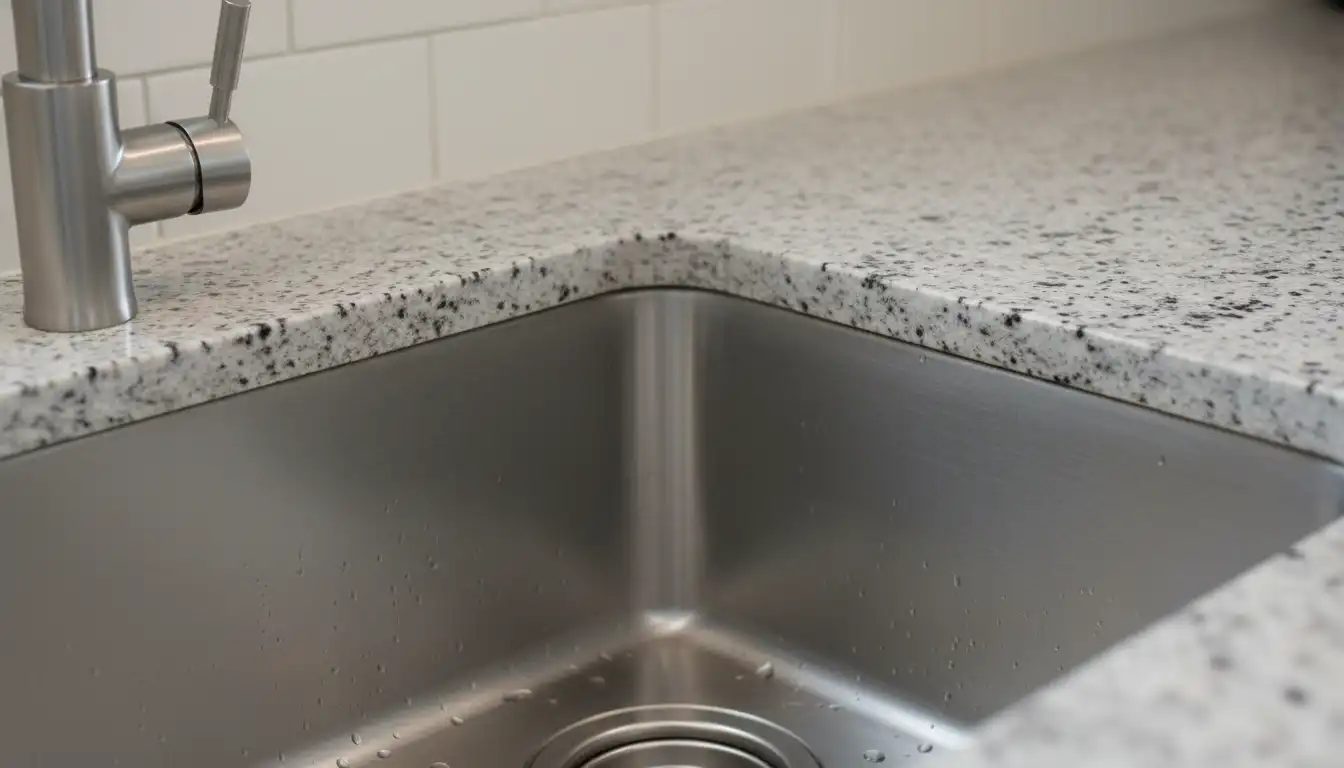
Rohl sinks often feature a fine-brushed or satin finish. This texture is more forgiving than a polished or mirror finish, as it helps to obscure minor scratches and scuffs. Over time, these small marks blend together to form a unique patina, which many owners of high-end sinks come to appreciate as a sign of a well-used, well-loved kitchen.
The Battle Against Water Spots and Stains
Hard water, in particular, can leave mineral deposits on stainless steel, creating unsightly water spots. While Rohl’s high-grade steel is resistant to staining from food, it is not immune to the effects of water chemistry. The solution is not in the sink itself but in a simple, consistent maintenance routine.
The best practice is to rinse the sink thoroughly and wipe it dry with a soft microfiber cloth after each use. This prevents mineral deposits from air-drying onto the surface. For a deeper clean, a mixture of mild soap and water or specialized stainless steel cleaners will restore its luster without damaging the finish.
Durability and Denting: Is the Thicker Gauge Worth It?
This is an area where the Rohl investment clearly pays off. The use of 16-gauge steel provides a tangible difference in dent resistance. Dropping a heavy cast-iron skillet or a full stockpot is less likely to cause a noticeable dent compared to the impact on a thinner 20 or 22-gauge sink.
This structural rigidity also means the sink is less prone to flexing or vibrating, especially when a heavy-duty garbage disposal is in operation. The combination of thick steel and robust sound dampening creates a feeling of solid, unyielding quality that is absent in most standard sinks.
Choosing Your Rohl Sink: A Practical Buyer’s Guide
Selecting the right Rohl sink involves more than just appreciating its quality. You must consider the configuration, installation style, and how it will integrate with your other kitchen fixtures. A well-informed choice ensures the sink not only meets your aesthetic goals but also enhances your daily workflow.
The following table and subsections provide a framework for making a decision that aligns with your kitchen’s design and your practical needs.
Comparing Popular Rohl Stainless Steel Sink Models
Rohl offers a variety of models, each suited to different kitchen layouts and user preferences. This table highlights some popular options to illustrate the range of choices available.
| Model Series | Configuration | Typical Gauge | Best For |
|---|---|---|---|
| Rohl RSS Series | Single & Double Bowl Undermount | 16-Gauge | Modern kitchens needing maximum durability and seamless counter integration. |
| Rohl RCK Series | Workstation Sinks with Integrated Ledges | 16-Gauge | Gourmet cooks and smaller kitchens where maximizing counter space is key. |
| Rohl Allia Series | (Primarily Fireclay, but influences stainless designs) | N/A | Those seeking a transitional or farmhouse look, often inspiring apron-front stainless designs. |
Undermount vs. Apron Front: More Than Just an Aesthetic Choice
The installation style profoundly impacts both the look and functionality of your kitchen. Undermount sinks, which are installed beneath the countertop, create a clean, seamless look and make wiping debris directly into the sink effortless. This is the most common style for modern, minimalist kitchens.
Apron-front, or farmhouse, sinks offer a more traditional or transitional aesthetic. While many associate this style with fireclay, stainless steel versions provide a modern twist on a classic design. If you’re exploring this look, it can be helpful to compare it with other brands known for this style; you can see a detailed analysis in our Randolph Morris sink reviews, which often feature classic designs.
Pairing Perfection: Why Your Faucet Choice Matters
Investing in a premium sink only to pair it with a subpar faucet is a common mistake that can undermine the entire setup. A high-quality faucet not only complements the sink’s aesthetic but also provides reliable performance. The weight and feel of the handle, the smoothness of its operation, and the durability of its finish are all crucial factors.
When selecting a faucet, consider both its reach and spray functionality to ensure it can service the entire sink basin effectively. For those seeking a faucet with a striking, modern design to match a Rohl sink, our Brizo Odin faucet reviews offer insights into a popular and compatible high-end option.
The Unspoken Factor: Proper Installation and Long-Term Care
Even the finest sink in the world will underperform if it’s not installed and maintained correctly. These final considerations are non-negotiable for protecting your investment and ensuring decades of flawless service. Mishandling either of these aspects can lead to frustration and diminish the value of your purchase.
From the day it’s installed to the daily cleaning routine, your actions directly impact the sink’s longevity and appearance. Paying attention to these details is the secret to long-term satisfaction.
The Critical Role of a Professional Installer
An undermount sink, in particular, requires precise installation to ensure a perfect seal with the countertop. An improper seal can lead to water seeping underneath, causing potential damage to your cabinetry and creating a breeding ground for mold. A professional installer has the tools and experience to secure the sink correctly and ensure all plumbing connections are sound.
Furthermore, they will handle the sink with the care it requires, preventing any accidental dings or scratches during the installation process. Do not cut corners on installation; it’s a small price to pay to protect a significant investment.
Your Maintenance Toolkit: Preserving the Rohl Finish for Decades
A simple and consistent cleaning routine is the key to keeping your Rohl sink looking its best. Avoid using abrasive sponges, steel wool, or harsh chemicals like bleach, as these can permanently damage the finish. Instead, opt for soft cloths or non-abrasive sponges.
For daily cleaning, a few drops of dish soap and a gentle wipe-down are sufficient. To maintain the sink’s luster and protect its surface, periodically clean in the direction of the grain with a specialized stainless steel cleaner. While the sink is a functional centerpiece, don’t forget the aesthetic details that bring a kitchen to life. The sleek, modern lines of a stainless steel sink can be beautifully balanced by incorporating organic elements. Think about adding potted herbs on the windowsill or even a statement plant nearby; some homeowners even find inspiration in unique botanicals like the vibrant bark of a dwarf rainbow eucalyptus when planning their overall home and garden aesthetic.
The Final Verdict: Is a Rohl Stainless Steel Sink the Right Choice for Your Home?
After a thorough review, the conclusion is clear: a Rohl stainless steel sink is a worthwhile investment for the discerning homeowner who prioritizes long-term durability, superior performance, and refined design. The tangible benefits—thicker steel, exceptional sound dampening, and a high-quality finish—are not just marketing points; they translate into a noticeably better user experience.
However, it is not a magic solution to the inherent nature of stainless steel. It will scratch, and it will show water spots if not maintained. The value of a Rohl sink lies in its resilience and the graceful way its finish patinas over time. If your budget allows, and you are committed to proper care, a Rohl sink is an investment that will anchor your kitchen in quality and style for decades to come.
