
River Rock Color Enhancer: Unlock That Permanent Wet Look Now!
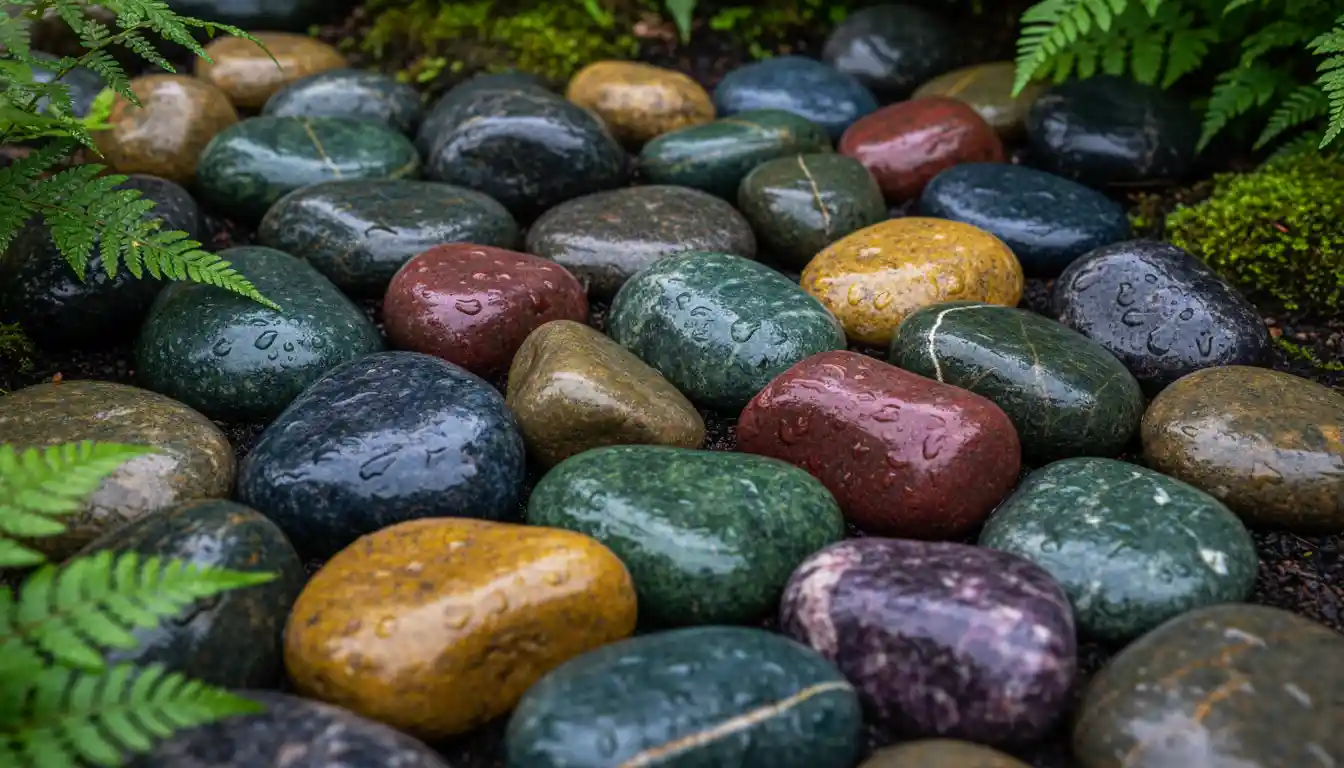
There’s a universal appeal to the rich, deep colors of river rocks glistening after a fresh rain. It’s a look that brings life and vibrancy to any garden or landscape feature. The problem is that this stunning visual is fleeting, disappearing as soon as the sun dries the stones, leaving them looking dull, dusty, and lifeless.
This common frustration for homeowners and garden enthusiasts leads to a simple question: How can you capture that beautiful, saturated “wet look” permanently? The solution lies in a specialized product designed to solve this exact problem: a river rock color enhancer.
You'll Learn About
Why Do River Rocks Look Dull When Dry?
The transformation from vibrant when wet to bland when dry is a simple matter of physics. When river rocks are dry, their naturally porous and slightly rough surfaces scatter light in all directions. This diffusion of light makes the colors appear muted and washed out.
When water coats the stones, it fills in the microscopic pits and pores, creating a smooth, clear layer. This layer allows light to penetrate the stone and reflect back more directly to your eye, revealing the rock’s true, rich coloration. A color enhancer mimics this effect but with long-lasting results.
What Exactly Is a River Rock Color Enhancer?
A river rock color enhancer is a type of penetrating sealer specifically formulated to saturate the surface of natural stone. Unlike a topical coating that simply sits on the surface, a quality enhancer soaks into the pores of the rock. This process darkens the stone and provides that desirable “wet look” while also offering a layer of protection.
These products work by creating a durable, transparent shield that magnifies the natural patterns, veins, and colors of your river rocks. The result is a landscape that looks perpetually fresh and vibrant, rain or shine.
Water-Based vs. Solvent-Based Enhancers: The Ultimate Showdown
Choosing the right type of enhancer is crucial for achieving the best results and ensuring longevity. The two primary categories are water-based and solvent-based sealers. Each has distinct characteristics, benefits, and drawbacks.
Understanding these differences will help you select the perfect product for your specific project, climate, and desired aesthetic. It’s the most critical decision in the entire process.
| Feature | Water-Based Enhancer | Solvent-Based Enhancer |
|---|---|---|
| VOC Content & Odor | Low VOCs, low odor. Safer for use in enclosed areas and better for the environment. | High VOCs, strong chemical odor. Requires excellent ventilation during application. |
| Penetration & Durability | Good penetration, with modern formulas offering excellent durability. | Deeper penetration into the stone’s pores, often providing superior long-term durability. |
| Appearance | Provides a rich, color-enhanced look, often with a more natural, low-sheen finish. | Typically creates a more dramatic “wet look” with a higher gloss or sheen. |
| Application & Cleanup | Easier application and cleanup with just soap and water. More forgiving for DIY users. | Requires mineral spirits or other solvents for cleanup. Less forgiving of application errors. |
| Drying Time | Generally faster drying times. | Longer curing times are often required for the solvents to fully evaporate. |
The Step-by-Step Guide to a Flawless Application
Achieving a professional-looking, durable finish is all about proper preparation and application. Rushing these steps can lead to blotchy results, premature failure, or a hazy white film on your beautiful rocks. Follow this guide carefully for the best outcome.
Step 1: Meticulous Cleaning and Preparation
This is the most critical step. You cannot apply an enhancer over dirty, dusty, or damp rocks. Any debris, dirt, or algae trapped beneath the sealer will be there permanently.
Start by using a leaf blower or a stiff broom to remove loose leaves, twigs, and surface dirt. For a deeper clean, a thorough rinse with a garden hose and a high-pressure nozzle is necessary. For stubborn, caked-on mud or algae, you may need to scrub the rocks with a brush and a mild detergent or a vinegar-water solution.
A pressure washer can be a powerful tool for this task, but if you find your ryobi pressure washer soap dispenser not working, a manual scrub with a good brush will suffice. After cleaning, the rocks must be completely dry before proceeding. This can take 24-48 hours, depending on the climate and sun exposure.
Step 2: Choosing Your Application Tools
The best tool for the job depends on the size of your project. For large areas of river rock, a pump-style garden sprayer is the most efficient method. It allows you to apply a consistent, even coat quickly.
For smaller decorative beds or when working near delicate plants, a paintbrush or a small paint roller can provide more control. Ensure you use tools appropriate for the type of sealer; solvent-based products can damage certain plastics and foams.
Step 3: The Patch Test – Your Most Important Step
Never skip this step. Different types of rock absorb sealers differently, and the final color can vary. Always test the enhancer on a few rocks in an inconspicuous area first.
Apply the sealer as you would for the main project and let it cure completely. This will show you exactly what the final color and sheen will look like, ensuring there are no unwanted surprises.
Step 4: Applying the Enhancer Like a Pro
Choose a clear, dry day with low wind and moderate temperatures to apply the sealer. Avoid applying in direct, intense sunlight, as this can cause the sealer to dry too quickly, preventing proper penetration.
Using your chosen tool, apply a thin, uniform coat of the color enhancer to the rocks. The goal is to saturate the surface without creating puddles. If using a sprayer, maintain a consistent distance and speed for an even application.
Step 5: Curing Time and Aftercare
Follow the manufacturer’s instructions for drying and curing times. Most products are ready for light foot traffic in a few hours but may take 24-72 hours to fully cure. During this time, it’s crucial to keep the area dry and free of leaves or other debris.
Once cured, your river rocks will have a vibrant, long-lasting finish. Simple periodic rinsing with a hose is all that’s needed to keep them looking their best.
Common Mistakes to Avoid (And How to Fix Them)
Even with careful planning, issues can arise. Knowing the common pitfalls can help you avoid them. Here are the top mistakes homeowners make when applying a river rock color enhancer.
Applying to Damp Rocks: This is the number one cause of failure. Trapped moisture can prevent the sealer from bonding and can lead to a cloudy, white haze (efflorescence) appearing under the coating. The only fix is to chemically strip the sealer, let the rocks dry completely, and start over.
Applying Too Thickly: A thick coat does not mean better protection. Over-application can result in a sticky surface, pooling, and a plastic-like, overly glossy finish. Always apply in thin, even coats, adding a second coat only if the manufacturer recommends it and the first has been fully absorbed.
Not Cleaning Thoroughly: Sealing over dirt, dust, or organic matter is like painting over rust. It compromises the bond of the sealer and permanently locks in the blemishes, making the rocks look dirty forever.
Beyond Aesthetics: The Protective Benefits of Color Enhancers
While the primary motivation for using a color enhancer is visual, these products also provide significant protective benefits. By sealing the porous surface of the stone, they create a barrier that offers robust protection against the elements.
This barrier helps to reduce staining from dirt, oil, and organic matter like algae and moss. It also offers protection against UV rays, which can fade the natural color of some stones over time. In colder climates, sealing the pores prevents water from getting in, freezing, expanding, and potentially cracking the rocks over time.
Creative Ways to Use Enhanced River Rocks in Your Garden
Once you’ve mastered the art of enhancing river rocks, you can use them to create stunning focal points in your landscape design. Their vibrant, wet look provides a professional, polished finish to any project.
Use them to create elegant garden paths, define flower bed borders, or design a beautiful dry creek bed that looks like it’s flowing with water. Proper lighting can turn your enhanced rocks into a dramatic nighttime feature; using a dummy light bulb in outdoor fixtures can help you test placement before committing to permanent wiring. When planning your garden layout, consider how the enhanced rocks will complement other features, like the siding on your shed. Deciding between 15 or 30 lb felt siding can impact the overall aesthetic next to your gleaming rock bed.
Frequently Asked Questions (FAQ)
How long does river rock color enhancer last?
A quality application can last anywhere from 1 to 5 years, depending on the product, the type of stone, and the amount of sun and foot traffic the area receives.
Will the enhancer make the rocks slippery?
Penetrating enhancers that do not leave a thick surface film are generally not slippery. However, high-gloss, film-forming products can become slick when wet, so they should be used with caution on walking surfaces.
Is the sealer harmful to plants?
Most sealers can be harmful to plants upon direct contact. It’s best to protect surrounding vegetation with plastic sheeting during application. Once cured, most modern sealers are inert and safe for garden use.
Can I apply a new coat over an old one?
It depends on the product. Some sealers can be re-coated after a thorough cleaning. However, if the old sealer is failing or peeling, it must be completely stripped before a new product is applied for proper adhesion.
Final Words
Achieving a permanent wet look for your river rock is the ultimate way to bring out the deep greys, rich ochres, and subtle patterns that disappear when stones are dry. By applying a high-quality solvent-based acrylic sealer or a specialized color enhancer, you create a protective barrier that mimics the optical effect of water. This not only dramatically improves your curb appeal but also protects the stones from fading under harsh UV rays and prevents the growth of unsightly moss or algae between the crevices.
To maintain this vibrant finish, ensure your rocks are thoroughly cleaned and completely dry before application to avoid trapping moisture, which can cause a cloudy appearance. While “wet look” sealers are durable, a light maintenance coat every two to three years will keep your landscape looking as fresh as the day it was installed. Investing in a professional-grade enhancer ensures your river rock remains a standout feature of your yard, providing a lush, high-contrast aesthetic that lasts through every season.
