
Revotile vs Quictile: The Floating Tile Face-Off Your Floors Need
The dream of a pristine, durable porcelain tile floor often crashes into the harsh reality of installation. Traditional tiling is a notoriously punishing job, demanding days of messy mortar, meticulous spacing, and frustrating cleanup. It’s a project that sends most homeowners straight to their phone to call an expensive professional.
This difficult process leaves many searching for a better way to achieve the timeless beauty of tile without the monumental effort. The core problem is the mortar-based installation, a wet, heavy, and unforgiving method that has remained largely unchanged for decades. Homeowners want the end result—a waterproof, scratch-proof, and beautiful floor—but are deterred by the costly and chaotic journey to get there.
Modern flooring innovation has answered this call with floating, click-together porcelain tile systems. Two dominant players have emerged in this space: Daltile’s Revotile and MSI’s Quictile. These products promise the elegance of real porcelain with an installation process that mirrors the simplicity of laminate or vinyl plank flooring, begging the question: which one is truly the superior choice for your home?
You'll Learn About
What is a Floating Tile System?
Before diving into a head-to-head comparison, it’s crucial to understand what makes these floors revolutionary. Unlike traditional tile, which is permanently bonded to the subfloor with a bed of mortar, floating tiles are not glued down. Instead, they lock together at the edges, resting on top of a specialized underlayment.
This “floating” method eliminates the need for messy thin-set mortar, dramatically speeds up installation, and allows the floor to be laid over many existing hard surfaces. Both Revotile and Quictile are built on this principle, combining a genuine porcelain tile surface with a rigid interlocking base. This hybrid design delivers the toughness of porcelain in a DIY-friendly package.
The Critical Importance of Your Subfloor
A common misconception about floating floors is that they can be placed over any surface without care. This is a critical error. While they are more forgiving than mortar and tile, their success is entirely dependent on a flat, stable subfloor. Both Revotile and Quictile specify a flatness tolerance of no more than a 3/16-inch variance over a 10-foot span.
Ignoring high spots or dips will create stress points in the locking mechanisms, leading to tiles that creak, shift, or even break over time. Proper preparation is non-negotiable. For wooden subfloors, ensuring a solid base, perhaps by adding another layer of plywood or using a cement board over OSB, is essential for a long-lasting, professional result.
Revotile vs. Quictile: A Detailed Breakdown
While both products aim to solve the same problem, they are not identical. Daltile, the manufacturer of Revotile, is a giant in the tile industry, while MSI is a major distributor of surfaces, including its own branded Quictile system. Their approaches, materials, and installation nuances have key differences that can significantly impact your project.
Installation Method: The Locking System Showdown
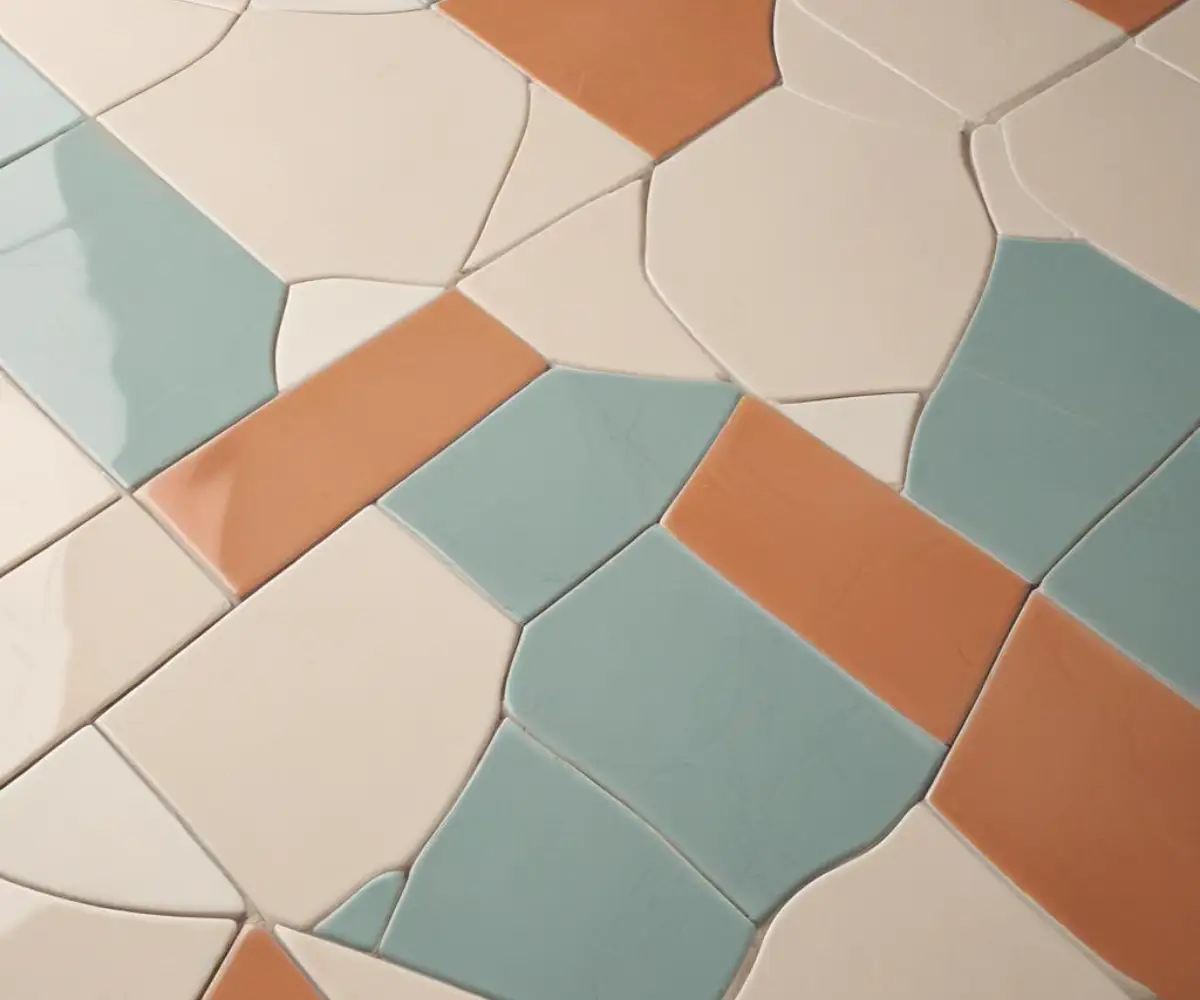
The heart of any floating floor is its locking mechanism. Revotile utilizes the ClicFit™ Technology, a system developed by the experts behind Uniclic, which is famous in the laminate flooring world. This design is known for its robust and tight connection, creating a secure, lippage-free surface when installed correctly.
Quictile employs its own proprietary tongue-and-groove system. While effective, some users find it can be more fragile or require more finesse to engage without damaging the edges. Both systems require a tapping block and a rubber mallet to fully seat the tiles, but the perceived durability and ease of engagement often favor Revotile’s well-established ClicFit system.
The Grouting Process: Simplicity vs. Sensitivity
Grouting is another area where these systems innovate, and the differences are stark. Revotile is designed to be used with Daltile’s RapidGrout, a pre-mixed, single-component urethane grout. This product is incredibly user-friendly; it’s spread on and cleaned off with a damp sponge, and it doesn’t require sealing. Crucially, it’s designed to be used immediately after the tiles are clicked into place, turning a multi-day job into a single-day project.
Quictile also requires a specific pre-mixed flexible grout to accommodate the micro-movements of a floating floor. The process is similar, but user feedback frequently highlights a significant pain point: grout haze. If the excess grout isn’t cleaned off the tile surface with meticulous care and within a very short window, it can cure into a stubborn film that is extremely difficult to remove. While Revotile is not immune to haze, the problem appears to be more prevalent and challenging with the Quictile system, demanding a faster and more diligent cleanup from the installer.
Material Composition and Durability
Both Revotile and Quictile are made from genuine porcelain tile, which is renowned for its hardness and durability. Porcelain is fired at higher temperatures than standard ceramic, making it denser and less porous. This translates to a floor that is inherently waterproof, stain-proof, dent-proof, and highly scratch-resistant.
From a durability standpoint, the porcelain surfaces of both products will perform exceptionally well in busy households with pets and children. The key difference lies not in the tile itself, but in the composite backing and locking system attached to it. Long-term performance is contingent on a perfectly flat subfloor and a flawless installation that doesn’t compromise the integrity of these interlocking plastic bases.
Aesthetics and Style Selection
Your design vision is a major factor in choosing a floor. Daltile’s Revotile offers a curated but extensive collection of on-trend styles. Their offerings include convincing marble, stone, concrete, and wood looks, leveraging Daltile’s advanced digital printing technology for realistic visuals. You can find everything from classic Carrara marble to rustic wood planks.
MSI’s Quictile also provides a variety of popular designs, often found readily available at big-box retailers like The Home Depot. Their selection is geared toward mainstream tastes and offers excellent value. However, those looking for more unique or high-end designer aesthetics might find the range in the Revotile collection to be broader and more sophisticated.
Feature Comparison Table
To provide a clear overview, here is a side-by-side comparison of the key features of Revotile and Quictile.
| Feature | Daltile Revotile | MSI Quictile |
|---|---|---|
| Core Material | Genuine Porcelain Tile | Genuine Porcelain Tile |
| Locking System | ClicFit™ Technology (Uniclic derivative) | Proprietary Tongue-and-Groove |
| Grout Type | RapidGrout (Pre-mixed Urethane) | Required Pre-mixed Flexible Grout |
| Installation Speed | Place, click, and grout in one day | Place, click, and grout in one day |
| Common Pain Point | Requires perfectly flat subfloor | Grout haze can be difficult to remove |
| Underlayment | Requires RapidPrep Underlayment | Requires QuicPrep Underlayment |
| Water Resistance | Waterproof System | Waterproof System |
| Primary Brand | Daltile | MSI Surfaces |
Cost Analysis: Is DIY Worth the Price Tag?
Floating tile systems carry a higher price per square foot for the material itself compared to basic porcelain tile. You are paying a premium for the attached locking base and the convenience it provides. Revotile and Quictile are typically priced competitively with one another, but both are more expensive than many high-end Luxury Vinyl Plank (LVP) options. For those weighing different flooring types, a deep dive into something like Flooret vs Coretec LVP can provide valuable context on cost versus performance in the vinyl category.
The real savings with floating tile comes from labor. By eliminating the need for a professional tile setter, a homeowner can save thousands of dollars on installation costs. However, this calculation only works if the DIYer is confident in their ability to perfectly prepare the subfloor. The money saved on labor can be quickly lost if an uneven subfloor leads to a failed installation that must be redone.
The Hidden Factor: Long-Term Sound and Feel
One aspect rarely discussed in marketing materials is the acoustics and underfoot feel of a floating tile floor. Because there is no mortar bonding the tile to the subfloor, these systems can feel slightly more hollow or produce a “clacky” sound when walked upon compared to a rock-solid, mortar-set installation. This is a common characteristic of all floating floors, from laminate to LVP.
The specialized underlayments used for Revotile and Quictile are designed to mitigate this, providing sound dampening and a shock-absorbing layer. However, the final result will still differ from traditional tile. For some, this subtle difference is a worthy trade-off for the ease of installation; for others who prioritize the absolute solidity of a traditional tile floor, it may be a deal-breaker.
Making the Final Decision: Which System Is Right for You?
Choosing between Revotile and Quictile comes down to weighing their specific strengths against your project goals and skill level. Neither is a universally “better” product; they are tools designed for a specific purpose.
Some flooring review sites, like the Downs Life H2O flooring reviews, emphasize durability as a key purchasing factor. Both Revotile and Quictile deliver on this with their porcelain surfaces, outperforming many vinyl alternatives.
Choose Revotile if:
- You prioritize a proven, robust locking system. The ClicFit™ technology has a long track record of success and is widely regarded as a top-tier locking mechanism.
- You are concerned about the grouting process. The RapidGrout system is designed to be highly user-friendly, and there are fewer widespread complaints about persistent grout haze.
- You desire a wider range of high-end design options. Daltile’s position as a design leader often translates to a more extensive and fashion-forward selection.
Choose Quictile if:
- Convenience and immediate availability are key. Quictile is prominently featured in major home improvement stores, making it easy to purchase and start your project right away.
- You are a highly diligent and fast worker during cleanup. If you are confident in your ability to remove excess grout quickly and completely, you can mitigate the risk of haze.
- You find a specific MSI style that perfectly matches your vision. Sometimes the perfect color or pattern is the ultimate deciding factor.
Ultimately, both Revotile and Quictile represent a massive leap forward in flooring technology. They successfully transform one of the most difficult DIY projects into a manageable task, delivering a real porcelain tile floor without the mess and misery of mortar. The key is to respect the process, invest the time in meticulous subfloor preparation, and choose the system whose specific strengths best align with your personal project needs.
