
Retile Bathroom Without Removing Tub: Your Ultimate Guide
Are you dreaming of a fresh, modern bathroom but dread the thought of a full-scale renovation? The biggest hurdle for many homeowners is the bathtub. The idea of ripping out a heavy, plumbed-in fixture can be enough to halt a project before it even begins, leading to years of living with dated, cracked, or simply uninspiring tile.
The core problem is the perceived complexity and cost. A full tub removal involves significant demolition, complex plumbing work, and the potential for a long, messy, and expensive renovation. But what if you could achieve a stunning transformation without touching the tub at all?
This guide provides the solution. We will walk you through every critical step of retiling your bathroom walls while leaving your existing bathtub perfectly in place. This approach saves time, money, and considerable stress, making a high-impact bathroom update accessible to more homeowners.
You'll Learn About
Why Keep the Tub? The Smart Homeowner’s Choice
Opting to retile around your existing bathtub isn’t a shortcut; it’s a strategic decision with numerous benefits. The most significant advantage is cost savings. You eliminate the expense of a new tub, demolition labor, disposal fees, and potentially costly plumbing alterations.
Beyond the financial perks, this method drastically reduces the project timeline. A full tub replacement can add days or even weeks to a renovation. By working with the existing fixture, you can focus solely on the surfaces, achieving a dramatic new look in a fraction of the time and with far less disruption to your daily life.
Pre-Project Assessment: What to Check Before You Start
Before you pick up a single tool, a thorough inspection is crucial for a successful project. Rushing this phase can lead to major headaches later. Taking the time to properly assess the area ensures your new tile work will be beautiful, durable, and free from underlying issues that could cause failure down the road.
Inspecting the Existing Tub and Surround
First, examine the bathtub itself. Check the enamel or acrylic surface for any major chips, cracks, or deep scratches. While minor cosmetic issues can often be ignored or even repaired, significant damage might warrant reconsidering the project. Ensure the tub is solid and doesn’t flex or move when you put weight in it.
Pay close attention to the existing seal between the tub and the old tiles. Look for signs of water damage, such as soft spots in the wall, discoloration, or mildew. A perfectly level tub is a myth; most have a slight slope for drainage, but you need to assess if it’s severely unlevel, as this will impact your first row of tiles.
Understanding Your Wall Structure
The material behind your old tiles is the foundation for your new ones. Most modern homes use a cement backer board in wet areas, which is the ideal substrate. However, older homes might have tile installed over regular drywall or moisture-resistant drywall (often called “green board”).
If you find regular drywall, it must be replaced with a proper cement board or a foam backer board. Tiling directly onto standard drywall in a shower is a recipe for water damage and mold. Careful demolition is key, as you want to preserve the integrity of the wall studs while preparing for a new, waterproof foundation.
The Great Debate: Tiling Over Old Tiles vs. Complete Removal
The question of whether to tile over existing tile is common. While it can save time on demolition, it’s generally not recommended for a tub surround. Tiling over old tile adds thickness to the wall, which can create awkward transitions and issues with plumbing fixtures.
More importantly, you can’t verify the condition of the wall behind the old tiles. Trapped moisture or a deteriorating substrate could compromise your entire new installation. For a long-lasting, professional result, always start with a clean slate by removing the old tiles and assessing the wall beneath.
Essential Tools and Materials for a Flawless Finish
Gathering all your tools and materials before you begin is essential for a smooth workflow. Nothing halts progress faster than an unexpected trip to the hardware store. The right equipment not only makes the job easier but also contributes to a more professional and durable final result.
This table outlines everything you’ll need, from demolition to the final polish. Investing in quality tools, especially for waterproofing and tile setting, will pay dividends in the longevity of your new bathroom walls.
| Category | Item | Purpose |
|---|---|---|
| Demolition & Prep | Hammer & Pry Bar | To remove old tiles and backer board. |
| Shop Vacuum | For cleanup of dust and debris. | |
| Plastic Sheeting & Painter’s Tape | To protect the bathtub and surrounding areas. | |
| Utility Knife & Scraper | For cutting old caulk and scraping residue. | |
| Wall Installation | Cement Backer Board | The substrate your new tile will adhere to. |
| Backer Board Screws | Specialized screws that won’t corrode. | |
| Fiberglass Mesh Tape | To reinforce the seams between backer board sheets. | |
| Waterproofing | Liquid or Sheet Waterproofing Membrane | The most critical step to prevent leaks. |
| Paint Roller or Trowel | For applying the waterproofing membrane. | |
| Tile Installation | Tile Saw or Snap Cutter | For making straight and custom cuts in tile. |
| Thinset Mortar | The adhesive that bonds the tile to the backer board. | |
| Notched Trowel | To apply mortar to the correct depth. | |
| Tile Spacers or Leveling System | To ensure consistent grout lines. | |
| Rubber Mallet | To gently set tiles into the mortar. | |
| Grouting & Sealing | Grout (Sanded or Unsanded) | To fill the joints between tiles. |
| Grout Float | For pressing grout into the joints. | |
| Sponges & Buckets | For grout cleanup. | |
| 100% Silicone Caulk | To create a flexible, waterproof seal at all corners and joints. |
The Step-by-Step Guide to Tiling Around Your Bathtub
With your assessment complete and materials gathered, it’s time to begin the transformation. This process is methodical, with each step building upon the last. Patience and attention to detail, especially in the preparation and waterproofing stages, are the keys to success.
Step 1: Demolition and Preparation – The Foundation of Success
Begin by thoroughly protecting your bathtub. Use heavy-duty plastic sheeting or an old blanket, taping it securely along the top edge of the tub. This will prevent scratches and chips from falling debris. Also, cover the bathroom floor and any nearby fixtures.
Start removing the old tile using a hammer and a small pry bar or chisel. Work carefully, especially near the tub, to avoid damaging the tub’s surface. If you need to remove old tiles to save them, you may want to consult a guide on how to remove a bathtub without damaging tiles, as some of the careful removal techniques apply here as well. Once the tile is gone, remove the old backer board, exposing the wall studs. Clean the entire area thoroughly with a shop vacuum.
Step 2: Waterproofing – The Non-Negotiable Step for Longevity
This is the most critical stage of the project. A failure in the waterproofing system will lead to catastrophic damage that is hidden behind your beautiful new tiles. With the wall studs exposed, install new cement backer board, screwing it securely into the studs. The board should stop about 1/4 inch above the tub’s flange or lip.
Next, apply fiberglass mesh tape to all the seams between the boards and fill them with thin-set mortar. Once dry, apply your chosen waterproofing membrane. A liquid-applied membrane, painted on in several coats, is a very effective and popular DIY option. Pay extra attention to corners and screw heads, ensuring a thick, continuous barrier from the tub flange up to the highest point of the tile.
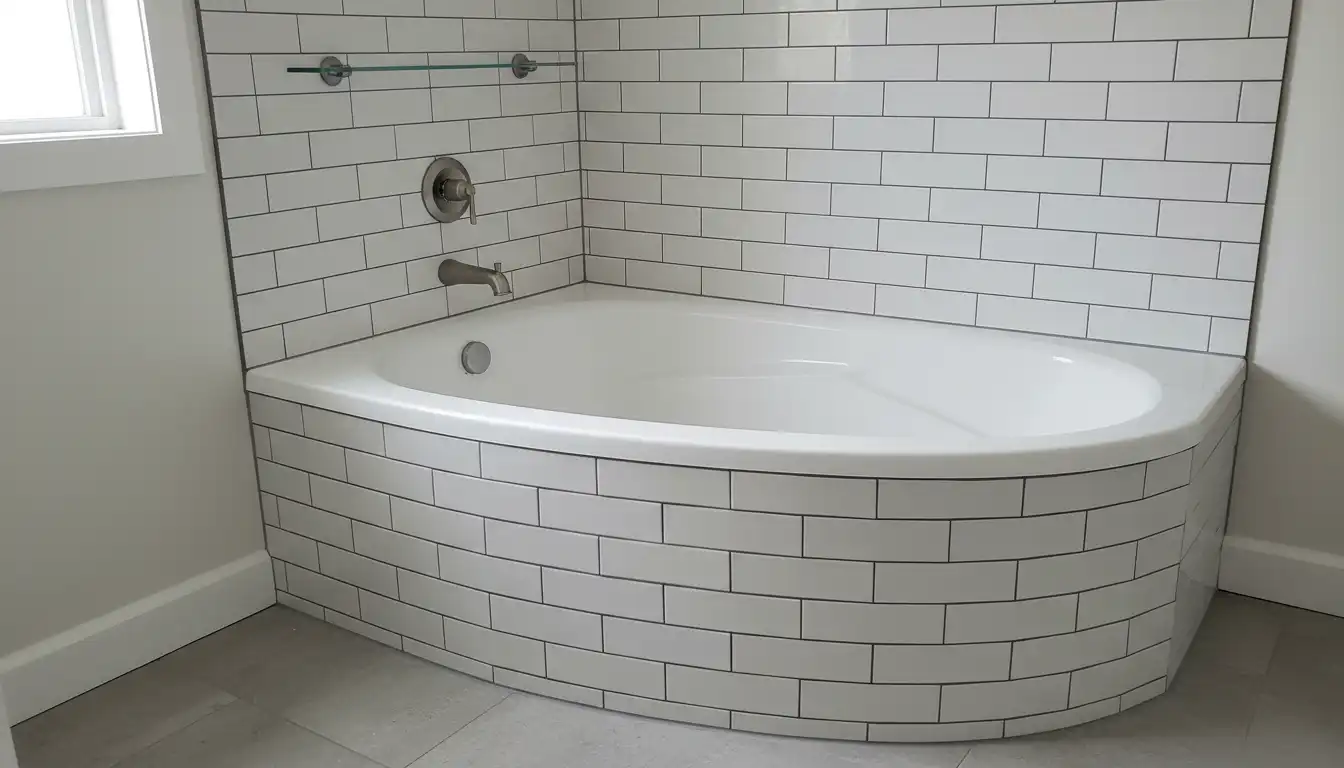
Step 3: Layout and Planning – Measure Twice, Tile Once
A well-planned layout minimizes difficult cuts and results in a more professional, visually appealing finish. Find the horizontal and vertical centerlines of your main wall and mark them with a level. Do a “dry run” by laying out a row of tiles with spacers on the floor to see how they will fit.
You want to avoid leaving very thin slivers of tile at the corners or ceiling. Adjust your starting point from the centerline as needed to ensure you have substantial cuts on both ends. For the first row, you will leave a consistent gap (typically 1/8 inch) between the top of the tub and the bottom of the tile; this will be filled with flexible caulk, not grout.
Step 4: Setting the Tiles – From Mortar to Masterpiece
Mix your thin-set mortar according to the manufacturer’s directions until it reaches a peanut butter-like consistency. Let it sit for a few minutes, then mix it again. Using your notched trowel, spread a thin, even layer of mortar onto a small section of the wall.
Firmly press your first tile into the mortar with a slight twisting motion. Use a rubber mallet to gently tap it into place. Place spacers on all sides and continue with the next tile. Periodically check that your rows are level and the surface is flat. When making cuts for plumbing fixtures, a diamond hole saw attached to a drill is invaluable. While working, be mindful of your surroundings; for instance, never attempt to repair a power tool yourself, especially something like a cut extension cord with hedge trimmer, as electrical safety is paramount in a wet environment.
Step 5: Grouting and Sealing – The Finishing Touches
After the mortar has fully cured (usually 24-48 hours), you can remove the spacers and begin grouting. Mix the grout and apply it with a grout float, pressing it into the joints diagonally across the tiles. Remove the excess grout from the tile faces with the float.
After about 15-30 minutes, use a damp grout sponge to wipe the haze off the tiles, being careful not to pull grout out of the joints. Once the grout is fully cured (check manufacturer’s instructions), the final and most important seal is applied. Use 100% silicone caulk to fill the gap between the tile and the bathtub, as well as all vertical corners where tile planes meet. This flexible seal accommodates small movements and prevents water from getting behind the tile.
Pro Tips for a Professional-Looking Result
Going from a good DIY job to a great one is all in the details. Use a tile leveling system. These small clips and wedges are placed at tile intersections and ensure that the surface of every tile is perfectly flush with its neighbors, eliminating “lippage.”
Another pro tip involves the grout. After cleaning the haze, use a clean, dry microfiber cloth to buff the tile surface. This removes any remaining chalky residue and brings out the full color and sheen of your new tiles. Finally, take your time with the caulk bead. Use painter’s tape to mask off the top and bottom of the joint for a perfectly straight, clean line.
Common Mistakes to Avoid When Tiling Around a Tub
Many common errors can undermine an otherwise excellent tiling project. The most frequent and dangerous mistake is inadequate waterproofing. Simply installing cement board is not enough; a surface membrane is essential. Another common error is filling the joint between the tub and tile with grout instead of caulk. Grout is rigid and will crack, allowing water to penetrate the wall cavity.
Starting your first row of tiles directly on an unlevel tub is another pitfall. This will cause all subsequent rows to be crooked. It is better to use a level line and leave a slightly larger, caulked gap at the bottom than to have slanted grout lines running up your wall. Finally, don’t rush the cleanup; dried mortar on tile faces can be extremely difficult to remove.
Conclusion: A New Bathroom Without the Upheaval
Retiling your bathroom without removing the tub is an achievable and highly rewarding project. By focusing on meticulous preparation, uncompromising waterproofing, and a patient, methodical approach, you can create a stunning, durable, and modern space. It transforms the room’s entire feel, much like how learning how to hang an anthropologie mirror can elevate a living area with a single, stylish piece.
This project proves that a major bathroom upgrade doesn’t have to mean a complete tear-out. You can save a significant amount of money, time, and stress while still achieving a result that looks professionally done. With your new skills and this detailed guide, a revitalized bathroom is well within your reach.
