
Replacing a Bay Window with Double Hung? The #1 Mistake to Avoid
That beautiful, projecting bay window might have been a key selling point when you bought your home. It creates a charming nook, floods the room with light, and adds a classic architectural feature. But over time, the charm can fade, replaced by drafts, high energy bills, and a style that feels more dated than distinguished.
Many homeowners find themselves wrestling with the decision to replace their bay window. If you’re considering a switch to modern, efficient double-hung windows, you’re on the right track to solving these problems. This guide will walk you through the entire process, highlighting the critical structural considerations that are often overlooked.
You'll Learn About
Why That Bay Window Has Lost Its Appeal
Bay windows, while aesthetically pleasing, often come with a set of problems that become more pronounced with age. Understanding these issues is the first step toward finding the right solution for your home. From subtle drafts to noticeable structural sagging, the signs are often clear that a change is needed.
The Hidden Energy Drain in Your Home
One of the most significant drawbacks of older bay windows is their poor energy efficiency. Their complex structure, with multiple panes and angles, creates more opportunities for seals to fail and air to leak. This can lead to uncomfortable drafts and a noticeable spike in your heating and cooling costs as your HVAC system works overtime.
Modern windows are built with advanced materials and technologies like multi-pane glass, low-E coatings, and inert gas fills. Replacing an old bay window with high-performance double-hung units can dramatically improve your home’s insulation, making your living space more comfortable and reducing your energy bills. For a deeper dive into window efficiency and costs, exploring options from reputable installers can provide valuable insights, and understanding the Power Home Remodeling windows cost can be a good starting point.
Outdated Aesthetics and Functional Headaches
Styles change, and the once-fashionable bay window might now make your home look dated. Its protruding shape can also limit landscaping options and create awkward interior spaces. Functionally, older bay windows can be difficult to open, close, and clean, especially if the frames have warped over time.
Swapping a bulky bay for a sleek set of double-hung windows can instantly modernize your home’s appearance. The clean, flat profile provides a more contemporary look and frees up both interior and exterior space. Double-hung windows are also celebrated for their practicality, offering excellent ventilation and easy-to-clean tilting sashes.
The Double-Hung Solution: A Modern Upgrade
Opting to replace your bay window with double-hung windows is more than just a cosmetic fix. It’s a functional upgrade that brings a host of benefits, from superior energy performance to enhanced curb appeal. This change addresses the core problems of an aging bay window while introducing a new level of convenience and style.
This transition not only modernizes your home’s look but also simplifies maintenance and improves thermal performance. The result is a more comfortable, efficient, and visually appealing living space that better suits a contemporary lifestyle.
Unlocking Superior Energy Efficiency and Comfort
Modern double-hung windows are engineered for thermal performance. Features like dual or triple-pane glass, argon gas fills, and warm-edge spacers work together to minimize heat transfer. This keeps your home warmer in the winter and cooler in the summer, creating a more stable and comfortable indoor environment.
This upgrade directly translates into lower energy consumption and reduced utility bills. Investing in high-quality windows is one of the most effective ways to improve your home’s overall energy efficiency. When considering this investment, it’s wise to research the specifics of pricing, such as the detailed breakdown of Power Home Remodeling window cost, to make an informed decision.
A Fresh, Modern Look for Instant Curb Appeal
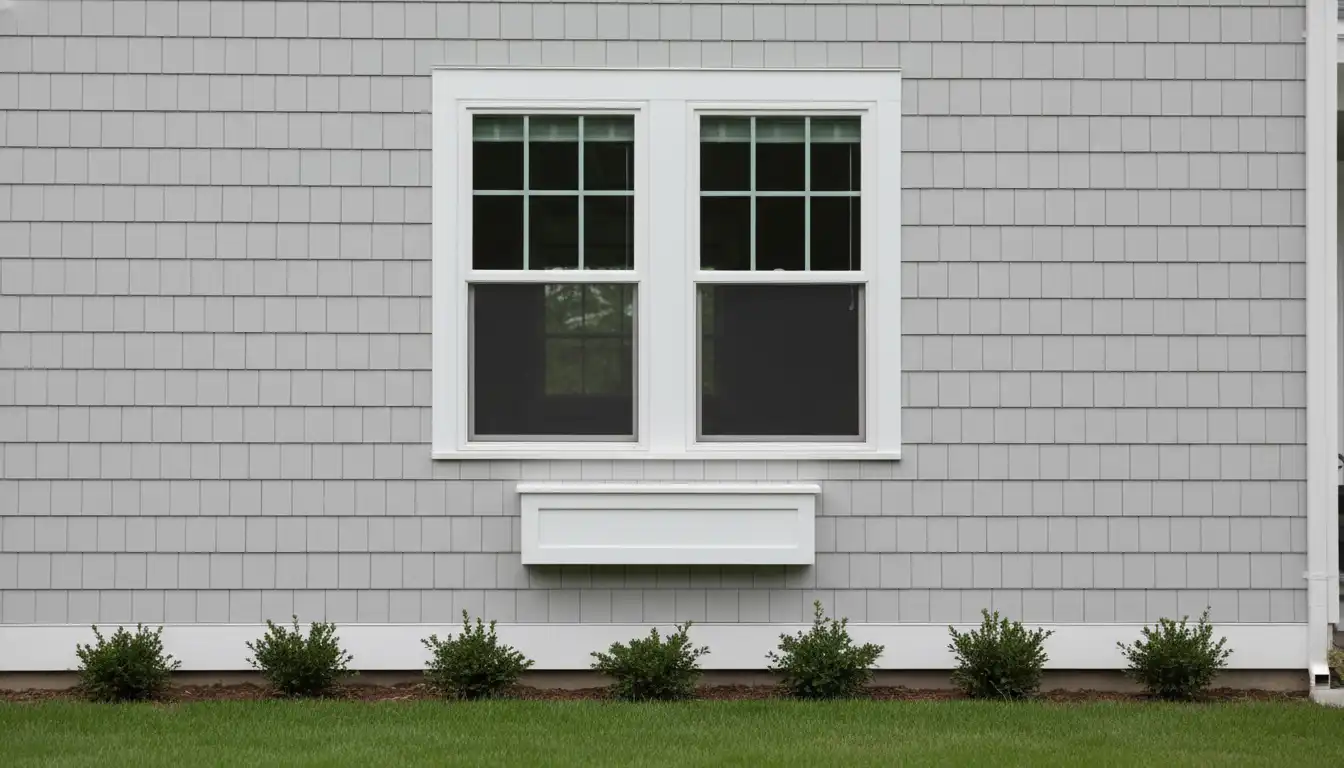
The clean lines of double-hung windows offer a timeless aesthetic that complements a wide range of architectural styles. By replacing a projecting bay window, you create a flush exterior wall that looks sleek and modern. This can significantly boost your home’s curb appeal and even increase its resale value.
Inside, the change can make a room feel larger and more streamlined. The absence of the bay’s deep sill opens up the floor plan and provides more flexibility for furniture arrangement. The simplified look offers a blank canvas for various interior design styles, from minimalist to traditional.
The Replacement Process: What to *Actually* Expect
Replacing a bay window with double-hung windows is not a simple swap. It’s a construction project that involves significant structural changes to your home’s wall. Understanding the scope of the work is crucial for a successful, safe, and seamless installation.
This process goes far beyond simply removing one window and inserting another. It requires skilled labor to deconstruct the bay, reframe the wall, and ensure the new windows are perfectly integrated into your home’s structure and exterior finish.
The #1 Mistake: Ignoring the Structural Changes
The single biggest mistake homeowners and inexperienced contractors make is underestimating the structural work required. A bay window projects from the house and is supported by its own small roof and foundation or cantilevered supports. Removing it leaves a large, unsupported opening in your wall. Simply filling this space with new windows without properly reframing the wall is a recipe for disaster.
Properly converting the opening requires building a new section of wall “in-place” of the old bay structure. This includes installing a new, correctly sized header to carry the load from the roof and floor above, along with king studs, jack studs, and cripple studs to create a stable, load-bearing frame for the new double-hung windows. Failing to do this can lead to sagging walls, cracked drywall, and even catastrophic structural failure.
Step-by-Step: From Bay to Beautiful
- Careful Demolition: The first step is to carefully remove the existing bay window, including its sashes, frame, rooflet, and any support brackets. This must be done without damaging the surrounding wall structure.
- Structural Assessment and Reframing: A professional will assess the opening and install a new header. This is a critical load-bearing beam that spans the top of the new window opening. The rest of the new wall frame, including the rough sill and studs, is then built to perfectly fit the new double-hung windows.
- Sheathing and Weatherproofing: Once the new frame is in place, the exterior is covered with sheathing (like plywood or OSB). This is followed by a weather-resistant barrier and proper flashing around the window opening to prevent any water intrusion.
- Window Installation: The new double-hung windows are then installed into the properly framed and weatherproofed opening. They must be set level, plumb, and square to ensure they operate smoothly and seal tightly.
- Finishing Touches: The final step involves finishing both the exterior and interior. Outside, this means matching the existing siding, brick, or stucco to make the new wall section blend seamlessly. Inside, drywall is patched, and new trim or casing is installed around the windows. The choice of interior finish, such as selecting between different paint sheens like matte vs. satin for the new trim, completes the transformation.
Finishing the Exterior: The Key to a Seamless Look
One of the most challenging parts of this project is making the exterior look as though the bay window was never there. This requires skill in matching the existing siding, brick, or other cladding. A good contractor will source matching materials or use creative solutions to ensure the patch is invisible.
This might involve carefully removing and reinstalling siding from another part of the house to stagger the new pieces and avoid obvious vertical seams. For brick homes, finding a perfect match can be difficult, but a skilled mason can often blend new bricks to create a cohesive look.
| Feature | Bay Window | Double-Hung Windows |
|---|---|---|
| Aesthetics | Traditional, creates a focal point, projects outward | Classic, clean lines, sits flush with the wall |
| Energy Efficiency | Older models are often prone to drafts and heat loss | Modern units offer superior insulation and efficiency |
| Space | Adds a small amount of interior floor space (window seat) | Reclaims exterior space, creates a more open interior feel |
| Ventilation | Typically only side panels open (casement or double-hung) | Both top and bottom sashes open for excellent airflow |
| Installation Complexity | Requires structural support for its projecting weight | Simpler window unit, but replacing a bay requires major reframing |
| Maintenance | More complex to clean, small roof requires upkeep | Tilt-in sashes make cleaning easy from inside |
Making the Right Choice for Your Home
Replacing a bay window with double-hung windows is a significant home improvement project that can greatly enhance your home’s comfort, efficiency, and appearance. While the process is more involved than a standard window replacement, the benefits are well worth the investment.
The key to a successful project is hiring a qualified and experienced contractor who understands the critical structural modifications required. By avoiding the common mistake of overlooking the reframing process, you can ensure your new windows are not only beautiful and functional but also safely and properly supported for years to come.
