Is Your Old Boiler a Ticking Time Bomb? The Truth About Replacing It With Forced Air
That old boiler in the basement clanks, whistles, and groans, a constant reminder of winters past. While it has provided faithful service, it might now be the source of uneven heating, surprisingly high energy bills, and a nagging worry about its age. Perhaps the biggest issue is its most significant limitation: it only provides heat, leaving you to suffer through sweltering summers with noisy window air conditioners.
If you’re contemplating a major home comfort upgrade, the idea to replace your boiler with a forced-air system has likely crossed your mind. This isn’t just about swapping one piece of equipment for another; it’s about fundamentally changing how your home breathes, stays warm in the winter, and, most importantly, stays cool in the summer. It’s a decision with significant implications for your comfort, budget, and home value.
This comprehensive guide will walk you through every aspect of this major home improvement project. We’ll explore the problems with aging boiler systems, the immense benefits of modern forced-air HVAC, the detailed process of conversion, and the all-important costs. By the end, you’ll have a clear understanding of whether this transformative upgrade is the right move for your home and family.
You'll Learn About
Is Your Boiler System Holding Your Home’s Comfort Hostage?
Boiler systems, also known as hydronic or radiant heat systems, warm your home by circulating hot water or steam through pipes to radiators or baseboard heaters. For decades, they were prized for providing a comfortable, radiant warmth. However, older boiler systems come with a distinct set of problems that many homeowners find increasingly difficult to ignore.
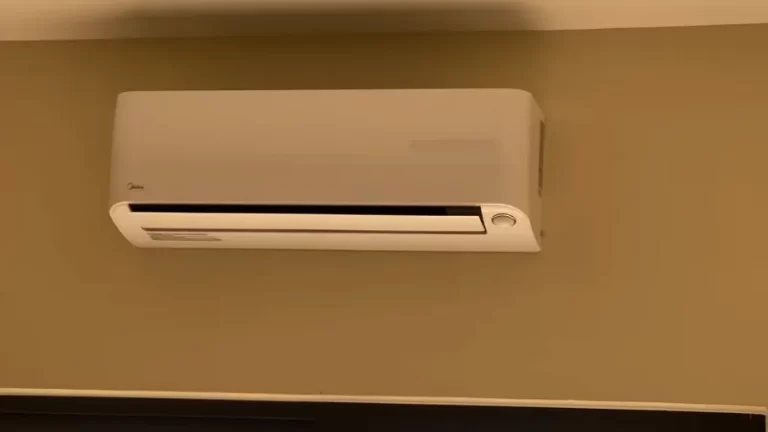
One of the most common complaints is the lack of central air conditioning. Boilers are designed exclusively for heating, meaning a separate solution is required for cooling. This often involves bulky, inefficient, and loud window A/C units that obstruct views and pose a security risk. In a modern world where central air is a standard expectation, a boiler-only home can feel outdated and uncomfortable during hot weather.
Efficiency is another major concern. While modern boilers can be highly efficient, older models are notorious energy hogs. They can struggle to maintain consistent temperatures throughout the home, leading to frustrating hot and cold spots. Furthermore, as these systems age, they are prone to issues like leaks, kettling (loud banging noises), and pilot light failures, leading to costly repairs and the constant threat of a complete breakdown in the dead of winter.
The Hidden Downsides of Radiator Heat
Beyond the boiler itself, the radiator delivery system has its own set of drawbacks. The large, cast-iron radiators common in older homes take up valuable floor space, dictating furniture placement and limiting design possibilities. They can also be a safety concern for households with small children.
Furthermore, these systems can contribute to poor indoor air quality. Because there is no fan or filtration system moving the air, dust, allergens, and pet dander can accumulate and stagnate within the living space. This is a significant issue for individuals with allergies or respiratory sensitivities who would benefit from the air filtration capabilities inherent in a forced-air system.
The Forced-Air Revolution: More Than Just a Furnace
Switching to a forced-air system is a gateway to a new level of whole-home comfort and control. Unlike a boiler, which is a one-trick pony, a forced-air system is a versatile platform that provides heating, cooling, and continuous air purification all through a single, unified network of ductwork. This integrated approach is the cornerstone of the modern HVAC (Heating, Ventilation, and Air Conditioning) system.
The primary benefit is, of course, the addition of central air conditioning. A forced-air furnace can be easily paired with an outdoor condenser unit and an indoor evaporator coil, using the same ductwork to distribute cool, conditioned air throughout your entire home. This eliminates the need for window units, providing quiet, efficient, and powerful cooling at the touch of a thermostat.
Modern forced-air furnaces are also significantly more energy-efficient than their older boiler counterparts. High-efficiency models can convert over 95% of their fuel into usable heat, resulting in lower utility bills and a smaller carbon footprint. This is a considerable upgrade, especially when considering the rising costs of energy, which are also a factor in other household conversions, like the cost to convert a gas stove to electric.
A Breath of Fresh Air for Your Home
Perhaps one of the most underrated advantages of a forced-air system is its impact on indoor air quality. As air circulates through the system, it passes through a filter that traps dust, pollen, pet dander, and other airborne contaminants. This continuous filtration can dramatically improve the health of your home’s environment.
Moreover, the ductwork provides a platform for a wide array of indoor air quality add-ons. You can integrate whole-home humidifiers to combat dry winter air, dehumidifiers for muggy summers, and advanced air purifiers or UV lamps to neutralize bacteria, viruses, and mold spores. This level of control over your home’s atmosphere is simply impossible with a boiler system.
The Conversion Process: What to Expect When You Switch
Making the switch from a boiler to a forced-air system is a significant undertaking, but it can be broken down into a manageable series of steps. The first phase involves the decommissioning and removal of the old system. A professional HVAC crew will safely drain the boiler and pipes, disconnect the unit, and remove it from your property. The old radiators or baseboard heaters will also be removed, freeing up valuable wall and floor space.
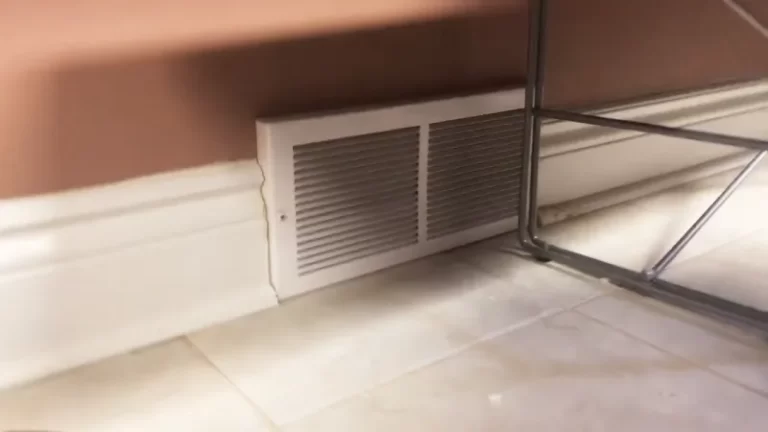
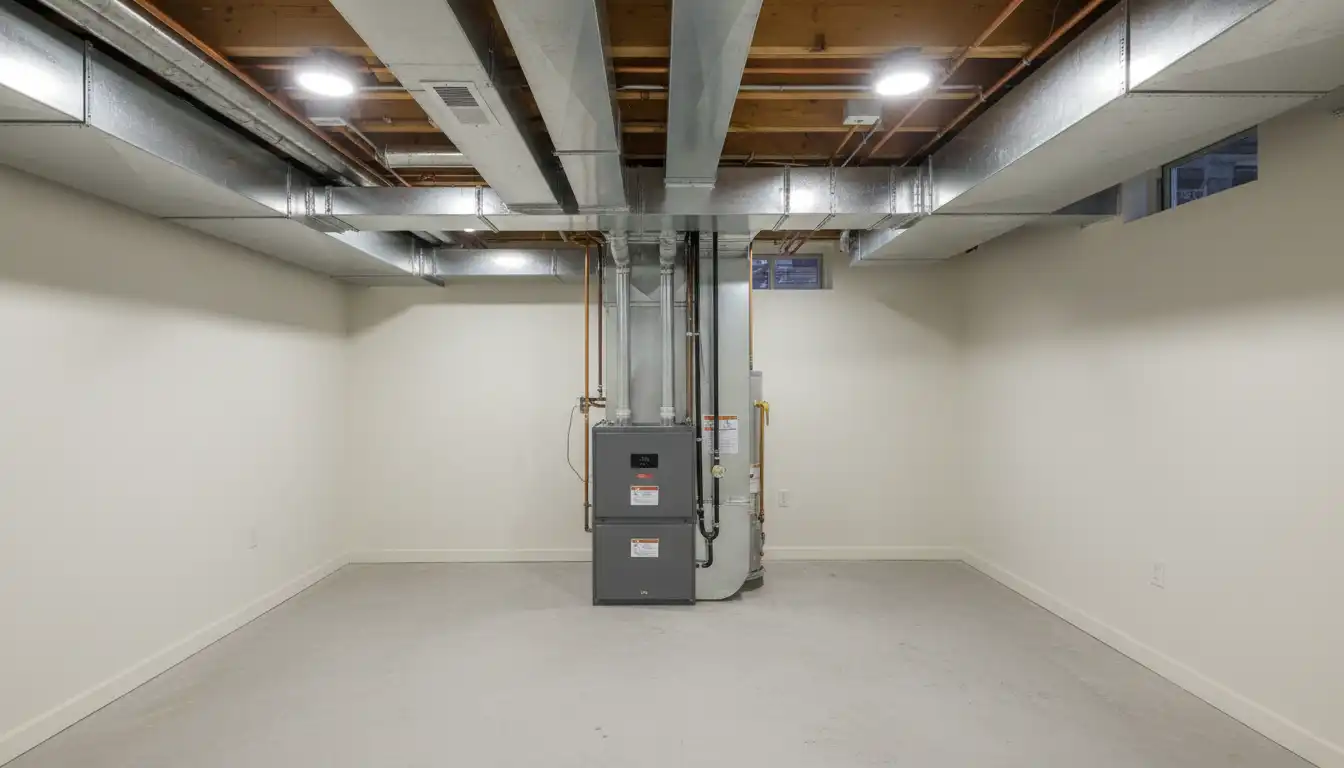
The most intensive part of the project is the design and installation of new ductwork. This is the circulatory system for your new HVAC, and its proper design is critical for efficient and balanced airflow. Technicians will strategically run ducts through your basement, attic, closets, and soffits to reach every room in the house. This process involves cutting openings for supply and return vents in your floors, walls, or ceilings.
Finally, the new equipment is installed. This includes the furnace (typically in the basement or utility closet), the outdoor air conditioning condenser unit, and the indoor evaporator coil, which is mounted on the furnace. The system is then connected, charged with refrigerant, and thoroughly tested to ensure everything is operating correctly and safely.
Boiler vs. Forced Air: A Head-to-Head Breakdown
Choosing between sticking with a boiler and converting to forced air involves weighing several key factors. This table provides a clear comparison to help you understand the trade-offs between the two systems.
| Feature | Boiler (Hydronic) System | Forced-Air (HVAC) System |
|---|---|---|
| Installation Cost | High for new installation, moderate for replacement. | Very high if ductwork is required; moderate if ducts exist. |
| Operating Cost | Can be lower with new high-efficiency models. | Generally lower due to high-efficiency furnaces and heat pumps. |
| Comfort Level | Provides a very comfortable, even radiant heat. Slower to respond to temperature changes. | Heats up quickly but can create drafts and dry air. Zoning can improve comfort. |
| Air Quality | Does not circulate dust or allergens; no filtration. | Filters air continuously; can integrate purifiers and humidifiers. |
| A/C Integration | Not possible. Requires a completely separate system (e.g., mini-splits). | Seamless integration. Uses the same ductwork for heating and cooling. |
| Maintenance | Requires annual service; potential for water leaks. | Requires regular filter changes and annual professional service. |
Counting the Cost: What to Budget for Your HVAC Upgrade
There is no one-size-fits-all answer to the cost of replacing a boiler with a forced-air system, as it depends heavily on the size of your home, the complexity of the ductwork installation, and the efficiency of the equipment you choose. However, you can expect this to be a significant investment, often ranging from $15,000 to $25,000 or more.
The largest portion of this cost is typically the ductwork installation, which can account for more than half of the total project budget. The price of the furnace and air conditioner units themselves can vary widely based on brand, size (measured in BTUs for heating and tons for cooling), and energy efficiency ratings (AFUE for furnaces and SEER for air conditioners). Labor costs for removing the old system and installing the new one also make up a substantial part of the final bill.
While the upfront cost is high, it’s essential to view it as a long-term investment. The energy savings from a high-efficiency system, combined with the significant increase in home value and comfort from adding central air, can provide a substantial return over time. This kind of value-adding renovation is similar in spirit to other major projects, like turning a carport into a room, which also transform a home’s functionality.
The Hidden Hurdle: Installing Ductwork in an Existing Home
The single greatest challenge in a boiler-to-forced-air conversion is retrofitting ductwork into a house that wasn’t designed for it. In new construction, ducts are easily hidden within walls and floor joists. In an existing home, contractors must get creative to minimize aesthetic disruption.
Common strategies include running main trunk lines through the top of closets (creating a small soffit), utilizing unfinished basement or attic space, and running smaller branch lines through floor and ceiling joists. A skilled HVAC designer is crucial to this process. They will perform a detailed load calculation to ensure the system is sized correctly and that the ductwork is designed to deliver balanced airflow to every room, preventing the hot and cold spots that plague poorly designed systems.
Beyond the Basics: Unlocking Your Home’s Full Potential
Once you have a forced-air system in place, you open the door to a host of smart home and comfort-enhancing technologies. A smart thermostat is one of the most popular upgrades. These devices learn your schedule, can be controlled remotely via your smartphone, and provide detailed energy usage reports, helping you further optimize your savings and comfort.
As mentioned earlier, you can also integrate whole-home humidifiers, dehumidifiers, and advanced air purification systems directly into your ductwork. Another powerful upgrade is a zoned HVAC system. Zoning allows you to divide your home into different areas, each controlled by its own thermostat. This means you can keep bedrooms cooler at night while the main living area is warmer, for example, preventing energy waste by not heating or cooling unused spaces.
This ability to completely overhaul a home’s comfort systems and functionality is a powerful motivator for many homeowners. It’s a transformative project that elevates a house’s utility and value, much like the strategic process of converting a duplex into a single-family home to better suit a family’s needs.
Is Replacing Your Boiler with Forced Air the Right Move for You?
The decision to undertake this major conversion hinges on your priorities. If your primary goals are to add central air conditioning, improve energy efficiency, and gain better control over your indoor air quality, then replacing your boiler with a forced-air system is an excellent investment.
The project provides a comprehensive, modern solution to whole-home comfort. While the upfront cost is significant, the long-term benefits—including lower energy bills, enhanced comfort, and increased property value—are compelling. It modernizes an older home, equipping it with the features that today’s buyers expect.
If you’re tired of battling with window A/C units, paying high winter heating bills, and worrying about your aging boiler, it’s time to explore the next generation of home comfort. Contact several qualified HVAC professionals to get detailed quotes and a professional assessment of how a forced-air system can transform your living space for the better.