
Replace Your Bathtub with a Clawfoot Tub: The Ultimate Guide
That standard, built-in alcove bathtub in your home does its job, but does it inspire you? For many homeowners, the answer is a resounding no. The dream of a bathroom renovation often centers on creating a personal sanctuary, a spa-like retreat, and nothing embodies that vision more than a classic, elegant clawfoot tub.
The problem is that the path from a dated alcove tub to a stunning freestanding centerpiece is fraught with questions. Concerns about floor support, plumbing relocation, and hidden costs can quickly turn a dream project into a source of anxiety. This guide will dismantle those fears, providing a clear, step-by-step roadmap to successfully replace your bathtub with a beautiful clawfoot tub.
You'll Learn About
Why a Clawfoot Tub Is More Than Just a Bathtub
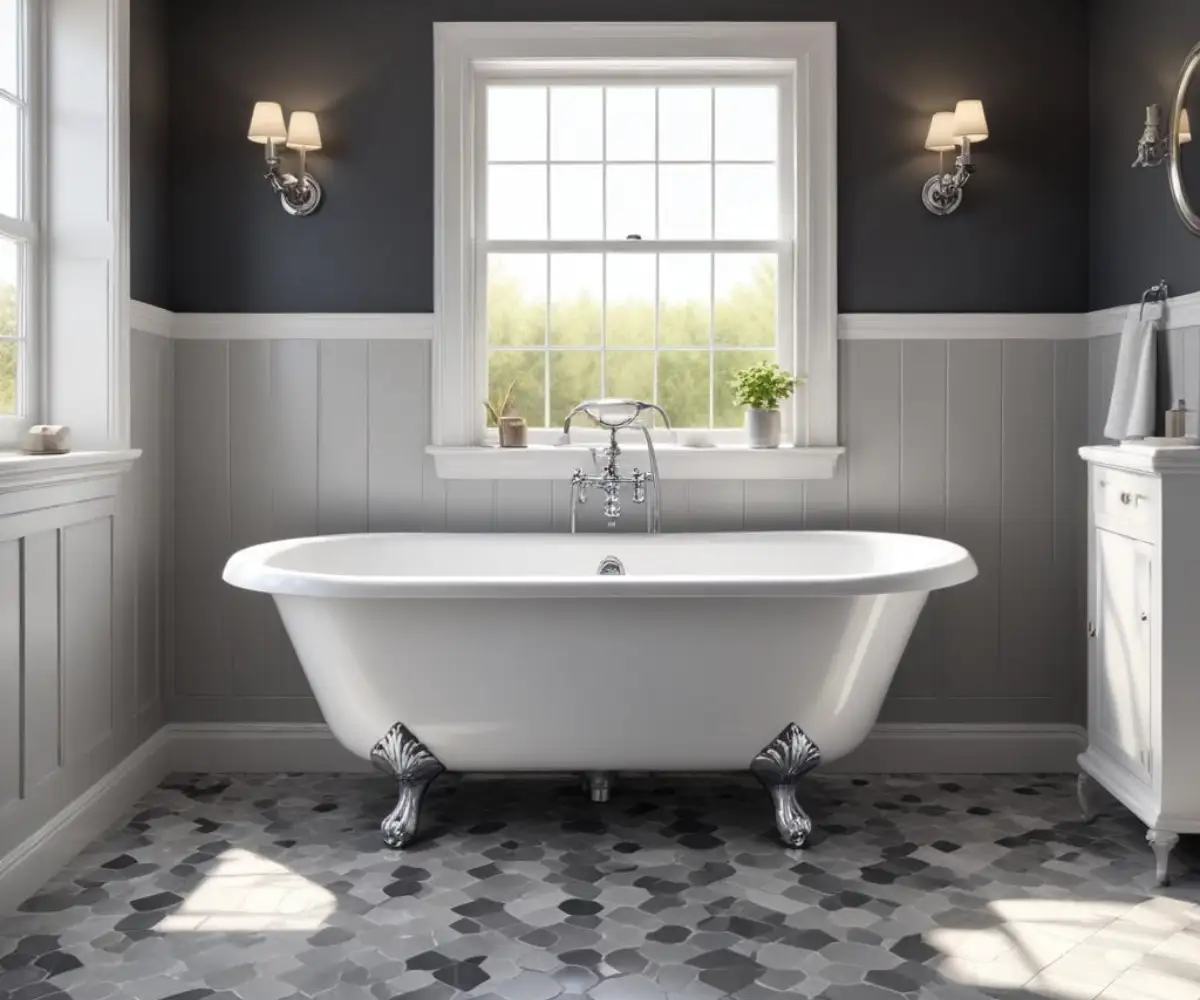
Opting for a clawfoot tub is an intentional design choice that elevates the entire bathroom. Unlike their built-in counterparts, these freestanding tubs act as a sculptural focal point, lending an air of timeless sophistication to the space. Their design often allows for a deeper, more luxurious soaking experience, transforming a routine bath into a therapeutic escape.
Furthermore, because they stand on feet, clawfoot tubs create an illusion of more floor space, making the bathroom feel larger and more open. This single upgrade can significantly impact your home’s aesthetic appeal and potentially increase its resale value by creating a memorable, high-end feature in a key room.
Before You Begin: The Critical Pre-Installation Checklist
Proper planning is the most crucial phase of this project. Addressing the major structural and logistical challenges before you even pick up a hammer will save you from costly and time-consuming mistakes down the road. This checklist covers the three most important areas of concern.
Assessing Your Bathroom’s Foundation: Can Your Floor Handle the Weight?
This is the number one question for anyone considering a traditional cast iron clawfoot tub. These tubs are incredibly heavy on their own, and when filled with water and occupied by a person, the total weight can exceed 1,000 pounds. This is a significant load concentrated on four small points, and your floor must be prepared to handle it.
Start by inspecting your floor joists. If you have access from a basement or crawlspace, check their size, spacing (typically 16 inches on center), and condition. Look for any signs of water damage, rot, or notches that could compromise their strength. A perfectly sound structure built to modern code should generally support a standard tub, but for oversized models or in older homes, reinforcement is often necessary. This can involve sistering joists (adding a new joist alongside an existing one) or adding blocking between them for extra stability.
Mapping Out Your Plumbing: The Great Drain Migration
An alcove bathtub has its plumbing conveniently hidden in the wall. A clawfoot tub, however, requires the plumbing to come up through the floor. This means you will need to relocate both the drainpipe and the hot and cold water supply lines. This is a significant plumbing job that, for most homeowners, will require hiring a licensed plumber.
The plumber will need to open the floor to access the pipes, move them to the correct location for your new tub’s drain and faucet, and ensure everything is properly sealed and vented. Poor ventilation is a common issue in bathroom remodels; ensuring proper airflow by considering solutions like a gable vent can help prevent future moisture problems. If you’re looking for guidance on this, you might find our article on how to install a gable vent from the inside useful.
Budgeting Beyond the Bathtub: Uncovering Hidden Costs
The price of the tub itself is just the beginning. A realistic budget must account for a wide range of associated costs. The average cost to have a professional replace a standard tub with a freestanding one can range from $2,200 to over $5,000, depending on the complexity of the job.
Be sure to factor in the cost of a new faucet and drain assembly (often sold separately), plumber’s fees for relocating the pipes, and potential contractor costs for floor reinforcement and demolition. You will also need to budget for new flooring to cover the area under the old tub and for any necessary drywall and tile repair on the walls.
The Ultimate Step-by-Step Guide to Replacing Your Bathtub
With the critical planning phase complete, you’re ready to begin the transformation. This process is broken down into five manageable steps, moving from demolition to the final, beautiful installation.
Step 1: Demolition and Removal of the Old Tub
The first physical step is to remove the old bathtub. Begin by shutting off the main water supply to the bathroom. You will then need to disconnect the drain and overflow plate. To remove the tub itself, you may need to cut away a portion of the drywall and remove some tiles around its flange.
Alcove tubs are often made of steel, fiberglass, or acrylic and can be cumbersome. For heavier steel or cast iron models, it’s often easiest and safest to break them into smaller, more manageable pieces using a sledgehammer before removal.
Step 2: Preparing the Space for a Grand Entrance
With the old tub gone, you will be left with an exposed subfloor and wall studs. This is the time to make any necessary repairs and reinforcements. Carefully inspect the subfloor for any water damage and replace any compromised sections. If you determined that floor joist reinforcement is needed, complete that work now.
A crucial, often overlooked step is ensuring the subfloor is perfectly level. An unlevel floor can cause a clawfoot tub to rock, putting stress on the feet and plumbing connections over time. After the subfloor is solid and level, install a waterproofing membrane for an extra layer of protection against spills and leaks.
Step 3: Rerouting and Installing New Plumbing
This is where your licensed plumber takes center stage. They will open the subfloor to move the drainpipe to the precise location required for the clawfoot tub’s drain. The hot and cold water supply lines will also be rerouted to come up through the floor, positioned to connect to your new freestanding tub filler.
Once the new pipes are in place, they should be capped and pressure-tested to ensure there are no leaks before the floor is closed up. This is a critical quality check that prevents catastrophic water damage later.
Step 4: Flooring and Finishing the Walls
With the plumbing rough-in complete and the subfloor prepared, you can now install your new bathroom flooring. Tile is a popular and durable choice, but waterproof luxury vinyl plank is also an excellent option. The flooring should be installed across the entire bathroom area, including where the new tub will sit.
Next, repair the walls where the old tub and tile surround were located. This will involve installing new moisture-resistant drywall, taping, mudding, and sanding until you have a smooth surface ready for paint or new tile. Considering the overall quality of materials is key to a lasting renovation. For those exploring different material options, reading up on KraftMaid EverCore reviews can provide insights into durable cabinet materials that might complement your new bathroom aesthetic.
Step 5: Setting the Jewel: Installing the Clawfoot Tub
The final step is to bring in the new tub. This often requires at least two, and for cast iron, up to four people. Carefully place the tub upside down on a soft blanket or cardboard to attach the feet. Once the feet are securely bolted on, carefully turn the tub over and move it into its final position.
Connect the new drain assembly (the waste and overflow) to the tub and then to the drainpipe in the floor. Install your freestanding faucet and connect the water supply lines. Before calling the job complete, fill the tub partially and meticulously check every single connection for leaks.
Choosing Your Champion: Cast Iron vs. Acrylic Clawfoot Tubs
The material of your tub is one of the biggest decisions you’ll make, impacting weight, heat retention, and cost. Each has distinct advantages and disadvantages that cater to different priorities and bathroom situations.
The Heavyweight Classic: Cast Iron
Cast iron tubs are the traditional choice, prized for their incredible durability and superior heat retention. Once a cast iron tub is warm, it will keep your bathwater hot for a very long time. This authentic, substantial feel is something that lighter materials cannot replicate.
However, the primary drawback is their immense weight, which necessitates the floor structure checks and potential reinforcement discussed earlier. They are also typically more expensive and the hard enamel surface, while durable, can be chipped by a heavy impact.
The Modern Contender: Acrylic
Acrylic tubs offer the classic clawfoot look in a modern, lightweight package. This makes them significantly easier to move and install, often eliminating the need for floor reinforcement. They are also more affordable and the material is warm to the touch.
The main trade-offs are that acrylic does not retain heat as well as cast iron, and it can be more susceptible to scratching. However, high-quality acrylic tubs are still very durable and offer an excellent balance of beauty, practicality, and value.
| Feature | Cast Iron Clawfoot Tub | Acrylic Clawfoot Tub |
|---|---|---|
| Weight | Extremely heavy (250-500 lbs empty) | Lightweight (75-150 lbs empty) |
| Heat Retention | Excellent; keeps water hot for longer | Good; cools faster than cast iron |
| Durability | Highly durable, but enamel can chip | Durable, but can scratch more easily |
| Installation | Requires floor reinforcement and more labor | Easier to install; rarely needs reinforcement |
| Cost | Higher initial investment | More affordable |
| Feel | Solid, substantial, authentic vintage feel | Warm to the touch, lighter feel |
Pro Tips for Living with Your New Clawfoot Tub
Owning a clawfoot tub involves a few lifestyle adjustments, but these simple tips will help you enjoy your new fixture to the fullest. One practical consideration is how you manage the exterior of your home, as a beautiful interior deserves a well-maintained exterior. If you’re considering outdoor upgrades, learning how to install an awning on vinyl siding can be a great way to enhance your home’s curb appeal.
To prevent water from splashing onto your beautiful new floor, a 360-degree shower curtain ring is essential if you plan to use the tub for showering. Cleaning underneath the tub can be awkward, so invest in a long-handled duster or a slim robotic vacuum to easily manage dust and hair. Finally, enhance your bathing experience with a wooden bath tray for books or candles, and a non-slip bath mat for safety.
Frequently Asked Questions (FAQ)
How much does it cost to replace a bathtub with a clawfoot tub?
The total cost can vary widely, but most projects fall between $2,500 and $7,500. This range includes the tub, new fixtures, labor for plumbing relocation, floor reinforcement, and finishing work like tiling and painting.
Do I absolutely need a plumber to install a clawfoot tub?
Unless you have advanced plumbing skills, yes, you should hire a licensed plumber. The job requires moving drain and supply lines, which must be done correctly to meet building codes and prevent leaks. The cost of a professional is far less than the cost of repairing water damage from a DIY mistake.
How do I stop water from getting all over the floor?
If you plan on showering in your clawfoot tub, a wrap-around shower curtain enclosure is non-negotiable. This setup uses a ceiling-supported ring to allow a curtain to encircle the entire tub, directing all water back into the basin.
Are clawfoot tubs comfortable for everyday use?
Many people find them more comfortable than standard tubs. Their greater depth allows for a much better soaking experience, and many models feature a “slipper” design with a high, sloping back for ergonomic support. They are highly practical for daily bathing.
A Final Word on Your Bathroom Transformation
Replacing a standard bathtub with a clawfoot tub is a significant undertaking, but it is one of the most impactful upgrades you can make to your home. It’s a project that combines structural considerations, detailed plumbing work, and fine finishing skills.
By carefully planning your budget, assessing your home’s structure, and hiring qualified professionals for the critical tasks, you can confidently manage the process. The result will be a breathtaking bathroom centerpiece that offers timeless style and a touch of everyday luxury for years to come.
