
Is Red Diamond Tea Toxic? The Truth About Your Favorite Iced Tea
That familiar red-capped gallon jug of iced tea is a staple in many homes, a refreshing go-to on a hot day. But an alarming question has surfaced online and in community forums: “Is Red Diamond tea toxic?” This concern can be unsettling for any health-conscious household.
The worry often stems from isolated reports and online discussions about strange tastes or smells. When you’re dedicated to creating a safe and healthy home environment, such claims about a product you bring into your kitchen demand a closer look. Let’s explore the facts behind these concerns and what you can do to ensure every glass of iced tea you serve is safe and delicious.
You'll Learn About
Deconstructing the Concern: What’s Really in the Jug?
The primary ingredients in Red Diamond tea are straightforward: water and tea leaves. The company prides itself on using a blend of orange pekoe and pekoe cut black tea, fresh-brewed without powders or concentrates. However, the conversation around its safety isn’t just about the tea itself; it involves the entire lifecycle of the product, from the field to your fridge.
Several factors contribute to public concern. Past incidents, including a lawsuit filed years ago alleging petrochemical contamination in a specific batch, have created long-lasting apprehension. Though these were isolated events, they planted a seed of doubt for some consumers. More common are complaints on forums about batches tasting “off” or “rotten” well before their expiration date, suggesting potential quality control or storage issues.
The Unseen Risks in Commercially Produced Tea
Beyond specific brand issues, the broader tea industry faces challenges that can affect any product on the shelf. Pesticide residue is a significant concern for non-organic teas. Since tea leaves are not washed during processing, pesticides sprayed on the crops can end up in the final product. Studies have shown that various commercial teas can contain residues of multiple pesticides, and while regulatory bodies set limits, the idea of consuming these chemicals is unsettling.
Another area of focus is the packaging. Most gallon-jug teas, including Red Diamond, are sold in plastic containers. The potential for chemicals like Bisphenol A (BPA) or its alternatives (BPS, BPF) to leach from plastic into the beverage is a well-documented health concern. Heat and time can increase the rate of leaching, making it crucial to consider how the tea was transported and stored before it even reached the grocery store.
Taking Control: The Home and Garden Solution to Safe Iced Tea
Instead of worrying about the variables of mass production, you can take complete control over the quality and safety of your iced tea by brewing it at home. This not only eliminates concerns about industrial contamination or packaging but also opens up a world of fresh, vibrant flavors straight from your own garden or local market. Making your own tea is a simple, rewarding process that puts you in the driver’s seat of your family’s health.
Creating a healthy kitchen and garden space is a holistic endeavor. Just as you might carefully research paint options like PPG Diamond vs Timeless for your home’s air quality, scrutinizing what goes into your beverages is equally important. The peace of mind from knowing exactly what’s in your glass is invaluable.
Step 1: Sourcing Your Tea and Flavorings
The foundation of great iced tea is the tea itself. Opt for high-quality loose-leaf tea or tea bags from reputable sources. Choosing organic tea can significantly reduce your exposure to pesticides. While it’s not a perfect guarantee, studies show organic teas contain far fewer residues.
This is where your garden comes in. Growing your own flavor enhancers is a fantastic way to elevate your homemade tea. Mint is a classic choice and incredibly easy to grow in a pot or a small garden patch. Other herbs like basil, lavender, and rosemary also make delicious and unique infusions. If you’re undertaking a garden project, you might even find yourself tackling preparatory tasks like learning how to remove excess concrete to create the perfect spot for your herb garden.
Step 2: The Art of Cold Brewing
While traditional hot brewing is quick, the best and safest method for iced tea is cold brewing. Hot water can extract more tannins from the tea leaves, leading to a bitter taste. More importantly, brewing tea in the sun (“sun tea”) is not recommended, as the warm, slow steeping process creates an ideal environment for bacteria to multiply.
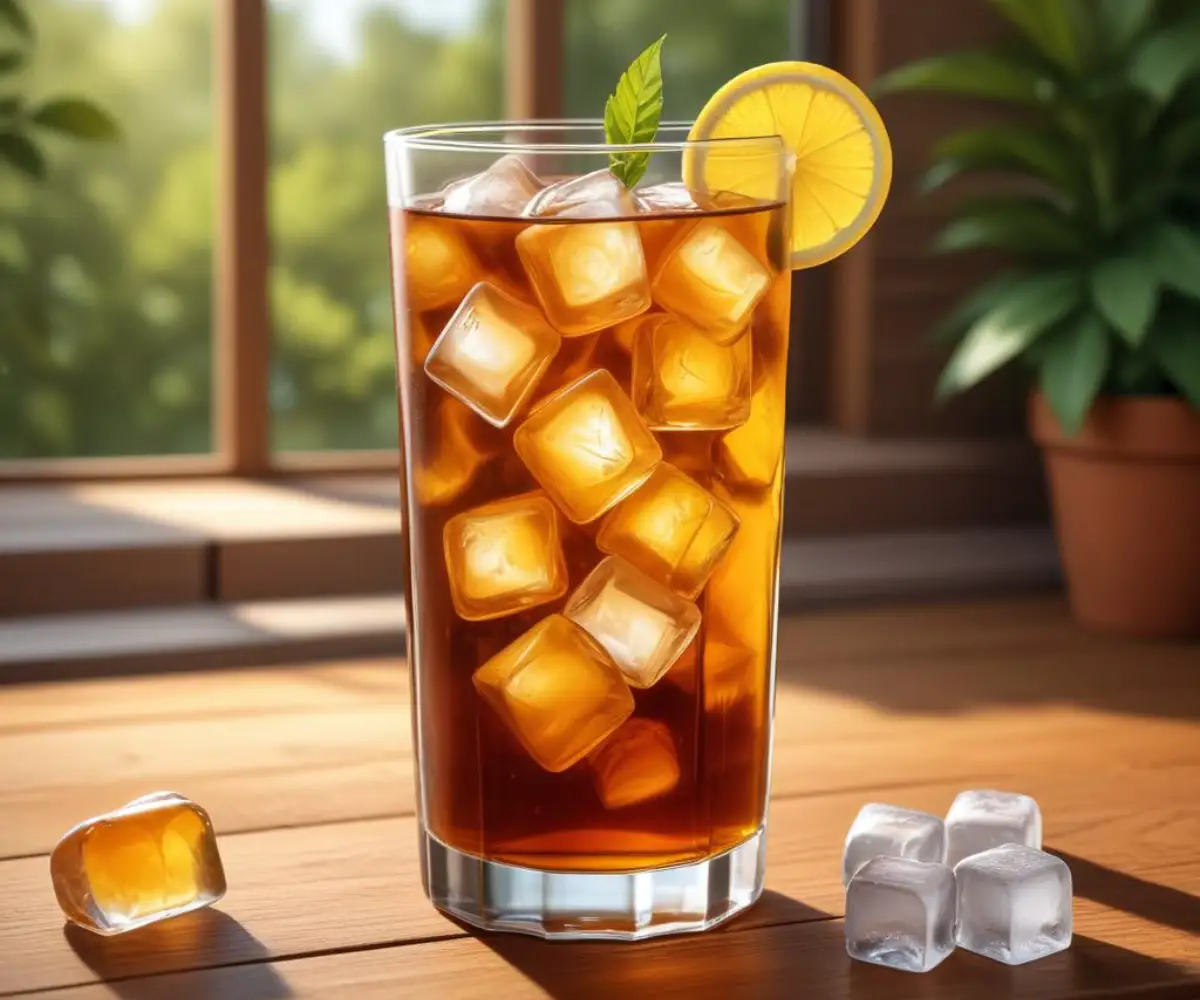
Cold brewing is incredibly simple and yields a smoother, cleaner-tasting tea. Just combine your tea leaves or bags with cold, filtered water in a glass pitcher and let it steep in the refrigerator for 8 to 12 hours. This gentle infusion extracts the flavor without the bitterness and minimizes the risk of bacterial growth. Using a glass pitcher is key to avoiding any potential chemical leaching from plastic.
Step 3: Natural Sweeteners and Safe Storage
One of the biggest advantages of making your own iced tea is controlling the sugar content. Many store-bought sweet teas contain staggering amounts of sugar or high-fructose corn syrup. At home, you can use natural alternatives like honey, maple syrup, or stevia to sweeten your tea to your preference.
For best results, make a simple syrup by dissolving your chosen sweetener in a small amount of hot water before adding it to your cold tea. This ensures it mixes evenly. Once brewed and sweetened, your homemade iced tea should be stored in a sealed glass container in the refrigerator and consumed within about three days for the best flavor and freshness.
Comparing Store-Bought vs. Homemade Iced Tea
The difference between a gallon jug of pre-made tea and a pitcher of your own fresh-brewed creation is night and day. When you take control of the process, you are prioritizing health, flavor, and quality. Let’s break down the key differences.
Your journey to a healthier lifestyle touches every part of your home, from the food you serve to the materials you build with. Deciding on the best kitchen setup, for instance, might involve looking into the benefits of quality mid-range cabinets that support your goal of an organized, wellness-focused space. In the same way, choosing to brew your own tea is an investment in your home’s health-centric environment.
| Feature | Store-Bought Iced Tea (e.g., Red Diamond) | Homemade Cold Brew Iced Tea |
|---|---|---|
| Ingredient Control | Limited. Ingredients are pre-determined by the manufacturer. Potential for preservatives and additives. | Total Control. You choose the tea, water, sweeteners, and flavorings. No hidden ingredients. |
| Pesticide Risk | Higher, especially in non-organic brands where tea leaves are not washed. | Lowered. You can choose certified organic tea leaves to minimize pesticide exposure. |
| Packaging | Typically stored in plastic jugs, which carry a risk of chemical leaching (BPA/BPS). | Safer. Brewed and stored in glass pitchers, eliminating the risk of plastic contaminants. |
| Sweeteners | Often contains high amounts of refined sugar or high-fructose corn syrup. | Healthier Options. You can use natural sweeteners like honey or maple syrup, or none at all. |
| Freshness & Flavor | Can have a “stale” or acidic taste from preservatives. Quality can be inconsistent. | Superior. Incredibly fresh, smooth, and vibrant flavor. Fully customizable. |
| Bacterial Risk | Low risk due to industrial processing, but improper storage can lead to spoilage. | Very Low. Cold brewing in the refrigerator is the safest method, preventing bacterial growth. |
The Verdict: Is Red Diamond Tea Safe?
While there is no widespread evidence to suggest Red Diamond tea is inherently toxic, the concerns highlight the broader issues with commercially produced beverages. Inconsistent quality, potential pesticide residues, and chemicals from plastic packaging are valid points of consideration for any health-conscious consumer.
Ultimately, the fear surrounding the “toxicity” of a specific brand points to a larger truth: the safest, healthiest, and most delicious iced tea is the one you make in your own kitchen. By embracing the simple art of cold brewing, you eliminate the unknowns and take full control. You can enjoy a truly refreshing beverage, free from worry and full of fresh flavor, perfectly suited to your healthy home and garden lifestyle.
Frequently Asked Questions
Is Red Diamond tea toxic?
There have been past allegations of contamination. In 2009, a consumer in Texas claimed to have found petrochemicals in a jug of Red Diamond tea. This led to a lawsuit after she created a website to warn the public.
Has Red Diamond tea ever been recalled for toxic chemicals?
An incident in 2003 involved claims of some jugs in Texas being contaminated with toxic chemicals. However, the company’s official website today emphasizes that their tea is fresh-brewed from tea leaves and contains no preservatives.
Are there ongoing concerns about the safety of Red Diamond tea?
While the Environmental Working Group (EWG) has not identified any ingredient concerns for Red Diamond Sweet Tea, some consumers have reported issues with the tea tasting “rotten and nasty” more recently. There have also been online discussions about finding mold in the product. It’s important to note that Red Diamond’s ready-to-drink tea must be kept refrigerated at all times.
What has Red Diamond said about these claims?
In response to the 2009 incident, Red Diamond sued the consumer who made the allegations for libel and defamation. The company’s current frequently asked questions section on their website does not address toxicity claims but does state that their tea is a fresh product that needs to be refrigerated.
Are there any other health concerns associated with Red Diamond tea?
Some of Red Diamond’s sugar-free tea products contain artificial sweeteners. The health effects of long-term consumption of artificial sweeteners are a subject of debate.
