
Red Bugs on Cucumber Plants? Your Ultimate Guide to a Pest-Free Harvest
Discovering a swarm of tiny red bugs crawling over your once-thriving cucumber plants can be disheartening. This common garden problem often leaves gardeners wondering what these pests are and, more importantly, how to get rid of them. The appearance of these pests can signal the beginning of a rapid decline in your cucumber patch’s health, turning vibrant green leaves into a yellow, mottled mess.
Understanding the identity of these invaders is the first step toward reclaiming your garden. In most cases, the culprits are not true bugs but are actually a type of arachnid known as spider mites. These minuscule pests are a significant threat to cucumbers, capable of causing widespread damage in a short amount of time.
You'll Learn About
Identifying the Unwanted Red Visitors on Your Cucumbers
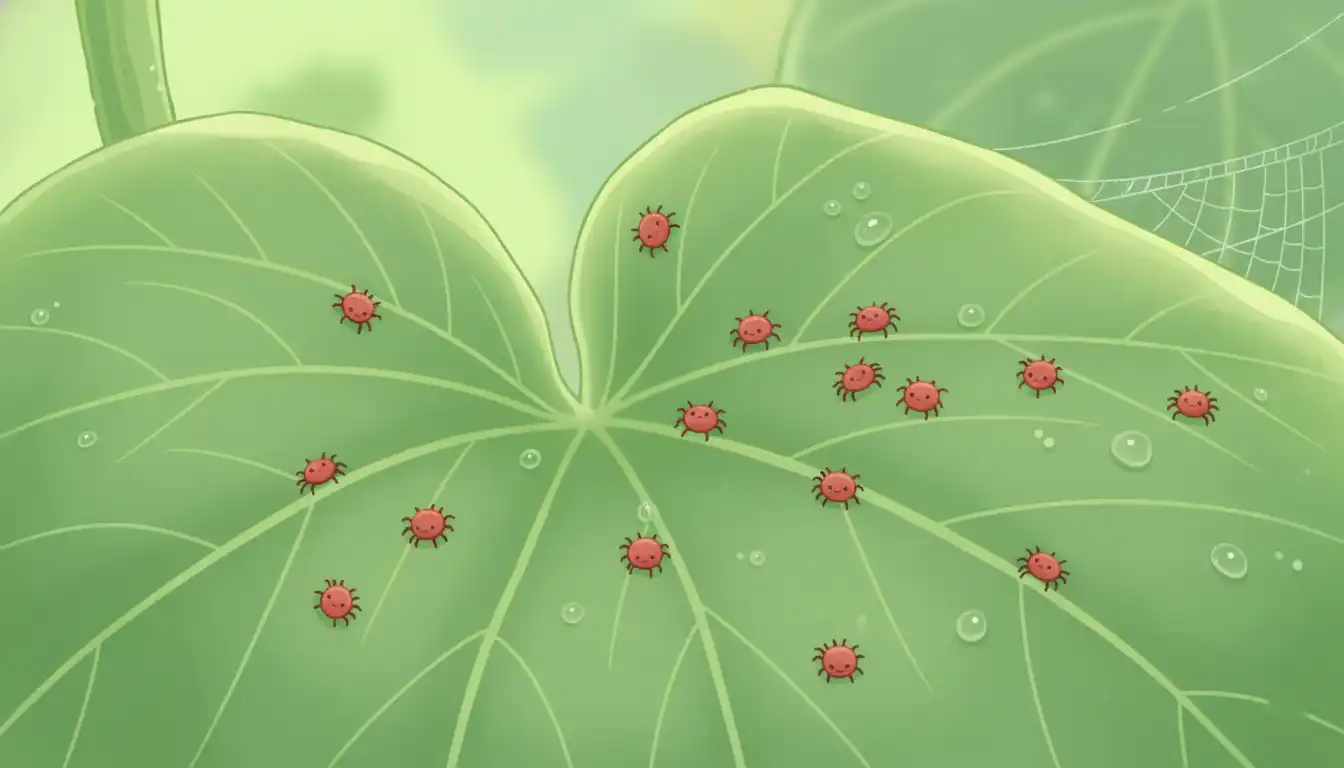
When you see tiny red specks moving on your cucumber leaves, you are most likely dealing with an infestation of Two-Spotted Spider Mites (Tetranychus urticae). Though they are often called red spider mites, they can also be yellow or green and develop their reddish-brown color in the fall and winter. These pests are incredibly small, about the size of a pinhead, making them difficult to spot with the naked eye until their population explodes.
A tell-tale sign of their presence is the fine, silky webbing they produce on the underside of leaves and between stems. This webbing protects them and their eggs from predators and environmental stressors. Another key symptom is a pattern of tiny light-colored dots, known as stippling, on the leaves where the mites have used their piercing mouthparts to suck out the contents of plant cells.
The Prime Suspect: Two-Spotted Spider Mites
Two-spotted spider mites are one of the most common and destructive pests for a wide variety of plants, with cucumbers being a particular favorite. They thrive in hot, dry conditions, which is why infestations often become severe during the peak of summer. A single female can lay up to 100 eggs in her short, three-week lifespan, leading to a rapid population boom that can quickly overwhelm a plant.
As they feed, they remove chlorophyll from the leaves, causing them to turn yellow, bronze, and eventually die and fall off. This damage severely impacts the plant’s ability to photosynthesize, leading to stunted growth, reduced yields, and in severe cases, the death of the entire plant. Early detection is absolutely critical to prevent a minor issue from becoming a full-blown crisis.
Are There Other Red Bugs to Worry About?
While spider mites are the most common red pest on cucumbers, other insects can occasionally appear. Nymphs of certain true bugs, like the leaf-footed bug, can be reddish and may congregate on plants. However, these are typically larger than spider mites and do not produce the characteristic webbing.
Clover mites are another tiny red mite that can sometimes be found in gardens, though they primarily feed on grasses and clover. Differentiating between these pests is important for effective treatment, but if you see fine webbing on your cucumbers, you can be almost certain you are dealing with spider mites.
Why Your Cucumber Patch Became a Target for Pests
Pest infestations are rarely random; they are often a sign of underlying stress or imbalance in the garden ecosystem. Spider mites, in particular, are opportunistic pests that take advantage of plants that are already vulnerable. Understanding the factors that attract them can help you create a garden environment that is less hospitable to these destructive invaders.
Vibrant, healthy plants possess natural defense mechanisms that make them more resilient to pest attacks. When a plant’s health is compromised, its ability to fend off pests weakens, making it an easy meal for mites and other insects. Proactive plant care is the foundation of effective pest management.
Environmental Triggers That Invite Spider Mites
The ideal environment for a spider mite explosion is one with high temperatures and low humidity. Dusty conditions also favor spider mites, as the dust can interfere with their natural predators. Drought-stressed plants are particularly susceptible because their tissues are weaker and their sap is more concentrated, providing a richer food source for the mites.
Overhead watering can sometimes help by washing mites off the leaves and raising humidity, but this practice can also encourage fungal diseases like powdery mildew. A more effective strategy is to ensure plants are consistently and deeply watered at the soil level, preventing water stress from occurring in the first place.
The Crucial Role of Plant Nutrition and Health
A plant’s nutritional status is directly linked to its pest resistance. An overabundance of nitrogen, for instance, can lead to lush, soft growth that is highly attractive to sap-sucking pests like spider mites. Balanced nutrition is key to developing strong, resilient plants.
Relying solely on a generic fertilizer may not provide the full spectrum of nutrients your cucumbers need. For instance, while a 5-10-5 fertilizer at Lowes can provide basic macronutrients, supplementing with compost and other organic matter ensures a rich supply of micronutrients that build robust plant cell walls, making them harder for pests to penetrate. Healthy soil creates healthy plants that are better equipped to defend themselves.
Your Step-by-Step Battle Plan for Eliminating Red Bugs
Once you have confirmed a spider mite infestation on your cucumbers, it is time to take immediate and decisive action. A multi-pronged approach that combines mechanical, organic, and, as a last resort, chemical methods will give you the best chance of success. The goal is to reduce the mite population quickly and then implement strategies to prevent their return.
Begin with the least toxic methods first to protect beneficial insects and the overall health of your garden ecosystem. Consistency is crucial, as a single missed application can allow the mite population to rebound swiftly due to their rapid life cycle.
Step 1: Confirming the Infestation and Assessing Damage
Before you spray anything, get a clear picture of the problem. Take a white piece of paper and hold it under a suspect leaf. Tap the leaf sharply; if tiny specks fall onto the paper and begin to move, you have spider mites.
Examine the plant closely. Are only a few leaves affected, or is the infestation widespread? If the damage is confined to a few lower leaves, pruning them off and disposing of them in a sealed bag can be a highly effective first step. This removes a significant portion of the mite population immediately.
Step 2: Immediate Mechanical Control Measures
For light to moderate infestations, a strong jet of water is your best friend. Use a hose-end sprayer to thoroughly blast the undersides of all leaves on the cucumber plant. This physically dislodges and kills many of the mites and disrupts their webbing.
This method should be repeated every few days to catch newly hatched mites. It is best to do this early in the morning so the foliage has ample time to dry, reducing the risk of fungal diseases.
Step 3: Deploying Natural and Organic Solutions
If mechanical methods are not enough, it is time to escalate to organic sprays. These treatments work by smothering the mites or disrupting their life cycle and are safe for use on edible plants when applied correctly. Always coat the entire plant, especially the undersides of the leaves where mites congregate.
Several effective options are available, each with its own advantages. It is often beneficial to rotate between different treatments to prevent pests from developing resistance. Below is a comparison of common organic solutions.
| Organic Method | How It Works | Best For |
|---|---|---|
| Insecticidal Soap | The fatty acids in the soap break down the mites’ protective outer shells, causing dehydration and death. It only works on contact. | Active infestations where immediate knockdown is needed. Requires thorough coverage and repeat applications. |
| Neem Oil | Acts as a repellent, growth regulator, and suffocant. It interferes with the mites’ hormonal systems, preventing them from maturing and reproducing. | Both treating current infestations and preventing future ones. It has a residual effect that lasts for several days. |
| Horticultural Oil | A highly refined petroleum or plant-based oil that smothers mites and their eggs on contact. | Can be used during the growing season (summer oil) or on dormant plants. Do not apply when temperatures are high to avoid leaf burn. |
| Beneficial Predators | Introducing natural enemies like predatory mites (Phytoseiulus persimilis) or ladybugs that feed on spider mites. | Preventative control or for managing low-level infestations in a greenhouse or garden setting. Requires a pesticide-free environment. |
Step 4: When to Consider Stronger Controls
In cases of severe, persistent infestations where your entire crop is at risk, you might consider a stronger pesticide. This should always be a last resort, as broad-spectrum insecticides can also kill beneficial insects, potentially leading to worse pest problems in the long run.
If you choose this route, it is vital to select a product labeled for use on edible crops and to follow the application and pre-harvest interval instructions precisely. After using such products, understanding the proper cleaning procedure is paramount. A guide on how to wash off Sevin Dust and similar products can ensure your harvest is safe for consumption.
Proactive Strategies: How to Prevent Future Infestations
The best way to deal with red bugs on your cucumber plants is to prevent them from showing up in the first place. A healthy, resilient garden is your number one defense against pests. By focusing on creating a balanced ecosystem and practicing good garden hygiene, you can significantly reduce the likelihood of future outbreaks.
Prevention requires a season-long commitment to observation and maintenance. Small, consistent efforts are far more effective than reactive treatments after a problem has already taken hold.
Promoting a Healthy Garden Ecosystem
Encourage natural predators to make a home in your garden. Planting a diversity of flowering plants, such as marigolds, nasturtiums, and sweet alyssum, will attract beneficial insects like ladybugs, lacewings, and predatory mites that feast on spider mites.
Avoid using broad-spectrum pesticides that wipe out these helpful allies. A garden teeming with beneficial life is often capable of keeping pest populations in check naturally, without any intervention required.
The Importance of Consistent Garden Monitoring
Make a habit of inspecting your plants regularly, at least a few times a week. A routine check of your garden, much like checking that your spring-loaded mailbox door is functioning correctly, can catch problems before they escalate. Turn over leaves and look for the early signs of trouble, like stippling or the very first strands of webbing.
Early detection allows you to take simple actions, like pruning a single leaf or spot-treating with water, which can stop an infestation in its tracks. A magnifying glass can be a valuable tool for spotting these tiny pests before their numbers grow.
Proper Watering and Mulching Techniques
Consistent moisture is key to preventing the drought stress that makes cucumbers so vulnerable to spider mites. Water deeply at the base of the plants, allowing the soil to dry slightly between waterings. Soaker hoses or drip irrigation are excellent for delivering water efficiently without wetting the foliage.
Applying a layer of organic mulch, such as straw or shredded leaves, around the base of your plants helps retain soil moisture, suppress weeds, and keep soil temperatures cool. Mulch also helps reduce the dust that spider mites love, creating a less favorable environment for them.
Frequently Asked Questions (FAQ)
Navigating a pest problem can bring up many questions. Here are answers to some of the most common concerns gardeners have about red bugs on their cucumbers.
Can these red bugs on my cucumbers harm humans or pets?
No, spider mites are plant pests and pose no threat to humans or animals. They do not bite, and they are not poisonous. Their presence is purely a horticultural problem.
Will my cucumbers be safe to eat after an infestation?
Cucumbers from an infested plant are safe to eat, provided you have not used any chemical pesticides with a lingering residue. Thoroughly wash the fruit before consumption. The main risk from a mite infestation is to the plant’s health and its ability to produce fruit, not the safety of the fruit itself.
Conclusion: Reclaiming Your Cucumber Harvest
Facing an army of red bugs on your cucumber plants can be frustrating, but it is a challenge that can be overcome with knowledge and persistence. By correctly identifying the pest—most likely two-spotted spider mites—and implementing a strategic, multi-layered treatment plan, you can successfully eliminate the infestation.
Remember that the long-term solution lies in prevention. Fostering a healthy garden ecosystem, maintaining plant vigor through proper nutrition and watering, and practicing vigilant monitoring are the keys to a bountiful, pest-free cucumber harvest for years to come.
