
Rats Between Floors? The Ultimate Guide to Reclaiming Your Peace
That unmistakable sound—a frantic scratching and scurrying right above your head or beneath your feet. It’s a noise that turns a peaceful home into a source of anxiety, especially in the dead of night. If you’re hearing activity between the levels of your home, you’re not just imagining things; you likely have rats between floors, a problem more common and more serious than many realize.
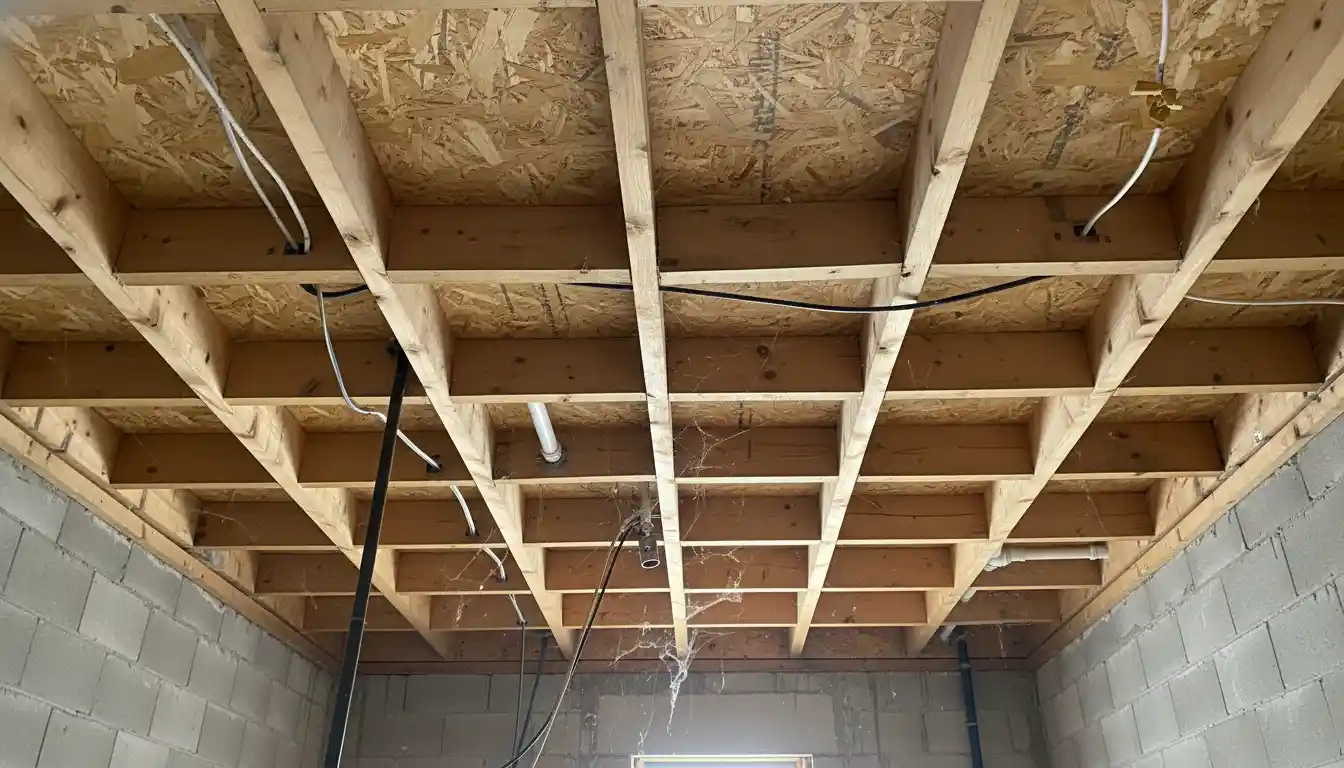
The void between your ceiling and the floor above is an ideal superhighway for rodents. It’s dark, sheltered, and provides direct, undetected access to travel throughout your entire home. Ignoring these sounds won’t make them go away; it only gives the infestation time to grow, leading to significant damage and health risks.
You'll Learn About
Identifying the Unseen Enemy: Telltale Signs of Rats in Floor Voids
Before you can tackle the problem, you must be certain of what you’re dealing with. Rats are nocturnal, so you’re more likely to notice the evidence they leave behind than the creatures themselves. These signs are definitive clues that rats have turned the space between your floors into their personal nesting ground and raceway.
Noises in the Night
The most immediate and alarming sign is the sound. Homeowners typically report hearing a range of noises, especially after dusk when the house is quiet. These include scratching, gnawing, and scurrying sounds coming from the ceiling above or from beneath the floorboards.
You might also hear louder thuds or bumps, which can indicate rats fighting or moving larger debris for nests. That unsettling scratching sound in wall apartment dwellers sometimes hear is the same phenomenon, just in a different location.
A Persistent, Unpleasant Odor
A growing rat infestation produces a distinct and unpleasant smell. This is often a strong, musky, ammonia-like odor resulting from rat urine. In the enclosed, unventilated space between floors, this smell can concentrate and become quite potent over time.
If a rat dies in this inaccessible void, the smell of decay is overwhelming and can last for weeks. This odor is a serious indicator that the problem has been going on for some time.
Visible Marks and Droppings
Although the rats are hidden, their telltale signs can appear in your living spaces. Rats have poor eyesight and navigate by rubbing their oily fur against surfaces, leaving behind dark, greasy smudge marks along walls and baseboards. You may also find their droppings, which are dark, pellet-shaped, and about half an inch long.
Finding these signs, even far from where you hear the noise, indicates the routes they are taking through your home to find food and water. They may be nesting between floors but foraging in your kitchen or pantry.
Why “Between Floors” is a Rat’s Paradise
Understanding why rats are drawn to the spaces between floors is key to eliminating them and preventing their return. These voids aren’t just accidental pathways; they offer the perfect environment for a rodent infestation to thrive, providing everything a rat needs to feel safe and establish a colony.
The subfloor and ceiling cavities offer an undisturbed shelter, safe from predators and humans. These areas are dark, often insulated (which provides nesting material), and crisscrossed with pipes and wires that rats use as established travel routes. Older homes with suspended floors are particularly vulnerable to this issue.
Rats can enter these voids through surprisingly small openings in your home’s exterior. Common entry points include broken air bricks, gaps around utility pipes, cracks in the foundation, and openings in the roofline. Once inside, they have free rein to move between floors and throughout wall cavities.
The Hidden Dangers: More Than Just a Nuisance
The presence of rats between your floors is far more than just a noisy annoyance. These rodents pose significant risks to both your property and your family’s health. The damage they cause is often hidden from view, compounding over time into costly and dangerous problems.
Severe Structural and Property Damage
Rats have incisors that grow continuously, compelling them to gnaw constantly to keep them filed down. In the space between your floors, their chewing targets are critical components of your home’s infrastructure. They can cause:
- Electrical Fires: Rats frequently chew on electrical wiring, stripping the insulation and creating a severe fire hazard.
- Water Damage: Plastic and even metal pipes are not safe. A gnawed-through water pipe can lead to slow leaks or catastrophic flooding, causing immense damage to ceilings, floors, and walls.
- Weakened Structures: Over time, their constant gnawing on wooden floor joists and support beams can compromise the structural integrity of your home.
- Destroyed Insulation: Rats will shred insulation to create nests, reducing your home’s energy efficiency and leading to higher utility bills.
Serious Health Risks
Rats are carriers of numerous diseases that can be transmitted to humans. This transmission doesn’t require direct contact. Their urine, droppings, and nesting materials can contaminate the air you breathe as particles circulate through your home’s ventilation system.
Diseases such as Hantavirus, Leptospirosis, and Salmonellosis can be spread this way. Furthermore, rats often carry fleas, ticks, and mites, introducing a secondary pest problem into your home.
Your Action Plan: How to Get Rid of Rats Between Floors
Removing rats from an inaccessible area like a floor void requires a strategic and persistent approach. Simply placing a few traps in your living area is unlikely to solve the root problem. You must address the infestation at its source.
Step 1: Thorough Inspection and Entry Point Identification
The absolute first step is to conduct a meticulous inspection of your home’s exterior. You must find out how they are getting in. Look for any crack or hole larger than half an inch. Pay close attention to:
- The foundation, especially around utility pipes for water, gas, and electricity.
- Vents for your dryer and crawlspace. Check for damaged or missing covers.
- The roofline, eaves, and where different roof sections meet.
- Gaps under garage doors.
It is critical that you do not seal these holes yet. Sealing entry points before the rats inside have been dealt with will trap them, forcing them to die in your floors or walls, which creates a horrific odor. A trapped rat may also desperately chew its way into your living space.
Step 2: Trapping is a Non-Negotiable
When dealing with rats in an enclosed void, using poison is a very risky strategy. If a poisoned rat retreats into the space between floors and dies, the resulting smell can make your home unbearable for weeks, and locating the carcass may require cutting holes in your ceiling or floor. Trapping is the superior method because it confirms the kill and allows for removal of the body.
The most effective traps are classic wooden snap traps. They are powerful, quick, and reliable. Bait them with high-reward foods like peanut butter, bacon grease, or chocolate. Place the traps in areas where you have seen evidence of activity, like the attic or basement, along their travel routes.
If you can create an access point to the void between floors, such as through a removable light fixture or by cutting a small, repairable hole, placing traps directly in the affected area is the most effective strategy.
Step 3: Elimination and Cleanup
Check your traps daily. Wear gloves and a mask when handling a trapped rat and the trap itself. Double-bag the carcass and dispose of it in your outdoor trash.
This process may take several days or even weeks. Continue to trap until you have gone at least one full week with no new captures and no new sounds of activity. This signals that you have likely dealt with the entire population that was inside.
DIY vs. Professional Pest Control: Making the Right Call
Deciding whether to tackle a rat problem yourself or to call in professionals can be a difficult choice. Each approach has its own set of considerations, from cost and effectiveness to safety and long-term success. Understanding these differences is crucial for making the best decision for your situation.
A DIY approach can be effective for a minor, newly discovered issue. However, if the signs point to an established colony, a professional exterminator brings expertise and tools that are often necessary for complete removal from difficult areas like floor voids.
| Factor | DIY Approach | Professional Service |
|---|---|---|
| Cost | Lower initial cost (traps, baits, sealing materials). | Higher upfront cost, but can prevent more expensive damage later. |
| Effectiveness | Can be successful for small infestations. May fail to address the root cause or full extent of the problem. | High success rate. Professionals are trained to locate hidden nests and all entry points. |
| Safety | Risk of improper handling of traps and carcasses. Potential exposure to diseases. | Trained and equipped to handle rodents and contaminated materials safely. |
| Time & Effort | Requires significant personal time for inspection, trap setting, and monitoring. | Saves you time and the stress of dealing with the problem directly. |
| Long-Term Solution | Success depends on correctly identifying and sealing all entry points. Can be a recurring issue if not done thoroughly. | Often includes guarantees and preventative measures to ensure rats do not return. |
When to Call a Professional Immediately
Some situations warrant an immediate call to a pest control expert. If you notice signs of a large, established infestation (strong odors, frequent noises from multiple areas), or if your DIY efforts have not resolved the issue after a couple of weeks, it’s time for professional intervention. They have specialized equipment, such as inspection cameras, to see inside walls and floors without causing major damage.
Professionals can also offer comprehensive solutions that include not just removal, but also decontamination and professional-grade exclusion work to permanently seal your home from future invasions. It’s a worthwhile investment for your peace of mind and the protection of your property.
Prevention: The Ultimate Solution to Keep Your Home Rat-Free
Once you’ve successfully eliminated the rats, the final and most crucial phase is prevention. Your goal is to make your home an impenetrable fortress so you never have to deal with rats between floors again.
Seal Every Possible Entry Point
Now is the time to permanently seal every hole you identified earlier. Use materials that rats cannot chew through. Steel wool or copper mesh stuffed into gaps and then sealed with caulk is an excellent combination. For larger holes, use metal flashing or cement.
Maintain Your Yard and Exterior
Your yard can either attract rodents or deter them. Trim tree branches away from your roofline to cut off aerial access routes. Keep firewood stacked at least 20 feet from the house and store it off the ground. Ensure trash and compost bins have tight-fitting lids.
Good landscaping is also a deterrent. Thinking about upgrading your outdoor space? High-quality materials can make a difference; some homeowners find that durable surfaces, like those in these viatera quartz reviews, are easier to keep clean and less hospitable to pests when used in outdoor kitchens. While you’re at it, ensuring your outdoor equipment, like an older snow blower, is stored cleanly and away from the foundation can remove potential hiding spots.
Eliminate Interior Food Sources
Be vigilant about sanitation inside your home. Store all food, including pet food, in airtight containers made of glass or hard plastic. Clean up crumbs and spills immediately, and don’t leave dirty dishes in the sink overnight.
By taking these comprehensive steps, you can resolve your current rat problem and ensure that the unsettling sound of scurrying between your floors becomes a distant memory. Protecting your home and garden from these invasive pests is an ongoing process, but one that is essential for a safe and peaceful living environment.
Conclusion
Addressing a rodent infestation between floors requires a strategic approach that goes beyond simple traps. It’s about identifying entry points, sealing structural gaps, and ensuring your home remains a sanctuary rather than a habitat for pests. Ignoring these sounds can lead to chewed wires, damaged insulation, and significant health risks for your family.
By acting quickly—whether through professional exclusion services or diligent DIY sealing—you can reclaim the peace and quiet of your home. Ultimately, hearing rats isn’t just a nuisance; it’s a call to action to protect your property’s integrity. With the right persistence and a thorough inspection, those midnight scuttles will once again become a distant memory of the past.
