
Rarest Plumeria Color Uncovered: The Truth About Blue & Black Blooms
For gardeners and plant enthusiasts, the quest for the unique is a powerful motivator. You nurture your garden, hoping to cultivate something truly special, a bloom that stops visitors in their tracks. This desire often leads to the search for the rarest plumeria color, a journey filled with spectacular beauty and, unfortunately, a fair bit of misinformation.
The core problem is the flood of digitally altered images online. Sellers on marketplaces often post pictures of impossibly vibrant blue or jet-black plumeria flowers, promising a horticultural miracle. The reality is that gardeners invest time, hope, and money into cuttings and seeds that can never live up to these doctored photos, leading to disappointment and frustration.
This article cuts through the myths to reveal the truth about plumeria coloration. We will explore which colors are genuinely rare, why those viral “blue” plumerias are not real, and what you can actually do to grow flowers with the most intense and stunning hues possible. Understanding the science and genetics behind plumeria color is the first step to cultivating a truly rare and beautiful specimen.
You'll Learn About
The Great Deception: Do Blue and Black Plumerias Really Exist?
The simple, scientific answer is no. True blue and pure black plumerias do not exist in nature. The disappointment many growers feel stems from a fundamental misunderstanding of plant genetics and pigment production, often fueled by deceptive online marketing.
Let’s break down why you won’t find these colors in the plumeria world and what the closest, real-life alternatives are.
The Myth of the Blue Plumeria
The fantasy of a sky-blue plumeria is persistent, but it’s a botanical impossibility. The vibrant blue color in flowers like hydrangeas and delphiniums comes from a specific pigment called delphinidin. The entire Plumeria genus lacks the genetic pathway to produce this pigment. No amount of soil amendment or special fertilizer can create a color that the plant is not genetically capable of making.
Images of stunning blue plumerias are almost always the result of photo editing or, in some cases, florists dyeing white flowers. The closest you can get to blue is found in certain deep purple and lavender cultivars. In the specific lighting of dawn or dusk, or in heavy shade, their unique purple tones can reflect light in a way that gives them a cool, bluish cast. These are beautiful and rare in their own right, but they are not truly blue.
The Pursuit of a Black Plumeria
Much like the blue plumeria, a genuinely jet-black flower remains a fantasy. The “black” plumerias you see for sale are, in reality, varieties with an incredibly high concentration of anthocyanins, the pigments responsible for red and purple colors. These flowers are a very deep, saturated maroon, burgundy, or dark purple.
Under the intense heat and blazing sun, these pigments can develop to such a degree that the flowers appear almost black, absorbing most visible light. Cultivars like ‘Black Tiger’ or ‘Jed’s Black’ are renowned for this trait. However, placing them in different lighting will always reveal their underlying red or purple base. They are stunning and dramatic, representing the darkest hues a plumeria can achieve.
Unveiling the True Champions of Rarity in Plumeria Colors
Now that we’ve debunked the most common myths, we can focus on what makes a plumeria’s color genuinely rare. True rarity is not found in a single, impossible solid color, but rather in the complexity, intensity, and unique combinations of naturally occurring pigments. These are the specimens that are truly prized by collectors.
The most sought-after plumerias often showcase colors and patterns that are difficult to stabilize through breeding. This includes deep, rich purples, fiery oranges, and intricate multi-tonal blooms that look like a sunset on a petal.
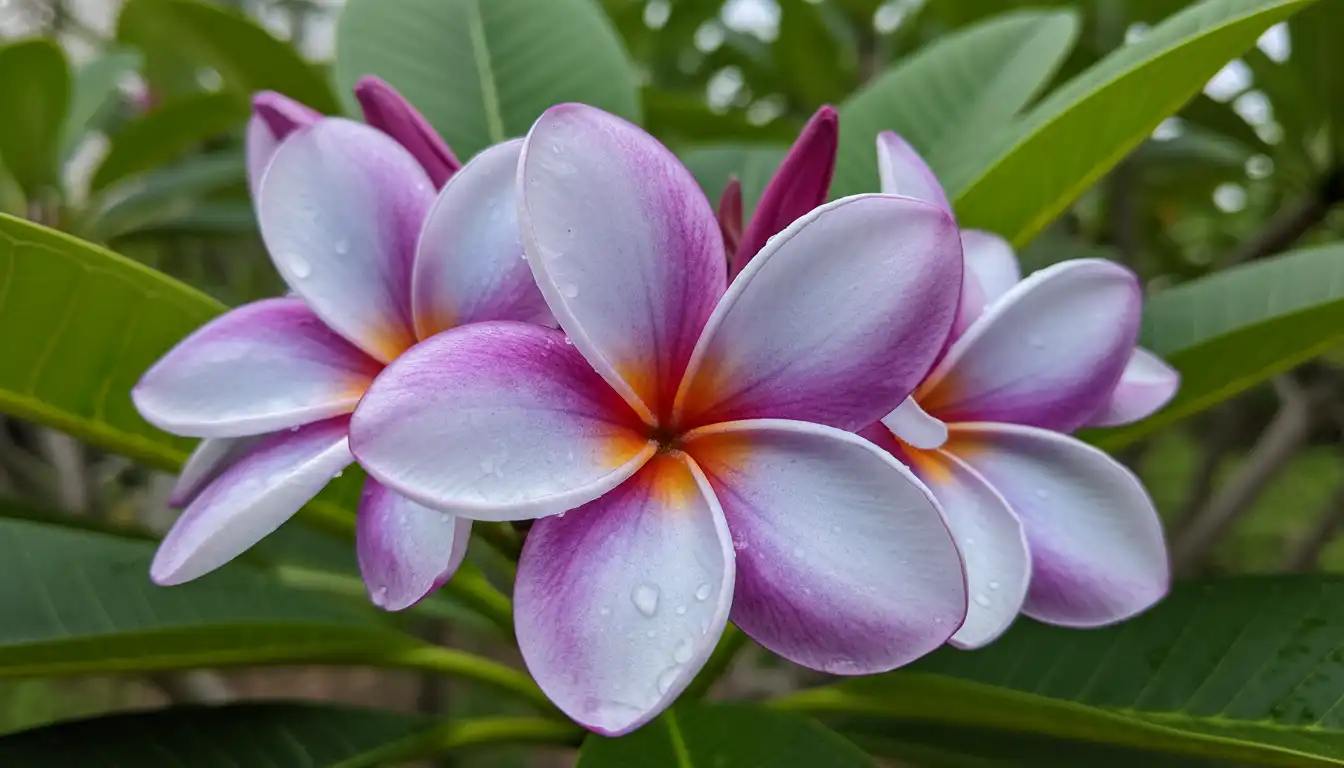
Deep Purples and Violets
While a bluish-purple is the closest you’ll get to blue, a true, deep, and stable violet is one of the holy grails of plumeria breeding. Many “purple” plumerias can fade to a magenta or pinkish hue in intense heat. A cultivar that can hold its deep purple color is exceptionally rare and highly valued for its unique beauty.
These varieties often possess a velvety texture to their petals, which enhances the depth of their color. They are a testament to the patient work of hybridizers who spend years trying to perfect and stabilize this elusive hue.
Vibrant Reds and Fiery Oranges
While pink and yellow plumerias are quite common, a truly intense, fiery red or a blazing, saturated orange is much harder to find. Many reddish varieties are technically dark pinks. A genuine red, like that of a classic rose, is an uncommon and striking sight in a plumeria.
Similarly, deep oranges that don’t fade to yellow or apricot are in high demand. These “sunset” colors often appear in multi-tone flowers, blending with pinks and golds, creating a spectacular display. The challenge for breeders is isolating that intense orange into a stable, solid-colored bloom.
“Rainbow” and Patterned Blooms
Some of the most visually stunning plumerias are those with multiple distinct colors on a single flower. Known as “rainbow” or striped varieties, they can feature pinwheels of color, contrasting edges, or speckles and stripes across the petals. The rarity comes from the clarity and uniqueness of the pattern.
These complex patterns are often genetically unstable, meaning they can vary from one bloom to another, even on the same plant. A cultivar that consistently produces a beautiful and distinct pattern is a true collector’s item.
The Science of Color: What Truly Influences a Plumeria’s Hue?
A plumeria’s color is not a matter of chance; it’s a complex interplay between genetics and the environment. While you can’t change a yellow plumeria into a purple one, you can provide the ideal conditions to help a plant achieve its most vibrant and intense color potential. This is where a gardener’s skill can make a significant difference.
Understanding these factors is the key to solving the problem of lackluster or faded blooms and maximizing your plant’s beauty.
Genetics as the Foundation
First and foremost, the potential range of colors a plumeria can produce is encoded in its DNA. The presence and concentration of two main types of pigments, anthocyanins (which create pinks, reds, and purples) and carotenoids (which create yellows and oranges), determine the flower’s base color. Hybridizers carefully cross-pollinate plants to try and create new genetic combinations that result in novel colors and patterns.
This genetic blueprint is fixed. You can buy a cutting from a ‘Black Tiger’ plumeria with confidence that it has the genetic potential to produce very dark red flowers. Your job as a gardener is to provide the right environmental cues to unlock that full potential.
Environmental Triggers for Intense Color
This is where your care and cultivation practices become critical. The environment sends signals to the plant that can dramatically influence the expression of its genetic color. For those growing aquatic plants, the health of the entire system is paramount, which leads many to wonder, is algae good for lotus plant, as part of a holistic approach to gardening.
Key environmental factors include:
- Heat and Sunlight: This is arguably the most important factor for color intensity, especially for reds, oranges, and purples. Intense sunlight and high temperatures encourage the plant to produce a higher concentration of protective anthocyanin pigments. A dark red plumeria grown in a hot, sunny climate will be far darker than the exact same plant grown in a cooler, more overcast region.
- Temperature Fluctuations: The difference between day and night temperatures can also trigger unique color expressions. Cool nights can cause the colors in some “rainbow” varieties to become more distinct and separated, while also bringing out subtle cool tones on the edges of white or yellow petals.
- Plant Nutrition and Health: While you cannot change a flower’s color with fertilizer, a healthy, well-fed plant will always produce superior blooms. Fertilizers low in nitrogen and high in phosphorus and potassium (often called “bloom boosters”) support robust flowering and provide the essential nutrients for pigment production. A stressed or malnourished plant will produce smaller, paler flowers.
A Grower’s Guide to Maximizing Color Intensity
To get the most vibrant colors from your plumeria, focus on providing it with the ideal growing conditions. Start by selecting a location that receives at least six to eight hours of direct sunlight per day. Good air circulation is also important to prevent fungal issues. This strategic placement, much like choosing the right windows for your home, can make all the difference. Many homeowners consult Aspect Windows reviews to ensure they are making the best choice for light and insulation.
Water your plumeria deeply, but allow the soil to dry out significantly between waterings. Plumerias are drought-tolerant and are more susceptible to root rot from overwatering than from underwatering. During the active growing season (spring and summer), apply a high-phosphorus fertilizer every two to four weeks to support vibrant, healthy blooms.
Sourcing and Identifying Rare Plumeria Cultivars
Finding and acquiring a genuinely rare plumeria requires a discerning eye and a cautious approach. The market is filled with sellers making exaggerated claims, so it is crucial to purchase from reputable sources to ensure you are getting the plant you paid for.
Your best protection against scams is knowledge. Understand that cultivar names can sometimes be more about marketing than reality; a variety named ‘Blue Moon’ will not be blue. Look for real, unedited photos from other growers and trust vendors who are transparent about how colors can vary with growing conditions.
| Color Category | Notable Cultivars | Color Description & Rarity Notes |
|---|---|---|
| Deep Purples / Violets | ‘Purple Jack’, ‘Samoan Fluff’ | A true, stable deep purple is highly sought after and can appear bluish in low light. Rarity: High. |
| “Black” (Dark Reds/Purples) | ‘Black Tiger’, ‘Jed’s Black’ | The darkest plumerias available. They require intense heat and sun to achieve their deepest color. Rarity: High. |
| Intense Reds | ‘Inferno’, ‘Duang Sawan’ | Not just dark pink, but a true, vibrant, fiery red. Less common than standard colors. Rarity: Medium-High. |
| Multi-Color / Rainbow | ‘California Sunset’, ‘Gina’ | Features beautiful blends of orange, pink, yellow, and red. Rarity depends on the uniqueness and stability of the pattern. Rarity: Medium. |
| Cool-Toned Effects | ‘Celadine’ (with cool temps) | Some varieties can develop subtle bluish or greyish undertones on petal edges in cooler weather. This is a temporary effect, not a true color. Rarity of effect: High. |
Beyond Color: Other Traits That Define a Rare Plumeria
While color is a primary focus for many, true collectors know that rarity extends beyond just the hue of the petals. Several other characteristics can make a plumeria variety unique and highly desirable. Broadening your definition of “rare” opens up a new world of appreciation for this diverse and beautiful plant.
Focusing on these other traits can often lead to a more rewarding and interesting collection. It’s about appreciating the entire plant, from its growth habit to the scent of its blooms. This holistic view is common among dedicated hobbyists, who might discuss their passion on a specialized platform like a bathroom remodel forum, but for plants instead.
Unique Fragrance Profiles
The classic plumeria scent is a sweet, floral perfume that is instantly recognizable. However, some of the rarest varieties boast entirely different fragrance profiles. Hybridizers have developed plumerias that smell distinctly of coconut, peach, citrus, or even spicy notes like cinnamon.
A plumeria with a strong and unusual fragrance is a multi-sensory treasure. This trait is often just as important as color to serious collectors and adds another layer of enjoyment to the gardening experience.
Unusual Petal and Flower Shapes
The standard plumeria flower has five oval-shaped petals that overlap slightly. Rare varieties often break this mold. Look for cultivars with unique petal shapes, such as those that are pointed like a star, rolled into a tube (shell or seashell plumerias), or have heavily ruffled edges.
The size of the flower can also be a factor of rarity. Some varieties produce massive individual blooms, while others are prized for their enormous, densely packed flower clusters (inflorescence). These structural differences make the plant a standout even when viewed from a distance.
Desirable Growth Habits
Not all plumerias grow into large, lanky trees. One of the most sought-after traits in modern plumeria breeding is a compact or dwarf growth habit. These smaller plants are perfect for container gardening, allowing people with limited space, such as a balcony or patio, to enjoy them.
A naturally compact plumeria that branches heavily without needing to be pruned is considered very desirable. It creates a much fuller, bushier plant that produces more tips for flowering, making it both a practical and beautiful specimen for any garden.
Conclusion: Embracing the Real Rainbow of Plumeria
The journey to find the rarest plumeria color should be one of discovery and appreciation, not frustration. By letting go of the myth of a truly blue or black flower, you can open your eyes to the vast and spectacular spectrum of colors that plumerias can genuinely produce. True rarity is found in the deep, velvety purples, the fiery reds, and the intricate, multi-toned rainbow patterns that dedicated hybridizers have worked so hard to create.
Remember that the ultimate beauty of your plumeria’s blooms lies in a partnership between superior genetics and thoughtful cultivation. Your role is to provide the perfect stage—full sun, intense heat, and proper nutrition—for the plant to perform. By doing so, you will be rewarded with the most intense, vibrant, and breathtaking colors your chosen cultivar is capable of producing.
Seek out reputable growers, celebrate the unique traits of each variety, and find joy in nurturing a healthy, thriving plant. The true prize is not in chasing an impossible fantasy, but in cultivating the very real and stunning beauty that a rare plumeria offers.
