Raised Basement: Your Home’s Secret Weapon for Light & Space
Many homeowners dream of a basement that feels less like a dungeon and more like a natural extension of their home. The common struggle is with the dark, damp, and unwelcoming nature of a traditional, fully submerged basement. A raised basement foundation offers a powerful solution to this age-old problem.
This architectural style, where a portion of the basement walls extends above ground level, transforms the lower level. It turns a challenging building site, like a sloped lot, into a significant advantage. This guide explores the immense potential of raised basements, from their construction to creating a bright, livable space.
You'll Learn About
What Exactly Is a Raised Basement?
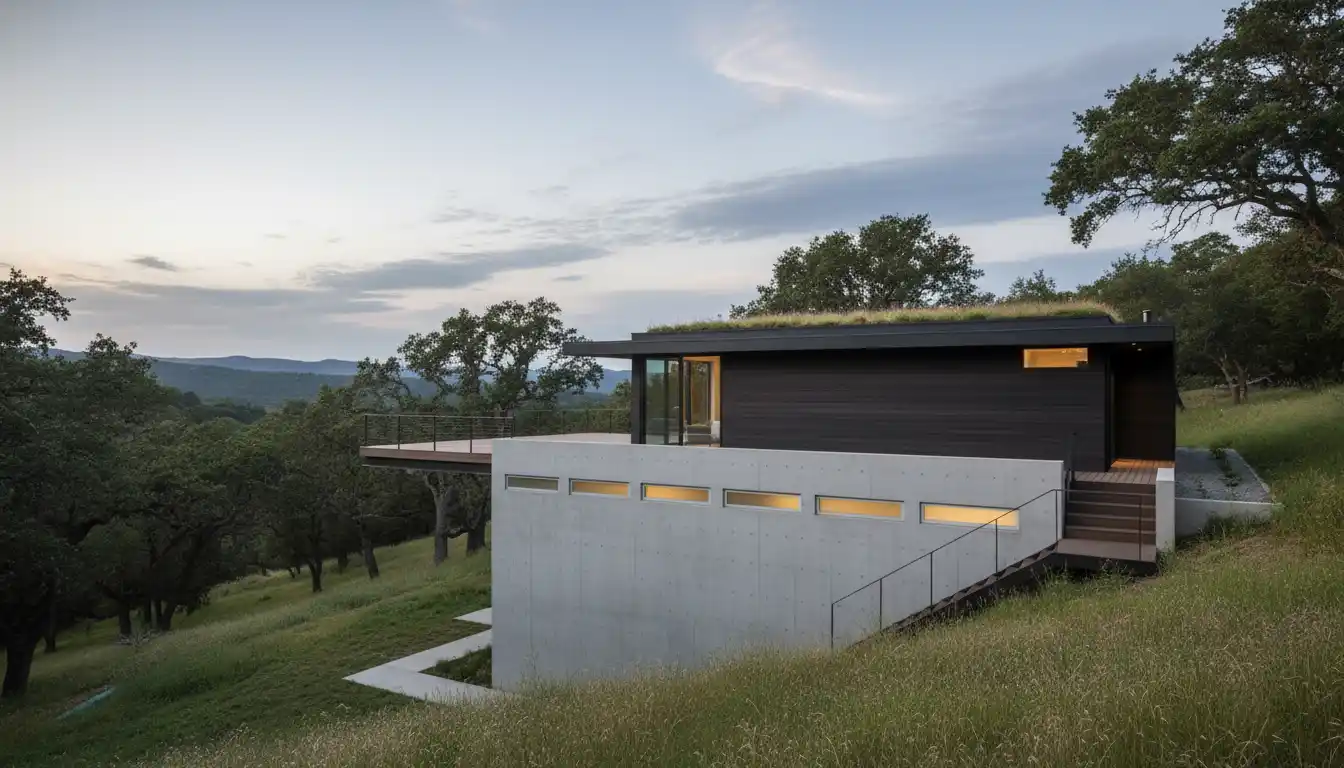
A raised basement, sometimes called a lookout or daylight basement, is a foundation type where the home is elevated, exposing the upper portion of the basement walls. This design intentionally brings the basement partially out of the ground. This elevation allows for the installation of larger, above-ground windows that are impossible in a conventional basement.
Unlike a standard basement that is almost entirely subterranean, a raised basement bridges the gap between the underground and the main floor. It’s an ideal solution for properties with a natural slope, enabling a walk-out on the lower side. However, it’s also effectively used on flat lots to improve drainage and enhance the home’s presence.
Raised Basements vs. Other Foundation Types
Understanding the distinctions is key. A full basement is almost entirely below grade, offering limited natural light through small window wells. A crawl space is a short, unfinished area not intended for living.
A walk-out basement is a specific type of raised basement on a sloped lot, featuring a full-sized door on the exposed side. A lookout basement is often used on flatter lots, where the elevation is just enough to accommodate windows high on the basement walls that are completely above grade.
The Unspoken Benefits of a Raised Foundation
Opting for a raised basement unlocks a range of advantages that profoundly impact a home’s comfort and functionality. These benefits go far beyond simply avoiding a dark lower level. They contribute to a healthier, more valuable, and more enjoyable living environment.
Abundant Natural Light
The most celebrated benefit is the flood of natural light. Larger, above-grade windows transform the basement from a gloomy storage area into a bright, inviting living space. This feature makes it perfect for bedrooms, family rooms, or a home office where daylight is essential.
Superior Drainage and Moisture Control
By elevating the home, a raised basement significantly reduces the risk of flooding and water intrusion. The foundation is less susceptible to hydrostatic pressure from groundwater, a common cause of leaks in traditional basements. This elevation naturally promotes better drainage away from the structure.
This design inherently leads to better indoor air quality. With reduced dampness and humidity, the potential for mold and mildew growth is substantially lower. This creates a healthier environment throughout the entire home, not just the lower level.
Perfect for Sloped Lots
A raised basement turns a challenging sloped building site into a prime asset. It allows the home to be built into the hill, creating a seamless transition between the indoor and outdoor spaces on the lower level. This can create stunning multi-level garden designs and patio areas.
The Hidden Drawbacks You Must Consider
While the advantages are compelling, a raised basement also presents unique challenges. Prospective builders and homeowners must weigh these factors carefully. Proper planning can mitigate many of these issues.
Accessibility and Entry
The main floor of a home with a raised basement is, by definition, elevated. This requires a taller flight of stairs to reach the front door from the ground level. This can be a consideration for individuals with mobility challenges and adds a daily inconvenience for carrying in groceries or moving furniture.
Construction Costs and Complexity
The initial construction cost for a raised foundation can be higher than a simple slab-on-grade foundation. It requires more complex formwork, additional concrete, and careful grading. However, the cost is often comparable to that of a traditional deep basement.
Landscaping and Exterior Finishes
The exposed portion of the foundation wall requires an attractive finish. Simply leaving the bare concrete can be visually unappealing. Options like stone veneer, brick, stucco, or specialized paint are necessary to integrate the foundation with the rest of the home’s exterior, adding to the overall cost.
Construction and Design: Getting the Details Right
The success of a raised basement hinges on meticulous planning and execution during the construction phase. Key decisions about materials, waterproofing, and insulation will determine the longevity and comfort of the space for decades to come. Overlooking these details can lead to costly repairs and a compromised living environment.
Foundation Materials: Poured Concrete vs. Concrete Block
The two primary materials for foundation walls are poured concrete and concrete masonry units (CMUs), or blocks. Poured concrete walls are solid, strong, and have fewer joints, offering superior resistance to water penetration. Concrete blocks are often more affordable and quicker to install but have mortar joints that can become potential entry points for moisture over time if not sealed correctly.
Waterproofing is Absolutely Non-Negotiable
Even with an elevated design, robust waterproofing is critical. An exterior waterproofing membrane, a thick, rubberized coating applied to the outside of the foundation walls, provides the primary barrier against soil moisture. This should be complemented with a comprehensive drainage system, including footing drains (weeping tile) to collect water at the base of the foundation and channel it away.
Proper landscape grading is the first line of defense. The ground around the house must be sloped away from the foundation to ensure that surface water from rain and snowmelt flows away from the home, not towards it.
Insulation Strategies for a Comfortable Space
The exposed walls of a raised basement are vulnerable to heat loss. Continuous exterior insulation, typically using rigid foam boards, is the most effective method. This creates a thermal break, preventing the cold from conducting through the concrete into the basement.
Interior insulation is also an option, but it’s crucial to manage moisture to prevent condensation from forming between the insulation and the cool concrete wall. A frequently overlooked area is the rim joist—the wooden structure that sits atop the foundation walls. This spot is a major source of air leaks and heat loss and must be thoroughly sealed and insulated, often with spray foam.
Foundation Type Comparison at a Glance
Choosing a foundation is a critical decision with long-term implications. The right choice depends on your property, budget, and lifestyle goals. This table compares the key features of the most common foundation types.
| Feature | Raised Basement | Full (Deep) Basement | Concrete Slab-on-Grade |
|---|---|---|---|
| Natural Light | Excellent (large, above-grade windows) | Poor (small window wells) | Not Applicable |
| Flood Risk | Low | High | Low (but can be affected) |
| Initial Cost | Moderate to High | High | Low |
| Suitability for Sloped Lots | Excellent | Good (requires more excavation) | Poor (requires extensive grading) |
| Accessibility to Utilities | Excellent | Excellent | Poor (embedded in concrete) |
| Main Floor Access | Requires significant stairs | Requires some stairs | Minimal to no stairs |
Finishing Your Raised Basement: Creating a Dream Space
The bright, airy nature of a raised basement makes it a perfect canvas for creating additional living areas. Unlike a traditional basement remodel, you are starting with the most valuable asset: light. The finishing process should focus on materials that enhance this advantage while providing durability and moisture resistance.
Flooring That Works Below Grade
Even though it’s partially above ground, the floor is still a concrete slab below grade, making moisture-resistant flooring essential. Luxury vinyl plank (LVP) is an outstanding choice, offering a waterproof and durable surface that realistically mimics wood or stone. Porcelain tile is another excellent, completely waterproof option. You could consider high-quality options; some homeowners explore choices like those detailed in Ashford porcelain tile reviews for their proven durability.
Walls, Ceilings, and Utilities
Use moisture- and mold-resistant drywall for all walls. For the ceiling, a finished drywall ceiling provides a seamless look, while a drop ceiling offers easier access to plumbing and wiring above. The efficiency of your lower level is greatly affected by the quality of your home’s core systems.
Ensuring your heating and cooling system is up to the task is critical for comfort. The efficiency of your heating unit can be impacted by the unique layout of a raised basement, making it vital to select appropriate equipment, like the systems examined in these Navien condensing gas boiler reviews.
Common Problems and Expert Solutions
Even with careful planning, raised basements can have specific issues. Knowing what to look for and how to address these problems is key to maintaining a healthy and secure home. Early intervention can prevent minor issues from becoming major headaches.
Problem: Drafts and Cold Floors
Cold air infiltrating the basement is a common complaint, often stemming from inadequate insulation at the rim joist or around windows. The solution is comprehensive air sealing and insulation. If you are considering an all-in-one finishing system, it is wise to research all components thoroughly, much like the detailed analysis found in these Owens Corning basement reviews that investigate a complete solution.
Problem: Water Stains Below Windows
Water intrusion appearing on the interior wall beneath a window is often a sign of improper flashing on the exterior. It can also be caused by clogged gutters overflowing and saturating the wall. Ensure windows are properly flashed and sealed and that your gutter and downspout system effectively directs water far from the foundation.
Problem: Pests in the Rim Joist Area
The rim joist area can be an attractive entry point for insects and rodents if not properly sealed from the outside. Use a combination of caulk and rigid foam insulation to seal all gaps and cracks. Covering the exterior of this area with a protective material can also deter pests.
Is a Raised Basement Right for Your Home?
A raised basement is a powerful architectural choice that can solve many of the problems associated with traditional basements. It offers a unique combination of natural light, enhanced safety against moisture, and versatile living space. It transforms the often-neglected lower level into one of the most pleasant areas of the home.
The key to success lies in meticulous planning and a commitment to quality construction, particularly in waterproofing and insulation. By addressing its unique challenges, you can unlock the immense potential of a raised basement, adding significant value and enjoyment to your home for years to come.