
Rain Shower Head vs Regular: Your #1 Guide to the Ultimate Shower
The daily shower is more than a routine; it’s a ritual. It can be a jolt of energy to start your day or a tranquil escape to wash away stress. The centerpiece of this experience is the shower head, and the choice between a rain shower head and a regular one can completely redefine your bathroom.
Many homeowners find themselves stuck at this crossroads. Do you opt for the drenching, spa-like cascade of a rain shower or the versatile, high-pressure spray of a standard model? This decision impacts everything from rinsing efficiency to your home’s water consumption.
You'll Learn About
What’s the Real Difference? Deconstructing the Shower Experience
Understanding the fundamental design and function of each type is the first step. They deliver water in vastly different ways, each tailored to a specific preference and purpose. One prioritizes coverage and calm, the other pressure and power.
The Gentle Giant: Understanding the Rain Shower Head
A rain shower head is defined by its large diameter, often ranging from 8 to 12 inches or more. Typically mounted on the ceiling or a high extension arm, it directs water straight down, simulating the sensation of standing in a warm summer downpour.
The primary appeal is the luxurious and immersive experience. The wide coverage envelops your entire body in water, creating a uniquely relaxing and therapeutic effect. Aesthetically, their sleek and modern design can elevate any bathroom into a personal spa.
However, this gentle flow can be a drawback for some. The pressure is often lower due to the wide distribution of water, which can make rinsing thick hair a lengthier process. They also tend to use more water per minute, a factor to consider for both conservation and utility bills.
The Powerhouse: The Versatility of the Regular Shower Head
The regular, or standard, shower head is what most people are familiar with. It features a smaller surface area with more concentrated nozzles, which creates a more forceful and targeted spray. These are almost always wall-mounted and often adjustable.
Their main advantage is pressure and efficiency. The strong spray is excellent for quickly and thoroughly rinsing away soap and shampoo. Many models come with multiple settings, such as massage, jet, and mist, offering a customizable shower every time.
While highly practical, the experience is less immersive than a rain shower. The focused spray means you have to move around to rinse your whole body, and some may find the high pressure to be more functional than relaxing.
The Ultimate Showdown: A Head-to-Head Comparison
Choosing the right fixture requires a clear look at how they stack up against each other. This table breaks down the key differences to help you decide which features matter most for your daily routine.
| Feature | Rain Shower Head | Regular Shower Head |
|---|---|---|
| Water Pressure | Generally lower, gravity-fed feel | Typically higher and more forceful |
| Coverage Area | Very wide, full-body immersion | Concentrated and targeted |
| Rinsing Efficiency | Can be slower, especially for thick hair | Excellent and fast for all hair types |
| User Experience | Relaxing, calming, spa-like | Invigorating, functional, customizable |
| Installation | May require ceiling plumbing or extension arms | Standard wall-mounted connection |
| Water Consumption | Often higher GPM (gallons per minute) | Water-efficient models are widely available |
| Aesthetic Appeal | Modern, luxurious, statement piece | Traditional, compact, versatile |
Beyond the Basics: Factors No One Talks About
The decision isn’t just about pressure and coverage. Deeper factors, from the psychological impact of the water flow to the hidden demands on your home’s infrastructure, play a critical role in long-term satisfaction.
The Psychology of Your Shower: Energizing vs. Relaxing
Think about the purpose of your shower. Is it to wake you up or to wind you down? The type of water flow has a tangible effect on your mood and energy levels.
A high-pressure stream from a regular head can feel invigorating, as the forceful jets stimulate the skin and muscles. In contrast, the gentle, consistent patter of a rain shower head is inherently calming, reducing stress and promoting a sense of tranquility. Choosing a head that aligns with your daily needs can transform the shower from a simple task into a form of hydrotherapy.
Plumbing and Water Heater Realities
A rain shower head’s performance is highly dependent on your home’s plumbing. To get that desired drenching effect, you need adequate water pressure (PSI) and a sufficient flow rate (GPM). An oversized rain head in a home with low water pressure will result in a disappointing, weak dribble.
Furthermore, the higher water volume used by some rain heads means your water heater has to work harder. This can be a concern if you have a smaller tank or are worried about running out of hot water, especially if you’re wondering about the limits of running.
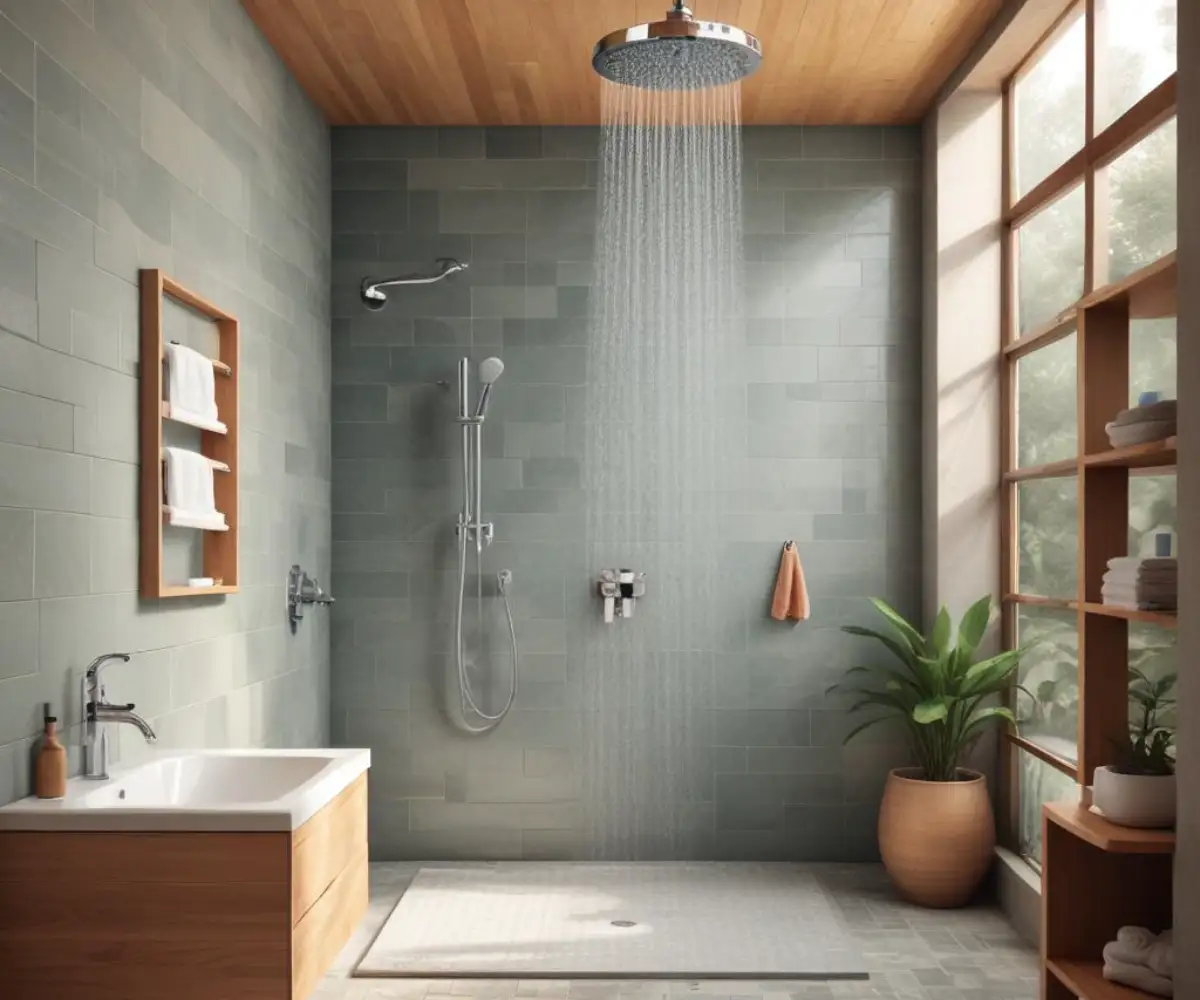
The Best of Both Worlds: Can You Have a Rain and Regular Shower Head?
Why choose when you can have everything? The ultimate solution for the undecided homeowner is a dual shower setup. This combination provides the ultimate flexibility, allowing you to enjoy a relaxing soak or a powerful rinse in the same enclosure.
The Dual Shower Setup: Your Options
Installing two heads is more accessible than you might think. Several configurations can achieve this, ranging from simple additions to more involved plumbing work.
The most common method is using a shower diverter valve. This device is installed in the wall and allows you to switch the flow of water between the overhead rain shower and the wall-mounted regular head. Some diverters even allow you to run both simultaneously, though this requires robust home plumbing.
Another option is a shower panel or column. These are all-in-one units that typically include a rain head, a handheld sprayer (which functions like a regular head), and sometimes body jets. They mount to the wall and connect to your existing plumbing, making them a relatively straightforward renovation project.
Planning Your Dual Shower Installation
A dual setup requires careful planning. Placement is everything. The rain shower head should be positioned high enough and centered to provide that true overhead experience. The regular head should be at a standard height on the wall, angled for easy rinsing without having to stand directly under the rain head.
Before you begin, it is critical to assess your plumbing. A professional plumber can help determine if your pipes and water pressure can support two fixtures. This is especially important for more complex installations that may require a dedicated plumbing loop for multiple shower heads to maintain consistent pressure and temperature.
The materials you choose for your shower also play a role in the overall aesthetic. Whether you are considering sleek acrylic vs quartz shower walls or the classic look of tile, ensure your fixtures complement the design. Using modern tile sizes can create a stunning backdrop for your new shower system, and a pro guide can help you figure out if you can use 12×24 tile on a shower wall effectively.
Top Brands and Making Your Choice
When it comes to fixtures, quality matters for both longevity and performance. Leading brands have perfected the engineering behind both rain and regular shower heads, offering a vast array of styles and features.
Exploring the offerings from different manufacturers can help you find the perfect match. A detailed comparison of Moen vs Kohler shower heads, for instance, reveals subtle differences in spray technology and design philosophy that might sway your decision.
Ultimately, your final choice should be guided by your personal preferences, your home’s technical capabilities, and your budget. Ask yourself what you truly want from your daily shower, and let that answer guide you to the perfect single or dual configuration.
Troubleshooting Common Issues
Even the best shower systems can encounter problems. Knowing how to address common issues will ensure your investment continues to pay off with perfect showers day after day.
“My Rain Shower Has No Pressure!”
This is the most frequent complaint about rain shower heads. The cause is often simple: mineral buildup clogging the nozzles. Regularly cleaning the spray face with a soft brush and vinegar can restore flow.
Another culprit can be an improperly installed or overly restrictive flow restrictor. While these devices are meant to conserve water, they can sometimes stifle performance too much. If cleaning doesn’t work, investigating the flow restrictor may be the next step.
“My Diverter Valve is Leaking or Stuck!”
A faulty diverter can be a major annoyance, causing water to dribble from the unused head. This is usually caused by worn-out rubber seals or a degraded internal cartridge. These parts are typically replaceable, and fixing them is much cheaper than replacing the entire valve.
By investing in a dual-head system, you are not just upgrading your bathroom hardware. You are taking control of your daily routine, giving yourself the power to choose between a tranquil escape and an energizing blast, all within the same space.
Final word
The choice between a rain shower head and a standard model is less about simple mechanics and more about defining the core experience of your daily ritual. While the rain shower excels at providing a luxurious, enveloping, spa-like escape, demanding a slower pace and potentially greater water volume, the standard head prioritizes efficiency, versatility, and focused pressure. Ultimately, the best decision hinges on a personal assessment of priorities: whether you value the sensory indulgence and aesthetic statement of the rain style, or the practical utility and quick rinsing power of the conventional model
