
Radiant Oven: Your Secret to Perfect Cooking or a Burnt Mistake?
You stand in your kitchen, dreaming of a perfect upgrade. You envision meals cooked to perfection—golden-brown roasts, evenly baked cookies, and perfectly seared vegetables. Then you encounter the term “radiant oven,” and the confusion begins. Is this just another marketing buzzword, or is it the key to unlocking culinary excellence?
Many homeowners face this dilemma. The promise of advanced cooking technology is alluring, but the fear of burnt edges, undercooked centers, and soaring energy bills is real. This guide cuts through the noise to deliver the brutally honest truth about radiant ovens, helping you decide if this appliance is a masterstroke for your kitchen or a costly misstep.
You'll Learn About
What Exactly Is a Radiant Oven? The Science Simplified
At its core, a radiant oven cooks food using radiant heat, a process that involves the transfer of energy through infrared waves. Think of the warmth you feel from the sun or a campfire; that’s radiant heat in action. This is fundamentally different from other cooking methods.
Unlike convection ovens that use fans to circulate hot air, or conduction which heats through direct contact, radiant heat directly targets the surface of your food. Inside an oven, this is achieved by electric heating elements, typically at the top (broiler) and bottom (bake element), which glow red-hot and emit this infrared energy. Many modern kitchens also feature radiant heat in their smooth glass-ceramic cooktops, where heating coils beneath the surface perform the same function.
The Great Debate: Radiant vs. Convection Ovens
One of the most significant decisions when choosing a new oven is whether to go with a radiant or convection model. While many modern ovens offer both functions, understanding their core differences is crucial for knowing which mode to use for different dishes. The choice impacts everything from cooking time and evenness to energy efficiency.
Each technology shines in different scenarios. A radiant oven offers direct, intense heat perfect for browning, while a convection oven’s circulating air ensures that large or multi-rack dishes cook evenly and quickly. Knowing the strengths and weaknesses of each will transform your cooking results from haphazard to predictably perfect.
| Feature | Radiant Oven | Convection Oven |
|---|---|---|
| Heat Source | Stationary heating elements (top/bottom) that emit infrared waves. | Heating elements combined with a fan to circulate hot air. |
| Cooking Speed | Generally slower for larger items as heat penetrates from the outside in. | Cooks about 20-30% faster due to continuous air circulation. |
| Evenness | Can be prone to “hot spots,” requiring pan rotation for even results. | Superior evenness, ideal for multi-rack baking and large roasts. |
| Best For… | Browning, crisping, broiling, and dishes where a crust is desired (e.g., pizza, pies). | Roasting, multi-rack baking (cookies), dehydrating, and evenly cooking large cuts of meat. |
| Energy Efficiency | Can be less efficient as it takes longer to cook certain foods. | More energy-efficient due to shorter cooking times and lower temperature requirements. |
| Moisture | Tends to keep foods like casseroles moist. | Creates a drier environment, which is excellent for crisping skin and browning. |
Pros of Choosing a Radiant Oven (Why You Might Love It)
Despite the popularity of convection cooking, traditional radiant ovens hold their ground for several compelling reasons. Their simplicity and the nature of their heat source offer unique advantages that are perfect for specific cooking styles and kitchen designs.
From achieving the perfect sear on a steak to integrating seamlessly into a modern kitchen, the benefits of a radiant oven are significant. For many home cooks, these strengths make it an indispensable tool for everyday culinary tasks.
Direct, Intense Heat for Superior Browning
The primary advantage of radiant heat is its ability to deliver direct, intense energy to the surface of food. This is the secret to achieving a perfect Maillard reaction—the chemical process that creates the delicious brown crust on everything from bread to roasted chicken. The broiler is the ultimate radiant tool, ideal for finishing dishes with a crispy, golden top.
Sleek Design and Easy Cleaning
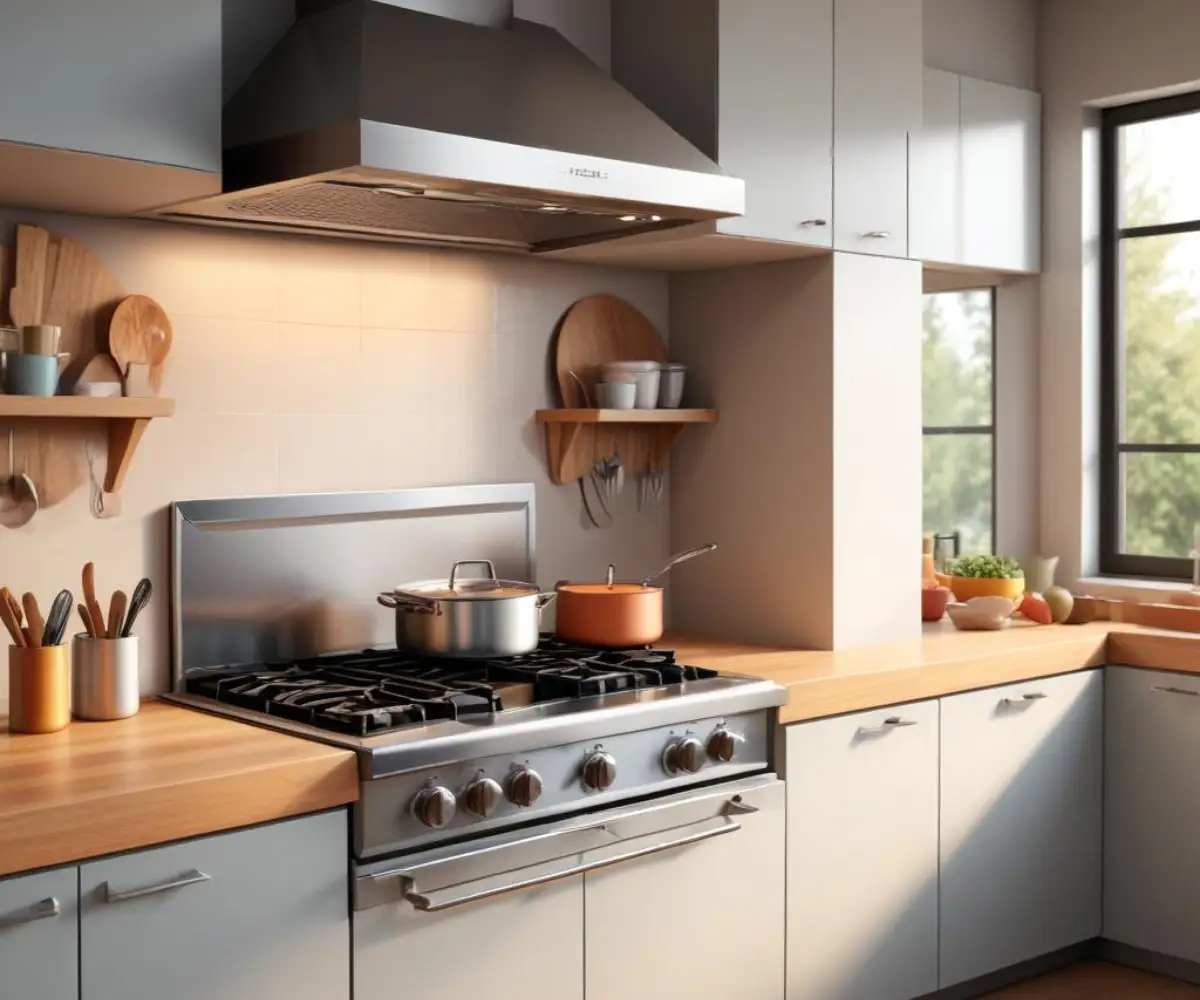
Radiant technology is the driving force behind the popular glass-ceramic cooktops. These surfaces offer a completely flat, seamless look that integrates beautifully into modern kitchen designs. With no grates or coils to scrub around, cleanup is as simple as wiping down a smooth surface once it has cooled.
Simplicity and Reliability
A standard radiant oven has a straightforward design with fewer moving parts than its convection counterpart. There is no fan motor or extra heating element to worry about, which can translate to greater reliability and fewer potential repairs over the appliance’s lifespan. This simplicity makes it a durable and dependable choice for any kitchen.
Cons and Common Problems (The Brutally Honest Truth)
While radiant ovens have their merits, they are not without flaws. Understanding the potential downsides is crucial to avoid frustration and ensure the appliance you choose fits your cooking habits. These are the problems that users most frequently report.
From inconsistent results to cleanup headaches, these issues can turn the dream of a perfect meal into a kitchen nightmare. Being aware of them allows you to develop strategies to mitigate their impact or decide if a different type of oven is better suited for your needs.
The Dreaded “Hot Spot” Problem
The most common complaint about radiant ovens is the tendency for uneven cooking. Because the heat emanates from stationary elements, areas of the oven closer to them can become significantly hotter, creating “hot spots.” This can result in cookies that are burnt on one side and pale on the other, or casseroles with scorched edges and a cool center.
Slower Cook Times for Large Items
Without a fan to circulate heat, a radiant oven relies on energy waves to penetrate food from the outside in. This process can be slow, especially for large, dense items like a Thanksgiving turkey or a thick roast. Convection ovens excel here, as the moving air cooks the food more evenly and from all sides simultaneously, reducing overall cooking time.
Cookware Limitations on Radiant Cooktops
For radiant glass cooktops, the type of cookware you use is critical. Pots and pans must have perfectly flat bottoms to make full contact with the glass surface for efficient heat transfer. Warped or ridged-bottom pans will heat unevenly and can lead to disappointing results. Furthermore, heavy cast iron, while usable, carries the risk of scratching or even cracking the glass if dropped.
How to Master Your Radiant Oven (Expert Tips & Tricks)
A radiant oven is a powerful tool, but it requires a bit of knowledge to unlock its full potential. By adopting a few simple techniques, you can overcome its common challenges and achieve consistently delicious results. These professional tips will help you cook with confidence.
Think of it not as a flawed appliance, but as a specialized instrument. Learning to control its direct heat, understanding the importance of placement, and choosing the right accessories are the keys to mastering your radiant oven.
1. Know Your Zones and Rotate Your Pans
The first step to conquering hot spots is to identify them. Pay attention to how your food cooks and note which areas of the oven tend to brown faster. To counteract this, make it a habit to rotate your baking sheets and casserole dishes 180 degrees halfway through the cooking time. This simple step ensures more even exposure to the heating elements.
2. Master Oven Rack Positions
The placement of your oven rack dramatically influences your cooking results. It’s not just a shelf; it’s a tool for controlling heat intensity.
- Top Rack: Closest to the broiler element, this position is for intense, direct heat. Use it for finishing dishes, melting cheese, or achieving a crispy, browned top.
- Middle Rack: This is the go-to position for most baking and roasting. It offers the most even heat distribution from the top and bottom elements, perfect for cakes, cookies, and casseroles.
- Bottom Rack: Placed nearest the lower heating element, this rack is ideal for creating a crisp bottom crust on pizzas and pies.
3. Choose the Right Cookware
For radiant glass cooktops, select cookware made from materials that conduct heat well, such as stainless steel with an aluminum or copper core. Always check that the bottoms are perfectly flat. For the oven itself, light-colored aluminum pans reflect heat and are great for preventing over-browning on cakes and cookies, while dark metal pans absorb heat and promote a darker, crispier crust.
4. The Secret to Effortless Cleaning
To keep your radiant appliance looking new, tackle spills immediately. For the glass cooktop, wait for it to cool completely and use a scraper designed for ceramic glass to lift burnt-on residue. For the oven interior, place a bowl of water inside and heat the oven to a low temperature for 20-30 minutes; the steam will help loosen baked-on grime, making it easier to wipe away with a damp cloth and a bit of baking soda.
Beyond the Basics: Hidden Features You’re Not Using
Many modern radiant ovens come equipped with specialized features that most users overlook. These functions are designed to offer greater precision, convenience, and energy savings, but they remain unused because they aren’t well understood. Learning to leverage these tools can elevate your cooking experience.
These are not mere gimmicks; they are genuinely useful enhancements. From accommodating oversized cookware to keeping dishes at the perfect serving temperature, these hidden features provide practical solutions to common kitchen challenges.
Dual and Triple-Ring Elements
Look closely at your glass cooktop. You might see elements with multiple rings. These are designed to match the heat source to the size of your pan. Using a small pot on a large, fully-activated element wastes energy. By selecting the appropriate ring size, you ensure efficient heating and reduce your electricity consumption.
The Hidden Bake Element
A growing number of electric ovens now feature a hidden bake element, where the lower coils are placed beneath the oven floor. This not only creates a smooth, easy-to-clean interior but also provides a more gentle, even heat from the bottom. This feature is particularly beneficial for delicate bakes like custards and cheesecakes that can be ruined by harsh, direct heat. It’s a key part of what makes modern kitchen design so functional; the right oven choice matters just as much as your selections for things like Duraform cabinets or countertops.
“Keep Warm” and Sabbath Modes
The “Keep Warm” setting uses very low radiant heat to hold your finished dishes at a food-safe temperature without continuing to cook them. It’s a lifesaver when coordinating multiple dishes for a large meal. Similarly, the Sabbath Mode is designed to keep the oven on at a set temperature for extended periods, overriding automatic shutoffs, a feature useful for certain religious observances and for slow-cooking.
Is a Radiant Oven the Right Choice for Your Kitchen?
Ultimately, the decision comes down to your personal cooking style, aesthetic preferences, and budget. A radiant oven is not inherently better or worse than a convection oven; it is simply different. Weighing the pros and cons in the context of your own needs is the only way to make the right choice.
A sleek new oven can be the centerpiece of a kitchen renovation. But just as you wouldn’t want an exposed side on your stove ruining the look, you don’t want an oven that doesn’t fit your cooking style. The same attention to detail applies to the efficiency of your whole home, which is why concepts like installing a radiant barrier in a shed to control heat are just as important as choosing the right kitchen appliances.
Who It’s For:
- Home cooks who prioritize a sleek, modern aesthetic with an easy-to-clean glass cooktop.
- Bakers who enjoy making dishes that require a distinct bottom crust, like pizzas and pies.
- Anyone who values simplicity and reliability over advanced features and speed.
Who Should Reconsider:
- Serious bakers who frequently bake multiple sheets of cookies or cakes at once (convection is far superior for this).
- Those who often cook large roasts and value speed and absolute evenness.
- Cooks who are impatient with preheating times and the need to rotate pans.
Final Verdict
A radiant oven is a classic, powerful, and reliable appliance that excels at browning and crisping. While it may have quirks like hot spots and slower cooking times, these can be managed with the right techniques. If you value direct heat and a sleek design, and you’re willing to be an engaged cook who pays attention to rack position and pan rotation, a radiant oven can be a fantastic and rewarding addition to your kitchen.
However, if your priority is speed, multi-rack baking, and set-it-and-forget-it evenness, you will likely be happier with a convection model. The choice is yours—cook wisely.
