
Raccoon-Proof Your Hummingbird Feeder: The Ultimate Guide
There are few things more delightful than watching hummingbirds dart and hover around a feeder, their iridescent feathers catching the sunlight. It’s a peaceful, captivating sight for any home and garden enthusiast. But this idyllic scene can be shattered overnight by a determined, and frankly, destructive pest: the raccoon.
You wake up to find your hummingbird feeder on the ground, smashed to pieces, with sticky nectar attracting ants everywhere. This isn’t just an annoyance; it’s a persistent problem that can rob you of the joy of feeding hummingbirds. Understanding and outsmarting these nocturnal bandits is key to reclaiming your garden oasis.
You'll Learn About
The Masked Bandit: Why Raccoons Wreck Hummingbird Feeders
Raccoons are not just casual vandals; they are intelligent, resourceful, and incredibly persistent creatures. Their attraction to hummingbird feeders is driven by a simple, powerful motivator: a love for sugar. That sweet nectar is an irresistible, high-energy snack for them.
What makes them particularly challenging is their physical prowess. Raccoons possess remarkable dexterity in their front paws, which function much like human hands. This allows them to manipulate, dismantle, and unscrew parts of a feeder that other animals can’t.
Their strength is also a major factor. A raccoon can easily bend hooks, break plastic components, and knock heavy feeders to the ground to get to the sweet contents. This combination of intelligence, dexterity, and strength makes them a formidable adversary in the backyard.
Telltale Signs of a Raccoon Problem
Not sure if a raccoon is the culprit? The evidence is usually unmistakable. You might find your feeder completely drained of nectar overnight, far more than hummingbirds could consume.
Look for muddy paw prints on the feeder, pole, or nearby surfaces. The most obvious sign is a feeder that has been knocked down, often resulting in cracks, broken perches, or a completely shattered reservoir. Sometimes, the entire feeder might be missing, dragged off into the night.
Step 1: Strategic Feeder Placement – Your First Line of Defense
Before you invest in specialized gear, your first and most crucial step is choosing the right location. Proper placement is the foundation of a raccoon-proof setup. Because raccoons are climbers, not great jumpers, you can use distance to your advantage.
Hang your feeder at least four to five feet off the ground. More importantly, position the pole a minimum of ten feet away from any potential launching points. This includes trees, fences, deck railings, sheds, or even your house.
A raccoon can easily drop onto a feeder from an overhanging branch or jump from a nearby fence. By creating a wide, open space around the feeder, you eliminate these aerial assault routes, forcing the raccoon to approach from the ground up.
Step 2: Baffles – The Unsung Heroes of Feeder Protection
If placement is your foundation, a baffle is the fortress wall. A baffle is a physical barrier, typically made of metal or smooth plastic, that prevents a raccoon from climbing up a pole or dropping down from above. For raccoons, a standard squirrel baffle is often not enough.
You need a dedicated raccoon baffle, which is significantly larger and specifically designed to defeat them. These baffles work because they are too wide for a raccoon to get its arms around and too slippery to grip.
Choosing the Right Baffle: Cone vs. Torpedo
There are two primary types of baffles that work well against raccoons. A cone-shaped baffle is effective for shepherd’s hooks or poles where you want a wide barrier. However, the most effective design for stopping raccoons is the torpedo or cylinder baffle.
These long, cylindrical baffles should be at least 24-28 inches long and around 8 inches in diameter. Their length and width make it physically impossible for a raccoon to hug or shimmy its way past the barrier. They simply can’t get a grip and will slide back down the pole.
Proper Baffle Installation for Maximum Effectiveness
Installation is just as important as the baffle itself. The top of the baffle must be positioned at least four to five feet high on the pole. This prevents a raccoon from simply jumping past it from the ground.
Ensure the baffle is level and can wobble slightly. This instability makes it even harder for a determined animal to find a secure hold. Always check that there are no nearby objects that could provide an alternative route to the feeder.
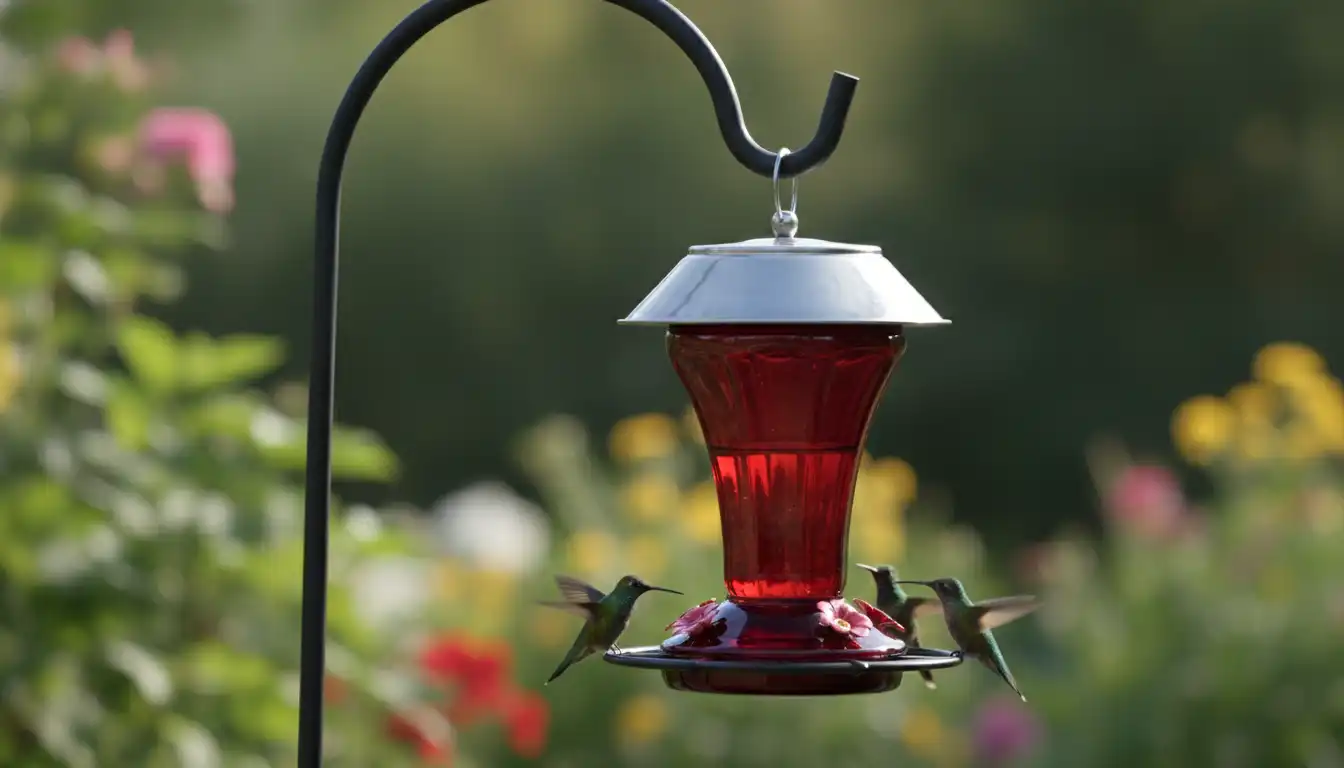
Step 3: Poles and Mounting Systems Built to Thwart Raccoons
The pole system you use is integral to your defense strategy. Wooden posts or thick, textured poles are easy for raccoons to climb. Instead, opt for a smooth metal pole with a diameter of about one inch.
A tall pole, at least 8 feet in total length, allows you to achieve the necessary height for both the feeder and the baffle while ensuring it is securely anchored in the ground. The stability of your pole is critical; a wobbly pole can be rocked and potentially toppled by a heavy raccoon. Taking the time to properly anchor your setup is as important as when you how to secure a shelving unit to a wall; a firm foundation prevents disaster.
DIY Raccoon-Resistant Pole Enhancements
For a truly custom defense, you can modify a standard pole. One highly effective DIY method involves using a length of 6-inch or 8-inch diameter stovepipe as a homemade torpedo baffle. You can slide this over your existing pole and secure it with a clamp.
Another advanced technique involves creating a “roller” section on the pole. By fitting a larger diameter PVC pipe over a section of your metal pole, you create a surface that spins freely. When a raccoon tries to climb this section, the pipe will rotate, preventing any upward progress.
Are There “Raccoon-Proof” Hummingbird Feeders?
While no feeder is 100% indestructible, some designs are far more resistant to raccoons than others. Feeders made of glass or metal are generally more durable than all-plastic models, which can be easily broken or chewed.
Look for feeders with minimal external parts that can be gripped. Saucer-style feeders can sometimes be more challenging for a raccoon to empty quickly compared to bottle-style feeders. However, a truly determined raccoon will likely damage any feeder it can reach, which is why external defenses like baffles and placement are paramount.
Investing in the right combination of protective measures offers the best long-term solution. It’s similar to deciding if Levolor energy shield is worth it for your windows; a quality upfront investment provides lasting protection and saves you from future costs and frustrations.
| Feeder Feature | Anti-Raccoon Benefit | Potential Drawback |
|---|---|---|
| Glass Reservoir | More durable than plastic; cannot be chewed through. | Can shatter if knocked to the ground from a significant height. |
| Metal Components | Resists bending and breaking from raccoon strength. | May rust over time if not properly coated. |
| Saucer Style Design | Harder for raccoons to drain nectar quickly. | May not hold as much nectar as larger bottle feeders. |
| Integrated Ant Moat | Helps prevent secondary insect infestations after a raid. | Does not deter raccoons directly. |
| Minimal Perches/Parts | Fewer handholds for a raccoon to grip and manipulate. | May be less attractive to some bird species. |
Beyond Physical Barriers: Other Deterrent Strategies
Sometimes, a multi-faceted approach is necessary. You can supplement your physical barriers with deterrents that target a raccoon’s other senses. These methods can help make your feeder station an undesirable place to visit.
It is crucial to remember that your goal is to deter, not harm. Using safe and humane methods ensures the well-being of all local wildlife while protecting your property.
Scent-Based Deterrents: A Word of Caution
Raccoons have a powerful sense of smell and dislike certain odors. Scents like pure peppermint oil or cayenne pepper can be effective deterrents. You can soak cotton balls in peppermint oil and place them at the base of the pole.
A slurry of water and cayenne pepper can be painted onto the pole itself. Birds are not affected by capsaicin (the compound that makes peppers hot), but mammals are. However, be aware that these scents need to be reapplied frequently, especially after rain.
Using Technology to Your Advantage
A highly effective, humane deterrent is a motion-activated sprinkler. These devices detect movement and release a short, startling burst of water. The sudden spray is harmless but very effective at scaring away nocturnal visitors like raccoons.
Position the sprinkler so its sensor covers the area around your feeder pole. After a few surprising showers, most raccoons will learn to avoid the area entirely. Motion-activated lights can also be effective, as the sudden illumination can startle the cautious creatures.
The Importance of a Clean Feeder Station
Cleanliness is a surprisingly effective part of raccoon deterrence. Spilled nectar on the ground or on the pole can attract raccoons to the area in the first place. Once they get a taste, they will be more motivated to get to the main source.
Regularly wipe down your feeder and pole to remove any sticky residue. Clean up any spills on the ground beneath the feeder. A clean station is less likely to be discovered by foraging pests.
What NOT to Do: Common Mistakes That Attract Raccoons
In the battle against raccoons, some well-intentioned strategies can do more harm than good. Never use grease, oil, or petroleum jelly on your feeder pole. While this might seem like a slippery solution, these substances can get on a bird’s feathers, severely impairing their ability to fly and stay insulated.
Avoid leaving other food sources, like pet food or unsecured trash cans, out overnight. These items attract raccoons to your yard, and once they’re there, they will inevitably discover your hummingbird feeder. A comprehensive approach to securing all potential food sources is the most effective strategy.
For those considering more permanent mounting solutions, it’s worth noting the level of precision required. Creating a dedicated, secure fixture on a wall or post is a project that demands attention to detail, much like the process to install a Kerdi niche in cement board requires careful planning for a waterproof seal.
Conclusion: Reclaiming Your Hummingbird Haven
Protecting your hummingbird feeder from raccoons can feel like a battle of wits, but it’s one you can win. By implementing a layered defense system—starting with strategic placement, adding a correctly installed raccoon baffle, choosing a sturdy pole, and maintaining a clean environment—you can create a secure haven for your hummingbirds.
It requires an initial investment of time and effort, but the reward is uninterrupted enjoyment of your feathered friends. You can once again wake up to the peaceful sight of hummingbirds at your feeder, knowing the masked bandits have been successfully and humanely outsmarted.
