
Quietest Convection Oven: Your Ultimate Guide to a Peaceful Kitchen
The modern kitchen is the heart of the home, a place for creation and connection. But this central hub can quickly lose its charm when a loud appliance disrupts the peace, turning the joy of cooking into a noisy ordeal.
Many homeowners know the frustration of a convection oven that hums, whirs, and rattles, sounding more like a small aircraft than a kitchen appliance. This constant noise can interrupt conversations, overwhelm an open-concept living space, and add a layer of stress to meal preparation.
You'll Learn About
Why Does Your Convection Oven Sound Like a Jet Engine?
The primary source of noise in a convection oven is the fan, a component essential for circulating hot air to cook food evenly and quickly. However, not all fans are created equal, and several factors contribute to the disruptive sounds emanating from your oven.
Understanding these causes is the first step toward finding a solution. The noise you hear is often a combination of the fan motor, the movement of air, and the vibration of the appliance’s structure.
The Culprit Behind the Curtain: The Convection Fan
At its core, a convection oven’s noise comes from its fan and motor. Standard fans in older or less expensive models can be inherently loud due to their design. As they spin at high speeds to circulate air, they create a noticeable whirring sound.
Additionally, many modern ovens have a cooling fan to protect the electronic controls from high temperatures. This fan can run for a long time, even after the oven is turned off, contributing significantly to the overall noise.
Vibrations and Build Quality
The construction of the oven itself plays a massive role in sound amplification. A poorly insulated oven or one made with thinner, less robust materials will vibrate more, turning a quiet hum into an annoying rattle.
Proper installation is also critical. An oven that isn’t perfectly level can cause the fan or other components to vibrate against the housing, creating extraneous noise that shouldn’t be there.
Decoding Decibels: The Secret Language of a Quiet Oven
When searching for the quietest convection oven, the most important specification to understand is the decibel (dBA) rating. Decibels measure the intensity of sound; for context, a quiet library is around 40 dBA, while a normal conversation is about 60 dBA.
Unfortunately, manufacturers don’t always advertise the dBA ratings for their ovens as prominently as they do for dishwashers. This means you often have to dig a little deeper, looking at user reviews and professional tests to find the quietest models.
What is a “Good” Decibel Rating for an Oven?
An oven that operates at or below 50 dBA is generally considered quiet. This level of noise will blend into the background of a typical home, rather than intruding upon it. Ovens exceeding 60 dBA can become disruptive, especially in open-plan kitchens.
Remember that the perceived loudness is about more than just decibels. The pitch and consistency of the sound matter, too; a low, steady hum is far less irritating than a high-pitched, intermittent whine, even at the same dBA rating.
Key Features of the Quietest Convection Ovens
Finding a truly quiet convection oven requires looking beyond brand names and focusing on the specific features that contribute to noise reduction. From advanced fan technology to superior construction, these are the elements that make a real difference in your kitchen’s acoustics.
Prioritizing these features will guide you toward an appliance that performs exceptionally without making its presence constantly heard. It’s about investing in technology designed for both culinary excellence and a peaceful home environment.
Advanced Fan Systems and Superior Insulation
The quietest models often feature brushless DC motors for their fans, which are significantly quieter and more energy-efficient than their traditional counterparts. Some high-end ovens also boast “ultra-quiet” fan systems specifically engineered for noise dampening.
Excellent insulation is another hallmark of a quiet oven. Just as insulation keeps heat in, it also keeps sound from getting out. Look for models with heavy-duty, dense insulation and solid construction, as these are less likely to vibrate and rattle.
Soft-Close Doors and Smart Technology
While not directly related to the fan, a soft-close door eliminates the jarring slam of a traditional oven door, contributing to a quieter kitchen experience. This premium feature is often found in models that also prioritize overall quiet operation.
Modern smart ovens may also offer customizable alerts, allowing you to mute loud beeps and receive notifications on your phone instead. This gives you more control over the sounds your appliances make, ensuring a more serene cooking environment.
| Feature | Impact on Noise Level | What to Look For |
|---|---|---|
| Fan Motor Type | High | Brushless DC motors or systems advertised as “ultra-quiet.” |
| Insulation Quality | High | Heavy, dense insulation materials and solid, robust construction. |
| Decibel (dBA) Rating | High | Models rated at or below 50 dBA. Check user reviews if not advertised. |
| Soft-Close Door | Medium | A premium feature that prevents slamming and indicates quality design. |
| Proper Installation | Medium | Ensure the oven is perfectly level to prevent operational vibrations. |
Top Brands and Models Known for Quiet Operation
While specific models change, certain brands have built a reputation for producing high-quality, quiet appliances. Brands like Miele, Bosch, and Thermador are often praised for their advanced engineering and focus on user experience, which includes noise reduction.
For example, models within the Bosch 800 Series or Benchmark lines are frequently cited by users for their quiet performance. These premium ovens often incorporate the sound-dampening technologies discussed earlier, making them a reliable choice for noise-conscious consumers.
Countertop vs. Wall Ovens
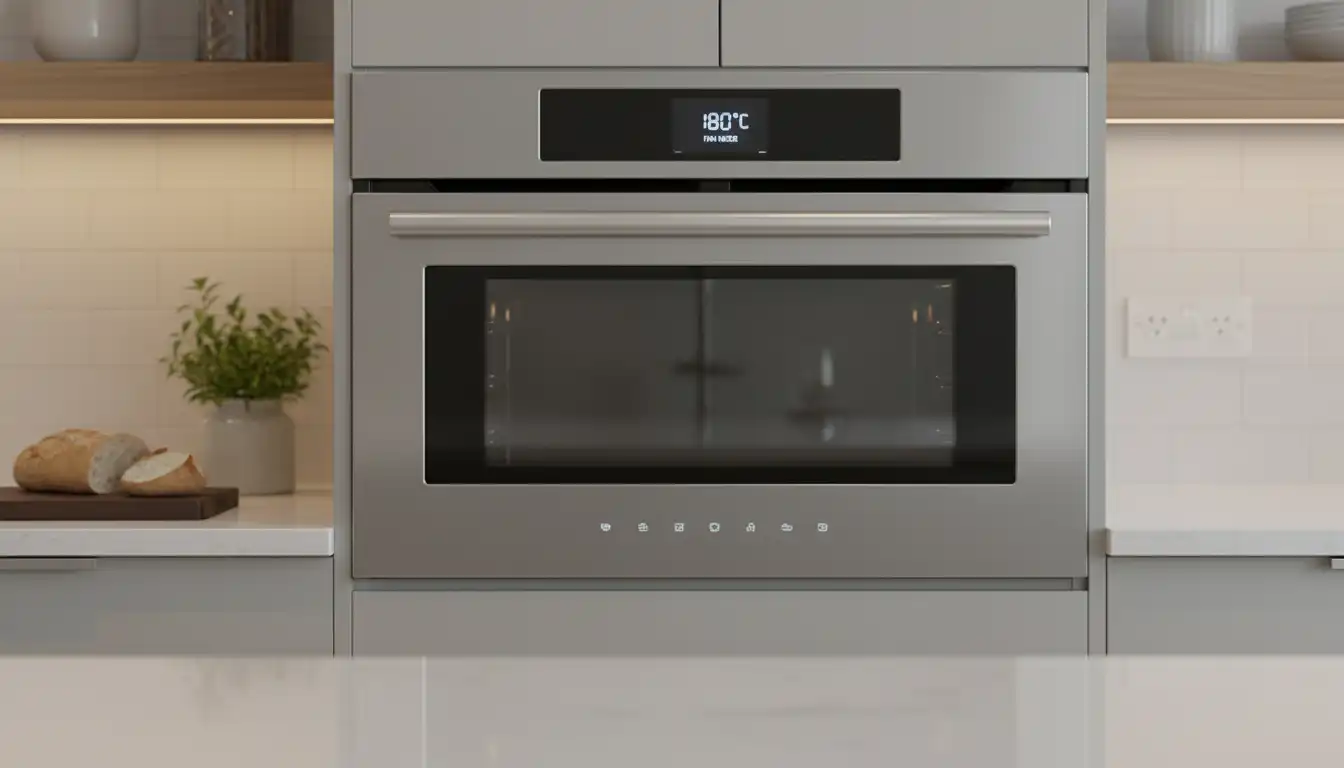
Your choice between a countertop model and a built-in wall oven can also impact noise. Wall ovens, being enclosed in cabinetry, often have an extra layer of sound insulation. They are typically built with higher-quality components designed for longevity and quiet operation.
Countertop models, while convenient, can sometimes be louder due to their more compact, less insulated designs. However, premium countertop ovens can still offer surprisingly quiet performance, especially when placed on a solid surface like 3/4 inch granite countertops, which can help absorb vibrations.
Beyond the Oven: Creating a Quieter Kitchen Ecosystem
Achieving a truly peaceful kitchen involves more than just selecting the quietest convection oven. The surrounding environment plays a crucial role in how sound travels and is perceived. By making thoughtful choices about your kitchen’s design and maintenance, you can create a space that is serene and functional.
Think of it as acoustic design for your home. Just as you might consider the exterior of your home, pondering questions like whether you can put mulch against a brick house to improve its appearance and health, you should also consider the internal elements that contribute to a calm atmosphere.
The Importance of Installation and Maintenance
Never underestimate the power of professional installation. Ensuring your oven is perfectly level and securely fitted within its space is paramount to minimizing operational vibrations. A poorly installed unit will be noisy, regardless of its quality.
Regular maintenance is also key. Over time, dust and grease can build up on the fan blades, causing them to become unbalanced and noisy. A simple cleaning can often restore an oven to its former, quieter state.
Acoustic Considerations for Your Kitchen
The materials in your kitchen affect how sound travels. Hard surfaces like tile and stone reflect sound, which can make any appliance seem louder. Soft materials, such as wood, cork flooring, or even area rugs, can help absorb sound and reduce overall noise levels.
By investing in a high-quality, quiet convection oven and considering the acoustics of your kitchen, you can transform your cooking space into the peaceful, creative sanctuary it was meant to be. This focus on a quiet home environment ensures that the heart of your home remains a place of comfort and joy.
<
Frequently Asked Questions
What makes a convection oven noisy?
The noise from a convection oven typically comes from the fan used to circulate hot air for even cooking. Over time, the fan’s motor can wear out, or the fan blades can become loose, unbalanced, or obstructed by grease and food debris, causing rattling or humming sounds. Additionally, the cooling fan, which cools the oven’s electronic components, can also contribute to the noise.
How can I make my current convection oven quieter?
Regular cleaning of the fan blades and the oven’s interior can help reduce noise caused by buildup. You can also check for and tighten any loose screws on the fan or oven panels, as vibrations can create rattling sounds. If the noise persists, the fan motor may need lubrication or replacement.
What are the benefits of a quiet convection oven?
A quiet convection oven provides a more pleasant and peaceful cooking experience, reducing distractions in the kitchen. Beyond the quiet operation, convection ovens, in general, offer faster and more even cooking, leading to better browning and crisping of foods. They can also be more energy-efficient due to shorter cooking times.
What features should I look for in a quiet convection oven?
When shopping for a quiet convection oven, look for models that specifically mention quiet operation or have sound-dampening features. Some brands are known for their quiet fans. Also, consider models with features like “Super Convection” which may use a higher-speed, but potentially better-designed and quieter, fan.
Are convection ovens louder than air fryers?
Both convection ovens and air fryers use fans to circulate hot air, so noise levels can be comparable. However, the noise intensity can vary significantly depending on the specific model and brand of each appliance. Some countertop convection ovens are noted for having whisper-quiet fans.
