Quarter Round Around Fireplace: Stop Ugly Gaps for Good
That frustrating gap between your beautiful flooring and your fireplace hearth can ruin the entire look of a room. It acts like a magnet for dust, dirt, and pet hair, creating a cleaning nightmare and a persistent eyesore.
This gap isn’t a sign of bad installation; it’s often a necessary space left for flooring to expand and contract. But leaving it exposed makes your project look unfinished and unprofessional.
You'll Learn About
Why That Annoying Gap Exists and Why You Must Fix It
When new flooring like laminate, LVP, or hardwood is installed, a small expansion gap is intentionally left around the perimeter of the room. This includes the base of your fireplace hearth. This space is critical to prevent the floor from buckling and warping with changes in temperature and humidity.
However, this functional gap creates an aesthetic problem. It breaks the clean line between the floor and the fireplace, which should be a stunning focal point. Failing to cover this gap makes even the most expensive flooring look cheap and incomplete.
The solution is surprisingly simple and affordable: quarter round molding. This small, curved trim is designed specifically to conceal these gaps, creating a seamless and polished transition that elevates the look of your entire space.
Choosing the Right Quarter Round: A Critical Decision
Not all quarter round is created equal, and the material you choose is crucial for a lasting, professional finish around a fireplace. You need to consider paintability, durability, and how the material reacts to the subtle temperature changes around a hearth.
Making the wrong choice can lead to peeling paint, dents, or trim that looks out of place. This table breaks down the most common options to help you make an informed decision.
| Material | Pros | Cons |
|---|---|---|
| Solid Wood (Pine/Oak) | Stainable to match flooring, durable, classic look. | More expensive, can dent, requires priming and painting. |
| MDF (Medium-Density Fiberboard) | Inexpensive, smooth surface for painting, easy to cut. | Swells with moisture, not as durable as wood, cannot be stained. |
| PVC / Vinyl | Waterproof, flexible for slight curves, durable. | Can look like plastic, may require special paint, difficult to stain. |
Your Essential Toolkit for a Perfect Fireplace Trim Job
Gathering the right tools before you start is the key to a smooth and frustration-free installation. Having everything on hand prevents interruptions and helps you achieve clean cuts and a secure fit. Don’t try to eyeball cuts or use the wrong adhesive; it will show in the final result.
Must-Have Tools and Materials:
- Miter Saw: This is non-negotiable for cutting accurate angles on corners. A manual miter box can work, but a power miter saw will deliver faster, cleaner results.
- Tape Measure: For accurate measurements. Measure twice, cut once.
- Pencil: For marking your cut lines clearly on the molding.
- Brad Nailer & Nails: A brad nailer is the fastest and easiest way to secure the trim. 1.25-inch brad nails are typically sufficient. Alternatively, you can use a hammer and finish nails.
- Construction Adhesive: This provides a stronger, more permanent bond, which is especially important on uneven surfaces like brick or stone.
- Caulk Gun: For applying the adhesive neatly.
- Wood Filler/Putty: To fill nail holes for a seamless finish.
- Paintable Caulk: To seal the top edge of the quarter round against the fireplace for a professional look.
- Sandpaper (220-grit): For smoothing wood filler and prepping for paint.
- Paint & Primer: Choose a quality semi-gloss paint that matches your other trim.
The Pro’s Guide to Installing Quarter Round on a Fireplace
With your materials selected and tools at the ready, you can begin the installation. The key to a flawless finish lies in precise cuts and patient finishing work. Follow these steps carefully to achieve a result that looks like it was done by a professional.
Step 1: Preparation is Everything
Start by thoroughly cleaning the area. Vacuum all dust and debris from the gap and wipe down the surface of the hearth and the flooring where the quarter round will sit. A clean surface ensures the best possible adhesion.
Lay out your pieces of quarter round to get a general idea of the lengths you will need. This helps you plan your cuts and minimize waste.
Step 2: The Art of the Perfect Cut
This is the most critical stage. The corners of your fireplace hearth will require precise miter cuts to join perfectly. For a standard 90-degree corner, you will set your miter saw to 45 degrees.
For an outside corner, the long point of the miter will be on the back of the molding. For an inside corner, the long point will be on the front. Always cut your pieces slightly longer than you need, then you can shave off small amounts until you get a perfect, snug fit.
If your fireplace hearth is curved, you will need a different approach. For gentle curves, a flexible PVC molding might bend enough. For more pronounced curves with wood molding, you can make a series of small cuts on the back of the trim, called kerf cuts, which will allow it to bend without breaking.
Step 3: Tackling Uneven Stone or Brick
One of the biggest challenges is fitting trim against a rough surface like a stone or brick fireplace. The quarter round will have gaps behind it, creating an amateur look. The professional solution is a technique called scribing.
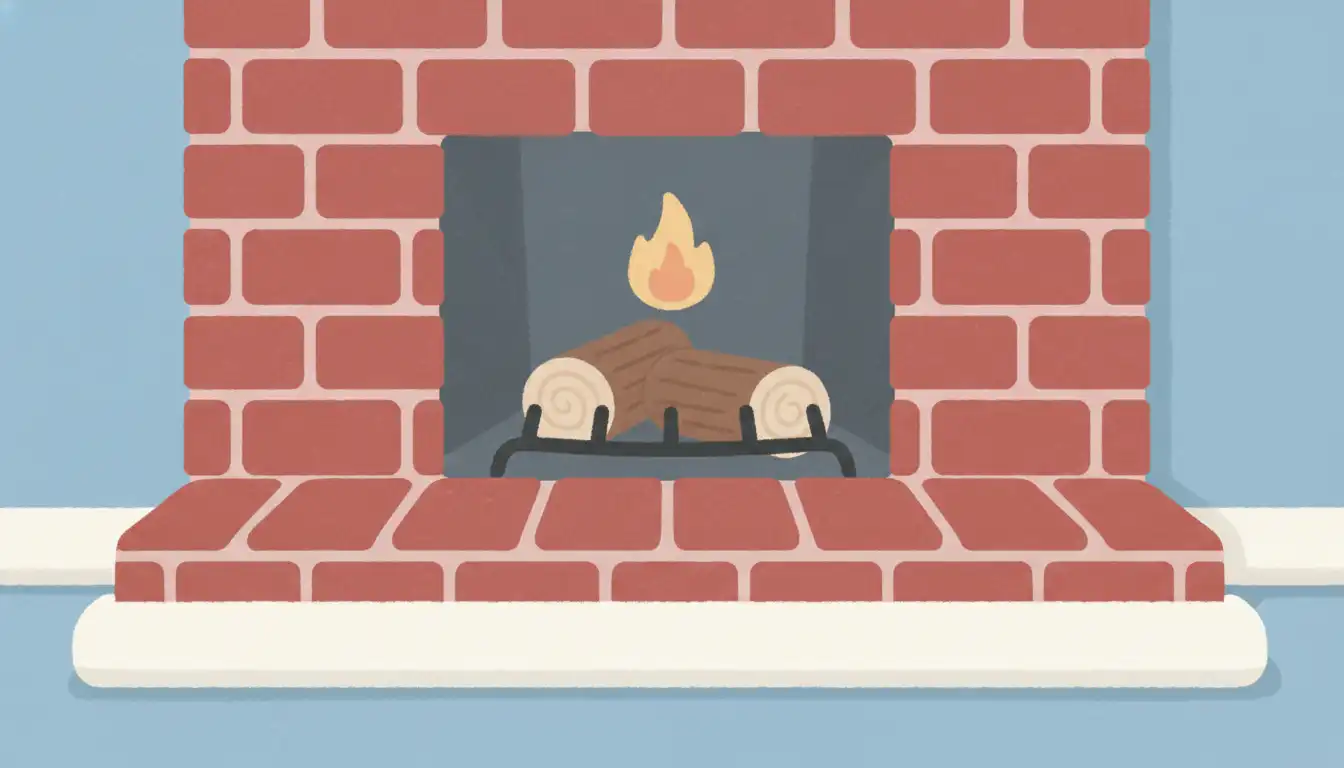
To scribe the molding, hold it in place against the irregular surface. Take a compass, keeping one end on the fireplace surface and the pencil end on the quarter round. Drag the compass along the length of the hearth, transferring the uneven profile onto the wood. Then, carefully cut along this scribed line with a jigsaw or coping saw for a perfect custom fit.
Step 4: Securing the Molding
Once your pieces are cut for a dry fit, it’s time to install them permanently. Apply a thin bead of construction adhesive to the back of the quarter round—on the two flat surfaces that will touch the floor and the fireplace hearth.
Press the molding firmly into place. Using a brad nailer, shoot nails down into the subfloor, not horizontally into the fireplace base. This prevents cracking the hearth material and allows the flooring to move independently. If you need to make adjustments around components, a guide on fireplace gas valve cover plate removal can provide insights on working safely around such fixtures.
Step 5: Flawless Finishing Touches
The final steps are what separate a DIY job from a professional one. Use a small amount of wood filler to cover every nail hole. Press it in firmly and wipe away the excess.
Once the filler is dry, lightly sand it smooth with 220-grit sandpaper. Next, apply a thin, continuous bead of paintable caulk along the top edge where the quarter round meets the fireplace. This hides any small, remaining gaps and creates a seamless transition. The process is similar to finishing trim in other areas, like a quarter round around door frame, where caulking is key to a clean look.
Finally, it’s time to paint. Prime the quarter round and any wood filler, then apply two coats of your finish paint for a durable, beautiful result.
Common Mistakes That Scream “Amateur” and How to Avoid Them
Installing quarter round is straightforward, but a few common errors can ruin the final look. Being aware of these pitfalls ahead of time will help you avoid them.
Wrong Adhesive or Fasteners: Do not rely on caulk alone to hold the trim in place. Use a proper construction adhesive combined with brad nails for a secure, long-lasting installation that can withstand foot traffic and cleaning.
Gaps at Mitered Corners: This is almost always due to an inaccurate cut or a hearth corner that isn’t a perfect 90 degrees. Test fit your corners before applying adhesive and make small adjustments with the miter saw until the fit is tight.
Nailing into the Fireplace: Never nail the quarter round horizontally into the brick, stone, or tile of your hearth. This can easily crack the material, leading to a costly repair. Always nail downward into the subfloor.
Skipping the Finishing Steps: Unfilled nail holes and uncaulked seams are a dead giveaway of a rushed job. Taking the extra 30 minutes to properly fill, caulk, and sand will make a world of difference in the final appearance.
A Small Project with a Huge Impact
This project is a perfect example of how a small detail can have a massive impact on the overall feel of a room. It’s often one of the final steps after a major project, like a new floor installation. Considering the total expense, such as finding out how much does lumber liquidators charge for installation, adding this professional finishing touch is a minor cost that provides a major aesthetic return.
By carefully selecting your materials and following these steps, you can eliminate that ugly gap around your fireplace for good. You’ll create a clean, intentional, and high-end look that completes your room and makes your fireplace the true centerpiece it was meant to be.