
Purple Siding: The Daring Choice Your Home Craves?
Choosing an exterior color for your home is a significant decision. You want a look that reflects your personality and boosts curb appeal, yet the fear of making a “wrong” choice often leads homeowners down the path of beige, gray, and white. But what if the color you’re truly drawn to is a bit more daring?
Purple siding is a choice that sparks debate. It’s unconventional, eye-catching, and for many, intimidating. The central problem homeowners face is navigating the desire for a unique home exterior with the fear of alienating neighbors, diminishing resale value, or simply creating a look that feels more garish than grand.
You'll Learn About
The Psychology of Purple: Why We Hesitate
The color purple has long been associated with royalty, creativity, and mystery. Historically, purple dye was rare and expensive, cementing its status as a symbol of luxury and power. This deep-seated perception contributes to why splashing it across a house can feel like such a bold, and perhaps risky, statement.
Concerns often revolve around whether a purple house will look “tacky” or be difficult to coordinate with other exterior elements like trim, roofing, and landscaping. These are valid questions that deserve careful consideration before you commit to this captivating color.
Finding Your Perfect Purple: A Shade for Every Style
The solution isn’t to dismiss purple entirely but to understand its vast spectrum. The key to a successful purple exterior lies in selecting the right shade for your home’s architectural style and its surroundings. A thoughtfully chosen purple can elevate a home from ordinary to unforgettable.
Just as you wouldn’t wear a ballgown to a beach party, you wouldn’t put a vibrant, electric purple on a rustic craftsman home. Context is everything. The texture of the siding material itself also plays a crucial role; the way light and shadow interact with a smooth surface versus a wood-grain texture can dramatically alter the color’s appearance.
Deep and Dramatic Purples: Plum, Aubergine, and Merlot
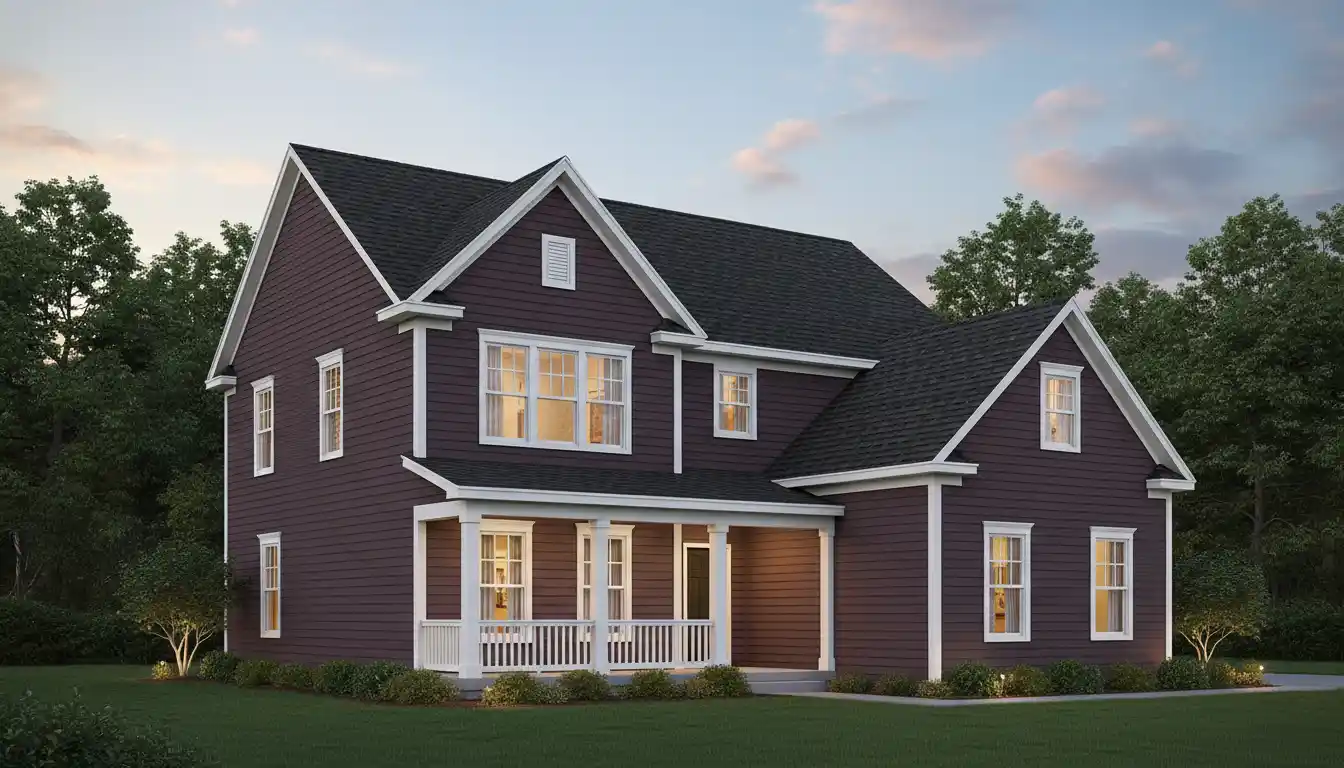
For homes with historic or grand architectural styles, such as Victorian or Gothic Revival, deep and dramatic purples are a perfect match. Shades like plum, eggplant, and merlot create a sense of sophistication and stately elegance. These rich tones highlight intricate architectural details and project an air of confidence.
They work exceptionally well on larger homes where the color has space to make a statement without overwhelming the structure. Paired with crisp white or cream trim, these deep purples create a classic, high-contrast look that is both timeless and unique.
Soft and Subtle Purples: Lavender, Lilac, and Mauve
If you’re drawn to purple but prefer a softer touch, shades like lavender, lilac, and dusty mauve offer a more approachable option. These lighter, muted tones are ideal for cottages, bungalows, and coastal-inspired homes. They evoke a sense of charm, whimsy, and tranquility.
These gentler purples are often perceived as more “neutral” and can blend beautifully into a lush garden setting. They pair wonderfully with soft grays, warm beiges, and natural wood accents for a serene and welcoming exterior.
The Art of Coordination: Pairing Colors with Purple Siding
Once you’ve chosen your perfect purple, the next step is selecting complementary colors for your trim, doors, and roof. This is where you can truly define your home’s character. Getting the roof and siding combination right is critical to avoid a costly mistake. If you find yourself regretting a choice, it’s important to have a rescue guide.
The right pairings can ground the purple, make it pop, or soften its intensity. A well-thought-out color scheme ensures a cohesive and polished look that feels intentional and expertly designed. Consider the following combinations to inspire your palette.
| Complementary Color | Effect/Mood Created | Best For… |
|---|---|---|
| Crisp White | Classic, High-Contrast, Fresh | Trim, Window Frames, Porch Railings |
| Cream or Off-White | Soft, Elegant, Warm | Trim on historical or cottage-style homes |
| Charcoal Gray or Black | Modern, Grounded, Dramatic | Front Doors, Shutters, Garage Doors |
| Sage or Olive Green | Earthy, Natural, Harmonious | Shutters, Accent Areas, Front Doors |
| Natural Wood Tones | Warm, Rustic, Inviting | Porch Columns, Front Doors, Garage Doors |
Choosing Your Siding Material: Durability Meets Design
The material of your siding not only impacts the overall look but also the long-term performance of the color. Darker colors, including many shades of purple, absorb more heat and UV rays, which can make them more prone to fading over time. Therefore, investing in a high-quality material is crucial.
Popular options like fiber cement and high-quality vinyl siding often come with factory-applied finishes that include UV inhibitors, offering better color retention. Wood siding can be painted any shade of purple you desire, but it will require more frequent maintenance to keep the color looking fresh and vibrant.
Keeping Your Purple Perfect: Maintenance Tips
To ensure your purple siding remains as beautiful as the day it was installed, proper maintenance is key. The primary concern with any dark siding is fading from sun exposure. Choosing a product with advanced color-retention technology is the first line of defense.
Regular cleaning is also essential to maintaining the vibrancy of any siding color. A gentle wash once a year can remove dirt and grime that can make colors appear dull. The fundamental steps are often similar, whether you need to learn how to clean Masonite siding or care for your new purple vinyl.
Will Purple Siding Hurt My Home’s Resale Value?
This is the ultimate question for many homeowners considering a bold color choice. The honest answer is: it depends. A poorly chosen, overly bright purple on a home that doesn’t suit it could potentially deter some buyers. However, a tasteful, well-coordinated purple on a home with the right architecture can be a major asset.
In a sea of neutral-colored homes, a beautifully executed purple exterior stands out and is memorable. It can attract buyers who are looking for a home with personality and unique character. Ultimately, factors like the quality of the siding installation, the condition of the roof, and overall property maintenance will have a far greater impact on resale value than the color choice alone.
Your Garden: The Final Touch for a Stunning Exterior
Landscaping provides the perfect opportunity to enhance and complement your purple siding. The right plants and flowers can tie the whole look together, creating a harmonious and breathtaking curb appeal. Think of your garden as the final frame for your masterpiece.
For a striking contrast, plant flowers in shades of yellow and orange. To create a more serene and analogous color scheme, use plants with silver foliage, like Dusty Miller, or flowers in shades of blue and pink. Consider plants that offer visual interest even in colder months. Understanding what weigela look like in winter, for example, can help you plan a garden that complements your home’s unique color throughout the year.
Frequently Asked Questions
What are the best shades of purple for house siding?
Soft and muted tones like lavender, lilac, and dusty mauve tend to work well for exteriors, creating a charming look without being overpowering. Richer and deeper shades such as plum and eggplant can also be used to create a dramatic and sophisticated appearance, especially on architectural styles like Victorian or Craftsman homes.
What colors go well with purple siding?
Neutral colors are a safe and effective choice to pair with purple siding. Crisp white, soft gray, or beige trim can create a clean, balanced look and prevent the purple from becoming overwhelming. For a more bold and vibrant combination, consider accent colors like mustard yellow, emerald green, or royal blue.
Will purple siding affect my home’s resale value?
Unique and bold color choices like purple can potentially reduce the pool of interested buyers, as it may not appeal to everyone’s taste. However, a tastefully chosen shade of purple that complements the home’s architecture and the neighborhood can also make your property stand out in a positive way. To play it safe for resale, consider using purple as an accent color or opting for a more muted, versatile tone.
What architectural styles are best suited for purple siding?
Victorian and Queen Anne style homes are particularly well-suited for purple siding, as their ornate details are often highlighted by bold color choices. However, contemporary and modern homes can also look stunning with purple siding, especially when used in a color-blocking scheme or as a statement accent. The key is to ensure the shade of purple complements the specific architectural features of the house.
How do I maintain purple vinyl siding?
Vinyl siding, regardless of the color, is relatively low maintenance and can typically be cleaned with a soft-bristled brush and a solution of mild soap and water. For tougher stains or mildew, a mixture of water and vinegar can be used. It’s important to avoid harsh chemical cleaners and abrasive scrubbers that could damage the siding’s surface.
Conclusion: Embrace the Bold
Choosing purple siding is undeniably a bold move, but it doesn’t have to be a risky one. By carefully selecting the right shade for your home’s style, thoughtfully coordinating it with trim and roofing colors, and investing in a quality material, you can create a stunning exterior that is both personal and widely admired.
Don’t let the fear of being different steer you toward a color that doesn’t excite you. A home with purple siding can be a testament to creative expression and sophisticated design, proving that sometimes the most daring choice is also the most beautiful.
