
Unlock the Secret of the Purple Pine Cone Shaped Flower Now!
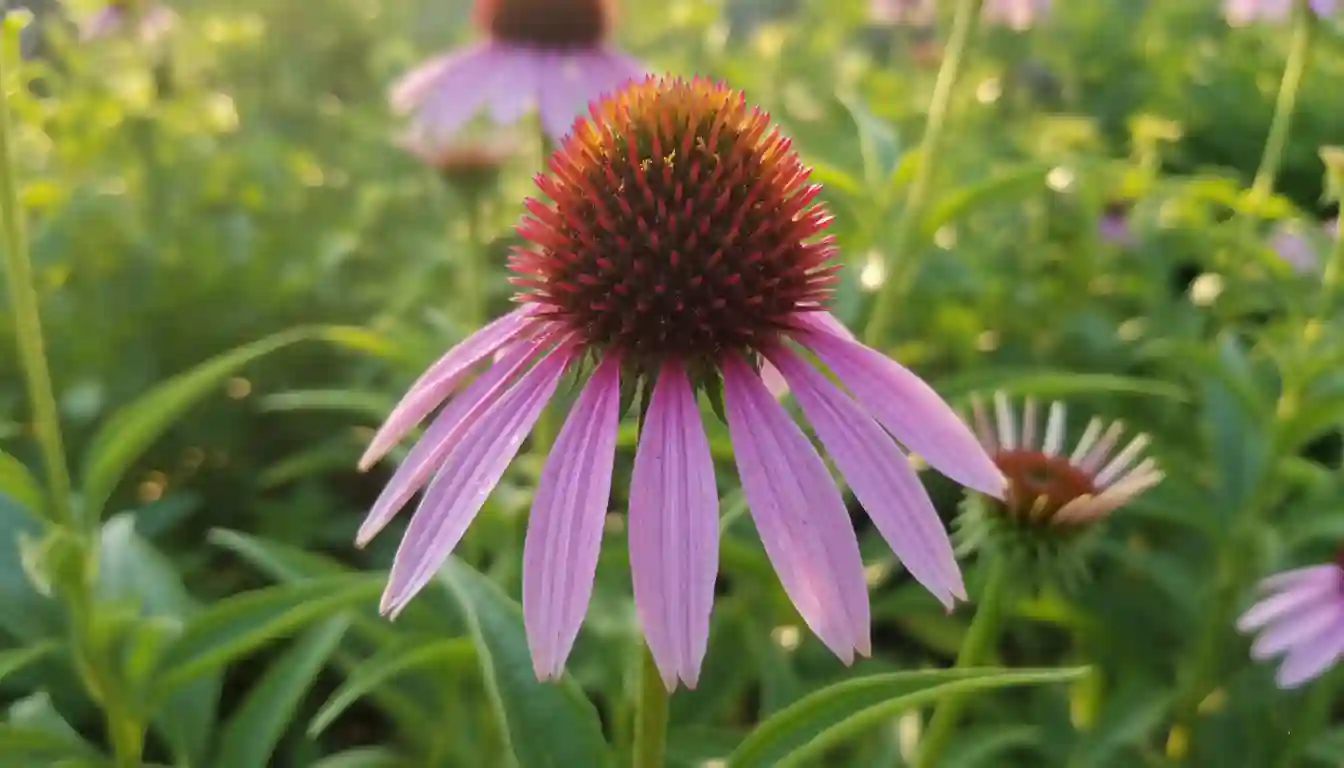
Have you ever walked through a garden or driven past a prairie and spotted a stunning purple flower with a center that looks remarkably like a tiny pine cone? This captivating bloom often leaves admirers puzzled, sparking a common question: what exactly is that gorgeous purple pine cone shaped flower?
The mystery behind this unique perennial is a frequent challenge for gardeners and nature lovers alike. Identifying a plant is the first step to understanding its needs, and without a name, it’s nearly impossible to learn how to cultivate it, care for it, or incorporate it into your own landscape successfully.
This article solves that puzzle for you. We will not only reveal the identity of this popular flower but also provide a comprehensive guide to growing and caring for it. Get ready to transform your garden with this resilient and beautiful plant.
You'll Learn About
The Big Reveal: Meet the Purple Coneflower (Echinacea purpurea)
The mysterious “purple pine cone shaped flower” is most famously known as the Purple Coneflower, or by its scientific name, Echinacea purpurea. Native to eastern and central North America, this plant is a celebrated member of the daisy family (Asteraceae) and a cornerstone of prairie-style and pollinator gardens.
Its distinctive appearance is what earns it the “pine cone” nickname. The central, spiky brown cone is actually a composite head made of many tiny individual flowers, surrounded by drooping lavender or purple petals. This structure is not just beautiful but also a brilliant design for attracting pollinators like bees and butterflies.
While Echinacea purpurea is the most common variety, plant breeders have developed a stunning array of cultivars. These hybrids offer a spectrum of colors beyond purple, including white, yellow, pink, and vibrant orange, while still retaining that iconic cone-shaped center.
Exploring Popular Coneflower Varieties
The world of Echinacea is vast and colorful. Understanding the differences between popular varieties can help you choose the perfect coneflower to match your garden’s aesthetic and growing conditions. Each cultivar brings a unique charm, from petal shape to overall plant size.
Beyond the classic purple, modern hybrids have introduced double-flowered forms, bicolored petals, and more compact growth habits. This diversity allows for incredible creativity in garden design, enabling you to create layered, textured landscapes that bloom all summer long.
Here is a table highlighting some of the most sought-after Echinacea varieties to help you visualize the possibilities for your own garden.
| Variety Name | Color | Mature Height | Key Features |
|---|---|---|---|
| Echinacea purpurea ‘Magnus’ | Deep purple-pink | 36 inches | Large flowers with non-drooping, horizontal petals. A classic choice. |
| Echinacea purpurea ‘White Swan’ | Creamy white | 24-30 inches | Elegant white petals with a striking orange-bronze cone. |
| Echinacea ‘Cheyenne Spirit’ | Mix of red, orange, yellow, and purple | 18-30 inches | A vibrant mix of colors from a single seed packet. Very hardy. |
| Echinacea ‘Green Envy’ | Green with a magenta halo near the cone | 24-30 inches | A unique and eye-catching variety with bicolored petals. |
| Echinacea ‘Razzmatazz’ | Rose pink | 30-36 inches | The first double-flowered variety, resembling a fluffy pom-pom. |
The Gardener’s Challenge: Avoiding Common Coneflower Pitfalls
Now that you have identified the Purple Coneflower, the next step is cultivating it successfully. While Echinacea is known for its resilience, many gardeners face common problems that prevent their plants from thriving. These issues often stem from a misunderstanding of the plant’s native prairie habitat.
The most frequent mistakes include improper watering, poor soil selection, and incorrect sun exposure. Overwatering is a primary culprit, leading to root rot, while heavy clay soil can suffocate the roots. Choosing a shady spot can result in weak, leggy stems and a disappointing lack of flowers.
By understanding these potential pitfalls, you can proactively create the ideal environment for your coneflowers. This ensures they not only survive but flourish, producing a spectacular display of blooms year after year.
Mastering Coneflower Cultivation: A Blueprint for Success
Growing vibrant, healthy Purple Coneflowers is achievable for any gardener with the right knowledge. The key is to replicate the conditions of their native prairie environment: full sun, well-draining soil, and minimal interference. Following a structured approach to planting and care will yield the best results.
This section provides a detailed blueprint for success, from initial site selection to long-term maintenance. By mastering these fundamental techniques, you can ensure your Echinacea plants become a low-maintenance, high-impact feature of your garden landscape.
Finding the Perfect Spot: Sunlight and Soil Preparation
The foundation of healthy coneflowers begins with choosing the right location. Echinacea demands at least six hours of direct sunlight per day. Without adequate sun, plants will grow tall and spindly as they reach for light, and flower production will be significantly reduced.
Soil quality is equally critical. Coneflowers are adapted to the lean, well-draining soils of the prairie and do not tolerate “wet feet.” Heavy clay soil, common in many gardens, must be amended to improve drainage and aeration. Ignoring this step is a common cause of failure.
For a truly professional soil mix, create your own blend. A simple, effective recipe is to combine two parts of your native garden soil with one part compost and one part coarse sand or fine gravel. This mixture provides modest fertility while ensuring the sharp drainage that coneflowers need to prevent root rot.
Planting and Spacing: Giving Your Coneflowers Room to Grow
Proper planting technique is crucial for establishing strong, healthy coneflowers. When transplanting a nursery-grown plant, dig a hole that is twice as wide as the root ball but no deeper. The top of the root ball should sit level with the surrounding soil surface.
Spacing is vital for long-term health. Overcrowding plants restricts airflow, which can promote fungal diseases like powdery mildew. Space most Echinacea varieties 18 to 24 inches apart to ensure they have ample room to grow and receive good air circulation.
When planning your garden layout, consider the terrain. Dealing with uneven ground can be a challenge, and ensuring a stable, level base for features is important. For instance, understanding how to level a gazebo on sloped concrete involves principles of creating a solid foundation that can be applied to building raised beds for better drainage on a slope.
Watering Wisdom: The “Soak and Dry” Method
Overwatering is the single most common mistake gardeners make with Echinacea. Once established, these plants are remarkably drought-tolerant. The best approach is the “soak and dry” method, which mimics the natural rainfall patterns of a prairie environment.
Water newly planted coneflowers regularly to help them establish their root systems. For mature plants, water deeply but infrequently. Allow the top two inches of soil to dry out completely between waterings. This encourages the roots to grow deep into the soil in search of moisture, creating a more resilient plant.
Avoid light, frequent sprinkling, which encourages shallow root growth and makes the plant more susceptible to drought. A deep soaking once a week during hot, dry spells is usually sufficient for established plants.
Advanced Pest and Disease Control: Building a Resilient Ecosystem
While coneflowers are generally robust, they can fall prey to a few pests and diseases. The key to success is not just treatment, but prevention through the creation of a healthy, balanced garden ecosystem. A resilient garden can often manage pests and diseases without heavy chemical intervention.
One of the most effective and underutilized strategies is companion planting. By interplanting Echinacea with specific herbs and flowers, you can naturally deter pests and attract beneficial insects that prey on them. This creates a self-regulating system that promotes plant health.
Plants like Russian Sage, Catmint, and Yarrow are excellent companions. They share similar growing requirements and their aromatic foliage can help repel pests like aphids and Japanese beetles. This approach reduces the need for sprays and supports a healthier environment for pollinators.
Beyond the Bloom: Unexpected Benefits of Growing Coneflowers
The appeal of the Purple Coneflower extends far beyond its visual beauty. This versatile perennial offers a wealth of benefits that can enhance your garden and your home in surprising ways. From supporting local wildlife to its rich history, Echinacea is a plant with a compelling story.
Embracing these additional benefits adds another layer of satisfaction to growing this remarkable flower. It becomes more than just an ornamental plant; it transforms into a vital contributor to a thriving garden ecosystem and a link to a fascinating botanical past.
A Lifeline for Pollinators
Coneflowers are a powerhouse for supporting pollinators. The large, nectar-rich cones provide an essential food source for bees, butterflies, and even hummingbirds throughout the summer. Planting a patch of Echinacea is one of the most effective ways to create a vibrant, buzzing pollinator-friendly garden.
Beyond the summer blooms, the seed heads offer another critical benefit. If left standing through the fall and winter, the cones become a natural bird feeder. Goldfinches and other small birds flock to the dried seed heads, feasting on the nutritious seeds and adding life to the winter garden.
A Rich History in Traditional Medicine
Echinacea has a deep and fascinating history rooted in the traditional medicine of Native American tribes of the Great Plains. For centuries, it was used to treat a wide range of ailments, from toothaches and sore throats to snakebites. Its reputation as a potent medicinal herb made it one of the most important plants in their pharmacopeia.
This historical use eventually caught the attention of European settlers and, by the early 20th century, Echinacea had become a popular herbal remedy in both the United States and Europe. While modern science continues to study its effects, its historical significance is undeniable.
Troubleshooting Common Coneflower Conundrums
Even with the best care, you may occasionally encounter issues with your coneflowers. Identifying the problem quickly is the key to resolving it and restoring your plants to full health. This section addresses some of the most common questions and concerns gardeners have about Echinacea.
Why Are My Coneflower Leaves Turning Yellow?
Yellowing leaves on a coneflower are often a sign of stress, and the most common culprit is improper watering. Overwatering can lead to root rot, which prevents the plant from absorbing nutrients, causing the leaves to turn yellow. Ensure the soil is drying out between waterings.
Conversely, severe underwatering can also cause leaves to yellow and wilt. While drought-tolerant, they do need some moisture. Another possibility is a nutrient deficiency, particularly nitrogen. If the soil is very poor, a light application of a balanced, slow-release fertilizer in the spring can help.
What is Aster Yellows and How Do I Deal With It?
Aster yellows is a systemic plant disease that can affect coneflowers and other members of the daisy family. It is caused by a tiny organism called a phytoplasma and is spread by leafhopper insects. The symptoms are unmistakable: distorted, stunted growth, and strange, greenish, leaf-like structures growing out of the flower cone.
Unfortunately, there is no cure for aster yellows. To prevent it from spreading to other plants in your garden, you must remove and destroy the infected plant immediately. Do not add it to your compost pile. Controlling leafhoppers with insecticidal soap can help reduce the risk of transmission.
How Do I Encourage More Blooms?
To keep your coneflowers producing beautiful blooms all summer long, practice deadheading. This involves removing the spent flowers before they go to seed. Snip the faded flower stem back to the next set of leaves or a budding side shoot.
This process redirects the plant’s energy from seed production into creating more flowers. Stop deadheading in the early fall to allow some seed heads to mature for winter interest and to provide food for birds.
Integrating these plants thoughtfully into your landscape design enhances not only your garden but also your home’s overall appeal. A beautiful garden improves the view from your home, a factor to consider when thinking about home improvements, much like the debate over Lindsay Windows vs. Andersen Windows can impact your home’s aesthetic and efficiency.
Conclusion: Embrace the Beauty of the Purple Coneflower
The “purple pine cone shaped flower,” now revealed as the stunning Echinacea, is far more than just a pretty face in the garden. It is a resilient, low-maintenance perennial that offers continuous blooms, supports vital pollinators, and carries a rich history. Its unique form adds texture and interest to any landscape.
By understanding its needs—full sun, well-draining soil, and mindful watering—you can easily cultivate this North American native and avoid the common pitfalls that frustrate many gardeners. Whether you choose the classic purple or one of the many vibrant modern cultivars, the coneflower is sure to become a cherished star in your garden.
Embrace this beautiful and beneficial plant, and you will be rewarded with a dynamic, wildlife-friendly garden that thrives from summer through winter. Just as proper maintenance is key for garden success, it’s also true for home systems; ensuring the correct garage door arm angle is essential for its longevity and smooth operation.
