Purple Flower Clover Weed Invading Your Lawn? Here’s the Fix
You meticulously mow, water, and care for your lawn, striving for that perfect, uniform carpet of green. Then, one day, you spot it: a patch of green leaves, distinctly different from your turf, punctuated by cheerful but unwelcome purple flowers. This intruder, a purple flower clover weed, can quickly spread, turning your pristine lawn into a mottled landscape.
For many homeowners, this sight is a frustrating problem. This weed competes with your grass for essential resources like sunlight, water, and nutrients, often thriving where your desired turf struggles. Its appearance signals an underlying issue in your lawn’s health that needs to be addressed.
You'll Learn About
Correctly Identifying the Purple-Flowered Intruder
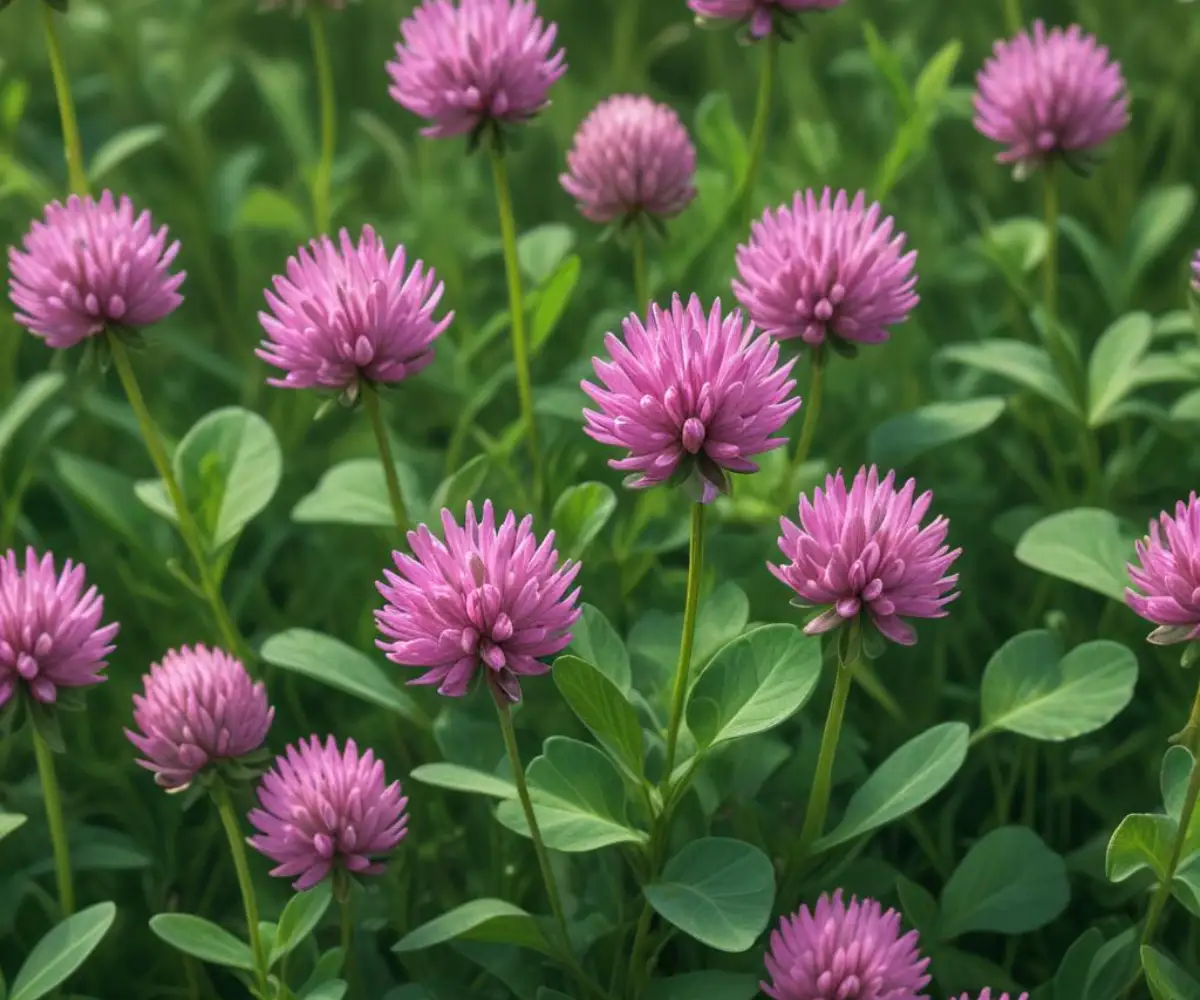
Before you can effectively combat this weed, it’s crucial to know exactly what you’re dealing with. The most common culprit is Red Clover (Trifolium pratense). Despite its name, its globe-shaped flower heads are typically a pinkish-purple hue.
Look for its characteristic three-leaflet leaves, each often marked with a pale, V-shaped “watermark.” The stems and leaves are slightly hairy, and the plant grows in clumps, spreading through seeds and creeping stems. While it’s often considered a weed in manicured lawns, it’s a valuable plant in other contexts.
Distinguishing Red Clover from Look-Alikes
It’s easy to mistake Red Clover for other common lawn weeds. White Clover (Trifolium repens) is similar but has white flowers and is generally lower-growing. Other weeds like Creeping Charlie (Glechoma hederacea) also have purple flowers but feature square stems and scalloped, kidney-shaped leaves, a key difference from clover’s three-leaflet structure.
The Surprising Secret: Is Purple Clover Always a “Weed”?
While your goal may be eradication, it’s important to understand that this plant isn’t entirely villainous. In fact, for decades, clover was a standard component of lawn seed mixes. Its presence can be highly beneficial, and understanding why provides clues to controlling it.
Clover is a legume, which means it has a symbiotic relationship with soil bacteria that allows it to “fix” atmospheric nitrogen. Essentially, it pulls nitrogen from the air and converts it into a form that plants can use. This means clover creates its own fertilizer, which is why it often thrives in nutrient-poor soil where grass struggles to survive.
Furthermore, its flowers are a vital food source for bees and other essential pollinators. A lawn with some clover can support a healthier local ecosystem. However, for those seeking a uniform, grass-only lawn, its aggressive growth and attraction to stinging insects make it an undesirable guest.
Why Your Lawn Is a Perfect Home for Clover
The presence of purple clover is often a symptom of a larger issue with your lawn’s health. By understanding the root causes, you can create an environment where grass thrives and clover doesn’t stand a chance.
The Core Problem: Low Nitrogen
The single most significant factor inviting clover into your lawn is low soil nitrogen. Grass requires ample nitrogen to grow lush and thick. When nitrogen is scarce, grass weakens, thins out, and leaves bare patches—perfect opportunities for the self-fertilizing clover to move in and take over.
Other Contributing Factors
Beyond nutrient deficiency, several other common lawn care mistakes can encourage a clover invasion:
- Compacted Soil: Heavy foot traffic or poor soil structure can compact the earth, making it difficult for grass roots to penetrate and access water and nutrients. Clover’s robust root system can handle these conditions more effectively.
- Mowing Too Low: Cutting your grass too short stresses the turf and reduces its ability to photosynthesize. This weakens the grass, allowing sunlight to reach the soil and encouraging clover seeds to germinate.
- Improper Watering: Frequent, shallow watering encourages shallow root growth in grass, making it less resilient during dry periods. Clover, with its deeper taproot, can better withstand drought-like conditions.
Your Action Plan: Reclaiming Your Lawn from Purple Clover
Eradicating clover and preventing its return involves a two-pronged approach: removing the existing plants and, more importantly, improving your lawn’s health to make it inhospitable to future invasions. Here are actionable solutions to solve your clover problem for good.
Solution 1: Natural and Mechanical Control Methods
For those who prefer an eco-friendly approach or are dealing with small patches, these non-chemical methods are highly effective. They focus on physical removal and creating an environment that favors grass over weeds.
Hand-Pulling Small Infestations
For isolated clumps of clover, manual removal is a straightforward option. The key to success is to pull the weeds after a good rain or deep watering when the soil is soft and moist. Grasp the clover at its base and pull slowly and steadily to ensure you remove the entire root system, as any fragments left behind can regrow.
Smothering Larger Patches
For more extensive patches, you can deprive the clover of sunlight, which it needs to survive. Cover the affected area with a piece of cardboard, a dark tarp, or several layers of newspaper. Weigh it down with rocks or bricks and leave it in place for a few weeks. This process, known as solarization, will kill the clover and any other plants underneath, so it’s best for areas you plan to reseed.
Harnessing the Power of Corn Gluten Meal
Corn gluten meal is a natural pre-emergent herbicide. It works by inhibiting the germination of seeds, including clover seeds. Apply it in early spring before seeds start to sprout. It will not kill existing clover plants, but it is an excellent preventative measure for keeping new ones from appearing. Be aware that it will also prevent grass seed from germinating, so do not use it if you plan to overseed your lawn soon.
Solution 2: Chemical Control Options
When natural methods aren’t practical for a widespread invasion, chemical herbicides can be an effective solution. It is critical to choose the right product and apply it correctly to avoid damaging your lawn.
Choosing the Right Herbicide
Look for a selective broadleaf herbicide. These products are formulated to kill broadleaf weeds like clover while leaving your turfgrass unharmed. The active ingredients to look for include Dicamba, Triclopyr, MCPP, and 2,4-D. Always read the product label carefully to ensure it is safe for your specific type of grass, such as St. Augustine or Bermuda, as some grasses are sensitive to certain chemicals.
Proper Application is Crucial
The best time to apply herbicides is when the clover is actively growing, typically in the spring or fall. Avoid applying on windy days to prevent drift onto desirable garden plants. For herbicides to be most effective, they need to stick to the clover’s leaves. Adding a surfactant to your mixture can help break the surface tension of the water, ensuring the chemical coats the leaves rather than beading up and rolling off.
After treatment, proper cleanup of your tools is essential. When using powerful equipment like a sprayer, ensure it is thoroughly cleaned afterward. If you’re using a gas-powered pressure washer for cleanup, using the correct fuel is important for maintenance; you can learn more about whether to use e10 gas for pressure washer to keep your equipment in top shape.
| Method | Effectiveness | Effort & Cost | Environmental Impact |
|---|---|---|---|
| Hand-Pulling | High for small patches | High effort, low cost | Very Low |
| Smothering | Very high for dense areas | Low effort, low cost | Very Low (but kills grass too) |
| Corn Gluten Meal | Good as a pre-emergent | Medium effort, moderate cost | Low |
| Selective Herbicide | Very high for widespread issues | Low effort, moderate cost | Medium to High |
The Ultimate Solution: Building a Clover-Proof Lawn
Removing the clover is only half the battle. To ensure it doesn’t return, you must focus on creating a thick, healthy, and resilient lawn. A dense turf is the best defense against any weed.
Fertilize for Success
Since low nitrogen is clover’s biggest invitation, a proper fertilization schedule is your most powerful weapon. Apply a nitrogen-rich, slow-release fertilizer in the spring and fall. This will feed your grass the nutrients it needs to grow thick and crowd out weeds naturally.
Rethink Your Mowing and Watering Habits
Mow high. Adjust your mower to a height of at least 3 inches. Taller grass shades the soil, preventing clover and other weed seeds from getting the sunlight they need to sprout. It also promotes deeper, stronger grass roots.
Water deeply and infrequently. Instead of a light sprinkle every day, water your lawn for a longer period once or twice a week. This encourages grass roots to grow deeper into the soil, making the turf more drought-tolerant and resilient.
Aerate and Overseed
If your soil is compacted, aerating is essential. This process involves pulling small plugs of soil out of the lawn, which allows air, water, and nutrients to reach the root zone. After aerating in the fall, overseed your lawn with a high-quality grass seed appropriate for your climate. This will fill in any bare spots and create a denser lawn that is more competitive against weeds.
Lawn maintenance is a year-round job. As you put away your summer tools, it’s a good time to ensure your winter equipment is ready. Performing maintenance on an old mtd snowblower now will save you headaches when the first storm hits.
Beyond the Surface: Nurturing Your Soil’s Microbiome
An often-overlooked aspect of lawn health is the complex ecosystem of microorganisms living in the soil. A healthy soil microbiome helps break down organic matter, recycle nutrients, and suppress disease. While chemical herbicides are effective at killing weeds, they can also harm these beneficial microbes, creating a sterile environment that becomes more dependent on chemical inputs.
To nurture your soil, consider amending it with organic compost. Compost introduces beneficial microorganisms and improves soil structure. Avoiding unnecessary chemical applications allows this natural ecosystem to flourish, creating a foundation for a truly resilient and self-sustaining lawn.
When undertaking major lawn projects like aeration, it’s also wise to be aware of what lies beneath the surface. For instance, homeowners with private water sources should always know the answer to questions like can you drive over a well to avoid costly and dangerous damage.
Conclusion: From Problem to Prevention
That patch of purple flower clover weed is more than just an eyesore; it’s a clear signal from your lawn that it needs help. While you can remove it through manual or chemical means, the long-term solution lies in changing the underlying conditions of your yard. By focusing on building healthy soil, fertilizing properly, and adopting smarter mowing and watering habits, you can create a dense, vigorous turf.
A truly healthy lawn won’t just look beautiful—it will become a resilient ecosystem that naturally crowds out clover and other weeds, leaving you with less work and a greener, more beautiful outdoor space to enjoy.