
Pumpkin Flower Buds Dropping? Unlock Your Biggest Harvest Yet
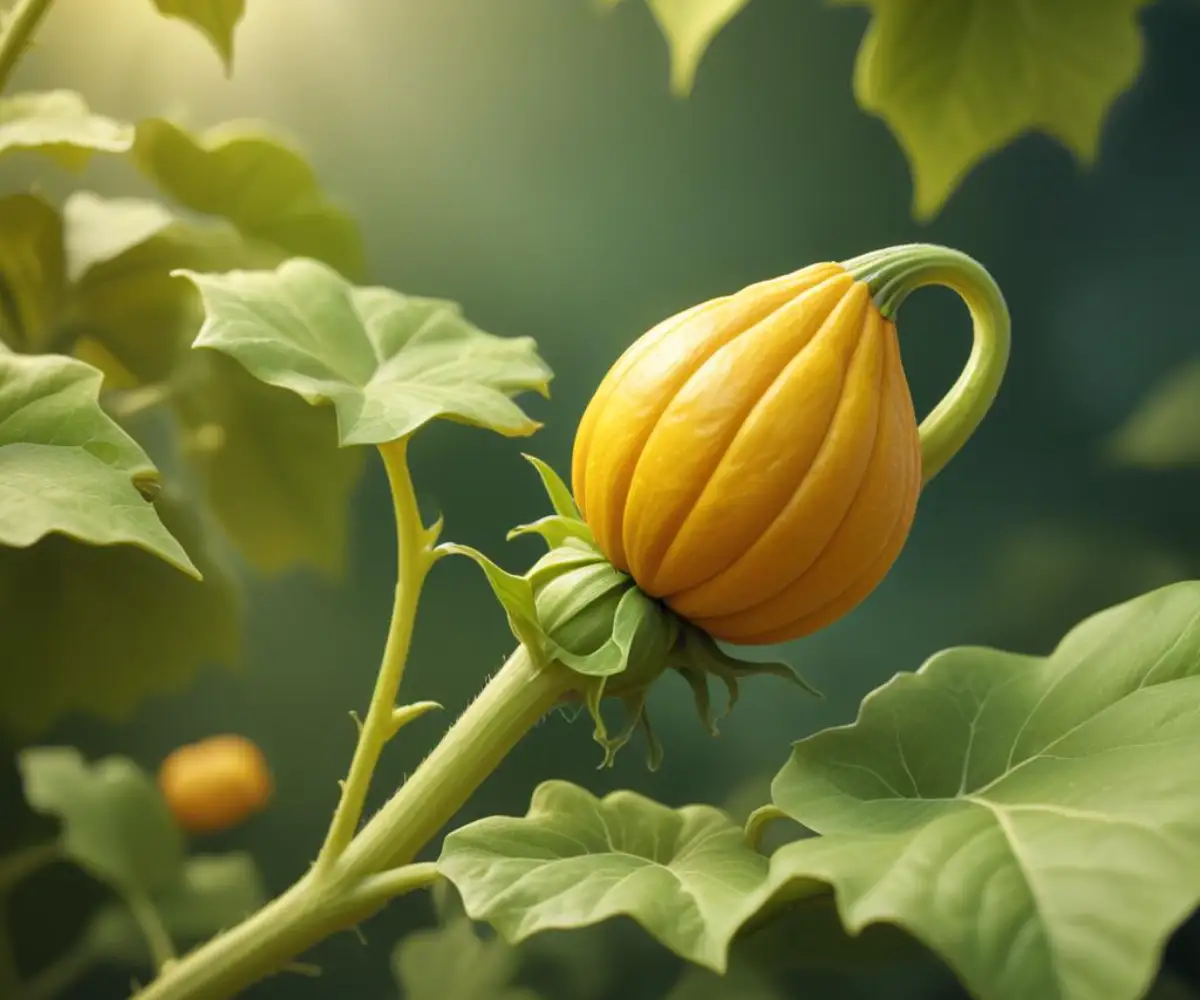
There is nothing more exciting for a gardener than seeing the first vibrant yellow pumpkin flower buds appear on a sprawling vine. It is a sign of promise, a hint of the heavy, orange globes destined for autumn porches and pies.
But then, disappointment strikes. Those promising buds turn yellow, shrivel, and fall off before ever opening. Or, the flowers bloom beautifully for a single morning and then vanish, leaving no tiny green pumpkin in their place. This frustrating cycle can make even experienced gardeners question their methods.
This guide will illuminate the hidden reasons why your pumpkin flower buds are failing. We will explore the intricate science of pumpkin reproduction, diagnose the common stressors that lead to blossom drop, and provide a clear, actionable plan to ensure those buds transform into a bountiful harvest.
You'll Learn About
First, Understand Pumpkin Flowers: A Tale of Two Blooms
The primary reason for a lack of fruit is often a simple misunderstanding of how pumpkin plants work. Your vine isn’t producing one type of flower; it’s producing two distinct types: male and female.
Recognizing the difference is the first and most critical step in troubleshooting your pumpkin patch. Success depends on the successful transfer of pollen from a male flower to a female flower.
The Abundant Male Flower
Male flowers are the first to appear on the vine, often a week or two before any females show up. They grow on long, thin stems and are responsible for producing the pollen. Their job is to attract pollinators and provide the genetic material for fertilization.
It is completely normal for the plant to produce a large number of male flowers, many of which will open, release their pollen, and then fall off within a day. Seeing these early flowers drop is not a sign of a problem; it is a natural part of the plant’s life cycle.
The Crucial Female Flower
Female flowers are the true fruit-bearers. You can easily identify them by the tiny, unfertilized fruit (called an ovary) located at the base of the flower, right where it meets the stem. This miniature green ball is what will develop into a pumpkin after successful pollination.
If you see a flower on a short stem with a little green ball at its base, you have a female flower. Her success is now entirely dependent on receiving pollen from a male flower.
The Core Problem: Why Are My Pumpkin Flower Buds Falling Off?
When buds or opened female flowers drop, the plant is sending a clear signal that something is wrong. It has made the decision that it cannot support the development of a fruit. The cause usually falls into one of four categories: pollination failure, environmental stress, nutrient imbalance, or pest pressure.
Cause 1: A Failure to Pollinate
The most common culprit behind dropping female flowers is a lack of pollination. A female flower’s bloom is incredibly brief, often opening early in the morning and closing by midday. In that short window, a bee or other insect must visit a male flower, become covered in pollen, and then visit the female flower to deposit it.
If this transfer does not happen, the tiny ovary at the base of the flower will not be fertilized. The plant recognizes this, and to conserve energy, it will abort the flower and the unfertilized fruit, which then turns yellow and falls off.
Cause 2: Overwhelming Environmental Stress
Pumpkin plants are sensitive. When they experience stress from their environment, their first survival instinct is to conserve resources by dropping flowers and buds, which are high-energy investments.
Extreme temperatures are a major factor. Consistently high heat (above 90°F or 32°C) can reduce pollen viability and cause the plant to drop flowers. Likewise, unexpected cold snaps can shock the plant into self-preservation mode. Inconsistent watering, swinging from dry soil to flooded roots, is another significant stressor that leads to blossom drop.
Cause 3: Incorrect Nutrition
The right food at the right time is critical. A common mistake is providing the pumpkin plant with too much nitrogen, especially once it begins to flower. Nitrogen encourages lush, green vine growth but does little to support flower and fruit development.
If your plant looks incredibly healthy with massive leaves but drops its flowers, you may have a nutrient imbalance. The plant is focusing all its energy on vegetative growth at the expense of reproduction. For fruit production, phosphorus and potassium are far more important.
Cause 4: Pests and Disease Pressure
A weakened plant cannot support fruit. Pests like squash bugs and vine borers attack the vine, draining the plant of vital energy and fluids. Similarly, diseases like powdery mildew cover the leaves, reducing the plant’s ability to photosynthesize and create the energy needed for fruit development.
If the plant is under a significant attack, it will sacrifice its reproductive efforts (the flowers) to try and survive. Inspecting the undersides of leaves and the base of the vine is crucial for early detection.
Your Action Plan: From Failing Buds to Flourishing Fruit
Now that you understand the potential problems, you can implement targeted solutions. Follow these steps to address the root causes of flower bud drop and guide your plant towards a successful harvest.
Step 1: Take Pollination Into Your Own Hands
Do not leave your harvest to chance. Hand pollination is the single most effective way to guarantee your female flowers are fertilized. It is a simple process that takes only a few minutes in the morning.
First, identify a newly opened male flower. Carefully peel back its petals to expose the central structure covered in yellow pollen, called the anther. You can either use a small, soft paintbrush to collect the pollen or simply snip the male flower off its stem and remove the petals entirely, using the anther itself as your pollination tool.
Next, locate a newly opened female flower. Gently brush the pollen from the male anther onto the very center of the female flower, a sticky structure called the stigma. Ensure it is well-coated. That is it! Within a day or two, you will know if it was successful as the flower will wilt, but the tiny pumpkin at its base will begin to swell and turn a deeper green.
Step 2: Perfect Your Watering and Mulching
Consistency is key. Instead of shallow, frequent watering, provide your pumpkin plants with a deep, thorough soaking at the base once or twice a week, depending on the heat and rainfall. This encourages deep root growth and makes the plant more resilient to drought.
Apply a thick layer of organic mulch, such as straw or shredded leaves, around the base of the plant. Mulch helps regulate soil temperature, conserves moisture to prevent the soil from drying out too quickly, and suppresses weeds that compete for resources.
Step 3: Adjust Your Fertilizing Strategy
Once you see the first flower buds appear, it is time to change how you feed your plant. Stop using any high-nitrogen fertilizers. Switch to a fertilizer formulated for blooming and fruiting, which will be higher in phosphorus and potassium (the last two numbers on the fertilizer label).
A liquid feed like a compost tea or a balanced tomato fertilizer applied every 2-3 weeks will provide the specific nutrients the plant needs to develop healthy flowers and, ultimately, large pumpkins. Correctly preparing your garden soil from the start is just as crucial. Think of it like applying the best primer before a skim coat; creating that perfect foundation ensures everything that follows is successful.
Step 4: Create a Welcoming Environment for Pollinators
While hand pollination is a great guarantee, encouraging natural pollinators creates a healthier garden ecosystem. Avoid using any broad-spectrum pesticides, especially in the morning when bees are most active. Plant nectar-rich flowers like borage, cosmos, and zinnias near your pumpkin patch to attract more bees.
Providing a shallow dish of water with some pebbles for the bees to land on can also make your garden a more attractive destination for these essential helpers. The more pollinators you have, the better your chances of natural success.
Step 5: Prune for Purposeful Growth
A pumpkin vine can easily become an untamed beast, spending energy on producing endless vines and leaves. Strategic pruning can redirect that energy into the existing fruit. Once your vine has set 2-3 healthy pumpkins, you can consider pruning the main vine a few feet beyond the last fruit.
You can also prune some of the secondary (or tertiary) vines that are not producing flowers. This thinning improves air circulation, which helps prevent fungal diseases like powdery mildew, and focuses the plant’s resources on sizing up the pumpkins you want to keep.
Advanced Insights: Elevating Your Pumpkin Game
For gardeners seeking to maximize their harvest, a few extra details can make a significant difference. These nuances separate a good harvest from a great one.
The Overlooked Importance of Soil pH
Pumpkins are heavy feeders and thrive in soil with a pH between 6.0 and 6.8. If your soil is too acidic or too alkaline, the plant cannot effectively absorb the nutrients it needs, even if they are present. This nutrient lockout can lead to weak growth and blossom drop.
Investing in a simple soil test kit can provide invaluable information. You can then amend your soil with lime to raise the pH or sulfur to lower it, creating the perfect foundation for nutrient uptake long before the first flower bud ever appears.
Calcium’s Role in Preventing Early Bud Drop
Most gardeners associate calcium deficiency with blossom end rot on fruits like tomatoes and squash. However, a lack of available calcium can also cause problems much earlier, contributing to weak cell development in flower buds and causing them to drop before they even have a chance to open.
Ensuring adequate calcium in your soil from the beginning is a proactive measure. Crushed eggshells tilled into the soil or a calcium-specific soil amendment can help prevent this hidden issue from sabotaging your harvest.
Troubleshooting at a Glance
Use this table to quickly diagnose the most common issues you might encounter with your pumpkin flower buds.
| Symptom You See | Most Likely Cause | Primary Solution |
|---|---|---|
| Female flowers with tiny pumpkins turn yellow and fall off. | Pollination Failure | Hand pollinate immediately when female flowers open in the morning. |
| The plant has dozens of flowers, but they all have thin stems and no tiny fruit at the base. | Plant is in its early (male flower) phase. | Be patient. Female flowers will appear soon. Ensure the plant is healthy. |
| Both male and female flower buds shrivel and drop before opening. | Environmental Stress (heat, water inconsistency) or Nutrient Imbalance | Ensure deep, consistent watering. Mulch the soil. Switch to a low-nitrogen, high-phosphorus fertilizer. |
| Leaves have a white, powdery coating and flowers are dropping. | Powdery Mildew (Fungal Disease) | Improve air circulation by pruning. Apply a fungicide or a milk-and-water spray. |
| Vines are wilting during the day and the base of the plant is mushy. | Squash Vine Borer | Inspect the base of the stem for a hole and “frass” (sawdust-like material). Proactive prevention is key in future seasons. |
A Gardener’s Bonus: Eating Pumpkin Flowers
Do not let those extra male flowers go to waste. Pumpkin blossoms are a culinary delicacy. Since the male flowers have no potential to become fruit, you can harvest them without impacting your pumpkin yield.
The best time to harvest is mid-morning after they have opened. They can be stuffed with cheese and herbs, battered and fried for a crispy treat, or chopped and added to salads and quesadillas. It is a wonderful way to get a bonus harvest from your plant while you wait for the pumpkins to grow.
Frequently Asked Questions
How long does it take for a pumpkin flower bud to open?
From the time you can first identify a tiny bud, it typically takes about 7 to 10 days for it to mature and open. The flower itself will only last for a single morning before closing forever.
Why do my pumpkin flowers open in the morning and close by the afternoon?
This is their natural, very short life cycle. The brief window is designed to coincide with the peak activity hours of their primary pollinators, like bees. This is why it is so important to check your garden in the morning for new blooms that need hand-pollinating.
Is it possible for a pumpkin plant to have too many flowers?
A plant will naturally produce far more male flowers than it needs, which is normal. The plant will also self-regulate by producing more female flowers than it can realistically support as mature pumpkins. It will naturally abort some to focus energy on the strongest, best-pollinated fruit, which is a sign of a healthy, intelligent plant.
From Bud to Bounty: Your Harvest Awaits
Witnessing your pumpkin flower buds fall can be incredibly disheartening, but it is rarely a hopeless situation. By shifting your perspective from a passive observer to an active caretaker, you can intervene and solve the very issues that hold your harvest back. Making sure your garden is accessible for these morning checks is vital. It is just as important as having functional LED lights on a snowblower for tackling essential winter chores safely.
The solution lies in understanding the plant’s needs: the distinction between male and female flowers, the critical importance of pollination, and the need to minimize stress through consistent care. Proper garden planning is also a factor. Just as you need to be aware of hidden household infrastructure, like a gas line in a wall, knowing your garden’s layout for sun and water is key.
By becoming the bee through hand pollination, providing the right balance of water and nutrients, and protecting your plant from pests, you transform the plant’s potential into a tangible, delicious reality. Embrace these techniques, and you will soon be watching those tiny green ovaries swell into the magnificent pumpkins of your autumn dreams.
