
Problems with Somerset Hardwood Floors? Your Ultimate Fix-It Guide
Somerset Hardwood Flooring is a popular choice for homeowners seeking the timeless beauty of real wood. Yet, even high-quality flooring can present challenges. Understanding these potential issues is the first step toward a lasting, beautiful floor.
From frustrating gaps to mysterious squeaks, many common flooring problems stem not from the wood itself, but from the environment and installation. This guide will explore the most frequent problems with Somerset hardwood floors and provide actionable solutions.
You'll Learn About
Decoding the Most Common Somerset Flooring Issues
Hardwood is a natural material that interacts with its environment. Most problems that arise are related to moisture, installation, or maintenance, rather than defects in the wood itself. Let’s break down the typical culprits.
Gapping and Separation Between Planks
Seeing small gaps appear between your floorboards can be alarming. This is often a seasonal issue caused by changes in indoor humidity. Wood naturally expands in humid summer months and contracts during dry winter months.
While some seasonal gapping is normal, excessive or permanent gaps can point to other issues. Improper acclimation of the wood before installation is a primary cause. The flooring must adjust to the home’s normal temperature and humidity before being laid.
Scratches, Dents, and Finish Wear
Somerset floors come with a durable aluminum oxide finish designed to resist everyday wear. However, no wood floor is entirely immune to scratches and dents. Heavy furniture, pet claws, and grit tracked in on shoes are common sources of damage.
Some users have noted that certain Somerset finishes can seem softer than expected, showing marks more easily. Choosing the right wood species (like Hickory over Red Oak) can offer more natural hardness and dent resistance.
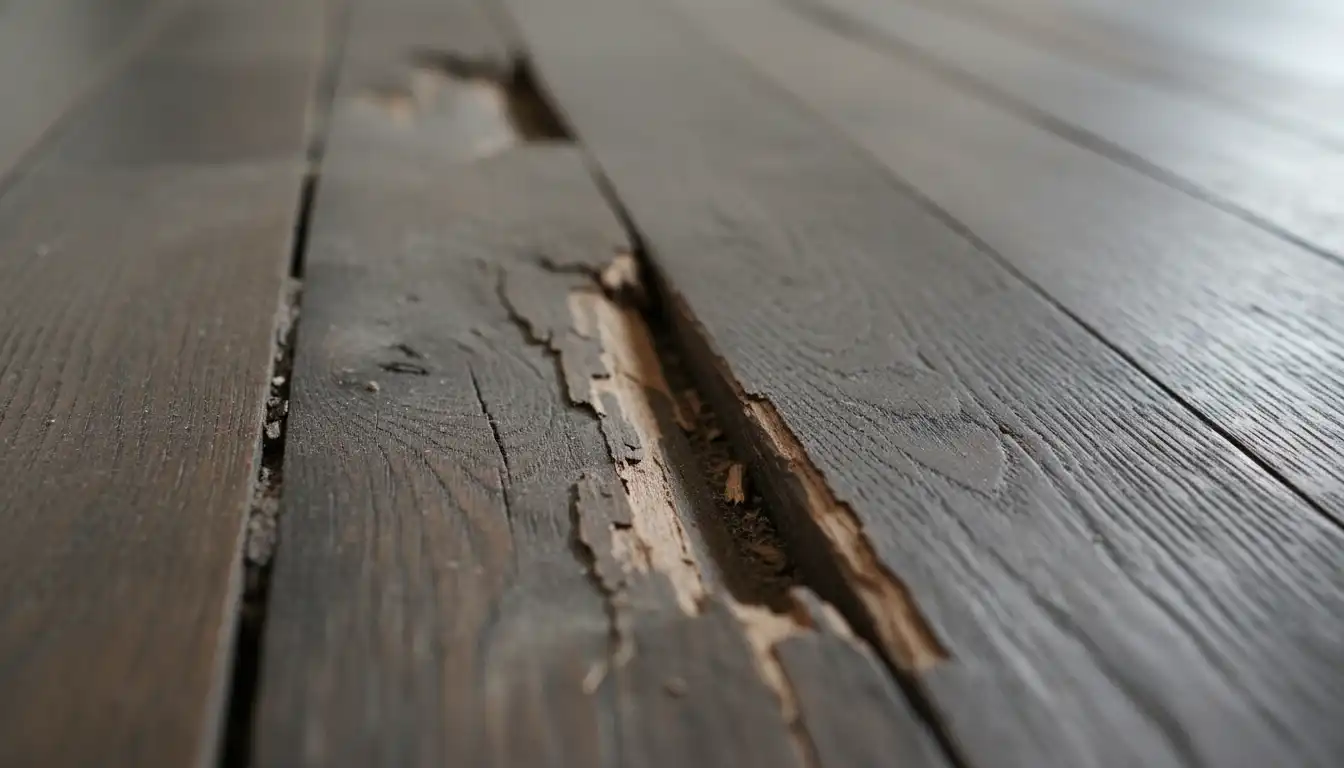
Warping, Cupping, and Buckling
These issues are almost always caused by moisture problems. Cupping occurs when the edges of a board are higher than its center, typically due to moisture coming from underneath, like a damp basement or crawlspace.
Crowning is the opposite, where the center of the board is raised. Buckling is the most extreme reaction, where the flooring lifts completely off the subfloor. These are serious signs of a significant water issue that must be addressed immediately.
Squeaking and Creaking Noises
Annoying squeaks are often related to movement. This can be the floorboards rubbing against each other, or the flooring moving against the subfloor. The root cause is frequently an uneven or poorly secured subfloor.
Seasonal humidity changes can also cause temporary squeaks as the wood contracts and creates small spaces. In other cases, the issue might be related to the floor joists beneath the subfloor.
The Unseen Enemy: Your Home’s Environment and Subfloor
Many homeowners focus on the hardwood itself, but the real key to a long-lasting floor lies beneath the surface and in the air around it. The subfloor and your home’s climate are the foundation of a successful installation.
The Critical Role of a Prepared Subfloor
A successful hardwood floor installation begins with the subfloor. A subfloor must be clean, dry, flat, and structurally sound. Any imperfections in the subfloor will eventually translate into problems with the finished floor.
Professionals check for flatness, ensuring there are no high spots to sand down or low spots to fill with leveling compound. They also secure any loose panels to prevent movement and squeaks later on. Taking these preparatory steps is non-negotiable for a quality result.
Humidity: The Silent Floor Killer
Wood is hygroscopic, meaning it absorbs and releases moisture from the air. Maintaining a stable indoor relative humidity (RH) between 30% and 50% is crucial for hardwood floors. Fluctuations outside this range will cause the wood to swell or shrink, leading to gapping, cupping, or buckling.
Modern homes, which are often tightly sealed for energy efficiency, can trap moisture. It is vital to have your HVAC system running and maintaining a consistent climate before, during, and after installation. This is far more important than a specific acclimation timeline.
The Myth of Acclimation Timelines
Many people believe hardwood needs to acclimate for a set number of days. However, time is not the most important factor. True acclimation means the wood has reached equilibrium with the home’s normal living conditions.
This is achieved by measuring the moisture content of both the wood flooring and the subfloor. A professional installer ensures these readings are within an acceptable range before proceeding, which is the only way to prevent many moisture-related problems.
Actionable Solutions for a Flawless Floor
Encountering a problem doesn’t mean your floor is ruined. With the right approach, most issues can be effectively managed or repaired. The key is to correctly identify the cause before attempting a solution.
Fixing Gaps and Separations
For minor seasonal gaps, the best solution is often patience and humidity control. Using a humidifier in winter can help the wood expand back to its normal size. For persistent gaps, a color-matched wood filler can be used for a cosmetic fix.
If gapping is severe and widespread, it may indicate a larger issue with the installation or home environment. In these cases, consulting a certified flooring inspector can provide a definitive cause and path to resolution.
Repairing Scratches and Dents
Minor surface scratches can often be concealed using a touch-up kit from Somerset, designed to match your floor’s color and finish. For deeper gouges or dents, a wood filler crayon or putty can be used.
For widespread wear and tear, refinishing the floor is an option for solid hardwood and some engineered products with a thick wear layer. This process involves sanding down the entire surface and applying a new finish, which should be done by a professional.
Correcting Warping and Cupping
The first and most critical step is to identify and eliminate the source of moisture. This could be a plumbing leak, a damp crawlspace, or even an appliance malfunction. Answering questions like can you plug a dishwasher into an extension cord highlights the importance of proper appliance setup to prevent such issues.
Once the moisture is controlled, the wood may settle back down on its own over time. If it doesn’t, methods like using weights or, in severe cases, replacing the affected boards may be necessary.
Silencing Squeaks and Creaks
If you have access to the floor from below (e.g., from an unfinished basement), you can often fix squeaks by shimming gaps between the subfloor and joists. Applying construction adhesive in these gaps can also provide a solid, long-term fix.
From above, one solution is to inject a small amount of powdered graphite or talcum powder into the seams between noisy boards to reduce friction. For a more permanent fix, specialized kits are available that allow you to drive a small screw through the floor into the subfloor to stop movement.
Problem-Solving at a Glance
Navigating hardwood flooring issues can be complex. This table provides a quick reference to common problems, their likely causes, and the best course of action to take.
| Problem | Primary Cause(s) | Recommended Solution(s) |
|---|---|---|
| Gapping/Separation | Low humidity; improper acclimation | Control humidity with a humidifier; use wood filler for cosmetic fixes. |
| Scratches/Dents | High-traffic wear; heavy impacts; pet claws | Use manufacturer touch-up kits; apply felt pads to furniture; consider professional refinishing. |
| Cupping/Warping | High humidity; moisture from subfloor | Identify and eliminate moisture source; use a dehumidifier; may require board replacement. |
| Buckling | Extreme moisture event (e.g., flood, major leak) | Address water source immediately; often requires professional repair and replacement. |
| Squeaking | Uneven subfloor; movement between boards or joists | Shim gaps from below; use graphite powder; secure floor with specialized screws. |
| Finish Peeling/Checking | Manufacturing defect; harsh cleaning chemicals | Contact retailer/manufacturer; may require professional refinishing if not covered by warranty. |
Proactive Care: Your Best Defense
The best way to deal with hardwood flooring problems is to prevent them from happening in the first place. A consistent maintenance routine and a stable home environment are essential.
The Right Cleaning Routine
Never use water, oil soap, or steam mops on your hardwood floors. These can damage the finish and the wood itself. Stick to a cleaning routine of regular sweeping or vacuuming with a soft-bristle head.
For deeper cleaning, use a pH-neutral cleaner specifically designed for hardwood floors, like Somerset’s Ultimate Wood Floor Cleaner. Lightly mist the cleaner onto a microfiber mop, not directly onto the floor.
Mastering Your Home’s Climate
Invest in a hygrometer to monitor your home’s relative humidity levels. Use a humidifier during dry winter months and a dehumidifier or air conditioning during humid summer months to keep the RH within the ideal 30-50% range.
Properly managing airflow throughout the home, including areas like the basement, is part of a complete climate strategy. Even simple elements like a cat door to the basement can influence air exchange and humidity, demonstrating how interconnected a home’s environment is.
Strategic Protection Measures
Place doormats at all entrances to trap dirt and grit before they can scratch your floors. Use area rugs in high-traffic zones and in front of sinks or stoves to protect against spills and wear.
Apply felt protector pads to the bottom of all furniture legs. This is one of the easiest and most effective ways to prevent scratches and dents. When undertaking other home improvement projects, choosing the right products is always key, just as one carefully considers options like Behr Pro i100 vs i300 for painting walls to ensure a durable finish.
Is Somerset Hardwood Flooring a Good Investment?
Despite the potential for problems, which exist with any hardwood floor brand, Somerset is generally regarded as a high-quality, American-made product. Most issues are not due to manufacturing defects but are related to site conditions and installation.
By understanding the critical role of subfloor preparation and climate control, and by committing to a proper maintenance routine, you can ensure your Somerset hardwood floors remain a beautiful and valuable part of your home for a lifetime.
