
Presto Mason Jar Dating: Unlock Your Jar’s Hidden History!
You found a beautiful old glass jar at a thrift store or in your grandmother’s attic. The embossed logo on the side clearly says “Presto,” but a quick search leaves you with more questions than answers. It doesn’t have the familiar markings of Ball or Kerr jars, making its age a complete mystery.
This is a common frustration for collectors and home decorators alike. Without knowing a jar’s history, you can’t appreciate its story or determine its value. You are left wondering if you have a common piece from the 1970s or a rare find from the early 20th century.
You'll Learn About
Why Dating Presto Jars Is Such a Puzzle
Unlike other mason jar brands with well-documented histories, the “Presto” nameplate is surprisingly complex. The brand was not owned by a single, continuous company. This shared branding across different manufacturers is the primary reason dating these jars is so challenging.
Understanding the manufacturing timeline requires piecing together clues from the logo, glass markings, and the company that actually produced the jar. It’s a detective story written in glass.
The “Presto” Name and Its Many Faces
The most prolific user of the Presto brand for canning jars was the Cupples Company of St. Louis, Missouri. They were a massive woodenware and household goods supplier that contracted glass manufacturers to produce jars for them. Later, other companies like Owens-Illinois Glass Company also produced jars bearing the Presto mark.
Because different companies made these jars over many decades, there is no single, simple dating key. You must first identify the true manufacturer before you can accurately pinpoint the jar’s age.
Reading the Subtle Clues in the Glass
Beyond the logo itself, the physical characteristics of the jar offer important hints. Early 20th-century jars often have a slight aqua or blue tint due to impurities in the glass. The presence and position of seams can also indicate the manufacturing method, distinguishing older jars from more modern, machine-made ones.
Look closely at the base of the jar for numbers and symbols. These are not random marks; they are mold codes, factory identifiers, and sometimes, date codes that are critical to solving the puzzle.
Your Step-by-Step Guide to Dating Presto Mason Jars
With a systematic approach, you can confidently identify and date your Presto mason jar. Follow these steps to decode the markings and uncover its history. This process transforms a simple glass jar into a tangible piece of the past.
Step 1: Examine the Presto Logo Style
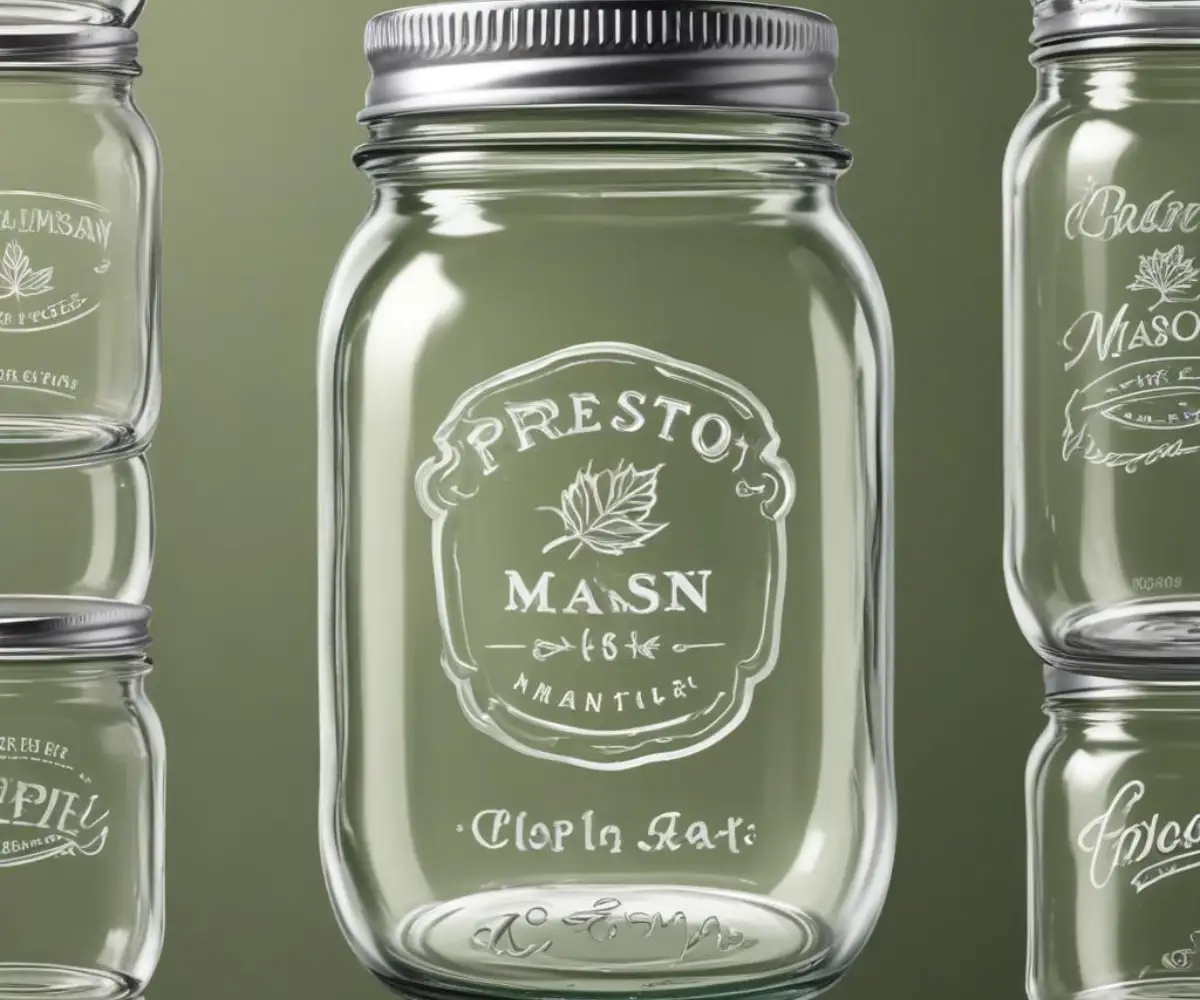
The design of the Presto logo is your first and most important clue. The font and style changed over the years, and specific designs are associated with different manufacturing periods. The most recognizable logo features the word “Presto” written in a flowing, slanted script, often enclosed within a ring or accompanied by other markings.
For example, jars made for the Cupples Company often feature a very specific and elegant script. Document the exact style of the logo on your jar before moving to the next step. Note whether it’s written in a straight line, an arc, or a more elaborate script.
Step 2: Find the Manufacturer’s Mark
This is the most critical step. Since Presto wasn’t the manufacturer, you need to find the mark of the company that actually made the jar. This mark is almost always located on the base of the jar.
Look for a symbol like a “C” inside a triangle, which was the maker’s mark for the Cupples Company. You might also find the iconic “Diamond O I” mark, indicating the jar was made by the Owens-Illinois Glass Company, likely after 1930. Other manufacturers had their own unique marks.
Step 3: Decode the Numbers on the Jar
Once you’ve identified the manufacturer, you can begin to make sense of the numbers on the jar’s base. These numbers typically represent the mold number and, in some cases, a date code. The arrangement and meaning of these numbers vary by manufacturer.
For Owens-Illinois jars, you will often see a one or two-digit number to the right of the logo. This is typically the date code for the year of manufacture. For example, a “7” could mean 1937, 1947, or 1957. You must use other clues, like the logo style and jar characteristics, to determine the correct decade.
Presto Jar Identification Quick Guide
Use this table as a quick reference to combine your findings from the steps above. Matching the logo style, manufacturer’s mark, and any visible numbers will give you the most accurate age range for your jar.
| Manufacturer Mark | Typical Logo Style | Common Date Range | Key Identifying Features |
|---|---|---|---|
| “C” in a Triangle | Script “Presto” | c. 1910s – 1930s | Mark for Cupples Company. Often has a mold number on the base. |
| Diamond O I | Block or Script “Presto” | c. 1930s – 1960s | Mark for Owens-Illinois. Look for a single or double-digit date code to the right of the mark. |
| H over A | Script “Presto” | c. 1920s – 1940s | Mark for Hazel-Atlas Glass Company. Date codes are less common on these. |
| None / Numbers Only | Varies | Often post-1960s | May be harder to date precisely. Focus on mold numbers and base wear. |
Beyond the Date: Understanding Your Jar’s Value and Use
Dating your jar is just the beginning of its story. Now you can explore its potential value and find creative ways to incorporate this piece of history into your home and garden. Its age and story make it much more than just a simple container.
Embracing vintage items can be a rewarding part of a larger home renovation or aesthetic. For instance, after a major project like handling old insulation, such as during a balsam wool insulation removal, decorating with authentic vintage pieces can bring character back into a modernized space.
Is Your Presto Jar Rare?
The value of a Presto jar depends on several factors. Age, color, and condition are paramount. Earlier jars from the Cupples era are generally more sought-after than later, mass-produced jars. Unusual glass colors like amber, green, or cobalt blue are significantly rarer and more valuable than standard clear or aqua glass.
A jar in mint condition with its original glass lid and metal bail closure will always be worth more than a damaged jar. Check for chips on the rim and cracks in the body, as these greatly impact value.
Modern Uses for Vintage Presto Jars
These beautiful old jars are perfect for more than just collecting. In the home, use them as stylish storage containers for dry goods like pasta, rice, or coffee beans in your pantry. Their vintage look adds a touch of rustic charm that modern containers can’t replicate.
In the garden, they can be used as beautiful rustic vases for freshly cut flowers or as charming luminaries with a candle inside. For a creative touch, you can even turn a larger jar into a small terrarium for succulents or herbs.
Common Presto Jar Myths and Misconceptions
One common myth is that all Presto jars were made for pressure canning. While the Presto brand is now famously associated with pressure canners, the vintage jars were general-purpose canning jars made for the hot water bath method. Do not use vintage Presto jars for modern pressure canning.
Another misconception is that the number on the bottom is always the year it was made. More often than not, this is a mold cavity number used for quality control at the factory. Only specific manufacturers, like Owens-Illinois, used clear date codes.
Preserving Your Piece of History
Once you’ve identified your jar, it’s important to care for it properly to maintain its condition and value. Proper cleaning and storage will ensure it lasts for generations to come, whether you use it for display or decor.
Cleaning and Care for Vintage Glass
To clean your jar, avoid the dishwasher at all costs. The high heat and harsh detergents can permanently etch the glass, creating a cloudy film known as “sick glass.” Instead, wash it by hand with warm, soapy water and a soft cloth.
For stubborn residue, you can use a mixture of vinegar and water or a gentle, non-abrasive cleaner. Always handle the jar carefully, especially around the rim and threads, which are most susceptible to chipping. When setting up a special display area, perhaps in a workshop or shed, ensuring you have good lighting can make all the difference. Considering the cost to run power to a shed can be a worthwhile investment for showcasing your collection.
Choosing Between Function and Style
When decorating, you might face choices that pit modern function against classic style. This is a common theme in home improvement, similar to when homeowners weigh the benefits of different materials, such as when comparing Dixie Home carpet vs. Shaw. With your Presto jar, decide if its primary role will be functional storage or purely decorative, and that will guide how you use and display it.
Ultimately, knowing the history of your Presto mason jar transforms it from a simple object into a conversation piece. By following these steps, you can uncover the story behind the glass and give your vintage find a new purpose in your home. It’s a fascinating link to the past that you can hold in your hands.
