
Presto Air Vent Lock Not Working? Here’s Your Ultimate Fix
There’s nothing more frustrating than preparing for a session of pressure cooking or canning, only to find your Presto air vent/cover lock is not working. This small but crucial component is the key to building pressure safely. When it fails, your appliance is effectively rendered useless, halting your kitchen workflow in its tracks.
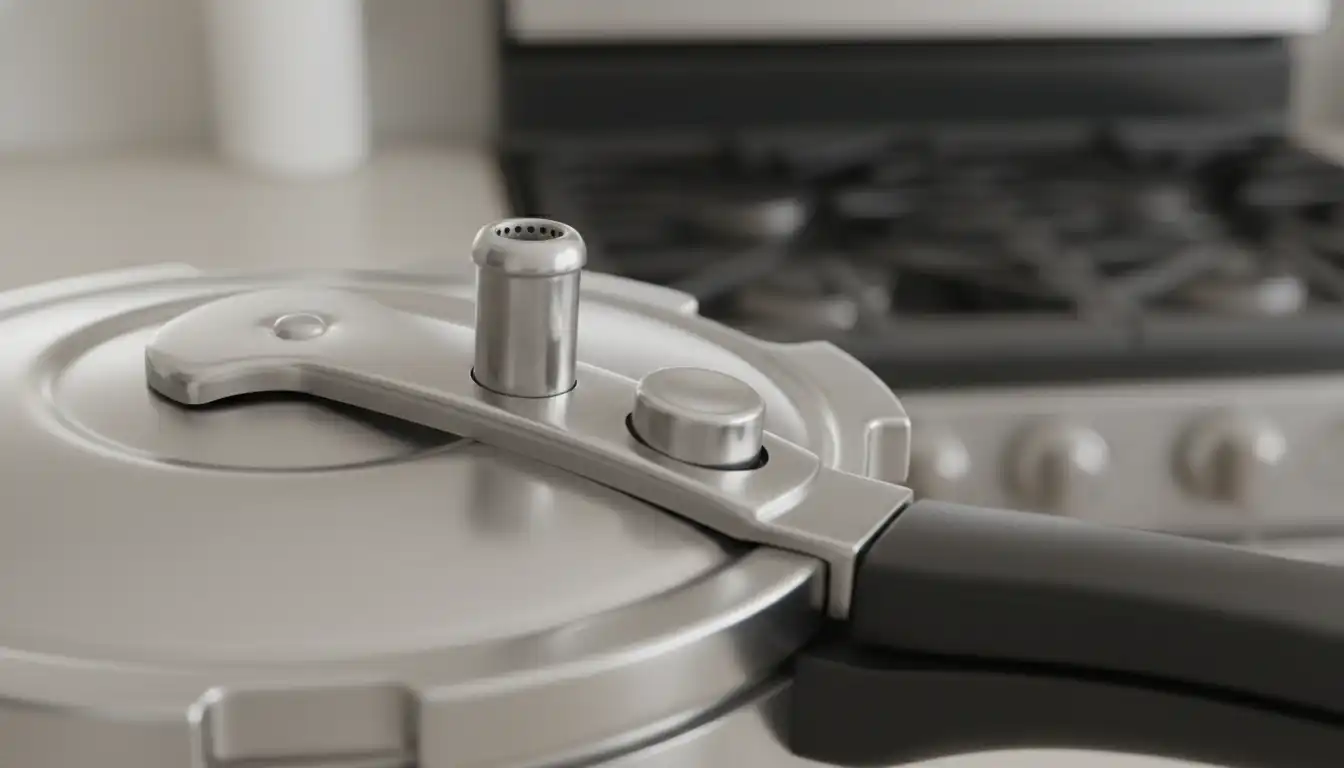
The air vent/cover lock is a safety feature designed to prevent the lid from being opened while the cooker is pressurized. It’s a simple mechanism: as steam builds, it pushes up a small pin, which locks the lid in place. Understanding why this part fails is the first step toward a quick and effective solution.
You'll Learn About
Why Your Presto Air Vent/Cover Lock Is Failing: The Root Causes
When your Presto pressure cooker fails to build pressure or the cover lock misbehaves, it’s typically due to a handful of common culprits. Identifying the specific cause is essential for an accurate and lasting repair. A malfunctioning lock isn’t just an inconvenience; it’s a critical safety issue that demands immediate attention.
The Obvious Culprit: Food Debris and Blockages
The most frequent reason for an air vent/cover lock to fail is a simple blockage. Tiny particles of food, grease, or mineral deposits can easily become lodged in the vent pipe or around the lock’s small components. This prevents the pin from rising freely or creating a proper seal, allowing steam to escape and preventing the unit from pressurizing.
Regular, thorough cleaning is non-negotiable for a pressure cooker. Even small amounts of residue can compromise the function of these precise safety mechanisms over time, leading to performance issues.
Wear and Tear: The Aging Sealing Ring and Gasket
The rubber sealing ring in the lid and the small gasket associated with the air vent/cover lock are vital for an airtight seal. Over time, these parts naturally degrade. They can become hard, brittle, cracked, or stretched out, which prevents the lid from sealing correctly and allows steam to leak.
If steam is escaping from around the lid’s edge or the air vent itself, a worn-out gasket is a likely suspect. These parts are consumable and require periodic replacement, typically every one to two years depending on use.
The Pressure Problem: Insufficient Steam Buildup
Sometimes the issue isn’t the lock itself, but a failure to generate enough steam to activate it. This can happen for several reasons. The most common is not adding enough liquid to the cooker, as a minimum amount of water or thin liquid is required to produce the necessary steam.
Additionally, having the heat source set too low can prevent the liquid from boiling vigorously enough to build pressure rapidly. It’s a delicate balance; too much heat can be problematic, but too little will prevent the cooker from reaching operational pressure.
Damage and Deformation: A Closer Look at the Components
Physical damage can also be the source of your problems. Dropping the lid can bend the rim or damage the air vent mechanism. Likewise, nicks or dents on the rim of the cooker body can prevent a proper seal with the lid, allowing steam to escape and stopping the lock from engaging.
Carefully inspect both the lid and the pot for any signs of warping or damage. Even minor imperfections can be enough to disrupt the pressurization process and require professional repair or part replacement.
A Less-Known Cause: Mineral Buildup and Hard Water
For those living in areas with hard water, mineral deposits (limescale) can be a hidden enemy of your pressure cooker. These deposits can accumulate within the narrow passages of the air vent and vent pipe, creating a stubborn blockage that is difficult to see.
This buildup restricts steam flow and can cause the air vent/cover lock to stick or fail to rise. Regularly descaling your pressure cooker, even if you don’t notice visible deposits, can prevent this insidious issue from developing and ensure smooth operation.
Step-by-Step Guide to Fixing Your Presto Cooker Lock
Troubleshooting a faulty air vent or cover lock is often a straightforward process. By following a logical sequence of checks and cleaning procedures, you can resolve the most common issues without needing professional help. Safety should always be your top priority during this process.
Initial Safety Checks: Before You Begin
Ensure the cooker is completely depressurized and cool before attempting any inspection or repair. Never try to force open a lid that is stuck. The air vent/cover lock is specifically designed to prevent this; if it hasn’t dropped, there is still pressure inside. Always allow the unit to cool naturally until the lock disengages on its own.
Gather your tools, which may include a small brush, a paperclip or pipe cleaner, and perhaps a screwdriver depending on your Presto model. Having everything ready will make the process smoother and safer.
Deep Cleaning the Air Vent and Cover Lock
Start with the most likely solution: a thorough cleaning. Remove the sealing ring from the lid. For the air vent/cover lock, some models allow you to unscrew the mechanism for a deeper clean. Check your user manual for specific instructions.
Use a small brush and hot, soapy water to scrub the components. To clear the vent pipe, hold the lid up to a light source to look through it. If it’s blocked, use a thin piece of wire or a pipe cleaner to gently dislodge any debris.
Inspecting and Replacing the Sealing Ring
Carefully examine the sealing ring for any signs of damage, such as cracks, nicks, or a loss of flexibility. An old, hardened gasket will not provide a proper seal. If it appears worn or is more than a couple of years old, it’s best to replace it.
When installing a new sealing ring, ensure it is seated correctly and evenly in the groove of the lid. An improperly seated ring is a common cause of sealing failure. It may feel slightly oversized, but it’s designed to be worked into the channel for a snug fit.
Troubleshooting Steam Leaks
If you notice steam leaking from anywhere other than the pressure regulator, you have a sealing problem. If it’s coming from the air vent, the small gasket on the lock mechanism is likely faulty or the unit is loose. Some models have a nut on the inside of the lid that can be tightened to secure the air vent assembly.
A leak from around the rim of the lid points to an issue with the main sealing ring or a warped/damaged cooker rim. Consistent home maintenance can prevent many appliance issues, much like finding the right steep driveway solutions for a car scrapes problem can prevent vehicle damage.
Addressing a Stuck or Jammed Cover Lock
If the cover lock is physically stuck in the up or down position, it’s likely due to debris or mineral buildup. After ensuring the cooker is cool and depressurized, try wiggling the lock gently. If it doesn’t move, a deeper clean is necessary.
Disassembling the lock according to the manufacturer’s instructions and soaking the components in a vinegar solution can help dissolve stubborn mineral deposits that may be causing it to jam.
Advanced Troubleshooting: When Basic Fixes Aren’t Enough
Sometimes, a simple cleaning isn’t sufficient to resolve the problem. More persistent issues may require a closer look at the cooker’s components and an understanding of less common failure modes. These advanced steps can help you diagnose and fix those trickier situations.
The “Wiggle” Technique for a Stubborn Lock
If the air vent seems hesitant to pop up even when a steady stream of steam is present, it might just need a little encouragement. This can happen if the mechanism is slightly sticky. A gentle tap on the lid near the air vent can sometimes be enough to nudge it into the locked position.
This is a temporary fix and indicates that the air vent assembly needs a thorough cleaning or that its gasket is beginning to wear out. It’s a useful trick to get through a cooking session, but be sure to address the underlying cause afterward.
Checking for Lid and Pot Rim Warping
Place the lid on a flat surface to check for any wobbling, which would indicate warping. Similarly, run your finger along the top rim of the pressure cooker body to feel for any nicks, dents, or uneven areas. Damage to these sealing surfaces is a serious problem.
A warped lid or damaged pot rim can make it impossible to achieve a proper seal, regardless of the condition of the gasket. This type of damage often requires replacement of the affected part.
| Symptom | Possible Cause | Solution |
|---|---|---|
| Air vent/cover lock not rising | Debris in vent pipe; insufficient liquid; worn sealing ring | Clean vent pipe; ensure minimum liquid level; inspect/replace sealing ring |
| Steam leaking from air vent | Worn air vent gasket; loose air vent assembly | Replace air vent gasket; tighten the nut on the underside of the lid |
| Steam leaking from around lid | Damaged or improperly seated main sealing ring; warped lid/pot | Replace or reseat the sealing ring; inspect lid and pot for damage |
| Lid is stuck/won’t open after cooling | Vacuum seal created; air vent lock is stuck | Gently pry open pressure regulator; ensure air vent has fully dropped |
| Cover lock pops out completely | The two-part assembly has become unscrewed | Allow cooker to cool, find both parts, and screw them back together firmly |
Understanding the Role of the Overpressure Plug
The overpressure plug is another critical safety feature, usually a small rubber plug that will pop out to release steam if the pressure becomes dangerously high. While not directly part of the cover lock mechanism, a damaged or leaking overpressure plug can prevent the cooker from reaching the pressure needed to engage the lock.
Inspect this plug for any signs of cracking or deterioration. It’s often recommended to replace the overpressure plug at the same time you replace the main sealing ring to ensure all safety components are in good condition.
Preventative Maintenance: Keep Your Presto Working Flawlessly
The best way to fix a problem is to prevent it from happening in the first place. A consistent maintenance routine will not only extend the life of your Presto pressure cooker but also ensure it operates safely and efficiently every time you use it.
The Post-Cooking Cleaning Ritual
Never put the lid away dirty. After each use, once the cooker is cool, remove the sealing ring and wash the lid, ring, and pot in hot, soapy water. Pay special attention to the nooks and crannies around the air vent and pressure regulator. Use a small brush to ensure all food residue is removed.
Making smart consumer choices extends to all areas of the home, from kitchen appliances to window treatments. Just as you’d research the best pressure cooker, you might compare options like Blinds to Go vs Hunter Douglas to make an informed decision for your home’s decor.
Proper Storage Habits to Extend Component Life
Store your pressure cooker with the lid inverted on top of the pot, rather than locked in place. This allows air to circulate and prevents the sealing ring from being compressed unnecessarily, which can shorten its lifespan. It also prevents musty odors from developing inside the cooker.
Keep the cooker in a dry place away from extreme temperatures. Storing it properly protects the metal from pitting and the rubber components from degrading prematurely.
Annual Inspection Checklist
At least once a year, perform a more detailed inspection. Check all handles and knobs to ensure they are tight. Carefully examine the sealing ring, overpressure plug, and air vent gasket for any signs of wear. Hold the lid to the light and ensure the vent pipe is completely clear.
This annual check-up helps you catch potential problems before they lead to a failure during cooking. Trusting in quality brands and performing regular maintenance is key, a principle that applies whether you’re buying a kitchen appliance or avoiding a potential Solar City scam by doing thorough research.
When to Call It Quits: Knowing When to Replace Parts vs. the Cooker
While most issues with a Presto pressure cooker can be solved with a good cleaning or by replacing a simple part, there are times when a more significant investment is needed, or when the entire unit should be retired for safety reasons.
Identifying Irreparable Damage
Deep nicks, dents, or gouges on the rim of the pot or the edge of the lid cannot be repaired and will prevent a safe seal. A warped lid or a pot that is no longer perfectly round also constitutes irreparable damage. If any of these conditions are present, the pressure cooker should no longer be used.
Similarly, if the handles are cracked or broken in a way that makes handling the heavy, hot pot unsafe, it may be time to consider a replacement for the entire unit.
Sourcing Genuine Presto Replacement Parts
Always use genuine Presto replacement parts for your cooker. Sealing rings, gaskets, and overpressure plugs are designed for specific models. Using an incorrect or off-brand part can compromise the safety and performance of your pressure cooker, leading to dangerous failures.
You can order parts directly from the manufacturer’s website or authorized retailers. Ensure you have your pressure cooker’s model number handy to guarantee you purchase the correct components for a perfect fit and safe operation.
Final Words
A malfunctioning air vent lock is usually caused by a hardened gasket or food debris. By performing a deep clean and ensuring the vent is properly seated, you can restore the pressure cooker’s safety and performance. Regular maintenance is the key to preventing future failures.
If the lock remains stuck or the rubber appears cracked, prioritize your safety and replace the part immediately. Genuine Presto replacement kits are affordable and easy to install, ensuring your kitchen remains a safe environment for every meal.
