
Pottery Barn Curtain Rods Review: Worth the Price or Overhyped?
Choosing the right window hardware is one of the most impactful decisions in home decor. It’s the finishing touch that frames your view of the world, and Pottery Barn, with its reputation for timeless, quality aesthetics, is often a top consideration. But this reputation comes with a significant price tag, leaving many homeowners asking the same critical question: are Pottery Barn curtain rods genuinely worth the investment, or are you just paying for the name?
This decision is about more than just metal and finishes; it’s about value, durability, and the long-term satisfaction of your purchase. This comprehensive review will dissect every aspect of Pottery Barn’s curtain rods, from material quality and installation headaches to long-term performance. We will provide the clarity needed to decide if this premium product is the right choice for your home and budget.
You'll Learn About
Deconstructing the Pottery Barn Promise: What You’re Paying For
The allure of Pottery Barn lies in its curated vision of a comfortable, elegant home. Their curtain rods are designed to be a seamless part of this vision, promising superior materials and flawless design. Understanding the specific components of this promise is the first step in evaluating their true worth.
From the weight of the metal to the luster of the finish, every detail is marketed as a step above the mass-market alternatives. But to make an informed decision, one must look past the catalog photos and scrutinize the tangible qualities of the hardware itself. Let’s break down what truly constitutes a Pottery Barn curtain rod.
A Deep Dive into Materials and Construction
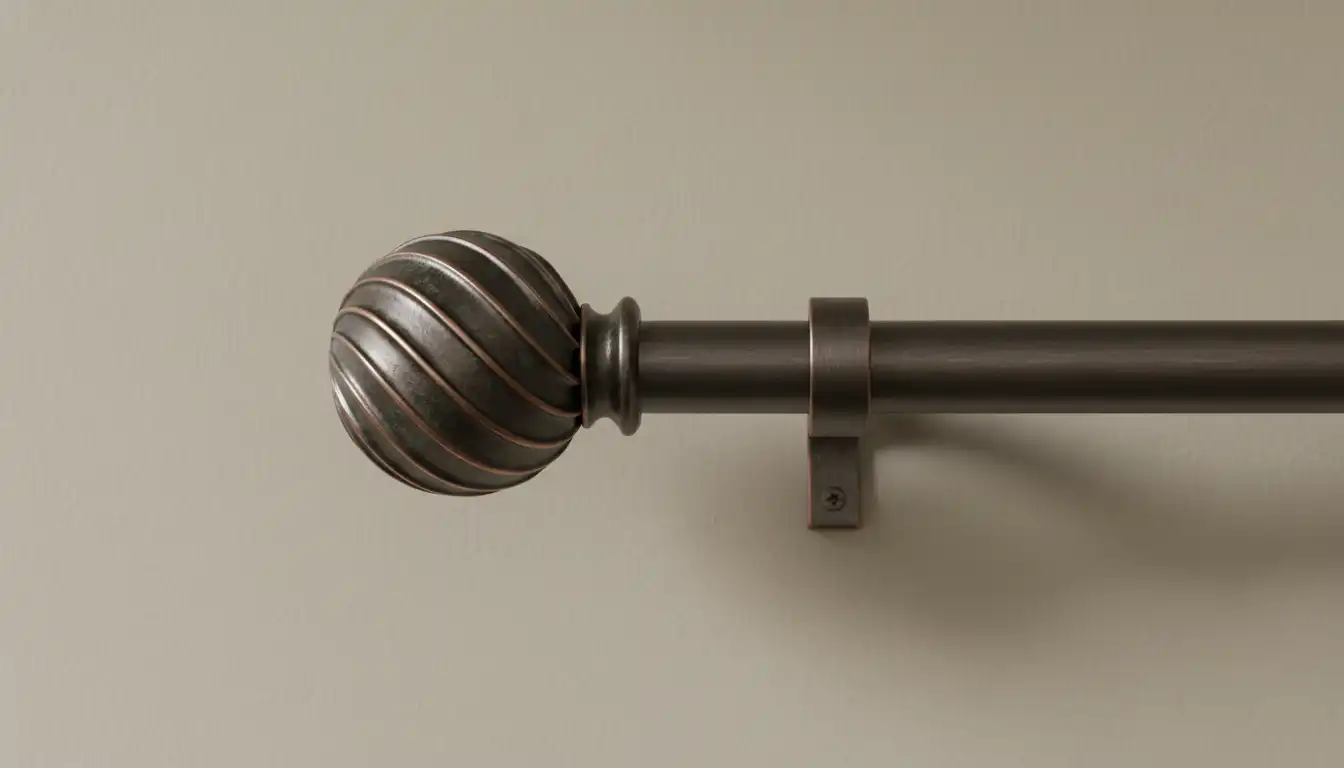
Pottery Barn typically constructs its curtain rods from materials like steel, iron, and cast zinc, chosen for their strength and durability. Steel rods offer a sleek, modern look and excellent corrosion resistance, making them a versatile choice for many decor styles. Cast iron provides a more rustic, substantial feel, often favored for its heft and traditional aesthetic.
The construction is a key differentiator. Many premium rods are crafted for robustness, often featuring thicker walls than their budget counterparts. This is crucial for preventing the sagging and bowing that can occur with cheaper, hollow rods, especially over wider window spans. The brackets are also a point of focus, frequently forged or cast for maximum strength to support heavy drapery without fail.
When comparing these to less expensive options, the difference is often tactile. A premium rod feels solid and substantial in your hands. This isn’t just about luxury; it’s a direct indicator of the hardware’s ability to perform its function reliably for years to come.
The Finish and Aesthetic Factor
A significant part of the Pottery Barn appeal is the sophisticated range of available finishes. Options like antique bronze, polished nickel, and matte black are designed to coordinate with a wide array of interior palettes. The quality of these finishes is paramount, as this is the part of the rod you interact with daily.
High-quality finishing processes, such as electroplating or powder coating, result in a more durable and consistent surface. This reduces the likelihood of scratching from curtain rings or chipping over time. In contrast, budget rods may use a thinner, painted-on finish that is more susceptible to wear and tear, quickly diminishing the overall look of your window treatments.
Finials, the decorative end caps, are another area where design focus is evident. From simple, modern end caps to ornate, detailed designs, these elements allow for personalization. The craftsmanship of these finials—the crispness of the lines, the quality of the materials—contributes significantly to the high-end aesthetic that justifies the premium price point for many buyers.
The Real-World Test: Performance, Durability, and Installation
A product’s true value is only revealed through its real-world performance. A beautiful curtain rod that is difficult to install or fails to support your curtains is a poor investment, regardless of its price. This section moves beyond the showroom and into the home, examining the practical aspects of living with Pottery Barn hardware.
We will address the most common concerns voiced by users: the ease (or difficulty) of installation, the rod’s ability to hold weight without sagging, and its resilience to the daily rigors of opening and closing curtains. These functional attributes are the ultimate test of whether the product lives up to its premium branding.
The Installation Experience: DIY Dream or Nightmare?
One of the most frequently discussed topics among users is the installation process. Pottery Barn provides hardware, including screws and plastic wall anchors, but their adequacy is a common point of contention. For standard drywall installation into a wall stud, the provided screws are generally sufficient. However, for many homeowners, bracket placement won’t align perfectly with studs.
In these cases, the included plastic anchors may not be robust enough for heavy curtains, leading to sagging or failure over time. It is highly recommended to purchase higher-quality toggle bolts or screw-in drywall anchors to ensure a secure, long-lasting installation. Tackling a DIY installation requires attention to detail and safety, much like any home project, whether you’re mounting hardware or learning about a Snow Joe safety key bypass for your outdoor equipment.
The instructions are typically clear, guiding users to mount brackets about four to six inches above and to the side of the window frame. Using a level and measuring tape is non-negotiable for a professional-looking result. While the process is straightforward for a seasoned DIYer, novices may find the need for better anchors an unexpected hurdle.
Sagging, Bending, and Weight Capacity
The primary functional failure of any curtain rod is sagging. This is where the diameter and material of the rod become critically important. Pottery Barn offers various diameters, commonly ranging from 0.75 inches to a more substantial 1.25 inches. For lighter, sheer curtains, a smaller diameter rod may suffice, but for heavy fabrics like velvet or lined blackout drapes, a rod with at least a 1-inch, and preferably a 1.25-inch, diameter is essential.
For any window span wider than 60 inches, a center support bracket is crucial to prevent bowing. Many users report that even with a sturdy rod, forgoing the center support on a wide window will inevitably lead to sagging. The brand’s contract-grade hardware is specifically designed for superior strength and is an excellent choice for extra-long spans or exceptionally heavy drapes.
A persistent issue with many telescoping rods—a common design for adjustability—is the “hump” where the smaller rod slides into the larger one. Curtain rings can frequently snag at this point, making it frustrating to open and close the drapes smoothly. Some users solve this by purchasing a rod much longer than needed and using it at its shortest length to avoid the extension seam, though this adds to the cost.
Long-Term Durability: Scratches, Chips, and Wear
Over time, the durability of the finish is put to the test. The daily friction of curtain rings sliding back and forth is the primary cause of wear. Higher-quality finishes, like those on many Pottery Barn rods, generally hold up well, resisting minor scratches and maintaining their color and luster for years.
However, no finish is indestructible. Metal rings, particularly those with sharp edges or imperfections, can still cause scratches on any metal rod. To mitigate this, some users opt for rings with silicone or plastic liners, which provide a smoother, quieter glide and protect the rod’s surface. Regular dusting and gentle cleaning also help maintain the hardware’s appearance.
The material’s resilience is a key consideration. Just as you’d worry about the durability of a countertop material and potential issues like Dekton chipping, the finish on your curtain rods deserves equal scrutiny. Investing in a quality finish from the outset prevents the disappointment of seeing your hardware degrade prematurely.
Cost vs. Value: A Head-to-Head Comparison
The central question of value can only be answered by comparing Pottery Barn’s offerings to the broader market. While they occupy a premium space, they are not the only option for quality window hardware. By placing them alongside competitors at various price points, a clearer picture of what your money buys emerges.
This comparison will weigh factors like price, material quality, design options, and overall user satisfaction. It provides a practical framework for determining which brand offers the best combination of features for your specific needs and budget, helping you invest your money wisely.
| Brand | Typical Price Range (8 ft. Rod) | Key Materials | Primary Advantage | Common Drawback |
|---|---|---|---|---|
| Pottery Barn | $100 – $200+ | Steel, Iron, Cast Zinc | Superior aesthetic, sturdy feel, and finish quality. | High price point; included anchors can be insufficient. |
| West Elm | $90 – $180 | Steel, Plated Metals | Modern, sleek designs that appeal to contemporary tastes. | Similar price to Pottery Barn with some user complaints on finish durability. |
| Crate & Barrel | $80 – $150 | Steel, Aluminum | Clean, minimalist designs with good build quality. | Slightly more limited selection of traditional styles. |
| Rejuvenation | $150 – $300+ | Solid Brass, Steel | Exceptional build quality and timeless, high-end designs. | Significantly higher price point, representing a luxury investment. |
| Amazon/Big Box Stores | $30 – $70 | Thin Steel, Aluminum | Extremely budget-friendly and widely accessible. | Prone to sagging, finishes scratch easily, less refined look. |
When is Pottery Barn the Right Choice?
Investing in Pottery Barn curtain rods makes the most sense in several specific scenarios. If you are curating a home with a cohesive, high-end aesthetic and already own other pieces from the brand, the hardware will ensure a perfect stylistic match. Their products are designed to complement each other seamlessly.
Furthermore, for those tackling very wide window spans or hanging exceptionally heavy custom drapes, their contract-grade and larger-diameter (1.25″) rods offer a level of reliability that cheaper alternatives often cannot match. In these demanding situations, paying a premium for strength and peace of mind is a sensible choice. Finally, if you value the tactile quality and visual weight of solid, well-finished hardware, Pottery Barn consistently delivers a product that feels as good as it looks.
Smart Alternatives for Every Budget
For those whose budget doesn’t accommodate a premium price tag, excellent alternatives exist. Retailers like Crate & Barrel offer a similar level of quality and design focus, often at a slightly lower price point. For the truly budget-conscious, brands found on Amazon or at big-box retailers like Home Depot can be a viable option, provided you are strategic.
To get a high-end look for less, consider buying a basic, sturdy rod from a budget brand and upgrading it with more decorative finials from a specialty hardware store. Always choose the thickest diameter available to minimize the risk of sagging. Many shoppers have found great success with dupes that offer a nearly identical look for a fraction of the cost, proving that style doesn’t always have to come with a hefty price.
Unlocking the Full Potential: Expert Tips for Selection and Care
Making the right purchase is only half the battle; proper selection, installation, and maintenance are key to maximizing the lifespan and beauty of your window treatments. Even the highest quality hardware can underperform if not chosen or cared for correctly. These expert tips go beyond the basics to ensure your investment is a lasting one.
From the technical details of rod diameter to the secrets of a flawless installation, this advice will empower you to handle your window project like a professional. Proper care will keep your hardware looking pristine for years, protecting its value and appearance.
The Secret to Choosing the Perfect Rod Diameter and Length
Selecting the correct rod diameter is a matter of both aesthetics and physics. A general rule is to use a 1-inch rod for standard-weight curtains and a 1.25-inch or larger rod for heavy drapes or extra-long spans. The diameter should also be proportional to your room; tall ceilings and large windows can handle a thicker, more dramatic rod, while smaller spaces may be overwhelmed by it.
For length, the professional design standard is to extend the curtain rod 6 to 12 inches beyond the window frame on each side. This allows the curtains to be pulled completely clear of the window, maximizing natural light and making the window appear larger. Hanging the rod 4 to 6 inches above the window frame also creates an illusion of height, adding a sense of grandeur to the room.
Maintaining the Finish: Cleaning and Protection
Proper maintenance is simple but crucial for preserving the beauty of your curtain rods. Regular dusting with a soft, dry cloth is the first line of defense against buildup. For a deeper clean, wipe the rod with a slightly damp cloth, followed immediately by a dry one to prevent water spots, especially on nickel or brass finishes.
Avoid using harsh chemical cleaners or abrasive materials, which can strip or scratch the finish. To ensure a smooth glide and protect the rod’s surface, check your curtain rings for any rough edges. Investing in quality rings with protective liners is a small detail that can significantly extend the life of your rod’s finish.
Beyond the Obvious: Creative Uses and Customization
The robust construction of high-quality curtain rods opens the door to creative applications beyond windows. A sturdy steel or iron rod can be used to hang a heavy tapestry or a decorative quilt, serving as a unique piece of wall art. The structural integrity ensures a gallery-worthy, museum-flat hang that lesser rods could not achieve.
In a more utilitarian sense, the strength of these rods makes them suitable for creative storage solutions. While designed for windows, the robust construction could even be repurposed in a workshop or a stylish shed for hanging tools or supplies. Of course, for such a project, you’d first need to consider the basics, like the cost to run power to a shed, to ensure the space is functional for your needs.
