Pothos with Red Leaves: The #1 Nutrient Secret You’re Missing
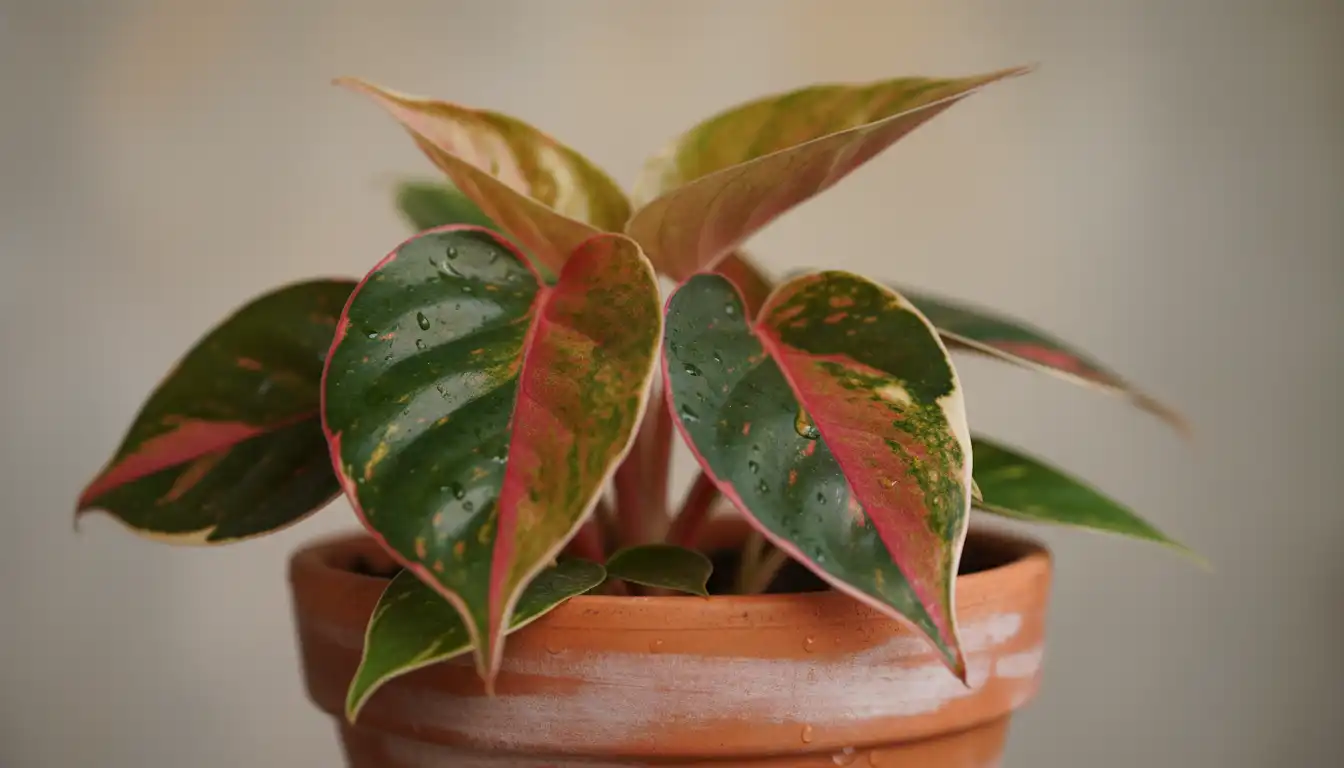
You’ve noticed something unusual about your pothos. Instead of the vibrant green leaves you expected, you see shades of red, and you’re wondering if you’ve discovered a rare new variety or if your plant is in trouble. This single observation is what sends many plant owners into a spiral of confusion.
The truth is, while the idea of a true red-leafed pothos is enticing, the reality is often a cry for help from your plant. Understanding this color change is the first step to unlocking truly vibrant and healthy growth for your indoor greenery.
You'll Learn About
Decoding the Red Leaf Mystery: A Sign of Stress, Not a Rare Variety
Let’s address the most pressing question first: true red-leafed pothos (Epipremnum aureum) are not a naturally occurring or commercially cultivated variety. While some plants, like certain Philodendrons, boast stunning red foliage, the common pothos you know and love expresses itself in shades of green, yellow, and white.
When you see red on your pothos, it’s almost always a symptom of an underlying environmental issue. These plants are excellent communicators, and this color change is their way of telling you that something in their environment is out of balance. Ignoring this sign can lead to a decline in your plant’s health, but addressing it can transform you into a more confident and capable plant parent.
The Primary Culprit: A Critical Nutrient Deficiency
The most common cause of a reddish or purplish tint on pothos leaves, especially older ones, is a **phosphorus deficiency**. Phosphorus is a vital macronutrient that plays a crucial role in photosynthesis, energy transfer, and cell growth. Without enough of it, the plant’s internal machinery starts to break down.
When a pothos is starved of phosphorus, the production of chlorophyll (the pigment that makes leaves green) slows down. This allows other pigments, called anthocyanins, to become visible. These are the same pigments that give blueberries and red apples their color, and in a stressed pothos, they manifest as a purplish-red hue. This is a survival mechanism, but it’s a clear indicator that the plant is not receiving the building blocks it needs to thrive. Providing the right nutrients starts with the foundation, and understanding your soil is key. Some find that comparing options like a Miracle Gro potting mix vs moisture control formula can make all the difference in nutrient availability.
The Impact of Intense Light: When Sunshine Becomes a Problem
Pothos are famous for their tolerance of low light, but they are not immune to the effects of excessive, direct sunlight. When a pothos is exposed to too much intense light, it experiences “sun stress.” The leaves can develop a scorched, reddish, or even brownish appearance as the plant produces protective pigments to shield itself from the harsh rays.
This is different from the purplish hue of a phosphorus deficiency. Sun stress often looks more like a burn or a bleach spot with reddish edges. While some hobbyists intentionally stress certain succulents to bring out red colors, this is not a healthy state for a pothos and can lead to permanent leaf damage.
Temperature Extremes and Other Stressors
Just as too much light can be a problem, so can incorrect temperatures. Pothos are tropical plants that prefer a stable environment. A sudden drop in temperature or prolonged exposure to cold drafts can shock the plant, causing it to produce those same red anthocyanin pigments as a stress response.
Furthermore, issues below the soil surface, such as overwatering leading to root rot, can also cause red leaves. When roots are damaged, they cannot effectively absorb nutrients from the soil. This leads to deficiencies, including a lack of phosphorus, even if it’s present in the soil. The red leaves, in this case, are a secondary symptom of the primary problem: unhealthy roots.
Your Action Plan: From Red Alert to Lush Green Growth
Seeing red leaves is not a death sentence for your pothos. These plants are incredibly resilient. With a systematic approach, you can diagnose the problem and guide your plant back to perfect health. The goal is to create a stable and nurturing environment where your plant doesn’t just survive, but thrives.
Follow these steps to systematically address the issue. Be patient, as it will take time for the plant to recover and produce new, healthy green foliage. Remember that existing red leaves will likely not turn green again, so the true measure of success will be the vibrant new growth that emerges.
Step 1: Assess Your Light and Temperature Situation
The first and easiest variable to check is the plant’s location. Where is your pothos situated? Is it on a windowsill receiving hours of direct, intense afternoon sun? If so, this is the most likely cause of any reddish, scorched appearance.
Your solution is simple: move the plant to a location where it will receive bright, but indirect, light. An east-facing window is ideal, or a spot a few feet back from a south or west-facing window. Also, ensure it is not placed near a drafty door, window, or air conditioning vent where it could be exposed to cold shocks.
Step 2: Investigate Your Watering and Soil Health
Next, it’s time to check the soil. Stick your finger about two inches deep. Is the soil soggy and wet? If so, you may be overwatering, which suffocates the roots and prevents them from absorbing nutrients. Overwatering is one of the fastest ways to harm a pothos.
Allow the top two inches of the soil to dry out completely before watering again. When you do water, do so thoroughly until water drains from the bottom of the pot, then discard the excess. If the soil stays wet for many days, it may be too dense, and you should consider repotting into a fresh, well-draining aroid mix.
Step 3: Implement a Balanced Fertilizing Routine
If light and watering don’t seem to be the issue, a nutrient deficiency is the next logical culprit, especially if older leaves are showing a purplish-red color. Most standard potting soils contain enough nutrients for a few months, but after that, the plant relies on you to provide food.
Choose a well-balanced liquid fertilizer with an N-P-K ratio like 20-20-20 or 10-10-10. During the growing season (spring and summer), feed your pothos every 4-6 weeks, but be sure to dilute the fertilizer to half the strength recommended on the package. Over-fertilizing can burn the roots, so less is more.
Quick Diagnosis and Solution Table
Use this table as a quick reference guide to identify the cause of your pothos’s red leaves and find the most effective solution. This simplifies the diagnostic process, helping you take swift and accurate action.
| Symptom | Probable Cause | Solution |
|---|---|---|
| Older leaves have a uniform purplish-red tint. | Phosphorus Deficiency | Use a balanced liquid fertilizer diluted to half-strength every 4-6 weeks during the growing season. |
| Scorched, reddish, or bleached spots on leaves. | Too Much Direct Sunlight | Move the plant to a spot with bright, indirect light, away from direct sunbeams. |
| An overall reddish or purple hue on the whole plant. | Cold Temperature Stress | Ensure the plant is in a room between 65-85°F (18-29°C) and away from drafts. |
| Reddish or brown papery sheaths on new growth. | Normal New Leaf Development | No action is needed. This is a natural part of the growth process and the sheath will fall off. |
| Yellowing leaves with red or brown spots and mushy stems. | Overwatering / Root Rot | Allow the top 2 inches of soil to dry out. If the problem persists, repot in fresh, well-draining soil and trim any mushy roots. |
Prevention is Key: Secrets to a Thriving, Lush Pothos
Once you’ve corrected the issue, the focus shifts to prevention. Creating a consistently healthy environment is the secret to avoiding stress-related discoloration in the future. A proactive approach to plant care is far more rewarding than a reactive one.
The beauty of a pothos is its forgiving nature, making it the perfect plant to help you hone your green thumb. Mastering its care will give you the confidence to turn your entire home into a green sanctuary. The principles of stable light, water, and nutrients are universal to houseplant care.
Establish a Consistent Care Routine
Plants thrive on routine. Instead of watering on a strict schedule (e.g., every Saturday), get into the habit of checking the soil every few days. This allows you to water based on the plant’s actual needs, which can change with the seasons. A consistent routine helps you notice small changes before they become big problems.
This consistency is the foundation for any beautiful indoor garden. When you set out to look green and create that lush oasis feel in your home, it’s the simple, repeated actions that yield the most dramatic results. It’s about curating a healthy environment where life can flourish.
The Importance of a Healthy Home Environment
Creating a thriving space for your plants is deeply connected to creating a healthy environment for yourself. The air quality, humidity, and even the ambient temperature in a room contribute to your plant’s well-being. Think about your home as a complete ecosystem, where every element has an effect.
Even factors you might not consider, like the heat generated by kitchen appliances, can alter the micro-climate for a nearby plant. When planning your perfect home, considering how everything works together is key, even down to choosing between a Bosch vs KitchenAid wall oven, as the heat venting can affect nearby sensitive foliage. This holistic view is the secret to becoming a truly advanced home gardener.
When in Doubt, Don’t Be Afraid to Prune
Pruning is not harmful to your pothos; it’s beneficial. Trimming back long, leggy vines encourages the plant to become fuller and bushier. It also allows you to remove any damaged or discolored leaves, redirecting the plant’s energy toward producing healthy new growth.
In conclusion, while the discovery of red leaves on your pothos might initially be alarming, it’s an excellent learning opportunity. It’s a direct communication from your plant, telling you what it needs. By carefully assessing its environment and making thoughtful adjustments, you can easily solve the problem and ensure a future of vibrant, lush, and beautifully green growth.