
Polybau Windows Warning: What Homeowners Must Know
If you’re searching for information on Polybau windows, it’s crucial to stop and read this first. You might be dealing with old, failing windows in your home, or perhaps you’ve heard the name and are considering them for an upgrade. The reality is, this knowledge could save you from a significant headache and financial loss.
The core problem for many homeowners is navigating the sea of window options to find a solution that genuinely solves issues like high energy bills, constant maintenance, and outside noise. The search for a durable, efficient, and beautiful window is where the confusion often begins. This guide will clarify the history of the “Polybau” name and steer you toward the modern, high-performance solution you’re actually looking for.
You'll Learn About
The “Polybau” Story and the Rise of the Modern Polymer Window
First, an important clarification: Polybau was a window manufacturing company in California that went out of business over a decade ago. Homeowners with these windows have reported significant issues, from sagging frames and broken seals to warranties that became void overnight. If you have these windows and they are failing, replacement is the most effective solution.
However, the term “poly” has led many to associate it with the true hero of modern window technology: advanced polymer windows, most commonly known as vinyl or uPVC (unplasticized polyvinyl chloride). These are the windows that deliver on the promises of energy efficiency and durability. High-quality polymer windows are the definitive solution to the problems that plagued older, less reliable brands.
The Science of Comfort: Why High-Quality Polymer Windows Excel
The secret to a comfortable home often lies in its windows. Modern polymer frames are not just simple pieces of plastic; they are sophisticated systems engineered to provide insulation, strength, and longevity. They outperform traditional materials like wood and aluminum in several critical areas for homeowners.
Unlocking Superior Thermal Performance
The primary reason polymer windows are so effective at lowering energy bills is their resistance to heat transfer. Unlike aluminum, which readily conducts heat, or wood, which can degrade over time, vinyl is a natural insulator. The frames are designed with a series of internal chambers that create air pockets, drastically slowing the transfer of heat from inside to outside in the winter, and vice versa in the summer.
This multi-chambered design means your HVAC system doesn’t have to work as hard to maintain a comfortable temperature. The result is a noticeable reduction in your monthly energy consumption and a more stable indoor climate year-round. This is the cornerstone of an energy-efficient home envelope.
The Peace and Quiet Factor
Noise pollution from traffic, neighbors, and general city life can be a major source of stress. The material composition of polymer frames gives them excellent sound-dampening properties. Their density and the multi-chambered structure help to absorb sound waves, rather than transmitting them through.
When combined with double or triple-pane glass, high-quality polymer windows can create a serene indoor oasis. This benefit is especially valuable for bedrooms, home offices, and any living space where tranquility is a priority. It’s a feature that provides tangible improvements to your quality of life.
Built to Last: Resisting Rot, Warping, and Weather
One of the biggest problems with wood windows is their susceptibility to rot, pests, and moisture damage, requiring constant repainting and sealing. Aluminum can corrode and pit over time. High-quality polymer windows are impervious to these issues. They are formulated with stabilizers that make them highly resistant to UV rays, preventing them from becoming brittle or discolored.
This inherent durability means they will not warp, crack, chip, or peel, even in harsh weather conditions. The maintenance required is minimal, typically involving nothing more than a simple cleaning with soap and water to keep them looking brand new. This “install and forget” quality is a major advantage for busy homeowners.
Your Ultimate Polymer Window Buyer’s Checklist
Not all polymer windows are created equal. The market is filled with options ranging from budget-friendly models to high-end, performance-driven systems. Making an informed decision requires understanding a few key technical specifications that separate the exceptional from the merely adequate.
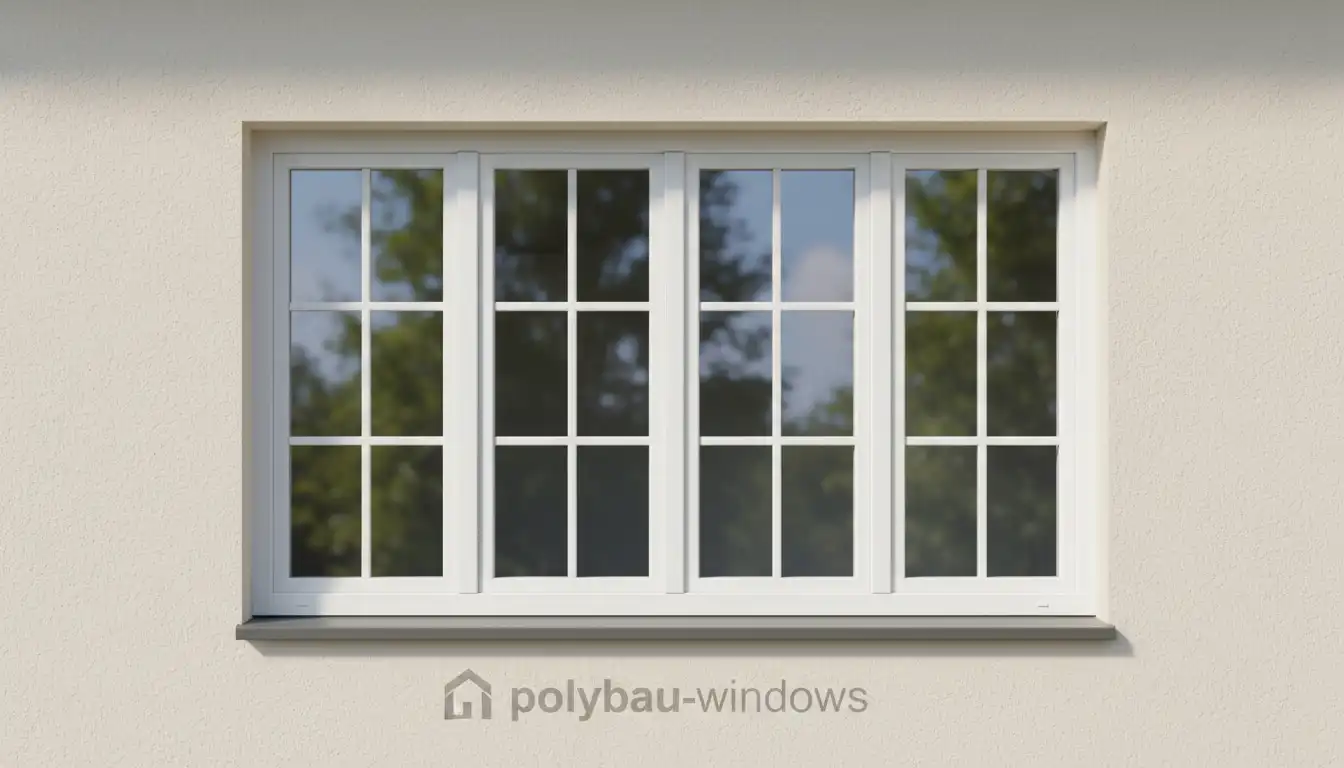
Decoding the Energy Performance Label
When shopping for windows, you will encounter the NFRC (National Fenestration Rating Council) label. This label provides unbiased energy performance ratings. Two of the most important values to understand are the U-Factor and the Solar Heat Gain Coefficient (SHGC).
The U-Factor measures how well a window prevents heat from escaping. The range is typically between 0.20 and 1.20, and a lower number is better. The SHGC measures how much solar heat enters a home through the window. Here, the ideal number depends on your climate; in colder regions, a higher SHGC can help heat your home, while in warmer regions, a lower SHGC is crucial for keeping it cool.
Frame Construction: Welded Corners and Internal Reinforcement
Pay close attention to how the window frame is constructed. The highest quality vinyl windows feature fusion-welded corners. This process melts the vinyl sections together, creating a seamless, exceptionally strong, and airtight corner that will not separate over time. This is vastly superior to frames that are simply screwed together.
Additionally, look for frames that have internal reinforcements, often made of metal, in key structural areas. This reinforcement adds rigidity and stability, ensuring the window operates smoothly and maintains its structural integrity for decades. A sturdy frame means less chance of sagging or operational issues down the road.
The Glass Package: More Than Meets the Eye
Since the majority of a window’s surface is glass, the technology used here is paramount. Look for windows with at least double-pane glass, which creates an insulating air gap. For even greater performance, triple-pane glass is an excellent option, especially in extreme climates.
Also essential are Low-E coatings (low-emissivity), which are microscopically thin metallic layers that reflect heat back to its source. Finally, the space between the glass panes should be filled with an inert gas, like Argon or Krypton. These gases are denser than air and provide a significant boost in insulation.
Polymer/Vinyl vs. Other Materials: A Clear Comparison
Choosing the right material is a balance of cost, performance, and aesthetics. This table breaks down the key differences to help guide your decision.
| Feature | Polymer (Vinyl/uPVC) | Wood | Aluminum |
|---|---|---|---|
| Initial Cost | Low to Moderate | High | Moderate |
| Maintenance | Very Low (Cleaning Only) | High (Painting, Sealing) | Low (Cleaning Only) |
| Energy Efficiency | Excellent | Very Good | Poor (Unless it has thermal breaks) |
| Durability | Excellent (Resists rot, corrosion) | Good (Susceptible to rot, pests) | Excellent (Can corrode) |
| Lifespan | 20-40+ years | 30-50+ years (with high maintenance) | 20-30+ years |
The Critical Mistake to Avoid: A Botched Window Installation
You can invest in the most expensive, energy-efficient window on the market, but its performance will be completely undermined by improper installation. A poor installation job can lead to drafts, water leaks, condensation between panes, and even structural damage to your home’s walls. This is one area where cutting corners is never worth it.
Ensuring a perfect seal around the window is absolutely vital. Even a tiny opening can compromise the window’s insulating properties and allow moisture intrusion. It’s similar to how a seemingly minor problem like a 5-inch gap between a vanity and a wall can disrupt the entire function and aesthetic of a bathroom; small installation gaps have major consequences.
Finding a Reputable and Certified Installer
Always hire a professional installer with a proven track record and proper certification. Look for contractors who are licensed, insured, and can provide references from recent jobs. A professional will ensure the window is installed perfectly level, plumb, and square, which is essential for smooth operation.
They will also use the correct materials for insulating and sealing the gap between the window frame and the wall opening. Proper flashing and sealing techniques are crucial to create a weatherproof barrier that protects your home for the long term and ensures you get the full energy-saving benefits of your new windows.
Debunking Common Myths About Modern Polymer Windows
Misconceptions about vinyl windows, often based on outdated products from decades ago, still persist. It’s important to separate these myths from the reality of today’s advanced polymer technology.
Myth: “All Polymer Windows Look Cheap and Plasticky”
While the first vinyl windows were typically available only in a shiny, basic white, modern manufacturing has changed the game completely. Today, you can find polymer windows in a vast array of colors, from bold blacks and bronzes to subtle earth tones. Many manufacturers also offer highly realistic woodgrain finishes that provide the warm look of wood without the maintenance.
Furthermore, frame profiles have become more sophisticated. You can choose from slim, contemporary designs that maximize glass area to more traditional, sculpted frames that mimic the look of classic wood windows. The aesthetic versatility of modern polymer windows allows them to complement any architectural style.
Myth: “They Will Warp, Fade, and Turn Yellow in the Sun”
This was a legitimate concern with early formulations of vinyl. However, modern, high-quality uPVC includes additives like titanium dioxide, which act as powerful UV stabilizers. This technology prevents the material from breaking down under sun exposure, ensuring the frame remains stable and the color stays true for decades.
Reputable manufacturers conduct extensive testing to ensure their products can withstand extreme heat and cold without warping, bowing, or cracking. When you buy from a trusted brand, you are investing in a product engineered for long-term performance and color retention.
Myth: “They Are Bad for the Environment”
This myth is particularly pervasive but overlooks the full lifecycle of the product. The idea that natural materials are always better is as misleading as other outdated home advice, like the bizarre suggestion of putting rocks in a toilet bowl to save water. The truth requires a deeper look.
First, the exceptional thermal insulation of polymer windows significantly reduces a home’s energy consumption, which in turn lowers its carbon footprint over a 30- to 40-year lifespan. Second, uPVC is highly recyclable. Old frames can be reground and used to manufacture new products, creating a closed-loop system that diverts waste from landfills. This combination of energy savings and recyclability makes high-quality polymer windows a responsible environmental choice.
Maintaining Your Polymer Windows for Decades of Performance
While one of the primary benefits of polymer windows is their low-maintenance nature, a few simple steps will ensure they continue to operate smoothly and look their best for years to come.
A gentle cleaning with a soft cloth, mild soap, and water is all that is needed for the frames. It’s also important to periodically inspect and clean the window’s weep holes—small holes in the bottom of the track designed to let rainwater escape. If these become clogged with debris, water can back up. Just as you would need to snake a 90-degree pipe to clear a stubborn clog in your plumbing, keeping your window’s drainage paths clear is vital for preventing water damage.
The Final Verdict: Your Smart Window Investment
While the name “Polybau windows” should be seen as a cautionary tale, the technology of modern polymer windows represents a smart, effective solution for homeowners. These windows tackle the core problems of energy loss, noise pollution, and high maintenance head-on.
By focusing on high-quality materials, understanding energy performance ratings, and insisting on professional installation, you can make a lasting investment in your home’s comfort, value, and efficiency. The right windows do more than just provide a view; they create a better living environment.

![Storm Door Handle Hits Door Knob [3 Easy Solutions]](https://fixitinthehome.com/wp-content/uploads/2023/02/Storm-Door-Handle-Hits-Door-Knob-768x432.webp)