
Polished Tile on Bathroom Floor: The #1 Mistake to Avoid
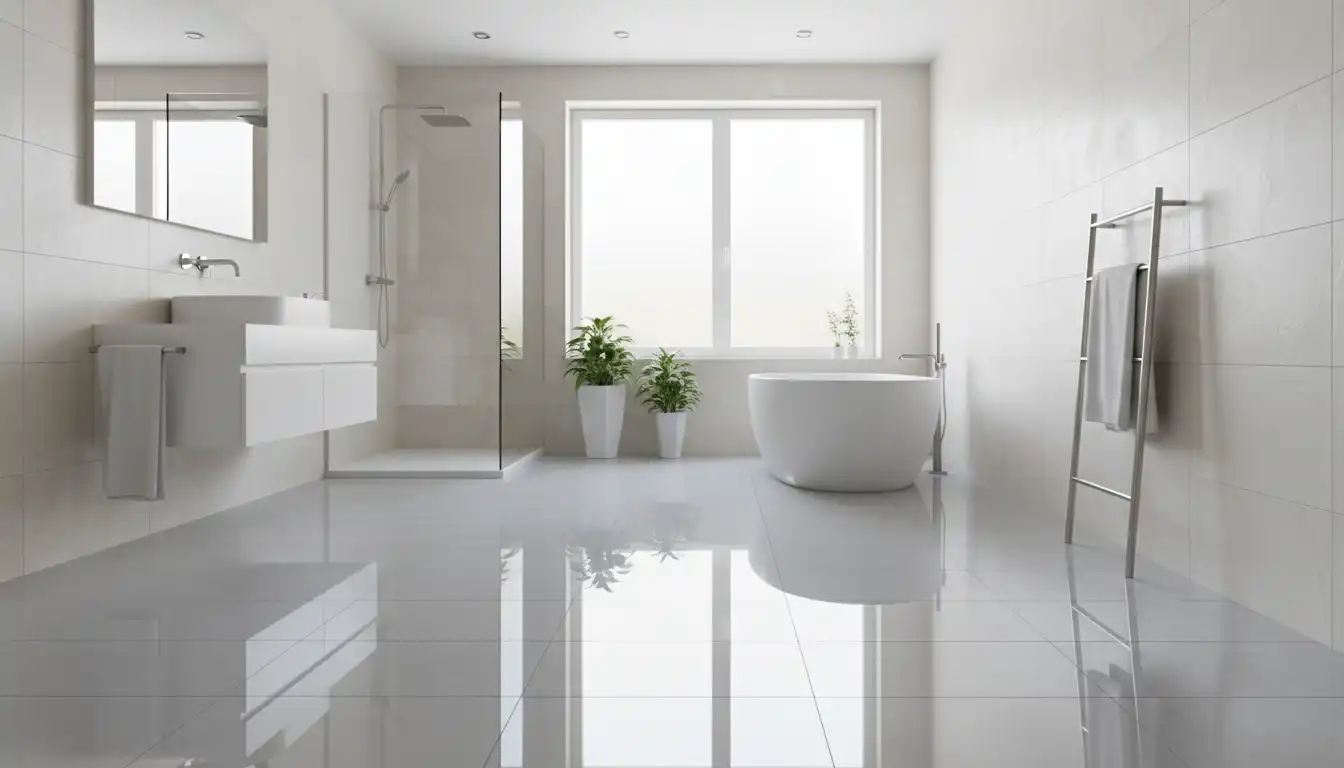
The allure of a polished tile floor in a bathroom is undeniable. It promises a sleek, luxurious finish that reflects light, making even the smallest spaces feel brighter and more expansive. Yet, this glossy dream can quickly turn into a significant problem: a dangerously slippery surface.
Many homeowners fall in love with the high-end look of polished porcelain or ceramic tiles, only to realize too late that water and a high-gloss finish create a perilous combination. This article confronts this common dilemma head-on, providing the critical information you need to achieve that coveted shine without compromising safety.
You'll Learn About
The Allure and the Alarm: Why We Crave That Shine
The desire for a polished bathroom floor stems from its powerful aesthetic impact. It evokes the feeling of a luxury hotel or a serene spa, transforming a purely functional room into a personal retreat. This is not just about looks; it’s about how the space makes you feel.
The Visual Impact of a High-Gloss Finish
Polished tiles are champions of light. Their mirror-like surface bounces both natural and artificial light around the room, creating an open and airy atmosphere. This quality is especially valuable in bathrooms, which are often compact and may lack large windows.
The smooth finish also contributes to a clean, seamless look that is visually calming. For those seeking a modern, minimalist, or glamorous design, polished tiles appear to be the perfect foundation.
The Hidden Danger: Understanding Slip Resistance
The very quality that makes polished tiles so beautiful—their perfectly smooth surface—is also their greatest weakness in a wet environment. Unlike matte or textured tiles that provide natural grip, a polished surface offers minimal traction. When water is added, the risk of a slip-and-fall accident increases dramatically.
This isn’t just a minor concern; it’s a significant safety issue, especially in households with children, elderly individuals, or anyone with mobility challenges. The dream of a spa-like bathroom can become a source of constant anxiety.
The Science of Safety: DCOF Ratings Explained
Before you purchase any tile for your bathroom floor, there is one technical specification you must understand: the DCOF rating. This acronym stands for Dynamic Coefficient of Friction, and it is the industry standard for measuring a tile’s slip resistance.
The Tile Council of North America (TCNA) recommends that tiles used on level interior surfaces expected to be walked upon when wet, such as a bathroom floor, must have a DCOF rating of 0.42 or higher. Choosing a tile with a lower rating for your bathroom floor is a serious mistake that can jeopardize the safety of your household.
Polished vs. The World: A Tile Finish Showdown
Understanding the key differences between tile finishes is crucial for making an informed decision. While polished tiles grab the spotlight, other finishes offer a compelling balance of beauty and safety.
Each finish has its place, but in the high-moisture context of a bathroom floor, the practical attributes of slip resistance and maintenance become paramount.
Head-to-Head Tile Finish Comparison
This table breaks down the pros and cons of the most common tile finishes, helping you to see beyond the initial visual appeal and consider long-term livability and safety.
| Finish Type | Appearance | Slip Resistance (DCOF) | Maintenance | Best For |
|---|---|---|---|---|
| Polished | High-gloss, reflective, luxurious | Low (Often <0.42 when wet) | Shows water spots and smudges; easy to wipe clean | Walls, dry area floors, creating a sense of space |
| Matte | Non-reflective, soft, natural | High (Generally >0.42) | Hides smudges and water spots; can hold onto dirt in texture | Bathroom floors, shower floors, high-traffic areas |
| Lappato (Semi-Polished) | Mix of polished and matte areas, subtle sheen | Moderate | Easier to maintain than fully polished | General flooring, feature walls |
| Textured | Noticeable surface pattern, wood or stone look | Very High | Hides dirt well but requires more effort to clean | Outdoor areas, shower floors, commercial kitchens |
Making It Work: How to Use Polished Tile Safely
If your heart is set on a polished look, you don’t have to abandon the idea completely. However, you must approach it with a strategy that prioritizes safety above all else. A truly beautiful bathroom is one that is safe and functional for everyone.
Strategic Tile Selection is Key
The first step is to check the DCOF rating before you fall in love with a tile. Some manufacturers now produce polished tiles with micro-textures or special glazes that improve slip resistance. Always confirm the tile meets the ≥ 0.42 standard for wet areas.
When discussing tile options, it’s worth exploring comprehensive brand information; some happy floors porcelain tile reviews might offer insights into specific product lines that balance aesthetics and safety effectively.
The Power of Rugs and Bath Mats
This is the simplest and most effective solution. Place high-quality bath mats with non-slip backing directly outside the shower or tub and in front of the vanity. These mats absorb water and provide a secure surface to stand on, drastically reducing the risk of slipping on the wet tile.
A good bath mat is non-negotiable in a bathroom with polished floors. It’s also important that your shower effectively contains water, which is where details like the proper shower door swing in and out become surprisingly crucial for floor safety.
Smaller Tiles, More Grout, Better Grip
Here is a pro-level secret: the more grout lines you have, the more traction your floor provides. The grout itself acts as a non-slip surface. Using a polished mosaic tile, such as a 2×2 inch square or a polished penny tile, on the floor can be a safer option than a large format tile.
This approach gives you the desired sheen from the tile’s surface while the extensive grid of grout lines offers the necessary grip underfoot, especially in shower areas.
Post-Installation Anti-Slip Treatments
If you have already installed slippery polished tiles, there are remedial actions you can take. You can apply a clear, anti-slip coating designed for tile surfaces. These products create microscopic treads on the tile’s surface to increase traction without significantly altering its appearance.
Another option is professional acid etching, which lightly texturizes the tile surface to improve grip. Be aware that these treatments may slightly reduce the tile’s glossiness, but the safety trade-off is often well worth it.
The Brutal Truth About Maintenance
Beyond the slip factor, polished tiles demand a specific cleaning regimen to keep them looking their best. Their reflective surface, while beautiful, is unforgiving when it comes to dirt and smudges.
Conquering Water Spots and Streaks
Polished floors are notorious for showing every water spot, footprint, and streak. To combat this, you must clean them with the right tools and techniques. Always use a pH-neutral cleaner, as acidic or alkaline solutions can dull the finish over time.
The best method involves using a microfiber mop with a gentle cleaner and immediately drying the floor with a separate clean, dry microfiber cloth. This two-step process is essential to prevent streaks and maintain that flawless shine.
The Unseen Scourge: Micro-Abrasions
A little-discussed problem with polished bathroom floors is their susceptibility to micro-abrasions from grit and dirt. Unlike matte tiles that hide minor wear, the reflective surface of a polished tile will show fine scratches over time, especially in high-traffic paths.
To prevent this, it’s critical to keep the floor free of abrasive particles. A soft-bristled broom or a vacuum with a soft brush attachment should be used regularly to remove dirt before it can be ground into the surface underfoot. This attention to detail is crucial where the wall tile meets baseboard, as dirt often accumulates in these corners.
Your Verdict on Polished Bathroom Floors
A polished tile bathroom floor is a stunning design choice, but it is not one to be made lightly. The sleek, reflective beauty comes with a serious responsibility to ensure safety and commit to a rigorous maintenance routine.
By prioritizing a tile’s DCOF rating, employing strategic safety measures like mats and smaller tile formats, and understanding the nuances of proper cleaning, you can successfully have that high-end look. However, for most households, a high-quality matte finish tile offers a far more practical and safer solution, providing peace of mind without sacrificing style.
Frequently Asked Questions
Are polished tiles slippery for a bathroom floor?
Yes, polished tiles can be very slippery, especially when they get wet. Their smooth, high-gloss surface creates less friction, which can be a safety concern in areas prone to moisture like bathrooms. For households with young children or elderly individuals, matte or textured tiles are a safer alternative.
How do you clean polished tiles on a bathroom floor?
Polished tiles are relatively easy to clean due to their non-porous surface. Regular sweeping or vacuuming to remove loose dirt, followed by mopping with a mild detergent or a vinegar and water solution, is usually sufficient. It’s important to dry the tiles after cleaning to prevent water spots and maintain their shine.
Do polished tiles scratch easily in a bathroom?
While polished porcelain tiles are durable, their glossy surface can make scratches more noticeable compared to matte or textured tiles. Heavy foot traffic and dragging hard objects across the floor can lead to visible wear and tear. Regular cleaning and using protective pads under furniture can help minimize scratching.
Are polished tiles a good choice for a modern bathroom?
Polished tiles can give a bathroom a luxurious, high-end feel and their reflective surface can make the space appear brighter and larger. They are available in a wide variety of colors and patterns, including designs that mimic natural stone like marble. This makes them a popular choice for creating a sleek and modern aesthetic.
Do polished tiles stain easily?
Polished porcelain tiles are highly resistant to stains because their surface is non-porous. This prevents liquids from penetrating the tile, making it easy to wipe away spills without them leaving a permanent mark. This characteristic makes them a practical option for bathroom floors.
Are polished floor tiles more expensive?
Generally, polished tiles are more expensive than their unpolished counterparts. The higher cost is due to the additional manufacturing steps required to achieve the smooth, glossy finish. However, their durability and longevity can make them a worthwhile long-term investment.
