
Planting Under Pine Trees: From Barren Wasteland to Lush Garden Oasis
That space under your majestic pine trees often feels like a gardener’s nightmare. It’s a common problem: a barren patch of ground covered in a thick blanket of needles where grass refuses to grow and flowers wither. You’re left with a landscape dead zone that detracts from your home’s curb appeal.
Many homeowners believe the myth that pine needles make the soil too acidic for anything to grow. While there’s a kernel of truth there, the real issues are more complex and challenging. Conquering this difficult patch of land requires a strategic approach, but the reward is a beautiful, thriving shade garden that becomes a focal point of your yard.
You'll Learn About
The Real Reasons Your Garden Fails Under Pine Trees
Success begins with understanding the true nature of the challenge. The area beneath a mature pine is a unique microclimate governed by several powerful factors working against the average plant. It’s not just one problem, but a combination of four key issues that create such a hostile growing environment.
Problem 1: Intense Competition for Water and Nutrients
Pine trees have vast, shallow root systems that are incredibly efficient at absorbing moisture and nutrients from the top layers of soil. These feeder roots can extend far beyond the tree’s drip line, creating a web of competition that new plants can’t win. This is often the primary reason plants struggle; the tree simply outcompetes them for essential resources.
The dense canopy of a mature pine also acts like a natural umbrella, blocking a significant amount of rainfall from ever reaching the ground. This creates a condition known as dry shade, one of the most difficult scenarios in gardening. Even after a good rain, the soil under a pine can remain surprisingly dry.
Problem 2: The Truth About Acidic Soil
It’s a long-held belief that falling pine needles are the main cause of acidic soil. While fresh, green needles are acidic, they lose much of that acidity as they dry and decompose. The truth is that pine trees prefer to grow in soil that is already acidic, so the ground was likely acidic before the needles ever fell.
This acidic soil (typically with a pH between 4.5 and 6.0) makes it difficult for many plants to absorb essential nutrients. Nutrients like phosphorus, potassium, and calcium become “locked up” in the soil and are unavailable to plants that aren’t adapted to acidic conditions.
Problem 3: The Secret Chemical Warfare of Allelopathy
Here is a factor few gardeners consider: pine trees engage in a form of chemical warfare called allelopathy. The trees release natural chemical compounds, particularly from their needles and roots, that inhibit the germination and growth of competing plants. This is the tree’s way of ensuring it doesn’t have to share resources.
These allelochemicals can stunt root development, interfere with nutrient uptake, and slow overall growth in sensitive species. This gives the pine tree a significant advantage and is a major, though often invisible, reason for failure when planting under them.
Problem 4: The Challenge of Dense Shade
Pine trees cast a deep, year-round shade that is much different from the dappled light under a deciduous tree that loses its leaves in winter. This constant, heavy shade limits the amount of light available for photosynthesis, which is critical for plant growth and flowering. Only true shade-loving plants can survive, and even then, they may produce fewer flowers than they would in a brighter location.
Your 5-Step Battle Plan for a Thriving Pine Understory Garden
Transforming this challenging space is entirely possible with the right strategy. Instead of fighting against the pine tree’s nature, the key is to work with it. By carefully selecting plants and amending the environment just enough, you can create a vibrant, low-maintenance garden.
Step 1: Assess and Prepare the Battlefield (Your Soil)
Before you plant anything, you must improve the soil. Start by raking back the thick layer of pine needles; you can set them aside to use as a natural mulch later. It is highly recommended to get a simple soil test to confirm the pH level. This will tell you exactly how acidic your soil is and guide your amendments.
Generously work several inches of rich, organic compost into the top 6-8 inches of soil. Compost helps improve soil structure, adds vital nutrients, and increases water retention. If your soil test shows extreme acidity (below 5.0), you can also incorporate a small amount of garden lime to raise the pH slightly, but do this sparingly as many shade plants prefer acidic conditions.
Step 2: Choose Your Plant Allies Wisely
This is the most critical step. You must select plants that are naturally adapted to thrive in acidic, dry, shady conditions. Fighting to grow sun-loving, water-guzzling plants is a recipe for frustration and failure. Look for plants native to woodland environments, as they are pre-programmed to handle these challenges.
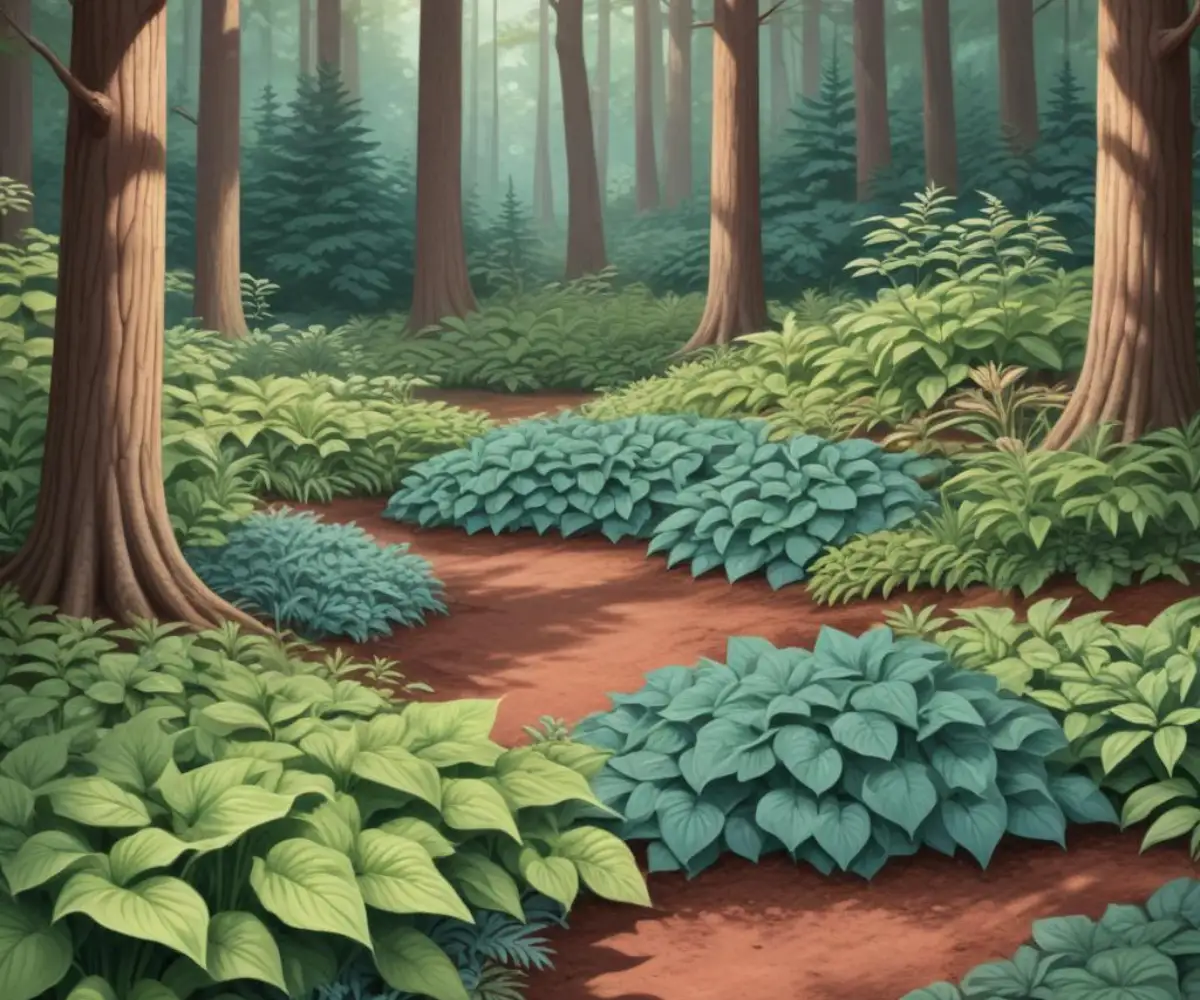
Layer your plantings for a more natural, woodland look. Use taller shrubs in the back, followed by mid-sized perennials, and finish with low-growing groundcovers in the front. This creates depth and visual interest. Consider adding a few large stones or a piece of driftwood to enhance the naturalistic design.
Step 3: Master the Art of Planting and Watering
When digging planting holes, you will inevitably encounter the pine tree’s shallow roots. Never try to cut through large roots, as this can damage the tree. Instead, find pockets of soil between the roots to place your new plants. Dig a hole that is twice as wide as the plant’s root ball but no deeper.
Backfill the hole with a mix of the native soil and more compost. Water your new plants deeply and thoroughly right after planting. For the first year, consistent watering is non-negotiable. The young plants need time to establish their own root systems before they can compete with the pine, so provide them with about an inch of water per week if rain is scarce.
Step 4: Implement Smart Garden Design Strategies
A successful design under a pine tree embraces the environment. Use the raked-back pine needles as a light, airy mulch around your new plants. This helps retain soil moisture, suppresses weeds, and continues the natural woodland aesthetic. Pine straw is an excellent mulch that doesn’t compact like some wood chips can.
Define the garden bed with a clean edge or a border of natural stones. This creates a deliberate, cared-for look that separates the garden from the lawn. If you’re planning a more defined space or need to create a visual boundary, a well-placed fence can frame the area beautifully, a concept you can explore further in our corner lot fence guide.
For plants that absolutely need better soil and moisture control, consider using containers. A few well-placed decorative pots can add pops of color and allow you to grow species like annuals that wouldn’t survive otherwise. This is a great way to add seasonal interest without disturbing the ground.
Step 5: Provide Long-Term Care and Maintenance
Once established, a pine understory garden is surprisingly low-maintenance. The most important task is to monitor moisture levels, especially during hot, dry summer months. A soaker hose or drip irrigation system can be an efficient way to deliver water directly to the plant roots without wasting it.
Each spring, apply a fresh layer of compost around your plants to replenish nutrients. To allow more light to penetrate the canopy, you can consider carefully pruning the lowest branches of the pine tree. This is called “limbing up” and can make a significant difference for the plants growing below.
The Best Plants for Under Pine Trees: A Curated Selection
Choosing the right plants is paramount. The following table highlights some of the most reliable and beautiful options that are well-suited for the unique challenges of a pine understory.
| Plant Name | Type | Key Characteristics | Notes |
|---|---|---|---|
| Hosta (Plantain Lily) | Perennial | Lush foliage in shades of green, blue, and gold. | Incredibly shade tolerant; choose thicker-leaved varieties for better drought resistance. |
| Astilbe (False Spirea) | Perennial | Feathery plumes of flowers in pink, red, and white. | Adds wonderful texture and color; prefers consistent moisture to thrive. |
| Ferns (Various) | Perennial | Delicate, arching fronds; classic woodland texture. | Christmas Fern and Lady Fern are excellent, hardy choices for dry shade. |
| Heuchera (Coral Bells) | Perennial | Mounds of colorful foliage in purple, bronze, and green. | Valued more for its leaves than its small flowers; very drought tolerant once established. |
| Rhododendron / Azalea | Shrub | Spectacular spring blooms; evergreen foliage. | The quintessential acid-loving shrub; perfect for the back of the border. |
| Japanese Pieris | Shrub | Evergreen with drooping clusters of white flowers. | New growth is often a brilliant red or bronze color, adding multi-season interest. |
| Vinca Minor (Periwinkle) | Groundcover | Glossy evergreen leaves with purple-blue flowers. | A tough, fast-spreading groundcover that chokes out weeds. Can be aggressive. |
| Wild Ginger (Asarum canadense) | Groundcover | Large, heart-shaped leaves create a lush carpet. | A fantastic native groundcover that loves acidic soil. |
| Daffodils / Crocus | Bulb | Early spring color before the tree canopy fully leafs out. | Plant in drifts for a naturalized look. They will bloom before the densest shade sets in. |
Creating a Functional and Beautiful Space
A garden under pine trees doesn’t have to be just for plants. Consider adding a small bench to create a peaceful seating area where you can enjoy the cool shade. A winding path of stepping stones can invite exploration and protect plant roots from foot traffic.
By understanding the unique environmental pressures and selecting plants that are naturally equipped to handle them, you can transform that barren, needle-covered ground into a stunning and resilient garden. It’s a project that solves a common landscape problem and adds immense value and beauty to your home. And if you’re dealing with other specific yard challenges, like figuring out how to manage just one side of your yard’s fence, we have guides to help with that too.
