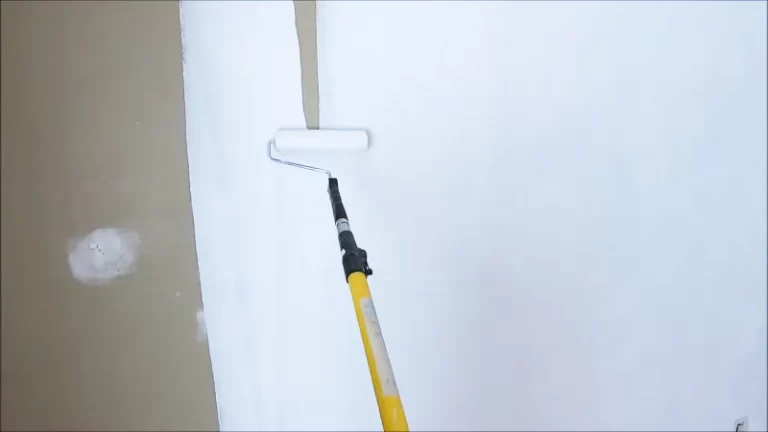
Pittsburgh Paint at Menards: The Hidden Truth to a Flawless Finish
You stand in the paint aisle at Menards, staring at a wall of color chips and cans. The goal is simple: transform a room, protect your exterior, and increase your home’s value. Yet, the choice feels overwhelming. One brand, Pittsburgh Paints & Stains, stands out with promises of one-coat coverage and lasting durability, but a nagging question remains: does it actually deliver?
This is the core problem for countless homeowners and DIY enthusiasts. You need a reliable paint that won’t require endless coats, chip at the slightest touch, or fade under the sun, all while fitting within a realistic budget. The internet is a minefield of conflicting reviews, leaving you uncertain and hesitant to commit to gallons of a product that might lead to frustration and wasted weekends.
The challenge stems from a lack of clear, unbiased information. Many reviews are vague, failing to specify the product line used or the critical preparation steps taken. Understanding the nuances between Pittsburgh’s different tiers of paint is essential, as is recognizing that the final result is as much about technique as it is about the product itself. Without this knowledge, you’re painting in the dark.
You'll Learn About
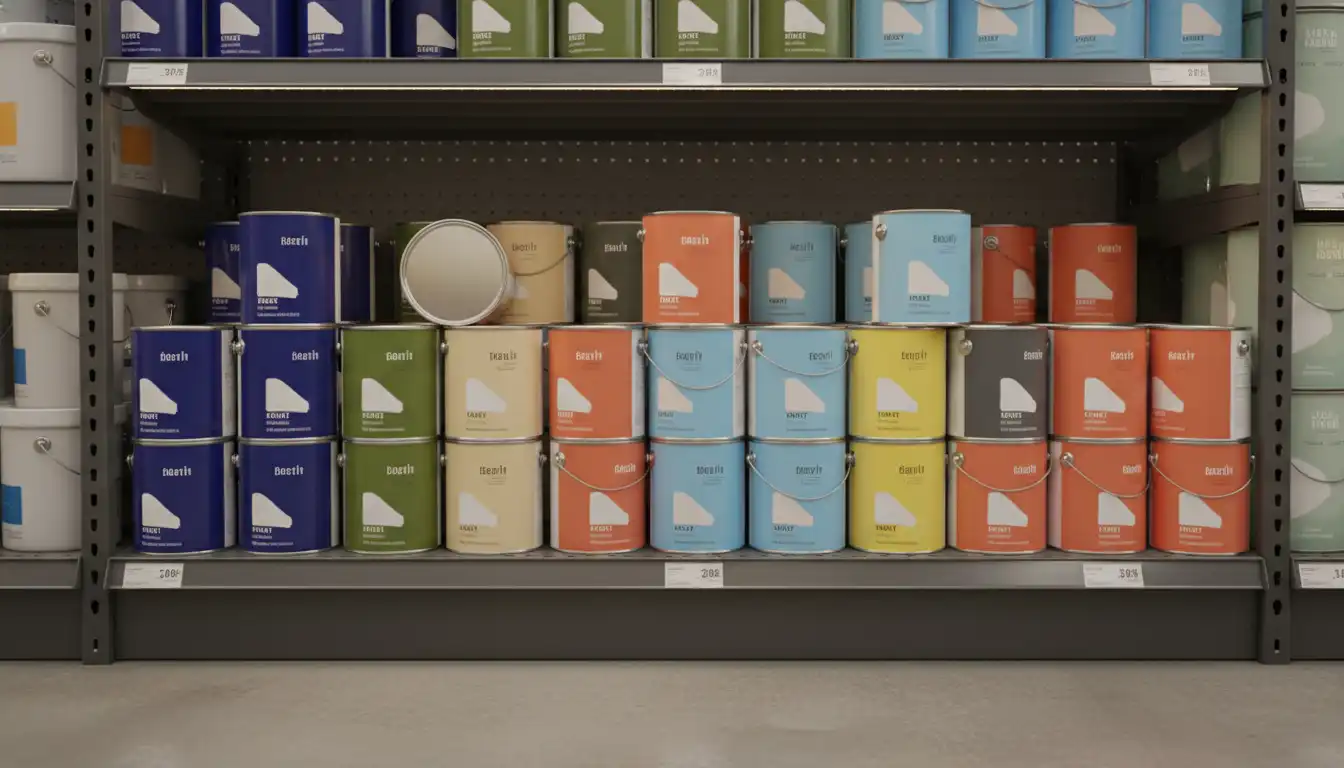
Decoding the Pittsburgh Paint Lineup at Menards
The first step to solving the paint puzzle is understanding that “Pittsburgh Paint” isn’t a single product. At Menards, the brand is primarily represented by several distinct lines, each formulated for different needs and price points. Choosing the right one is the foundational secret to success.
Think of these lines as different tools for different jobs. You wouldn’t use a screwdriver to hammer a nail. Similarly, using a basic contractor-grade paint for a high-traffic hallway is a recipe for disappointment. Knowing the hierarchy and intended use of each product line empowers you to make an informed decision based on your specific project.
Paramount: The Premium Contender
At the top of the range is Pittsburgh Paints & Stains Paramount. This is their ultra-premium paint and primer in one, engineered for the best durability and coverage. Its primary selling point is its “true one-coat coverage” guarantee when tinted to specific colors. Users often praise Paramount for its excellent hide and scrubbable finish, making it ideal for busy areas like kitchens, bathrooms, and hallways.
However, the “one-coat” claim is a frequent point of contention. While many DIYers achieve great results with a single application over a similar color, dramatic color changes (like painting white over a dark navy) will almost certainly require a second coat. The key is managing expectations; Paramount significantly reduces the work, but it isn’t always a magic wand. For the absolute best results, especially with vibrant or deep colors, plan for two coats.
Grand Distinction: The All-Around Workhorse
A step down from Paramount is Grand Distinction, another paint and primer combination that offers a fantastic balance of quality and value. Many users find it provides smooth coverage and good washability, making it a reliable choice for most interior spaces like bedrooms and living rooms. Some professionals and homeowners even prefer it over more expensive options from other brands. The GREENGUARD Gold certification for low chemical emissions is another significant benefit for indoor air quality.
While it may not always cover in a single coat like Paramount promises, Grand Distinction is often praised for its consistency and ease of application. Reviews suggest it performs exceptionally well for the price, covering minor imperfections and drying to a durable finish. However, some users have noted it can have a stronger odor during application compared to other low-VOC paints.
Understanding Sheens and Their Impact
Beyond the product line, the sheen you choose will dramatically affect the final look and durability. A common mistake is selecting a sheen based only on aesthetics without considering the room’s function. This choice is just as crucial as the paint quality itself.
Flat or matte sheens are excellent for hiding wall imperfections but are the least durable and hardest to clean. They are best reserved for ceilings and very low-traffic areas. Eggshell and satin finishes offer a soft, low-sheen look with much better durability and washability, making them the go-to choice for most rooms in the house. Semi-gloss and gloss sheens are the toughest and easiest to clean, perfect for trim, doors, and cabinets, but their reflective nature will highlight every flaw on a surface.
The Pro’s Playbook: Achieving a Professional Finish Every Time
Even the most expensive, highest-quality paint will fail if the surface isn’t properly prepared. This is the single most overlooked step by DIY painters and the number one cause of chipping, peeling, and poor coverage. Professionals know that the secret to a lasting paint job is 90% preparation and 10% application.
Taking the time to execute these preparatory steps meticulously will save you immense frustration down the line. It ensures the paint can form a strong, durable bond with the surface. This is the difference between a paint job that lasts a decade and one that needs redoing in a year.
Step 1: The Critical Clean
Walls accumulate dust, grime, and oils that are often invisible to the naked eye. Paint cannot adhere properly to a dirty surface. Begin by washing your walls with a simple solution of water and a mild detergent. For kitchens, a degreaser may be necessary to remove cooking oils. Rinse the walls with clean water and allow them to dry completely.
This simple act can solve many common paint problems before they start. It’s a non-negotiable step for any room, but especially in kitchens and bathrooms where residue buildup is common. Don’t paint over problems; remove them first.
Step 2: Smooth the Surface
Next, inspect the walls for any imperfections. Fill nail holes, cracks, and dents with spackling compound. Once the spackle is dry, sand it smooth with fine-grit sandpaper until it’s flush with the wall. For larger repairs, you may need to apply a second coat of spackle. After sanding, wipe the walls down with a damp cloth to remove all dust.
This is also the time to address any complex fixtures. For instance, knowing how to remove an old metal outlet box safely can make painting around electrical work much cleaner and more professional. Taking these extra steps ensures a truly flawless canvas.
Step 3: To Prime or Not to Prime?
Even with “paint and primer in one” products like Paramount and Grand Distinction, a separate primer is sometimes necessary. Always prime if you are painting over new drywall, bare wood, glossy surfaces, or making a drastic color change. Primer seals the surface, ensures even paint absorption, and blocks stains.
For covering dark colors, a tinted grey primer can be a professional’s secret weapon. It helps the new color achieve its true hue with fewer coats. For bare wood or stubborn stains, a shellac-based or oil-based primer will provide the best adhesion and stain-blocking power.
Pittsburgh Paint vs. The Competition: A Head-to-Head Comparison
When choosing a paint, it’s helpful to see how it stacks up against other popular brands. While premium brands like Benjamin Moore are often seen as the industry standard, Pittsburgh paints, particularly the Paramount line, offer competitive performance at a more budget-friendly price point. The value proposition is a key factor for many homeowners.
The right choice often depends on your budget and specific project needs. While one brand may excel in durability, another might offer better coverage for less money. This table provides a general overview to guide your decision-making process.
| Feature | Pittsburgh Paramount | Benjamin Moore Regal Select | Sherwin-Williams SuperPaint | Behr Marquee |
|---|---|---|---|---|
| Price Point | Moderate | High | High | Moderate-High |
| Coverage | Excellent, often one coat | Very Good | Good, typically two coats | Excellent, often one coat |
| Durability | Very Good | Excellent | Very Good | Good |
| Ease of Application | Good, can be thick | Excellent | Excellent | Good, can be thick |
| Availability | Menards | Specialty Paint Stores | Sherwin-Williams Stores | The Home Depot |
Advanced Insights: Beyond the Basics for a Superior Finish
Once you’ve mastered the fundamentals of prep and paint selection, a few advanced techniques and considerations can elevate your project from good to exceptional. These are the details that separate a DIY job from a professional-grade finish.
These subtle adjustments in tools, techniques, and even timing can make a significant impact on the final outcome. Investing a little more thought into the process can yield results that you’ll be proud of for years to come.
The Science of Curing vs. Drying
A common point of confusion is the difference between dry time and cure time. A paint can be dry to the touch in a few hours, but it can take up to 30 days to fully cure. During the curing process, the paint is still hardening and becoming durable.
This is critically important. Avoid scrubbing or placing heavy objects against newly painted surfaces for at least two to four weeks. Gentle cleaning with a soft cloth and water is acceptable after about a week, but the durable, washable finish you paid for won’t be fully realized until the paint has completely cured. Patience during this period is essential for long-term performance.
Choosing the Right Tools for the Job
Don’t sabotage your high-quality paint with low-quality tools. A premium synthetic bristle brush (like a Purdy or Wooster) will apply paint more smoothly and with fewer brush marks. For rolling, a 3/8-inch nap roller is suitable for most smooth walls, while a 1/2-inch nap is better for textured surfaces. Using quality painter’s tape, like FrogTape, will give you sharp, clean lines.
Investing in good tools not only improves the final result but also makes the painting process more enjoyable. They provide better control and coverage, reducing the time and effort required to achieve a professional look.
Navigating Color Choices and Lighting
Selecting the perfect color is a challenge, and the right shade can transform a space. When considering subtle neutrals, the nuances become even more critical. For example, a homeowner debating between two popular off-whites might find a detailed comparison of Quiet Moments vs. Sea Salt invaluable in seeing how undertones behave in different lighting.
Always test paint colors in the actual room you plan to paint. Paint a large sample on the wall and observe it at different times of the day. The color will look dramatically different in the morning light, under artificial evening light, and on different walls within the same room. Never choose a color based solely on a small paint chip under harsh store lighting.
The Bigger Picture of Home Maintenance
A fresh coat of paint is a cornerstone of home upkeep, both inside and out. It’s part of a larger ecosystem of maintaining your property’s value and functionality. After completing an exterior paint job that protects your home from the elements, consider other seasonal responsibilities.
Proper year-round maintenance ensures your entire property remains in top condition. This mindset extends to all aspects of home care, from landscaping to seasonal equipment choices. Just as you’d select the right paint for the job, understanding comparisons like an Ariens Deluxe 24 vs. a Compact 24 for snow removal ensures you’re equipped for whatever the weather brings, protecting your investment in the long run.
Final Verdict: Is Pittsburgh Paint from Menards the Right Choice?
After a thorough review, Pittsburgh Paint from Menards, particularly the Paramount and Grand Distinction lines, emerges as a strong contender for homeowners and DIYers. It offers excellent value, combining respectable performance and durability with a budget-friendly price tag that is often enhanced by Menards’ sales and rebate programs.
The key to success lies not just in the can, but in the process. By selecting the appropriate product line for your project, committing to meticulous surface preparation, and using the right tools, you can achieve a beautiful, long-lasting finish that rivals more expensive brands. While the promise of “one-coat coverage” should be met with realistic expectations, the high-quality formulation of Pittsburgh’s premium offerings significantly reduces work and delivers a final product you can be proud of.