
Piper Betel Exudates: Is Your Plant Weeping Sticky Tears?
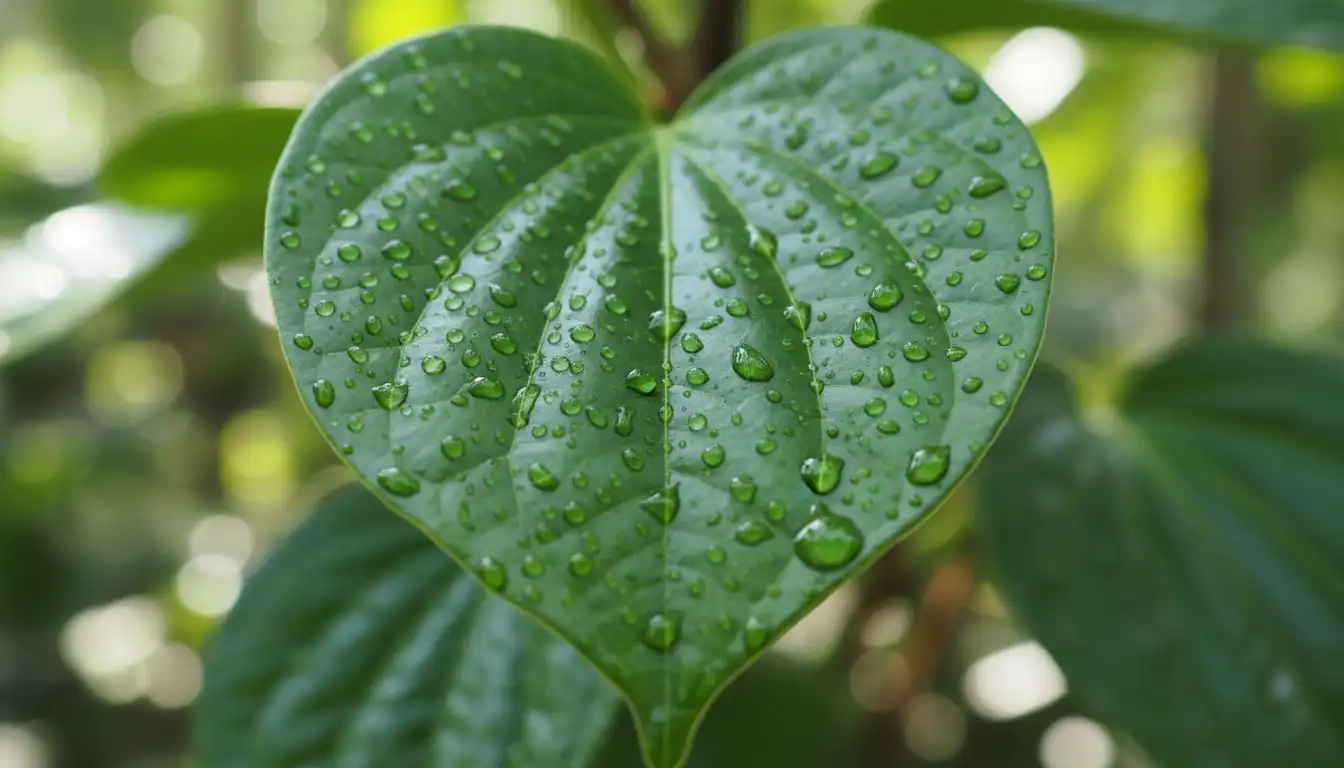
Have you ever walked past your beautiful Piper betel plant and noticed something strange? Tiny, clear, and often sticky droplets clinging to the edges or tips of its lush, heart-shaped leaves. It can be an alarming sight for any dedicated home gardener. Your mind immediately races with questions. Is this a sign of a dangerous pest infestation? Is my beloved betel leaf plant sick? This mysterious “weeping” is a common concern that sends many plant owners searching for answers.
These puzzling droplets are known as piper betel exudates. While they can be a sign of trouble, they are often a completely natural and fascinating plant process. Understanding the difference is the key to ensuring your plant not only survives but thrives. This guide will demystify the phenomenon of piper betel exudates, helping you diagnose the cause and take the right steps to cultivate a healthy, vibrant plant for your home and garden.
You'll Learn About
Decoding the Droplets: What Are Piper Betel Exudates?
Before you can solve the issue, it is essential to understand what these secretions are. The clear, watery droplets you see on your Piper betel leaves are typically the result of a process called guttation. This is not the same as morning dew, which is moisture from the air condensing on the leaf surface. Guttation is an internal process where the plant actively pushes out excess water from its system.
This occurs through specialized pores called hydathodes, which are located along the margins and at the tips of the leaves. The liquid, known as xylem sap, is not just pure water. It also contains a mixture of sugars, minerals, and other organic compounds, which is why the dried residue can feel sticky to the touch. It is a sign that the plant’s internal plumbing is active and under pressure.
The Root of the Issue: Why Your Piper Betel is “Weeping”
Guttation in Piper betel happens when specific environmental conditions align. Primarily, it is a combination of high soil moisture and high ambient humidity. When the soil is very wet, the roots continue to absorb water. Normally, this excess moisture would be released into the atmosphere through transpiration from the leaves. However, when the air is already saturated with humidity, transpiration slows down or stops altogether.
This creates a buildup of water pressure within the plant’s vascular system. To relieve this pressure, the plant forces the water out through the hydathodes, resulting in the visible droplets of exudate. This is most common during the night or in the early morning when temperatures are cooler and humidity is naturally higher. The most frequent cause for these conditions in a home environment is, quite simply, overwatering. Giving your plant more water than it can use in a day is the primary trigger for this weeping phenomenon.
However, there is another, more sinister reason you might find sticky residue on your plant: pests. Sap-sucking insects like aphids, mealybugs, and scale feed on the plant’s fluids. They excrete a sugary, sticky waste product known as honeydew. Unlike guttation, which is a sign of a physiological process, honeydew is a clear indicator of a pest infestation that requires immediate action.
Guttation vs. Honeydew: A Gardener’s Diagnostic Guide
Distinguishing between the natural process of guttation and the pest-related issue of honeydew is the most critical step in caring for your plant. Misdiagnosing the problem can lead to incorrect treatments that fail to solve the issue and could even harm your Piper betel. The following table provides a clear comparison to help you become a more effective plant diagnostician.
| Feature | Guttation (Natural Process) | Honeydew (Pest Infestation) |
|---|---|---|
| Location on Plant | Appears precisely at the tips or along the serrated edges of the leaves. | Found randomly on leaves, stems, and even the surrounding area under the plant. |
| Appearance | Clear, watery, and non-viscous droplets. Dries to a small, crystalline residue. | Very sticky and syrupy. Often accompanied by black, sooty mold which grows on it. |
| Time of Day | Most commonly observed in the early morning. | Present at all times, as long as the pests are actively feeding. |
| Associated Signs | The plant otherwise looks healthy and vibrant. | Visible pests (aphids, mealybugs), distorted leaf growth, or yellowing leaves. |
Your Action Plan: Managing Piper Betel Exudates for a Healthier Plant
Once you have determined whether your plant is experiencing guttation or a pest problem, you can take targeted action. If pests are the culprit, they must be dealt with swiftly using insecticidal soap or neem oil. However, if the issue is guttation, the solution lies in adjusting your care routine and environment to bring things back into balance.
Perfect Your Watering Technique
The single most effective way to manage guttation is to refine your watering habits. Piper betel plants prefer consistently moist soil, but they are highly susceptible to problems from overwatering. Instead of watering on a rigid schedule, check the soil first. Water only when the top 1-2 inches of the potting mix feels dry to the touch. When you do water, do so thoroughly until it drains from the bottom, then discard the excess from the saucer. Watering in the morning is also preferable, as it gives the plant the entire day to use the moisture before the humidity rises at night.
Improve Air Circulation and Drainage
Stagnant, humid air is a major contributor to guttation. Improving air circulation around your Piper betel can significantly help. If your plant is in a crowded area, consider spacing it out from other plants. In very humid homes, using a small, oscillating fan for a few hours a day can mimic a natural breeze, promoting transpiration and reducing the need for guttation. Furthermore, ensure your plant is in a pot with adequate drainage holes. A potting mix that is too dense can retain excessive water, much like the persistent issue of standing water in a tile shower, which is often a result of poor drainage. Amending your soil with perlite or orchid bark can dramatically improve aeration and prevent waterlogging at the root level.
Implement a Balanced Fertilization Schedule
While less common, an imbalance of nutrients can also contribute to guttation. Over-fertilizing can lead to an excess of minerals in the plant’s system, which it may try to expel along with water through its hydathodes. Use a balanced, liquid fertilizer formulated for tropical or foliage plants. Always follow the dilution instructions on the packaging, and err on the side of using less rather than more. Reduce fertilizing during the fall and winter months when the plant’s growth naturally slows down.
The Surprising Upside: When Exudates Signal a Healthy Plant
While excessive weeping points to an imbalance in care, the appearance of guttation is not always a red flag. In fact, it can be an indicator of a very healthy and efficient root system. It demonstrates that the plant is capable of absorbing water and nutrients with vigor. When a plant is thriving, its internal systems are working at full capacity. The presence of morning droplets can simply mean your Piper betel is robust and well-hydrated.
The key is to view these exudates not as a problem to be eradicated, but as a form of communication from your plant. It is providing you with direct feedback on its current environment. By observing when and how much guttation occurs, you can fine-tune your watering schedule and environmental controls to achieve the perfect balance. A few droplets in the morning on an otherwise healthy-looking plant is nothing to worry about; it’s a sign of life and activity.
Advanced Care for a Thriving Piper Betel Vine
Beyond managing sticky droplets, providing the right overall care will ensure your Piper betel becomes a stunning feature in your home garden. As a tropical vine, it has specific needs that, when met, will reward you with vigorous growth and beautiful foliage. Providing the right environment is crucial for its long-term health and vitality.
Piper betel thrives in bright, indirect light. A spot near an east-facing window is often ideal, as it receives gentle morning sun without the harsh, scorching rays of the afternoon. This plant’s natural habitat is the warm, humid understory of a tropical forest. Replicating this high humidity is key. You can achieve this by misting the leaves several times a week, placing the pot on a pebble tray filled with water, or running a humidifier nearby. When considering plant placement, be mindful of ambient conditions, as the dry heat from appliances like a wall oven under cooktop can lower humidity and stress the plant.
Troubleshooting Other Common Piper Betel Issues
Even with the best care, you may encounter other common problems. Understanding these will help you keep your plant in peak condition. Being able to quickly identify and resolve these issues will prevent minor setbacks from becoming major problems.
- Yellowing Leaves: This is most often a sign of overwatering and potential root rot. However, it can also indicate underwatering or a nitrogen deficiency. Always check the soil moisture first before taking action.
- Brown, Crispy Leaf Edges: This is a classic symptom of low humidity or allowing the soil to dry out completely. Increase misting or move the plant to a more humid location like a bathroom.
- Leggy Growth: If your vine has long stretches of stem with few leaves, it is likely not receiving enough light. Move it to a brighter location to encourage more compact, bushy growth.
- Stunted or No New Growth: During winter, it is normal for growth to slow. If this occurs during the growing season, your plant may be root-bound and need a larger pot, or it could benefit from a dose of balanced fertilizer.
A Note on Electrical Safety in Humid Environments
Creating a humid microclimate for your Piper betel often involves using humidifiers or frequent misting. This introduces more moisture into the air, which calls for increased attention to electrical safety in your home. Ensure that any electrical outlets, power strips, or appliance cords are shielded from direct sprays or spills. Water and electricity are a dangerous combination. For plant setups in kitchens or bathrooms where outlets are near sinks, it is wise to be cautious. Using ground-fault circuit interrupter (GFCI) outlets is a must. In some custom setups, having the flexibility to rotate an outlet 90 degrees can help direct cords away from potential water drips, providing an extra layer of safety.
Embrace the Signs: Becoming a More Attentive Plant Parent
The appearance of piper betel exudates on your plant is not a cause for panic. It is an opportunity to listen to what your plant is telling you. By learning to distinguish between harmless guttation and the warning signs of pests, you elevate your skills as a gardener. You move from simply following a care sheet to actively observing and responding to your plant’s needs.
These sticky droplets are a window into the complex and active life of your Piper betel. They reflect the delicate balance between water, light, and humidity that governs its health. By addressing the root causes—primarily your watering habits and the plant’s immediate environment—you can easily manage this phenomenon. Celebrate these signs of a robust, living organism, and use them to build a stronger connection with the green world inside your home.
