
Piles of Dirt Around Foundation? It’s a Huge Warning Sign
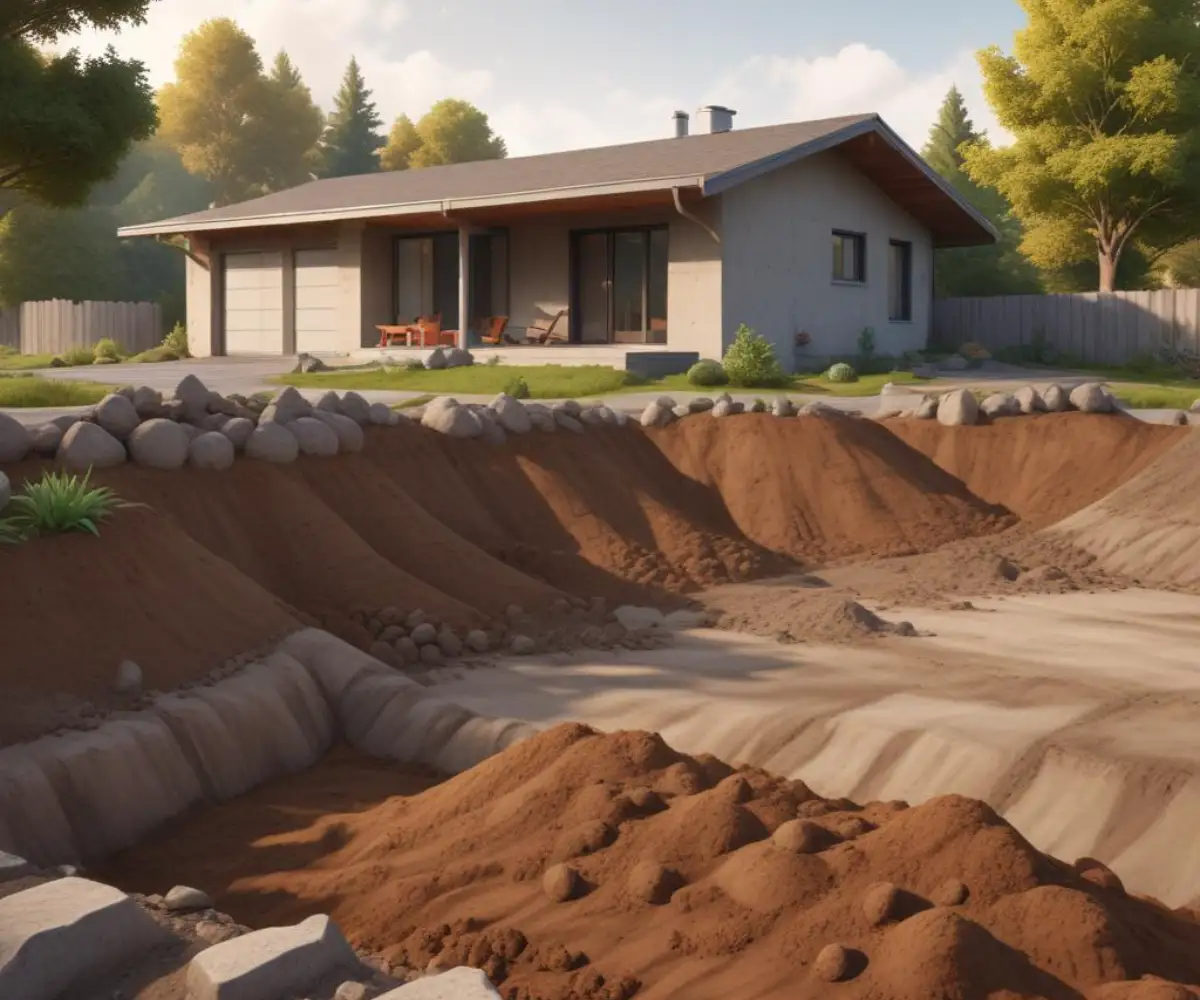
Discovering unexpected piles of dirt around your home’s foundation can be unsettling. These mysterious mounds aren’t just an eyesore; they are often the first visible symptom of deeper, more significant problems lurking beneath the surface. Ignoring them is a gamble with your home’s structural integrity.
These accumulations of soil can signal anything from a destructive pest infestation to severe water drainage issues. Understanding the cause is the critical first step in protecting your investment. This guide will help you decipher the clues the dirt is giving you and outline the steps to take to secure your home.
You'll Learn About
Why Are There Piles of Dirt Around Your Foundation? Uncovering the Culprits
The appearance of soil mounds against your foundation is a clear message that something is amiss. The soil’s texture, shape, and location provide essential clues to the underlying cause. Broadly, these causes fall into three main categories: pest activity, water and drainage problems, and soil or structural shifts.
Each of these issues poses a distinct threat to your home. Pests can compromise wooden structures, poor drainage can weaken the foundation itself, and soil issues can lead to catastrophic structural failure. A thorough investigation is not just recommended; it’s essential.
Cause #1: Unseen Architects – Pest and Animal Activity
One of the most common reasons for mysterious dirt piles is the activity of burrowing animals and insects. These creatures excavate soil as they build their nests and tunnels, pushing the displaced earth up against your foundation. The characteristics of the mound can often tell you exactly which pest you’re dealing with.
From the fine, powdery soil of ants to the coarse, chunky dirt displaced by rodents, each sign points to a different intruder. Identifying the specific pest is crucial for effective removal and prevention. Letting any infestation go unchecked can lead to significant damage over time.
Termites: Subterranean termites are infamous for the damage they cause. They build mud tubes from soil, saliva, and feces to travel from their underground colonies into your home’s structure. Piles of what looks like dirt near the foundation, especially if accompanied by these pencil-sized tubes on the concrete, are a major red flag for termite activity.
Ants: Many ant species, including carpenter ants and fire ants, excavate soil to create their nests. Ant hills are typically made of fine, granular soil and have a visible central opening. While some ants are just a nuisance, carpenter ants can hollow out wood, and large colonies of any kind can create issues like dirt mounds between pavers and disrupt soil stability around the foundation.
Burrowing Mammals: Animals like moles, voles, gophers, and groundhogs are powerful excavators. They create extensive tunnel systems that can compromise the compacted soil your foundation relies on for support. Moles create distinctive volcano-shaped mounds (molehills), while gophers leave fan-shaped piles of coarse dirt next to a plugged hole. The burrowing activity of these animals not only destabilizes the soil but can also disrupt proper water drainage.
Cause #2: The Relentless Foe – Water and Drainage Issues
Water is arguably the greatest threat to your home’s foundation. When drainage systems fail, water accumulates in the soil around your foundation, leading to a host of serious problems. This excess moisture can displace soil, creating piles and simultaneously exerting immense pressure on your foundation walls.
The signs of poor drainage are often subtle at first—a bit of displaced mulch, a low spot in the yard—but they point to a risk that grows with every rainfall. Over time, this can lead to cracks, leaks, and even bowing walls. Proper grading and functional gutters are your first line of defense.
Improper Grading: The ground around your home should slope away from the foundation. The ideal grade is a drop of at least one inch for every foot you move away from the house, extending for 5 to 10 feet. If the grading is flat or, worse, slopes toward the house, water will pool against the foundation, eroding and displacing soil.
Gutter and Downspout Failure: Gutters are designed to collect rainwater and channel it safely away from your home. When gutters are clogged or downspouts are too short, they dump torrents of water directly at the base of your foundation. This concentrated flow can easily wash away soil, creating piles of displaced dirt and oversaturating the ground.
Hydrostatic Pressure: Saturated soil is heavy and exerts significant force, known as hydrostatic pressure, against foundation walls. This is particularly dangerous for homes with basements or crawl spaces. The pressure can force water through tiny cracks, leading to leaks, and in severe cases, can cause walls to bow inward or crack, compromising the entire structure.
Cause #3: The Ground Beneath – Soil and Structural Shifts
The soil your home is built on is not static. It expands and contracts with changes in moisture and can be poorly compacted, leading to settling over time. These shifts can create voids and put immense stress on your foundation, sometimes forcing soil upward and outward.
Problems related to soil composition are often slow-moving but can be incredibly destructive. Expansive clay soils are particularly notorious for causing foundation damage. Recognizing the signs of soil-related issues is key to preventing irreversible structural problems.
Expansive Soils: Certain types of soil, like clay, swell significantly when they absorb water and shrink as they dry. This constant cycle of expansion and contraction can cause the foundation to heave and settle unevenly. This movement can create cracks and displace the soil immediately surrounding the foundation.
Foundation Settling: Over time, a house will naturally settle. However, if the fill dirt used during construction was poorly compacted, or if burrowing animals or erosion have created voids, this settling can become excessive and uneven. As one part of the foundation sinks, it can push soil up in another area, creating tell-tale mounds.
Construction Debris: In some cases, piles of dirt are simply leftover debris from the home’s construction that was never properly graded or removed. While less structurally threatening, this soil can still hold moisture against the foundation and provide a haven for pests. It should be removed to ensure proper slope and drainage.
A Step-by-Step Plan to Reclaim Your Foundation
Once you’ve spotted piles of dirt, a systematic approach is needed to diagnose the cause and implement the right solution. Acting quickly can prevent a minor issue from becoming a major, costly repair. Follow these steps to investigate the evidence, address the root cause, and establish long-term preventative measures.
This process involves careful observation, targeted action, and consistent maintenance. By being methodical, you can ensure you are not just treating a symptom but are truly solving the underlying problem that threatens your home.
Step 1: Investigate the Evidence Like a Pro
Before you can fix the problem, you must become a detective. The clues are in the dirt itself and the surrounding area. A close examination will help you narrow down the possibilities and determine if you’re dealing with pests, water, or soil issues.
Look at the texture of the soil, the shape of the mounds, and any other associated signs. Is the dirt fine or coarse? Is there an entry hole? Are there raised tunnels in the lawn or mud tubes on the foundation? This initial diagnosis is the most important step.
| Observation | Likely Cause | What It Means |
|---|---|---|
| Fine, powdery, or sandy soil in a cone shape with a central hole. | Ants | An ant colony is excavating tunnels. While often a nuisance, some species like carpenter ants can damage wood. |
| Hardened, pencil-sized mud tubes on the foundation wall. | Subterranean Termites | This is a critical warning. Termites are likely infesting the structure of your home, causing serious damage. |
| Cone-shaped mounds of coarse soil with no visible hole (“molehills”). | Moles | Moles are tunneling deep in the yard. Their tunnels can disrupt drainage and damage root systems. |
| Crescent or fan-shaped mounds of coarse soil with a plugged hole on one side. | Gophers / Groundhogs | These rodents create extensive burrows that can destabilize the soil supporting your foundation. |
| Displaced mulch or topsoil, often at the base of downspouts. | Poor Drainage / Gutter Overflow | Water is eroding the soil around your foundation, which can lead to saturation and hydrostatic pressure. |
| General accumulation of soil with no distinct shape, causing the ground to slope toward the house. | Improper Grading / Settling | The landscape is directing water toward your foundation instead of away, posing a long-term threat. |
Step 2: Address the Root Cause
With a diagnosis in hand, it’s time to take action. The solution must match the problem. Applying a pest control solution to a drainage problem will be ineffective and vice-versa.
For pest infestations, professional extermination is often the safest and most effective route, especially for termites. For burrowing animals, trapping and removal may be necessary, followed by filling in their tunnels to prevent re-infestation and soil collapse.
For water and drainage issues, the solutions are often straightforward but require labor. Start by cleaning your gutters and adding extensions to your downspouts to discharge water at least 5-10 feet away from the house. If the primary issue is improper grading, you will need to build up the soil around the foundation to create a positive slope. This involves adding dense, silty-clay soil—not porous topsoil—and compacting it to ensure water flows away. Tackling this may require a significant amount of earth-moving, so understanding the most efficient way to move dirt can save you time and effort.
For soil and structural issues, it’s often best to consult a professional. A structural engineer can assess the extent of foundation settling or damage from expansive soils and recommend solutions like foundation piers or other stabilization methods. These are not DIY projects and require specialized expertise to ensure the safety and stability of your home.
Step 3: Long-Term Prevention and Maintenance
Solving the immediate problem isn’t the end of the story. Diligent maintenance is key to preventing piles of dirt—and the issues they represent—from returning. A proactive approach will protect your foundation for years to come.
Maintain a clear zone of at least 6-12 inches between any mulch or soil and your home’s siding. This prevents moisture from being trapped against the structure and makes it harder for pests to find a hidden entry point. You should be able to see several inches of the concrete foundation above the soil line.
Regularly inspect your property. At least twice a year, walk the perimeter of your home. Look for new dirt piles, check that the grade is still sloping away, and ensure gutters and downspouts are clear and functioning correctly. The consistent moisture from a leaky foundation can even impact your home’s interior, leading to damp basements where you might have to reconsider flooring choices, similar to the specific needs of a beach house.
Manage landscaping. Large tree roots can absorb massive amounts of water from the soil, causing it to shrink and leading to foundation settling. They can also grow against the foundation, exerting physical pressure. Avoid planting large trees too close to the house and consider a root barrier if you have existing mature trees.
Your Foundation’s Health Is Your Home’s Health
The small piles of dirt you see around your foundation are more than just a minor inconvenience; they are a direct communication from your home about its underlying health. By learning to read these signs and responding with decisive action, you can address threats before they escalate into structural crises.
Whether the culprit is a colony of termites, faulty drainage, or unstable soil, the solution begins with careful observation and a commitment to protecting your property. Pay attention to the ground your home stands on. It supports everything, and its stability is paramount.
